That frustrating moment when you wipe your cast iron skillet with a paper towel and see black residue smearing across the surface is something nearly every cast iron owner experiences. The black coming off cast iron isn’t always a sign of disaster—it’s often completely normal—but knowing when it indicates a problem versus when it’s simply part of cast iron’s natural behavior is crucial for proper maintenance. Most residue transfer happens because of carbon deposits from overheated oils or the seasoning layer itself, but excessive buildup, sticky textures, or flaking material signal your pan needs attention. Understanding why black comes off cast iron and how to address it will help you maintain cookware that performs beautifully for decades.
The black material appearing on your towels and food is primarily carbon deposits formed when oils, fats, and food particles break down under heat. This carbonization process creates the dark specks that seem to appear mysteriously after cooking. Your pan’s seasoning layer—the polymerized oil that gives cast iron its characteristic black color—can also contribute to transfer when it’s overly thick, improperly applied, or breaking down. Learning to distinguish between normal seasoning transfer and problematic buildup is the first step toward resolving the issue and enjoying the exceptional cooking performance that well-maintained cast iron provides.
Why Black Specks Appear on Your Cast Iron Pan (Not Just Seasoning)
The black material rubbing off your cast iron comes from several specific sources, and identifying the exact cause helps you apply the right solution. Most residue stems from carbonized cooking oils, but factory seasoning, burnt food particles, and inadequate maintenance all contribute to the problem.
Carbon Deposits from Overheated Cooking Oils
When you heat oils beyond their smoke point, they undergo thermal decomposition and leave behind solid carbon particles. These carbon deposits accumulate in your pan’s microscopic pores and eventually rub off onto food or cleaning materials. Oils with low smoke points are particularly prone to this problem. Flaxseed oil, despite its popularity in some cast iron communities, has one of the lowest smoke points and breaks down quickly at typical cooking temperatures. When these oils carbonize, the resulting black particles can transfer to your food and create an unappealing appearance.
Pro tip: Use oils with higher smoke points like canola, grapeseed, or vegetable oil for high-heat cooking—they withstand searing temperatures without breaking down as quickly.
Burnt Food Particles Left Behind During Cleaning
Improper cleaning after cooking leads to burnt food particles remaining on the cooking surface and contributing to residue problems. When food is allowed to burn onto the pan or when pans sit with cooked-on residue overnight, the carbonized material bonds to the seasoning layer. Over time, this accumulated buildup can begin to flake or rub off, contaminating your food and making the pan increasingly difficult to clean.
Pans used for frying or cooking fatty foods are particularly susceptible to this type of buildup. The residual fats carbonize during cooking, and if not removed promptly, they create a hard, black layer that becomes increasingly difficult to remove with each subsequent use.
Factory Seasoning Flaking Off New Skillets
Brand-new cast iron skillets typically arrive with a factory-applied seasoning layer designed to prevent rust during storage. This pre-seasoning consists of oil or wax that has been baked onto the pan’s surface but isn’t intended to withstand prolonged use. During your first few meals with a new pan, you may notice black flakes appearing on your food and towels as this factory coating begins to break down under high heat.
This flaking is completely normal and not a defect in your pan. The factory seasoning is essentially a temporary protective layer that gets replaced by the permanent seasoning you build through regular use and proper maintenance.
Normal vs. Problematic Black Transfer: What to Look For

Learning to distinguish between normal seasoning behavior and problematic residue helps you know when your pan needs attention versus when it’s functioning as expected. The difference lies in the quantity, texture, and circumstances of the transfer.
Healthy Seasoning Transfer Signs
A well-seasoned cast iron pan should have a jet black coating that provides non-stick properties and rust protection. This seasoning layer is porous to some degree, which means that a light black residue or slight dark smudges on a paper towel after wiping a warm pan is completely normal. The residue appears most commonly after cooking fatty foods or when the pan is warm, as heat can soften the seasoning slightly and cause minimal transfer.
If you use your pan frequently and care for it properly, small amounts of residue appearing on paper towels during cleaning indicate a healthy, established seasoning layer rather than a problem. Freshly seasoned pans, when properly cured, should not leave residue on a paper towel—if oil is applied correctly and baked properly, it becomes bone-dry and polymerized.
Warning Signs Your Pan Needs Attention
Certain types of residue indicate that your pan requires intervention rather than simply indicating normal seasoning behavior. Excessive residue that comes off in large amounts, leaving the pan looking dull or patchy, signals that the seasoning has become overly thick, improperly cured, or damaged. Residue that feels greasy or sticky rather than dry and powdery suggests that old oil hasn’t been properly cleaned and has begun to break down.
Critical red flags include:
– Residue with a strong unpleasant odor
– Signs of mold contamination
– Accompanying reddish-brown rust flakes
– Residue that significantly affects food taste with a charred or bitter flavor
These situations call for deep cleaning and potential re-seasoning to restore your pan’s performance.
Fix Sticky Black Residue with These Cleaning Methods
Addressing residue buildup promptly prevents the problem from worsening and helps maintain your pan’s seasoning rather than requiring its complete removal. Several effective methods exist for cleaning black residue, ranging from gentle approaches for light buildup to intensive methods for stubborn deposits.
Salt Scrubbing for Light Carbon Buildup
Salt serves as a natural mineral abrasive with particles that create friction effective for removing grease, stains, and hardened residue without damaging the seasoning layer. Begin by ensuring your pan is warm rather than hot, as gentle heat helps soften the residue.
Sprinkle a generous layer of coarse kosher salt into the pan and use a dry paper towel to scrub in circular motions. The salt will darken as it absorbs the residue, indicating it’s doing its job. Continue scrubbing until the salt no longer picks up black material, then remove all salt grains completely. After cleaning, apply a light coat of oil to re-season any affected areas.
Baking Soda Paste for Acidic Residue
Baking soda’s mild alkalinity makes it effective for neutralizing and breaking down acidic carbon deposits without harming the seasoning. Sprinkle baking soda directly onto the pan’s surface and use a dry sponge to scrub in circular motions.
If the residue doesn’t come off easily, add just enough water to create a thin paste, then continue scrubbing. Rinse thoroughly with warm water after cleaning to remove all baking soda residue, which can affect future meals. Dry the pan immediately with a towel, then place it on low heat for several minutes to ensure complete moisture evaporation before applying oil.
Chain Mail Scrubber for Stubborn Buildup
Specially designed cast iron scrubbers provide the most effective tool for removing heavy carbon deposits. Unlike steel wool that can damage seasoning, cast iron-specific scrubbers remove buildup while preserving the underlying polymerized layer.
Scrub the pan under hot running water, applying moderate pressure to work through accumulated residue. For particularly stubborn areas, allow the pan to soak in hot water for several minutes before scrubbing. After deep cleaning, your pan will likely need re-seasoning—wash with mild soap, rinse thoroughly, dry completely, and apply multiple thin oil layers.
Rebuild Your Cast Iron’s Protective Layer Properly
After removing problematic residue, proper seasoning creates the protective layer that prevents future buildup and restores your pan’s cooking performance.
Oven Seasoning Step-by-Step Guide
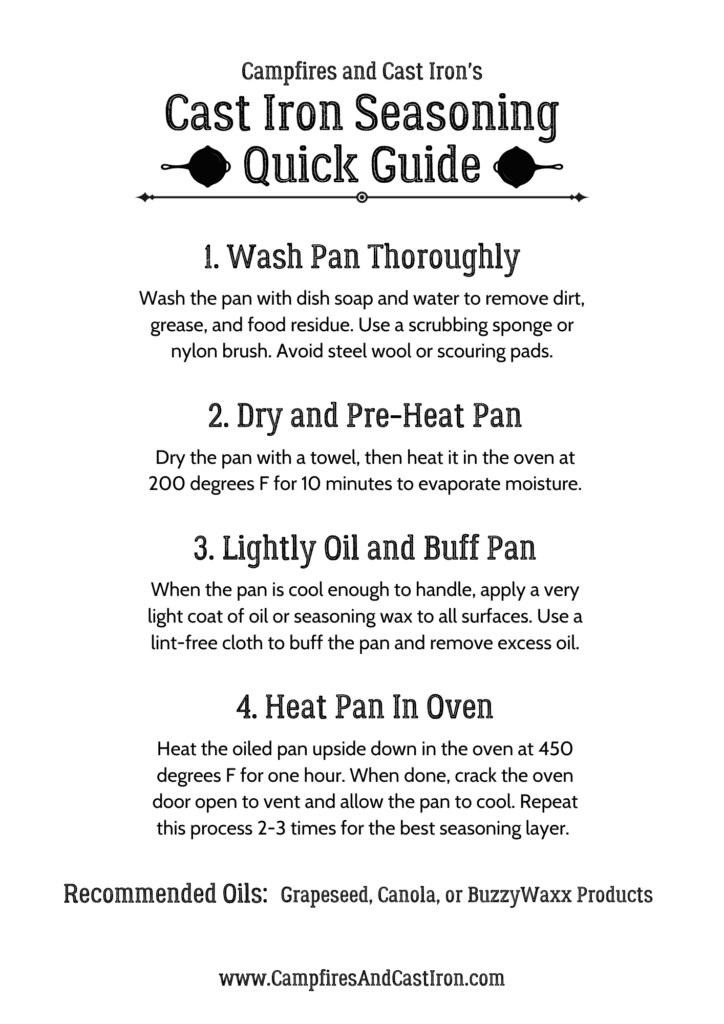
Begin with a clean, dry pan. Place it on a stovetop over low heat to ensure all moisture has evaporated. Apply a thin layer of oil to all cooking surfaces—use only a small amount as too much creates problems. The best approach is to pour a small amount of oil onto the pan, then use a paper towel to spread it as thinly and evenly as possible.
Place the pan upside down in an oven preheated to 450°F, positioning it on the middle rack with a baking sheet below to catch drips. Leave the pan in the oven for one hour, then turn off the oven and allow the pan to cool completely inside. Repeat this seasoning process three to four times for a durable initial layer.
Best Oils for Durable Seasoning (Skip Flaxseed)
The oil you select significantly impacts your seasoning quality. Canola oil, grapeseed oil, and vegetable oil all offer excellent smoke points and produce durable seasoning layers when properly applied. These oils withstand high temperatures required for curing without burning.
Avoid:
– Extra-virgin olive oil (low smoke point)
– Flaxseed oil (creates brittle, flaky seasoning)
– Butter or animal fats (burn too easily)
Prevent Future Black Residue with Smart Cooking Habits
The most effective approach to black residue is prevention through proper cooking techniques and consistent maintenance.
Heat Management to Avoid Carbonization
Avoid preheating an empty pan for extended periods, as this causes seasoning to break down without the protective buffer of oil. Always add oil before heating the pan, and allow it to heat briefly before adding food.
Use medium to medium-high heat for most cooking tasks rather than maximum heat. High temperatures cause oils to smoke and carbonize more quickly, contributing directly to residue formation. Most cooking tasks work well at moderate heat levels and produce better results.
Post-Cooking Cleaning Routine That Works
Clean your cast iron pan promptly after each use to prevent residue from hardening. While the pan is still warm (not hot), wipe out excess oil and food particles with a paper towel. For stuck-on food, add a small amount of water while the pan is warm to help loosen debris.
Dry the pan immediately after washing to prevent rust formation. Place the pan on low heat for several minutes to ensure all moisture evaporates. While still warm, apply a thin layer of oil to all cooking surfaces, spreading it evenly and removing any excess.
Debunking Common Cast Iron Care Myths
Misinformation about cast iron maintenance leads to improper care that causes the very problems owners are trying to avoid.
“Soap Ruins Seasoning” – The Truth About Dish Soap
The belief that cast iron and soap should never come in contact is one of the most persistent myths. Modern mild dish soaps are perfectly safe for occasional cast iron cleaning. When used properly, soap helps remove the non-polar chemicals that water alone cannot lift.
Apply a small amount of mild dish soap to a sponge rather than filling the sink with soapy water. Avoid prolonged soaking, rinse thoroughly, dry immediately, and apply oil afterward. For regular maintenance, soap use once every few weeks or after messy meals is appropriate.
Flaxseed Oil: Why It’s Not the Best for Seasoning
Flaxseed oil has gained popularity but is poorly suited for seasoning. Its extremely low smoke point means it begins burning at temperatures well below what’s needed for proper polymerization, creating a weak, brittle layer that flakes and contributes to residue problems. More heat-tolerant oils like canola or grapeseed produce far more durable seasoning that stands up to regular cooking without breaking down.
Troubleshooting Specific Black Residue Problems
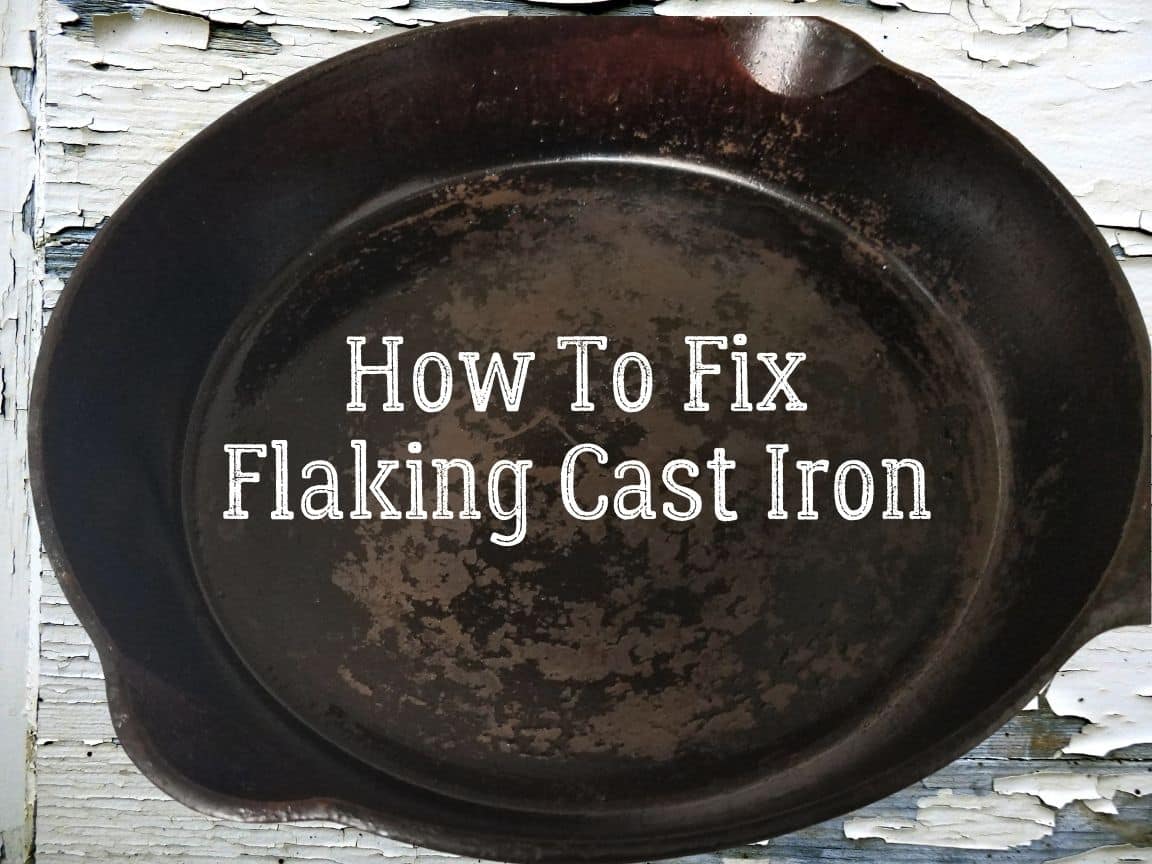
When black coming off cast iron becomes excessive despite proper care, specific solutions address these persistent issues.
Fixing Sticky Seasoning After Improper Oiling
Sticky or tacky residue that doesn’t dry indicates improperly cured seasoning. This occurs when too much oil was applied during seasoning and the excess never fully polymerized. To fix this, scrub the pan with hot water and mild soap to remove the sticky layer, dry completely, and re-season with a much thinner oil coat.
Addressing Flaking Seasoning on Well-Used Pans
Seasoning that flakes off in large pieces indicates either improper initial seasoning or the wrong oil. Flaking commonly occurs with flaxseed oil seasoning because it creates a brittle layer. To address this, scrub the pan to remove all loose material, dry completely, and re-season using canola or grapeseed oil.
Maintaining Your Cast Iron for Long-Term Performance
Regular maintenance prevents small issues from becoming major restoration projects. After each use, wipe out the pan while warm and apply a light oil coat after drying. For weekly maintenance, perform a more thorough cleaning with salt or baking soda. Monthly, evaluate your cast iron’s condition and consider a full re-seasoning cycle if needed.
Pro tip: Store cast iron in a cool, dry location with adequate air circulation. Avoid stacking pans directly on top of each other—place a paper towel between them to absorb moisture and protect surfaces.
The black coming off cast iron is a normal phenomenon that results from the interaction between oils, fats, food, and the cast iron surface during cooking. Understanding the difference between healthy seasoning transfer and problematic buildup helps you know when your pan is functioning well versus when it needs attention. With consistent care and maintenance, cast iron cookware will develop a durable, non-stick seasoning layer that minimizes residue problems while providing excellent cooking performance for generations. The investment in proper cast iron care pays dividends in cooking quality and cookware longevity that few other materials can match.