Finding a vintage cast iron clawfoot tub is like discovering hidden treasure—these fixtures embody an era of craftsmanship that modern plumbing rarely matches. Yet many of these beautiful pieces sit neglected in basements or salvage yards, their surfaces marred by decades of wear, peeling paint, rust stains, and chipped enamel. The transformative power of cast iron clawfoot tub restoration lies in its ability to rescue these architectural relics from obscurity. When you restore rather than replace, you preserve history while saving significant money compared to buying a new reproduction. This guide delivers practical, step-by-step methods that empower you to achieve professional-quality results in your own space, whether you’re working with a Victorian-era find or a mid-century antique.
Why Your Vintage Tub Deserves Restoration
Restoring your original cast iron clawfoot tub makes financial sense with a clear cost advantage—most DIY restorations require $300-$800 in materials versus $2,000-$5,000 or more for a quality reproduction. Beyond the numbers, authentic vintage tubs possess unique characteristics that reproductions can’t replicate: manufacturer markings stamped into the iron, the precise curvature of claw feet shaped by skilled artisans, and the specific profile of the rolled rim that varies between eras and manufacturers. These subtle details connect you to the tub’s history and the craftsmen who created it over a century ago.
The functional benefits of cast iron clawfoot tub restoration extend beyond aesthetics. The thick iron construction provides superior heat retention, keeping bathwater warm significantly longer than modern steel or acrylic alternatives—a practical advantage that enhances your bathing experience daily. Additionally, properly restored vintage tubs maintain or increase property value in historic homes where period-appropriate fixtures matter to buyers and preservation standards. When you choose restoration, you’re preserving both history and functionality while making a smart financial decision.
Check for Structural Damage Before Starting
Before investing time and materials, thoroughly inspect your tub for damage that might compromise your restoration project. Run your hands across every surface—particularly the interior bottom, walls, rim, and exterior sides—to identify different types of damage requiring specific approaches. Look for surface rust that responds well to removal, pitting that may need filler, chips exposing the cast iron substrate, cracks threatening structural integrity, and previous failed repairs.
Pay special attention to the enamel surface for areas where the original finish has worn thin, creating a rough, porous texture. Check for chips along the rolled rim and around the drain opening—these high-traffic areas typically show damage first. Use a bright flashlight to examine surfaces from different angles, as some hairline cracks become visible only when light hits them at certain angles. Gently press on the tub walls and bottom; authentic cast iron should feel solid with no flex or give. Listen for creaking sounds that might indicate thin spots or hidden damage, particularly near the feet attachment points where rust commonly develops.
Gather These Essential Tools Before Beginning

Skipping proper preparation guarantees frustration during cast iron clawfoot tub restoration. For surface preparation, you’ll need a dual-action sander or orbital sander with 80, 120, and 220-grit sandpaper discs, plus sanding sponges for curved areas and tight spaces. A shop vacuum with a HEPA filter controls hazardous dust during aggressive sanding stages. Chemical stripper application requires natural-bristle brushes, plastic scrapers, and metal putty knives in various sizes.
Rust removal demands specialized products: naval jelly or phosphoric acid gel for dissolved rust, wire brushes in multiple sizes for mechanical removal, and rust-converting primer for stubborn stains. For repairs, gather automotive body filler for filling pits, two-part epoxy putty for larger repairs, and enamel touch-up paint for chips. The refinishing stage requires a high-quality enamel coating system—either a two-part epoxy or specialized tub and tile refinishing product—along with appropriate primers, foam rollers, and quality brushes.
Never underestimate personal protective equipment. Chemical-resistant gloves, safety goggles, a NIOSH-approved respirator rated for organic vapors and lead dust, and disposable coveralls protect you from hazardous materials commonly found in older tub restorations. Ensure adequate ventilation in your workspace, ideally with exhaust fans directing fumes outdoors. A heavy-duty drop cloth and plastic sheeting protect surrounding areas from dust, debris, and finish overspray.
Strip Old Finish Without Damaging Cast Iron
Stripping represents the most labor-intensive phase of cast iron clawfoot tub restoration, but thorough preparation determines your final results. Begin by applying a chemical paint stripper formulated for multiple layers of coating. Apply generously with a natural-bristle brush, working in sections no larger than four square feet. Allow the stripper to work according to product instructions—usually 15-30 minutes—until the finish softens and bubbles.
While the stripper works, prepare your scraping tools. Use a plastic putty knife for initial coating removal to avoid gouging the cast iron surface. Switch to metal scrapers for stubborn areas, holding the blade at a low angle to prevent scratches. Collect removed finish in a metal container for proper disposal. For multiple layers, you may need to apply stripper two or three times, always allowing the surface to dry completely between applications.
Once coating is removed, address rust that has developed on exposed cast iron. For light surface rust, a wire brush attached to your drill provides efficient removal. Apply naval jelly or phosphoric acid gel to remaining rust stains, allowing the chemical to convert rust into a stable compound that can be sanded away. For heavy rust or pitting, use progressively finer sandpaper, starting with 80-grit to establish a clean surface, then moving through 120 and 220-grit for smoothing. The goal is a uniformly clean, slightly textured surface that primer can bond to effectively.
How to Handle Stubborn Rust Stains
Some rust stains resist standard removal methods, requiring specialized approaches. For persistent rust discoloration, apply multiple treatments of phosphoric acid gel, allowing each application to dwell for the maximum recommended time. After each treatment, gently scrub with a nylon brush and rinse thoroughly. If stains remain, consider using oxalic acid crystals dissolved in warm water—a traditional method for removing rust from cast iron that creates a chemical reaction breaking down the iron oxide.
For rust stains in deep pits or crevices, create a paste with the rust remover and apply it thickly, covering the area with plastic wrap to prevent drying. Allow it to work for several hours before removing. Never use abrasive sanding on these areas, as excessive removal of material weakens the tub structure. In cases where rust has penetrated deeply but hasn’t compromised structural integrity, consider using rust-converting primer that chemically stabilizes remaining iron oxide while providing a suitable surface for topcoats.
Repair Chips and Imperfections Like a Pro
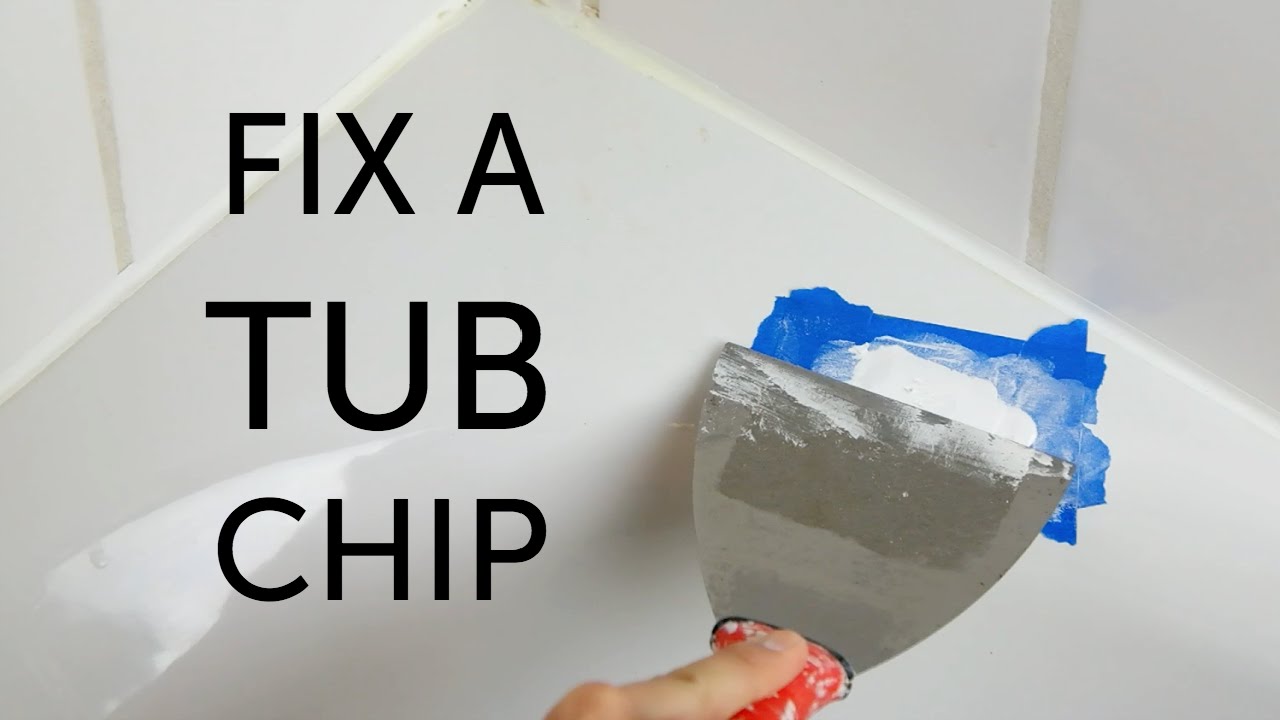
Even minor chips in cast iron tubs require attention because they expose the iron to moisture, leading to accelerated rust and potential structural issues. Begin chip repair by cleaning the damaged area thoroughly with acetone to remove any residue, then feather the edges of surrounding enamel with 220-grit sandpaper to create a smooth transition zone. If the chip exposes bare metal, apply a thin coat of rust-inhibiting primer and allow it to dry completely before proceeding.
Small chips up to a quarter-inch respond well to two-part automotive touch-up paint applied in thin layers. Build the repair gradually, allowing each layer to dry according to manufacturer instructions before applying the next. Lightly wet-sand between layers with 600-grit sandpaper to blend repairs with surrounding enamel. For larger chips and shallow pits, automotive body filler provides a durable base. Mix the filler according to package directions, apply slightly proud of the surrounding surface, and shape with a putty knife before it fully cures.
Cracks require different treatment depending on their severity. Hairline cracks in the enamel surface can often be filled with epoxy-based tub repair kits, which flow into the crack and create a waterproof seal. Through-cracks that penetrate to the cast iron substrate present a greater challenge. While some restorers successfully repair these with epoxy and fiberglass mesh reinforcement, extensive cracking may indicate the tub has reached the end of its serviceable life. Evaluate each crack individually, considering its location, length, and whether it shows signs of movement or expansion.
Achieve a Professional Finish With Proper Painting
Priming establishes the bond between bare cast iron and your topcoat, making this application critical to long-term durability. Choose a primer specifically formulated for metal surfaces and compatible with your chosen topcoat system. For most DIY restorations, a spray-applied bonding primer provides the most uniform coverage and easiest application. Apply in thin, even passes, holding the spray nozzle about eight to twelve inches from the surface.
Allow the first primer coat to dry according to product directions—typically one to two hours—then apply a second coat. Lightly sand the dried primer with 400-grit sandpaper to promote adhesion of subsequent coats, and wipe clean before proceeding. For bare metal areas exposed by chips or deep sanding, consider using a rust-converting primer that chemically stabilizes any remaining iron oxide.
Topcoat application typically requires three to four thin coats rather than fewer thick coats, which tend to sag and create an uneven finish. Allow each coat to dry to the touch before applying the next—usually two to four hours depending on temperature and humidity. Lightly sand between coats with 600-grit sandpaper and wipe clean. Crucially, the final coat should dry for at least 48 hours before water exposure, though full cure may take up to two weeks. Avoid the temptation to rush this process; adequate curing time ensures a durable, chip-resistant finish that will provide years of service.
Extend Your Tub’s Life With Proper Maintenance
Protecting your restoration investment requires ongoing maintenance that preserves the finish without damaging it. Avoid abrasive cleaners and scrubbers, which microscopically damage the surface over time and create areas where dirt and mildew can accumulate. Instead, clean the tub after each use with a soft cloth or sponge and mild dish soap. For periodic deep cleaning, use a non-abrasive bathroom cleaner specifically formulated for enamel surfaces.
Prevent damage by addressing issues promptly. Fix any chips or scratches as soon as they appear—the longer bare metal remains exposed, the more likely rust will develop. Keep the tub dry between uses when possible, as standing water, especially hard water, can etch and stain even well-cured finishes. Consider applying a dedicated tub wax or protective coating every few months; these products add a sacrificial layer that absorbs wear and makes cleaning easier.
Monitor areas of potential wear, particularly along the rolled rim where the finish often shows stress from regular use. The rolled rim typically requires touch-up painting more frequently than other surfaces. Keep records of when you performed restoration work and what products you used—this information proves valuable for future maintenance and helps you understand which areas of your tub see the most wear. With proper care, your restored cast iron clawfoot tub will provide decades of service while preserving a piece of architectural history in your home.