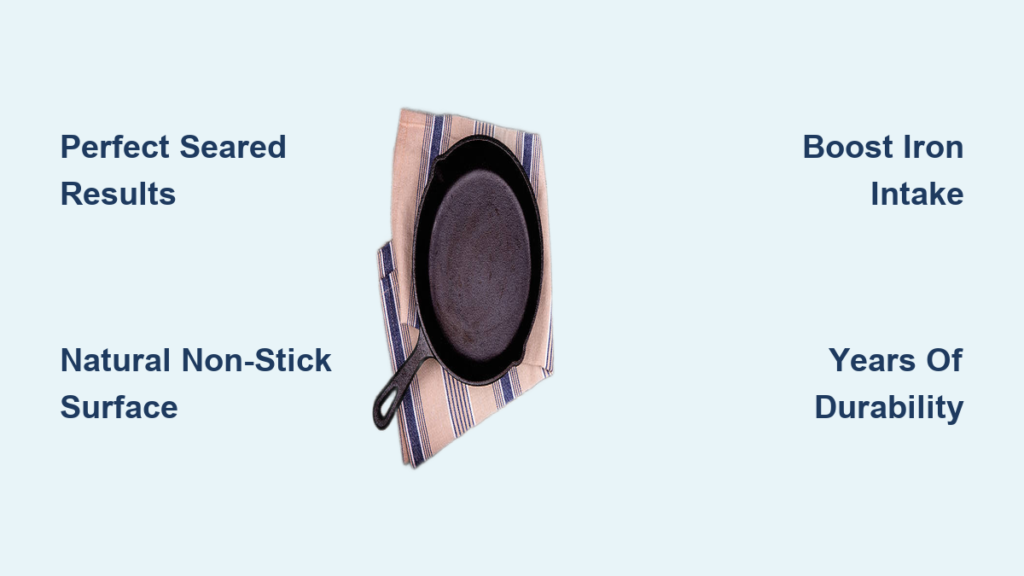
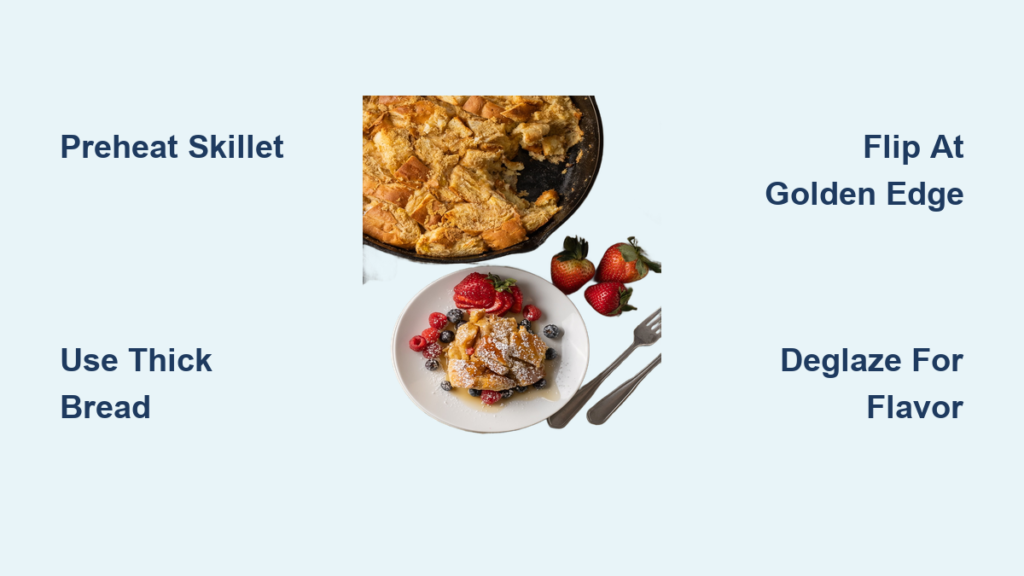
There’s nothing quite like the smell of French toast sizzling in a cast iron skillet—the rich aroma of caramelizing eggs and milk, the satisfying hiss as the batter hits the hot metal, and that signature crisp-edged, custardy-centered result you just can’t replicate in nonstick pans. If your French toast turns out soggy, unevenly cooked, or sticks to the pan, your cookware is likely the culprit. Cast iron french toast solves this by delivering unparalleled, even heat distribution that creates a perfectly caramelized crust while gently cooking the interior. Forget rubbery edges or pale centers—this method transforms a simple breakfast into a restaurant-quality experience with minimal effort. In this guide, you’ll discover precisely why cast iron outperforms other pans, the exact temperature sweet spot for golden perfection, and foolproof techniques to avoid common pitfalls like sticking or burnt edges.
Most home cooks reach for nonstick skillets for French toast, not realizing they sacrifice texture for convenience. Cast iron’s ability to retain and radiate intense, consistent heat is the secret to achieving that elusive contrast: a shatteringly crisp exterior giving way to a tender, custard-like core. But it’s not just about heat—it’s how the seasoning on your skillet interacts with fats to create a naturally nonstick surface that develops richer flavor with every use. Skip the guesswork: we’ll walk you through the exact preheating time, oil-to-butter ratio, and visual cues that signal it’s time to flip. Whether you’re reviving a rusty heirloom skillet or optimizing a modern Lodge pan, these techniques work universally.
The Science Behind Cast Iron’s French Toast Superiority

Why Nonstick Pans Fail for French Toast Crispness
Nonstick coatings prevent proper browning by inhibiting the Maillard reaction—the chemical process that creates complex flavors and that essential golden crust. Since nonstick surfaces rarely exceed 400°F (and often cook unevenly), your French toast steams instead of sears. Cast iron, however, easily maintains 350–375°F—the ideal range for caramelizing egg proteins without burning sugars in the batter. You’ll notice immediate differences: edges stay defined instead of melting into a soggy mess, and the crust develops layers of flavor nonstick pans simply can’t replicate.
How Cast Iron Seasoning Creates Natural Nonstick Magic
A well-seasoned cast iron skillet has a polymerized oil layer that becomes naturally hydrophobic—repelling moisture in the egg batter. This is critical because French toast’s high liquid content (milk, eggs, vanilla) causes sticking in unseasoned pans. As your skillet heats, the seasoning expands microscopically, creating tiny air pockets that lift food slightly off the surface. Pro tip: Never use cooking spray on cast iron—it leaves gummy residues that ruin seasoning. Stick to clarified butter or avocado oil for flawless release.
Perfecting Your Cast Iron French Toast Technique
The 3-Step Preheating Process for Even Cooking
- Dry-heat the skillet: Place your empty 10–12″ cast iron skillet over medium heat for 5 minutes. It’s ready when a drop of water dances and evaporates instantly (not sizzles violently).
- Test with oil: Add ½ tsp avocado oil (smoke point: 520°F). It should shimmer within 30 seconds but not smoke.
- Final butter addition: Swirl in 1 tbsp clarified butter just before adding bread—this prevents burnt milk solids.
Common mistake: Adding butter too early causes browning before the pan reaches optimal temperature, leading to uneven crust.
Identifying the Exact Flip Moment (No Guesswork)
Watch for these visual cues:
– Edges pull away from the pan naturally (no sticking)
– Surface bubbles stop actively forming on top
– Underside is deep golden (not pale yellow) when gently lifted with a thin spatula
Time estimate: 3–4 minutes per side on medium heat. Flip too early, and you’ll tear the crust; too late, and edges char.
Avoiding the 3 Most Costly Cast Iron French Toast Mistakes
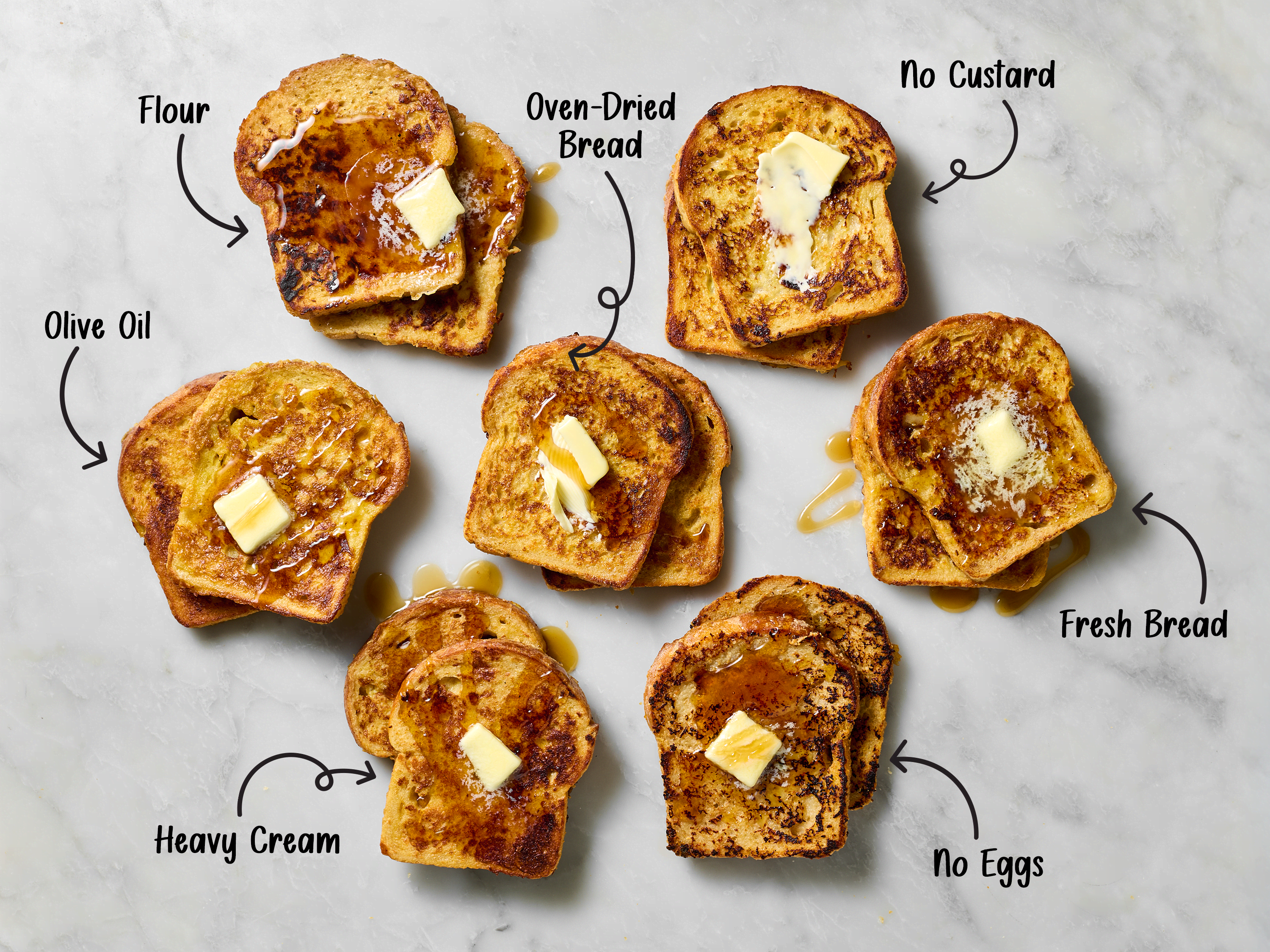
Mistake #1: Using Wet or Thin-Cut Bread
Why it fails: Moisture from fresh bread steams instead of searing. Thin slices (like standard sandwich bread) lack structural integrity and soak up too much batter.
Fix: Use 1–1.5″ thick slices of stale sourdough, brioche, or French bread. If bread is fresh, dry slices in a 250°F oven for 10 minutes first.
Mistake #2: Overcrowding the Skillet
Why it fails: Adding too many slices drops the pan temperature instantly, causing steaming and uneven cooking.
Fix: Cook 2 slices max in a 12″ skillet. Leave 1″ space between pieces for air circulation.
Mistake #3: Skipping the Batter Rest Time
Why it fails: Unrested batter doesn’t fully absorb into the bread, resulting in custardy puddles that burn.
Fix: Let dipped bread rest on a wire rack for 60 seconds per side—this allows even saturation without sogginess.
Pro-Level Flavor Boosts That Work Only in Cast Iron

Infusing Smoke Without a Grill
Cast iron’s high heat tolerance lets you safely add wood chips for subtle smokiness:
1. Place 2 soaked hickory chips in the skillet during preheating
2. Cover for 60 seconds to infuse smoke
3. Remove chips before adding oil
Works with: Applewood for sweeter profiles, mesquite for bold notes
Building Flavor Layers with Pan Drippings
After cooking the first batch, deglaze the skillet with 1 tbsp maple syrup and 2 tbsp bourbon. Simmer 2 minutes until syrupy, then brush onto subsequent slices. The residual heat caramelizes the syrup into a sticky glaze that nonstick pans can’t replicate.
Essential Post-Cook Care to Preserve Your Skillet
Cleaning Without Damaging Seasoning
- Cool completely: Never plunge hot cast iron into water (causes warping).
- Scrape gently: Use a flat metal scraper for stuck bits—never soap or steel wool.
- Rinse with hot water only: Wipe with a paper towel until water beads.
- Re-season immediately: Apply thin oil layer, heat 5 minutes, then wipe excess.
Critical note: If batter sticks severely, simmer ¼ cup water in the skillet for 2 minutes to loosen residue—not soaking.
Next-Level Variations Tested in Cast Iron
Savory Everything Bagel French Toast
Soak bread in batter with 1 tsp everything bagel seasoning. Press toasted sesame seeds onto slices before cooking. Serve with whipped cream cheese and smoked salmon.
Cinnamon Roll French Toast
Mix 2 tbsp cinnamon roll icing into the batter. Top cooked slices with toasted pecans and extra icing warmed with a splash of cream.
Final Note: Cast iron french toast isn’t just about the pan—it’s about harnessing its unique thermal properties to transform simple ingredients into something extraordinary. Master the preheat timing, respect the flip cues, and never skip the bread prep, and you’ll consistently achieve that elusive balance of crisp crust and tender interior. For long-term success, always re-season after cooking to maintain that nonstick magic. Ready to level up? Try the bourbon-maple deglaze technique next weekend—it’s the difference between good French toast and the kind that makes your family beg for seconds. And if you’re new to cast iron care, start with our 5-Minute Skillet Rescue Guide to revive older pans for perfect results.