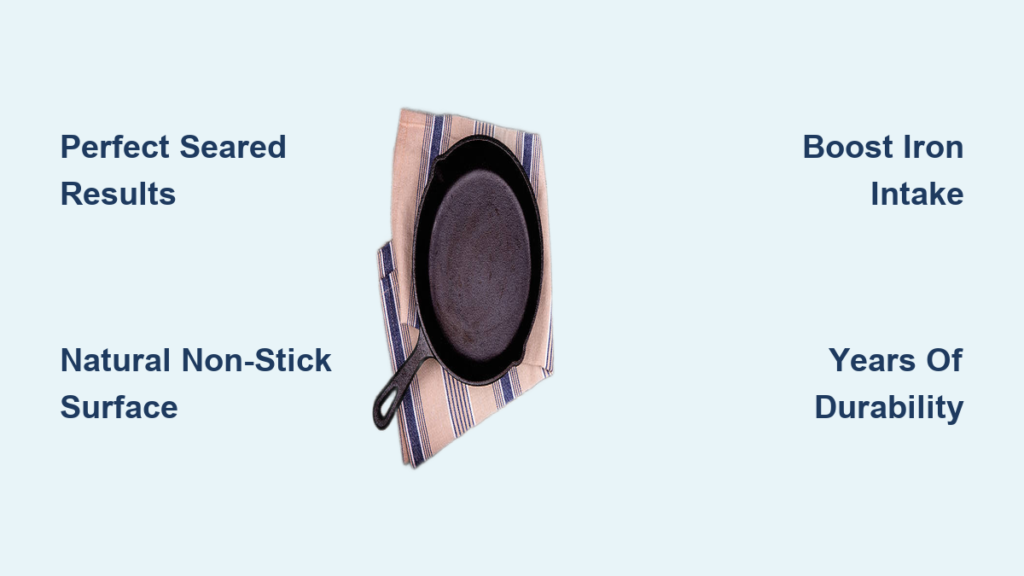
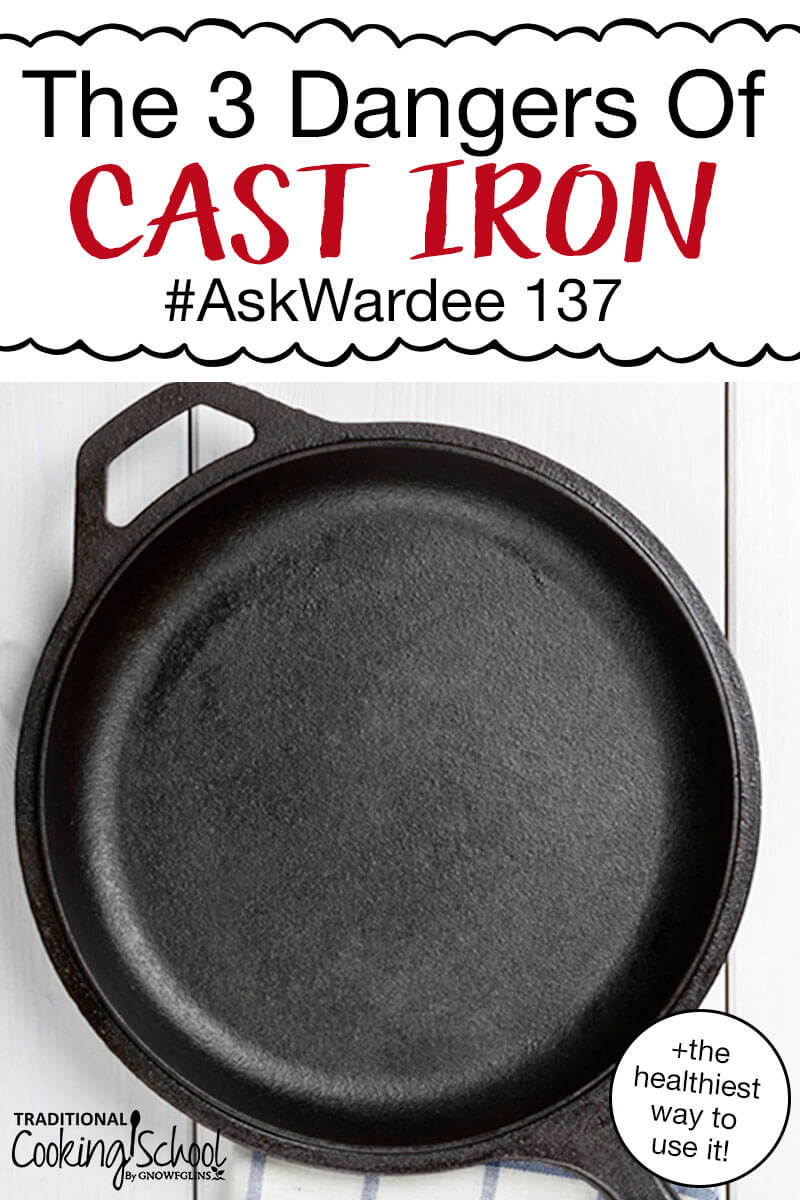
Cast iron cookware has been a kitchen staple for centuries, prized for its durability, excellent heat retention, and natural non-stick properties when properly seasoned. Millions of households rely on these heavy-duty pans daily, passing them down through generations as cherished heirlooms. Yet as health consciousness grows and consumers scrutinize every aspect of their kitchen tools, an important question emerges: could your beloved cast iron pan pose hidden health risks that most people overlook?
The concern isn’t unfounded. While cast iron offers undeniable cooking benefits, understanding potential health implications helps you make informed decisions about what you feed your family. This guide examines the real science behind cast iron pan health risks, separates fact from fiction, and provides practical steps to maximize safety while enjoying the advantages of cast iron cooking.
Iron Leaching: How Much Metal Actually Gets Into Your Food
The most frequently discussed health concern with cast iron cookware involves iron leaching—the process where iron molecules transfer from your pan into food during cooking. Cast iron is primarily composed of iron (about 95-98%), with small amounts of carbon and other elements. When you cook with these pans, particularly when preparing acidic foods or using improper techniques, iron can indeed migrate into your meals.
Research indicates that cooking tomatoes, wine, vinegar, or other acidic ingredients in bare cast iron can increase iron content in food by several milligrams per serving. For most healthy adults, this additional iron poses no problem and may even benefit those with iron-deficiency anemia. However, individuals with hemochromatosis, a condition causing excessive iron accumulation in the body, should exercise caution. Similarly, people with certain liver disorders or those taking iron supplements may need to limit cast iron usage.
How Cooking Methods Affect Iron Transfer
The amount of iron transferred varies significantly based on several factors. Newer or poorly seasoned pans tend to release more iron, as do pans with damaged seasoning layers. Cooking time matters too—longer exposure to acidic foods increases iron transfer. Temperature plays a role as well; higher heat accelerates the leaching process. Understanding these variables empowers you to minimize unnecessary iron exposure while still enjoying cast iron cooking.
Acidic Foods and Chemical Reactions: The Tomato Sauce Problem
The relationship between acidic foods and cast iron cookware represents one of the most significant health considerations for everyday cooking. Foods with low pH values—tomatoes, citrus fruits, wine, vinegar-based sauces, and fermented foods—react chemically with bare iron surfaces. This reaction occurs because acid breaks down the protective seasoning layer and directly interacts with the iron metal beneath.
Why Your Tomato Sauce Tastes Metallic
When you cook tomato sauce in an unseasoned or poorly maintained cast iron pan, you’re essentially creating a chemical reaction that introduces iron into your food while simultaneously degrading your pan’s seasoning. The result is often metallic-tasting food and accelerated wear on your cookware. More importantly, this process can significantly increase the amount of iron absorbed into your meal.
Health-conscious cooks have two primary strategies for managing this risk. First, always ensure your cast iron is properly and generously seasoned before cooking acidic foods. A robust seasoning layer acts as a barrier between the iron and your food. Second, limit cooking time for acidic dishes in cast iron—prepare quick-cooking tomato dishes rather than long-simmered sauces in your iron skillet, or reserve these recipes for stainless steel or enameled cookware.
Seasoning Chemistry: Is Your Non-Stick Layer Safe?

The seasoning process that gives cast iron its non-stick properties involves polymerizing oils onto the pan’s surface through controlled heating. This creates a protective layer that prevents food contact with raw iron while providing natural release characteristics. However, the chemistry behind seasoning raises legitimate health questions that deserve attention.
Understanding Modern Pre-Seasoned Pans
A more significant concern involves the potential presence of per- and polyfluoroalkyl substances (PFAS) in some modern “pre-seasoned” cast iron pans. These chemicals, sometimes called “forever chemicals,” have been linked to various health issues including certain cancers, liver problems, and developmental concerns. While traditional cast iron seasoning doesn’t involve PFAS, some manufacturers use these compounds to achieve immediate non-stick readiness. Savvy consumers should research specific brands and opt for pans seasoned with food-grade oils without added chemical treatments.
Who Should Avoid Cast Iron Cookware Completely
While cast iron cookware is safe for most people with proper usage, certain individuals should exercise extra caution or limit their exposure to cast iron cooking. Understanding these specific risk groups helps prevent unnecessary health complications.
Critical Health Conditions Requiring Cast Iron Avoidance
Individuals with hemochromatosis face the most significant concern. This hereditary condition causes the body to absorb and store excessive iron, potentially damaging organs including the liver, heart, and pancreas. For these individuals, even the additional iron from regular cast iron cooking could accelerate iron accumulation and worsen their condition. Medical professionals typically recommend these patients avoid cooking acidic foods in cast iron entirely.
Those with iron overload disorders or liver disease should similarly limit cast iron use, as excess iron processing places additional strain on already compromised organs. Patients on iron supplementation should also be mindful, as combining supplements with iron-leaching cookware could push iron intake above therapeutic levels.
Proper Seasoning: Your First Line of Defense
Achieving and maintaining proper seasoning is the single most important factor in minimizing health risks from cast iron cookware. A well-seasoned pan creates an effective barrier between iron and food while providing excellent non-stick performance.
Step-by-Step Safe Seasoning Process
Begin with thorough cleaning using hot water and a stiff brush—avoid soap, which can strip existing seasoning. Dry the pan completely, then apply a thin, even layer of food-grade oil with a high smoke point. Flaxseed oil has become popular for seasoning due to its polymerizing properties, though grapeseed oil and avocado oil work well too. Wipe away excess oil until no visible residue remains; this thin layer is essential for proper polymerization.
Place the oiled pan upside down in an oven preheated to 400-450°F, with a baking sheet on the lower rack to catch any drips. Bake for one hour, then allow the pan to cool completely inside the oven. This slow cooling prevents thermal shock and allows the oil to fully cure. Repeat the process 3-4 times for a robust initial seasoning.
Maintenance Practices That Protect Your Health
Proper maintenance extends beyond seasoning to encompass all aspects of cast iron care. Neglected pans develop rust, damaged seasoning, and accumulated residues that can compromise food safety and introduce unwanted substances into your cooking.
Daily Care for Maximum Safety
Rust prevention is paramount—iron oxide (rust) isn’t inherently toxic in small amounts, but it destroys your pan’s seasoning and creates an unpleasant cooking environment. Always dry your cast iron immediately and completely after washing. Apply a thin oil layer while the pan is still warm to create a protective moisture barrier. Store pans in a dry location with adequate air circulation to prevent moisture accumulation.
Avoid these common mistakes that compromise cast iron safety: don’t soak pans in water for extended periods; don’t use dish soap regularly (occasional mild soap won’t destroy seasoning, but frequent use degrades it over time); don’t store food in cast iron containers; and don’t use metal utensils that can scratch and damage seasoning.
When Your Cast Iron Pan Has Reached Its Limit
Even the most well-maintained cast iron pan eventually reaches a point where replacement becomes the healthier choice. Recognizing these signs prevents continued exposure to potential risks associated with damaged or degraded cookware.
Warning Signs It’s Time to Replace
Severe rust that penetrates beyond surface level compromises the pan’s structural integrity and seasoning potential. While light surface rust can be removed and re-seasoned, deep rust affecting the pan’s core suggests it’s time for replacement.
Persistent metallic taste in food, even after thorough cleaning and re-seasoning, suggests ongoing iron leaching from damaged areas. This isn’t merely unpleasant—it indicates your pan is introducing elevated iron levels into your meals.
Cracks or warping indicate structural damage that affects cooking performance and may create uneven heating or stress points where seasoning cannot adhere properly.
Cast iron cookware, when properly maintained and used appropriately, remains a safe and valuable addition to most kitchens. By understanding the real health considerations—iron leaching, acidic food reactions, and seasoning chemistry—you can make informed decisions that protect your wellbeing while enjoying the exceptional cooking performance these timeless pans provide. Balance cast iron’s benefits against your individual health needs, maintain your pans diligently, and you’ll continue enjoying generations-old cooking traditions safely for years to come. For those with specific health concerns, enameled cast iron offers an excellent alternative that delivers similar cooking performance without the iron leaching concerns of traditional bare cast iron.