Imagine pulling a perfectly braised short rib from your oven—tender enough to cut with a fork, bathed in a rich, complex sauce that developed slowly over hours without constant monitoring. Or picture golden, crispy-edged cornbread emerging from your stovetop, its texture ideal because your pan maintained consistent heat throughout baking. This is the everyday reality for cooks who’ve embraced enameled cast iron. Unlike traditional cast iron requiring meticulous seasoning, these vibrant pieces deliver exceptional heat retention and even cooking while handling acidic ingredients like tomatoes and wine without flavor transfer. Cooking with enameled cast iron bridges the gap between professional kitchen performance and home cooking convenience, offering versatility that transforms simple ingredients into memorable meals with less effort than most cookware demands.
Why Your Weeknight Dinners Need Enameled Cast Iron
Enameled cast iron’s magic lies in how it solves the fundamental trade-off between cooking performance and maintenance. Traditional cast iron delivers legendary heat retention but reacts with acidic foods and demands careful seasoning. Enameled versions preserve all the thermal benefits while adding a glass-like coating that won’t rust, doesn’t require seasoning, and handles tomato sauces without metallic aftertastes. The thick walls and tight-fitting lids create an oven-like environment that traps moisture and distributes heat evenly—critical for slow-cooked dishes where temperature consistency determines success.
When searing meats for braising, you’ll notice how evenly the surface browns without hot spots that cause uneven cooking. This consistent heat means less babysitting during long cooking times, as the pot maintains temperature remarkably well even when you add cold ingredients. For acidic dishes like coq au vin or beef bourguignon, the nonreactive surface preserves the intended flavor profile without metallic undertones that bare cast iron sometimes imparts. The smooth interior also releases food more easily than raw cast iron, reducing the oil needed for cooking and making cleanup significantly simpler—just soap, water, and a sponge rather than the careful drying and oiling traditional cast iron demands.
Must-Have Enameled Cast Iron Pieces for Everyday Cooking
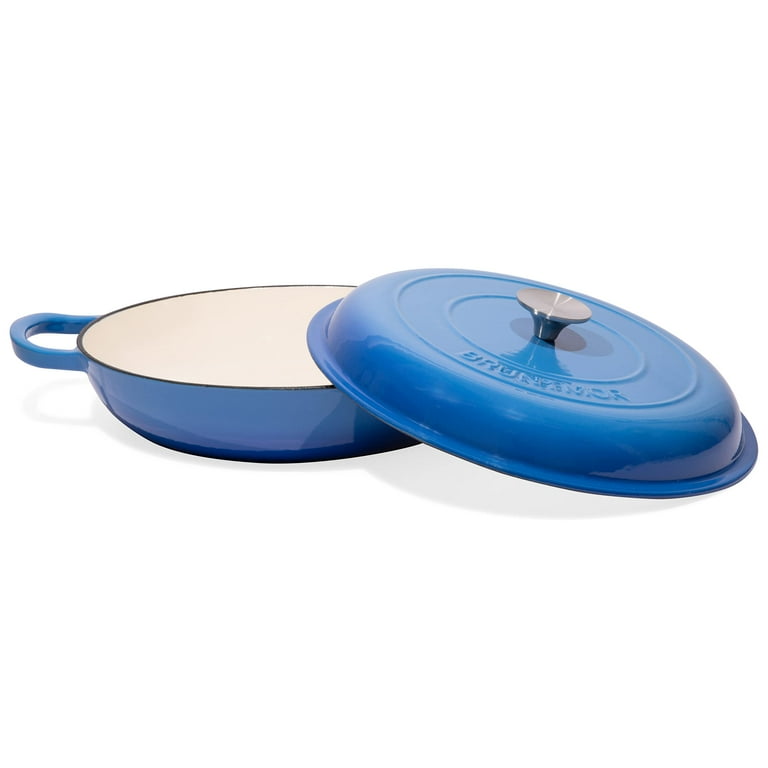
Building a practical collection starts with understanding which shapes serve your most frequent cooking needs rather than accumulating pieces that rarely see use.
Your Dutch oven becomes the undisputed workhorse, handling everything from braising tough cuts of meat to baking artisan bread. Sizes typically range from 2-quart versions perfect for side dishes to 7-quart models for family meals. Lighter interior colors help monitor browning, while darker shades mask stains from tomato-based dishes. For most home kitchens, a 5-6 quart Dutch oven provides the ideal balance of capacity and versatility.
Braisers deserve consideration if you frequently make dishes requiring initial browning before liquid addition. Their wider, shallower profile exposes more food surface area, promoting better fond development—the caramelized bits that build flavor depth in sauces. This shape excels for recipes like chicken thighs with mushrooms and wine, where maximizing surface contact with the hot cooking surface creates richer pan sauces.
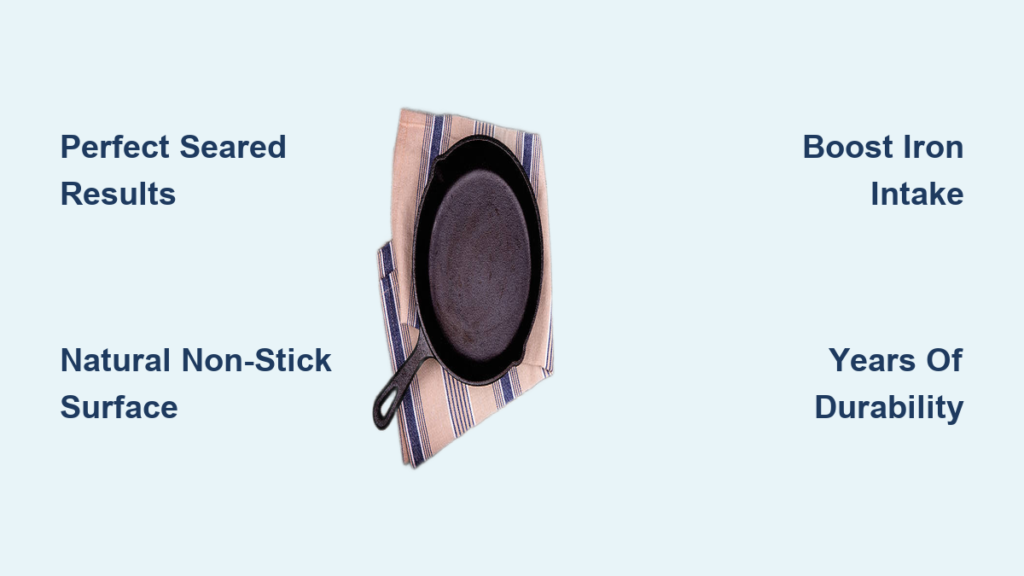
Enameled skillets prove invaluable for stovetop-to-oven applications like cornbread or frittatas. They handle acidic ingredients that would react with bare cast iron while delivering the crispy edges enthusiasts prize. The enamel surface also makes these skillets ideal for cooking delicate proteins like fish that might stick to traditional cast iron.
Master the Art of Braising in Your Dutch Oven
Browning before braising transforms good meals into exceptional ones when cooking with enameled cast iron. Start by patting meats dry and seasoning generously—moisture prevents proper browning. Heat your empty Dutch oven over medium-high until a drop of water sizzles immediately, then add just enough oil to coat the bottom. Brown in batches, allowing each piece three to four minutes before turning; resist the urge to move food prematurely as it will release naturally when properly seared.
Avoid these common braising mistakes:
– Crowding the pot (leads to steaming instead of browning)
– Adding cold meat to a scorching hot pot (causes uneven cooking)
– Skimping on browning time (sacrifices flavor development)
– Using high heat throughout cooking (causes toughening rather than tenderizing)
After removing browned meat, build flavor by cooking aromatics like onions and garlic in the residual fat, scraping up the fond as they cook. Add your braising liquid—wine, stock, or tomatoes—bring to a simmer, then return the meat to the pot. The tight-fitting lid traps steam while allowing slow reduction, creating the perfect humid environment for tough cuts to transform into fork-tender masterpieces. Most braises cook beautifully at 275°F-325°F for 2-4 hours, with the Dutch oven maintaining temperature consistently so you won’t need to adjust heat settings.
Transformative Dutch Oven Recipes You’ll Make Weekly
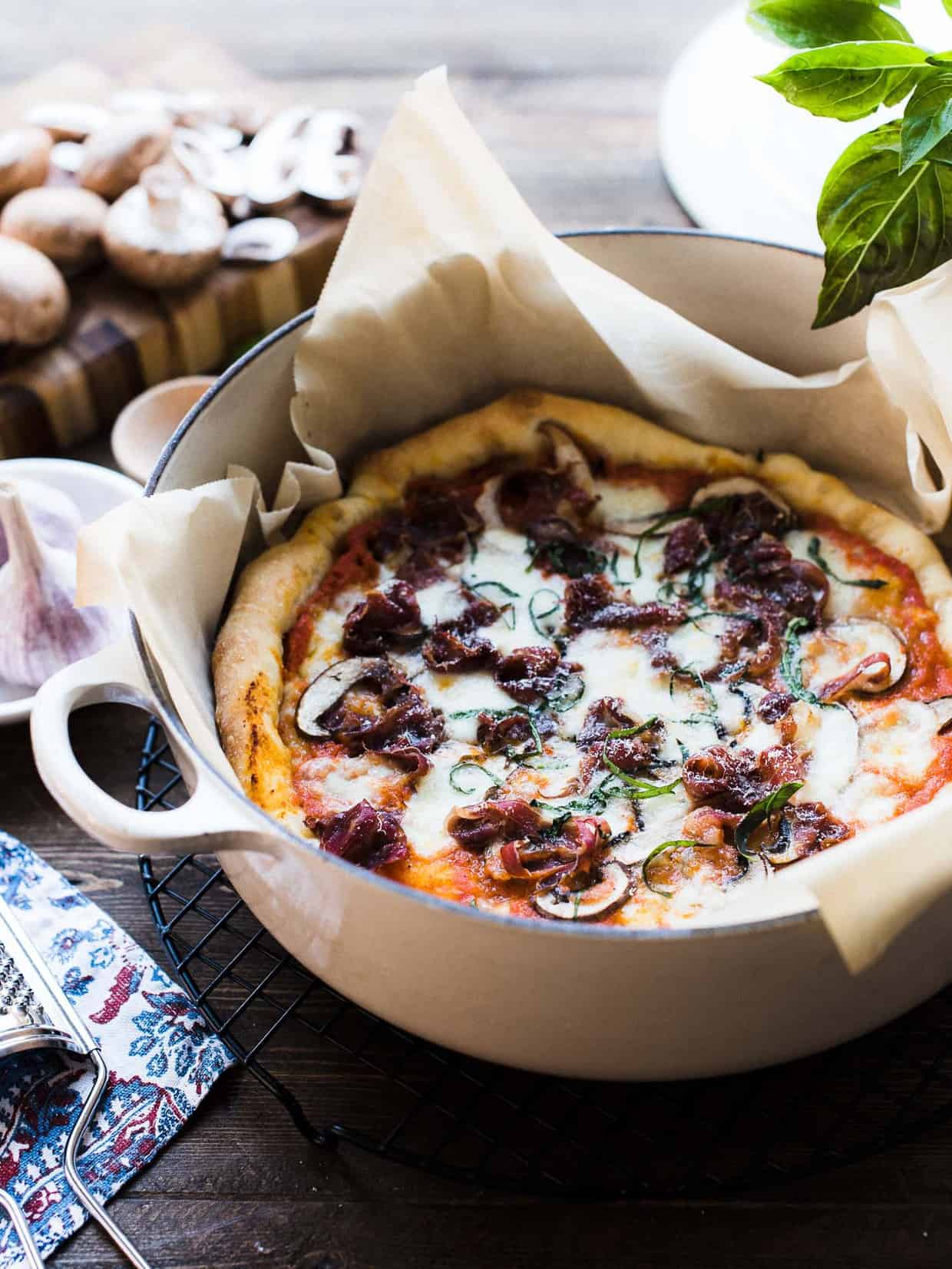
The Dutch oven’s versatility extends far beyond traditional braises to dishes that deliver restaurant-quality results with minimal effort.
Dutch oven pizza has revolutionized home pizza making. The enclosed environment traps steam during the initial baking phase, allowing the crust to puff up while the hot enamel surface creates a crispy, golden bottom. Simply stretch store-bought or homemade dough in a preheated Dutch oven, top with sauce and cheese, and bake covered for 15-18 minutes at 450°F. The results rival wood-fired pizzerias without special equipment.
Tortellini with creamy pasta sauce showcases how enameled cast iron handles delicate dairy-based sauces. Unlike thinner pots where hot spots cause butter to separate or cheese to clump, the even heating allows cream to incorporate smoothly. Cook tortellini separately, prepare the sauce in your Dutch oven over medium-low heat, then finish by tossing everything together—the starchy pasta water creates a silky coating that clings perfectly.
Hummingbird crumble transforms the beloved Southern cake into a weeknight-friendly dessert. The Dutch oven’s wide surface allows the crumble topping to brown beautifully while the banana-pineapple filling bubbles and thickens below. Bake at 350°F for 30-35 minutes until golden and bubbling, then serve directly from the pot with whipped cream or ice cream.
Essential Care Tips for Lasting Performance
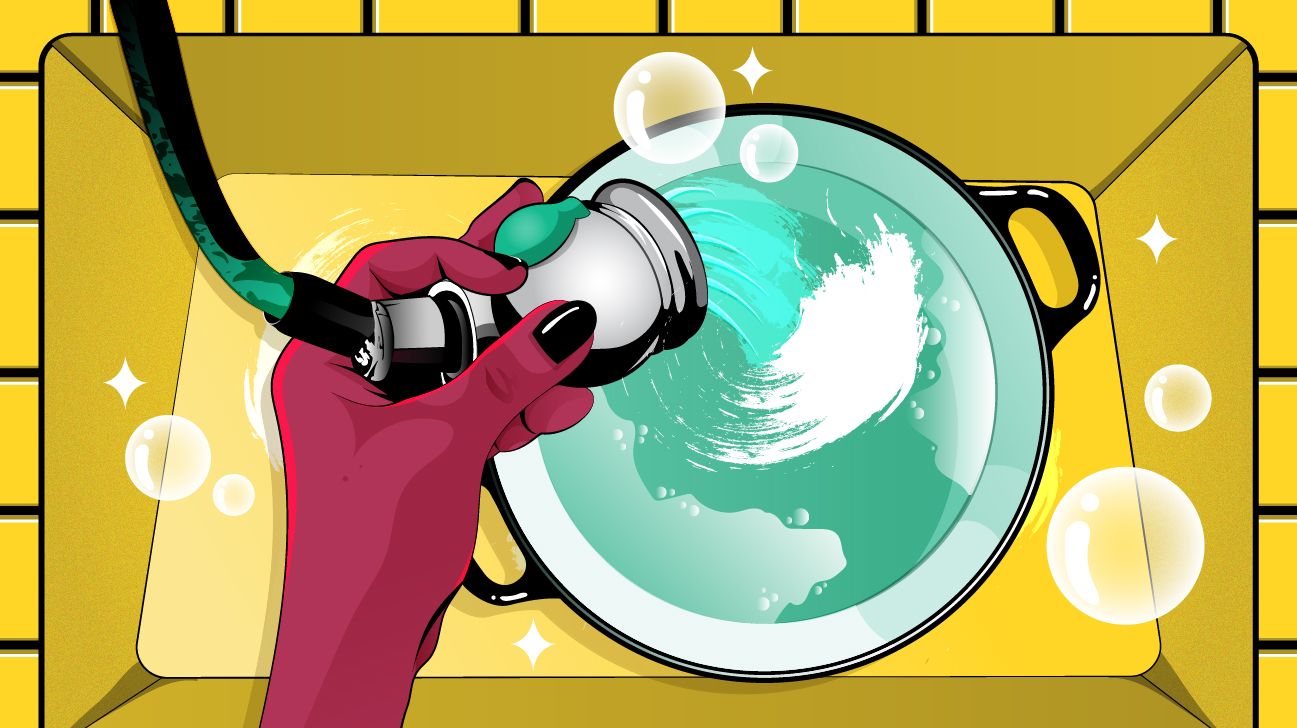
Proper care ensures your enameled cast iron delivers decades of service with minimal maintenance compared to traditional cast iron.
Cleaning requires no special techniques—simply wash with soap and warm water after cooking. For stubborn residue, soak in warm water for 30-60 minutes before gentle scrubbing with a non-abrasive sponge. Unlike bare cast iron, these pieces welcome soap without concern for damaging the cooking surface.
Prevent these common damage scenarios:
– Thermal shock: Never place a hot pot on a cold, wet surface or add cold liquid to an extremely hot vessel
– Metal utensils: Switch to silicone, wood, or plastic to prevent scratches that accumulate over time
– Improper storage: Stack pieces with cloth or paper towel barriers to prevent chipping at contact points
– Extended acidic food storage: Transfer leftovers to nonreactive containers rather than leaving in the pot overnight
Dry thoroughly after washing, especially around rims and handles where bare cast iron may be exposed. While the cooking surface remains protected, these areas can rust if left damp. A brief stint on low heat after washing ensures complete drying before storage.
Unlock Your Cookware’s Full Potential
Cooking with enameled cast iron delivers professional results through superior heat retention, even distribution, and nonreactive surfaces—all with surprisingly low maintenance. Whether you’re braising short ribs until they melt in your mouth, baking crusty artisan bread, or whipping up a last-minute chocolate dessert, these versatile pieces transform ordinary ingredients into extraordinary meals. The initial investment pays dividends in cooking capability and meal quality, making enameled cast iron a centerpiece in kitchens worldwide. Start with one quality Dutch oven, master the art of proper browning, and discover why generations of cooks have trusted cast iron—now made accessible for modern kitchens. Your most impressive meals might be just a pot away.