Iron deficiency affects millions worldwide, yet many struggle to find the right iron supplement that works for their body. Understanding the different types of iron tablets available is crucial for effectively addressing low iron levels while minimizing uncomfortable side effects. When your doctor prescribes iron tablets, you’ll likely encounter multiple options with varying formulations, each offering distinct benefits and challenges. This guide breaks down every major type of iron tablet so you can work with your healthcare provider to select the supplement that best matches your specific needs, digestive tolerance, and lifestyle requirements.
Choosing the right iron tablet goes beyond simply accepting the first prescription you receive. The type of iron compound determines how well your body absorbs the mineral, how likely you are to experience digestive discomfort, and whether the supplement fits within your budget. Some forms work better on an empty stomach, while others can be taken with food to minimize nausea. Certain formulations are specifically designed for people with sensitive stomachs, while others deliver higher doses for more severe deficiencies. This comprehensive overview details each major iron tablet type so you can make informed decisions about your supplementation.
Ferrous Sulfate: The Most Common Iron Tablet

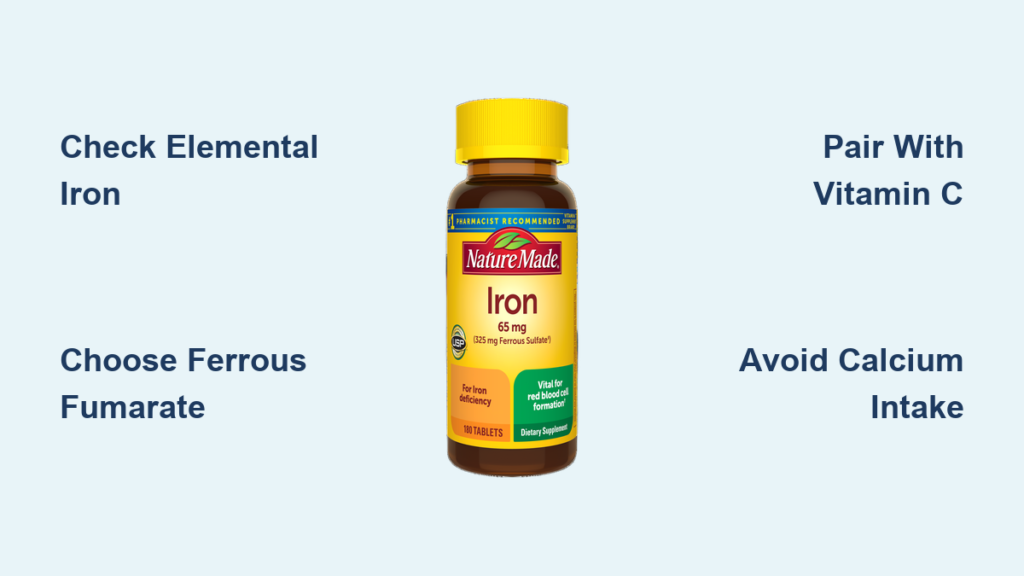
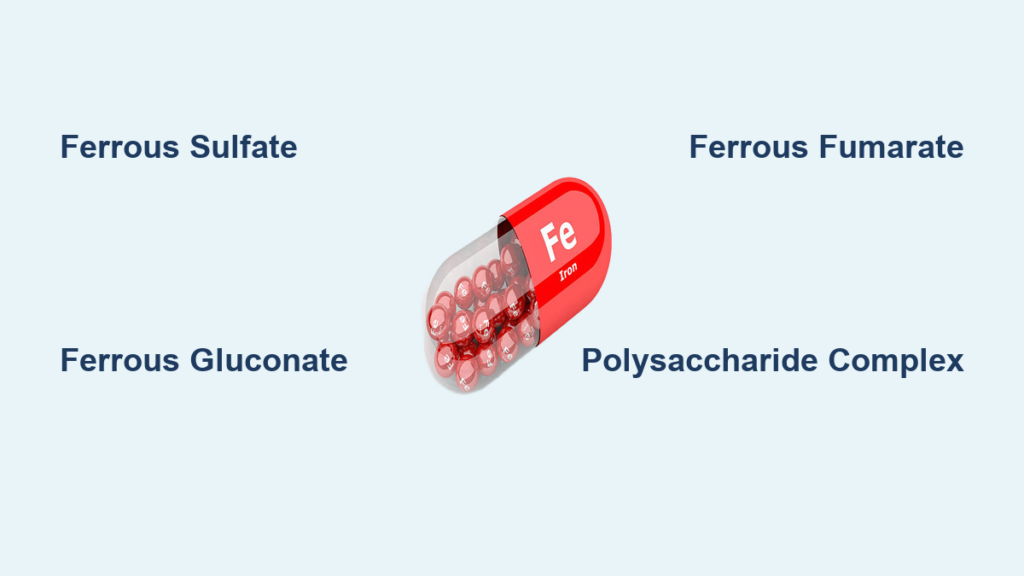
Ferrous sulfate remains the go-to iron tablet prescribed by healthcare providers worldwide due to its proven effectiveness and affordability. Each 325-milligram tablet delivers approximately 65 milligrams of elemental iron, making it highly efficient for replenishing iron stores. Medical professionals frequently recommend this formulation because decades of clinical evidence support its ability to raise hemoglobin levels when taken consistently.
Despite its effectiveness, ferrous sulfate causes noticeable gastrointestinal side effects in 10-20% of users, including nausea, constipation, and stomach cramps. These uncomfortable reactions lead many people to stop taking their medication, defeating the purpose of treatment. Taking ferrous sulfate with food reduces these symptoms but decreases absorption by 40-66%. Consider these strategies if you’re prescribed ferrous sulfate:
- Take your dose with a small amount of food if stomach upset occurs
- Pair with vitamin C (like orange juice) to boost absorption
- Split your daily dose into two smaller tablets taken morning and evening
- Take your dose at bedtime to potentially minimize daytime nausea
Ferrous Gluconate: Better Tolerance Option
Ferrous gluconate offers a gentler alternative for individuals who cannot tolerate ferrous sulfate’s gastrointestinal effects. With only 12% elemental iron content, you’ll need to take approximately two to three 300-milligram tablets to match the iron content of one ferrous sulfate tablet. This lower concentration per tablet translates to reduced digestive discomfort for many users.
This formulation particularly benefits people with sensitive stomachs, those prone to constipation, or anyone who has experienced significant discomfort with other iron tablets. Many healthcare providers recommend switching to ferrous gluconate when patients report persistent nausea that interferes with consistent medication use. While ferrous gluconate typically costs more per milligram of elemental iron, the improved tolerability often leads to better treatment adherence and ultimately better health outcomes.
Ferrous Fumarate: High-Potency Iron Tablet
Ferrous fumarate provides one of the highest concentrations of elemental iron among common oral supplements, with approximately 33% elemental iron content. A standard 300-milligram tablet delivers about 100 milligrams of usable iron, making it valuable when healthcare providers need to deliver substantial iron doses efficiently.
This concentrated formula benefits individuals with significant iron deficiency who need rapid repletion of iron stores. Athletes with borderline anemia, pregnant women with severe deficiency, and people recovering from blood loss often respond well to ferrous fumarate. The ability to achieve therapeutic iron intake with fewer pills simplifies supplementation routines, particularly for those managing multiple medications.
However, the high iron concentration means gastrointestinal side effects may be more pronounced compared to lower-concentration options. Taking ferrous fumarate with food becomes more important for many users, though this reduces absorption. Some formulations combine ferrous fumarate with other ingredients to enhance absorption or reduce side effects, so carefully reading labels helps you select products optimized for your specific needs.
Polysaccharide Iron Complex: Reduced Side Effects Formula
Polysaccharide iron complex represents a newer generation of iron tablets that bind iron to a sugar molecule, creating a compound designed to mimic how iron is stored naturally in the body. This formulation releases iron gradually through the digestive tract, potentially reducing the free iron that causes gastrointestinal irritation.
Clinical evidence shows polysaccharide iron complex produces fewer episodes of nausea, constipation, and stomach upset while still improving iron status over time. The gradual release mechanism may also result in more sustained absorption, potentially allowing for better utilization of the iron by your body rather than rapid excretion.
The primary drawback involves cost and availability. These formulations typically cost significantly more than conventional iron tablets and may require ordering through specialty pharmacies. For individuals who have failed to tolerate other iron formulations or who require long-term supplementation, the improved tolerability may justify the additional investment in health and quality of life.
Carbonyl Iron: Slow-Release Alternative
Carbonyl iron uses microscopic iron particles that release their content gradually as they pass through the gastrointestinal tract. Unlike traditional iron salts that dissolve quickly, carbonyl iron significantly reduces the concentration of free iron that triggers digestive distress.
This slow-release nature makes carbonyl iron particularly suitable for people who experience significant side effects with immediate-release formulations. Studies indicate carbonyl iron produces fewer gastrointestinal symptoms while still providing adequate iron absorption over time. The gradual release may also reduce the formation of free radicals that can occur when large amounts of iron accumulate in the intestinal lumen.
Dosage considerations differ for carbonyl iron compared to other supplements. The absorption mechanism means higher total doses may be necessary to achieve therapeutic effects, though the reduced side effect profile often offsets this for people struggling with tolerability. Taking carbonyl iron on an empty stomach typically enhances absorption, though food can be added if gastrointestinal tolerance becomes an issue.
Heme Iron Polypeptide: Highest Absorption Rate

Heme iron polypeptide stands apart by deriving from animal sources, mimicking the form of iron found naturally in hemoglobin. This formulation consists of iron bound to a polypeptide chain, allowing absorption through a different pathway than non-heme iron. Research indicates heme iron can be absorbed two to three times more efficiently than comparable doses of ferrous sulfate.
The enhanced absorption means lower doses can achieve therapeutic effects, potentially reducing treatment duration and side effects. People with celiac disease, inflammatory bowel disease, or other conditions affecting nutrient absorption often benefit significantly from heme iron formulations.
The primary limitation involves its animal source and corresponding cost. Vegetarians and vegans cannot use this formulation, and religious dietary restrictions may apply. The production process results in higher prices compared to conventional iron tablets, though many users find the improved absorption and tolerability justify the investment.
Timing and Absorption Optimization Tips
The timing of your iron tablet significantly impacts how much your body actually absorbs. For optimal absorption, take iron on an empty stomach approximately one hour before meals or two hours after meals. However, balance this with tolerability, as gastrointestinal distress that leads to missed doses undermines treatment goals.
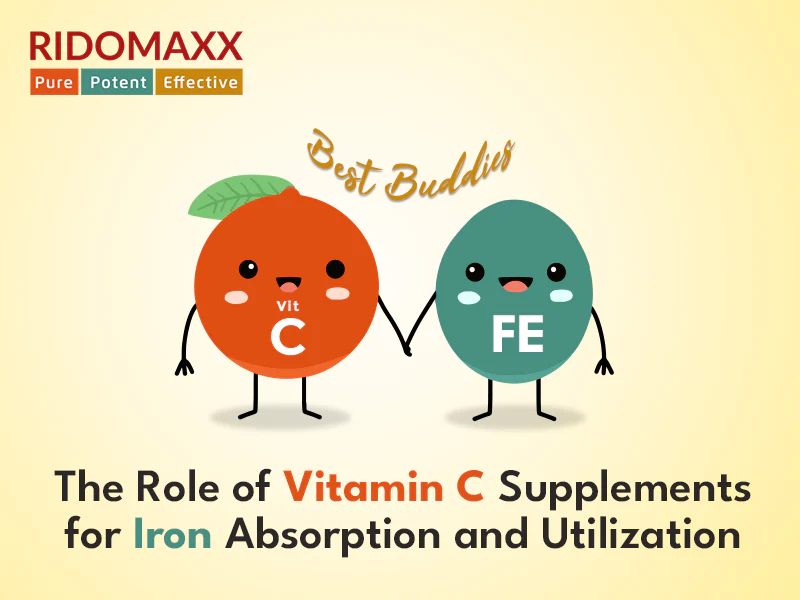
Boost absorption dramatically by taking your iron tablet with vitamin C, which converts ferric iron to the more absorbable ferrous form. A glass of orange juice or vitamin C supplement can increase absorption by 67-400%. This simple strategy allows you to achieve therapeutic iron levels with lower supplemental doses.
Avoid these absorption inhibitors by separating them from your iron tablet by at least two hours:
– Calcium supplements and dairy products
– Antacids and proton pump inhibitors
– Coffee, tea, and wine containing polyphenols
Special Considerations for Different Groups
Pregnant women have increased iron requirements that often necessitate supplementation. During pregnancy, tolerability becomes critical as nausea and constipation already challenge many expecting mothers. Lower-dose, more frequent supplementation or switching between formulations as tolerance changes throughout pregnancy may be necessary.
Children and adolescents require careful dose adjustment based on age and weight, with pediatric formulations often using liquid preparations or chewable tablets designed for palatability and safety. Tolerability becomes even more critical when dealing with picky eaters or children who may refuse supplements that cause discomfort.
Elderly individuals face multiple challenges with iron supplementation, including reduced stomach acid production that impairs iron absorption, increased prevalence of gastrointestinal conditions, and polypharmacy creating numerous potential drug interactions. Lower-dose formulations or heme iron polypeptide for those with absorption issues can help elderly patients achieve therapeutic benefits while minimizing complications.
When to Consult Your Healthcare Provider
Iron deficiency should be confirmed through appropriate blood testing before starting supplementation, as fatigue and other symptoms can arise from numerous causes. Self-diagnosing and self-treating can mask serious underlying conditions while potentially causing harm from inappropriate supplementation.
Work with your healthcare provider to navigate the complex factors influencing iron supplement selection, including deficiency severity, underlying causes, concurrent medications, and previous experiences. Regular monitoring through follow-up blood tests ensures your supplementation remains appropriate as your body rebuilds iron stores.
Certain symptoms warrant immediate medical attention rather than self-treatment: chest pain, difficulty breathing, sudden severe fatigue, or symptoms suggesting internal bleeding. Iron supplementation without proper medical guidance can also be dangerous for individuals with certain genetic conditions, liver disease, or infections.