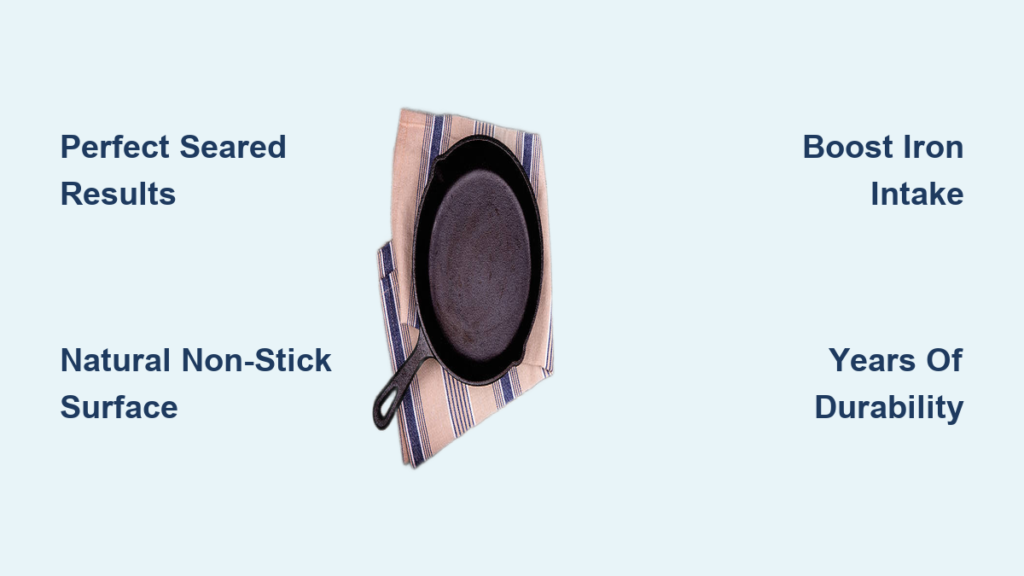
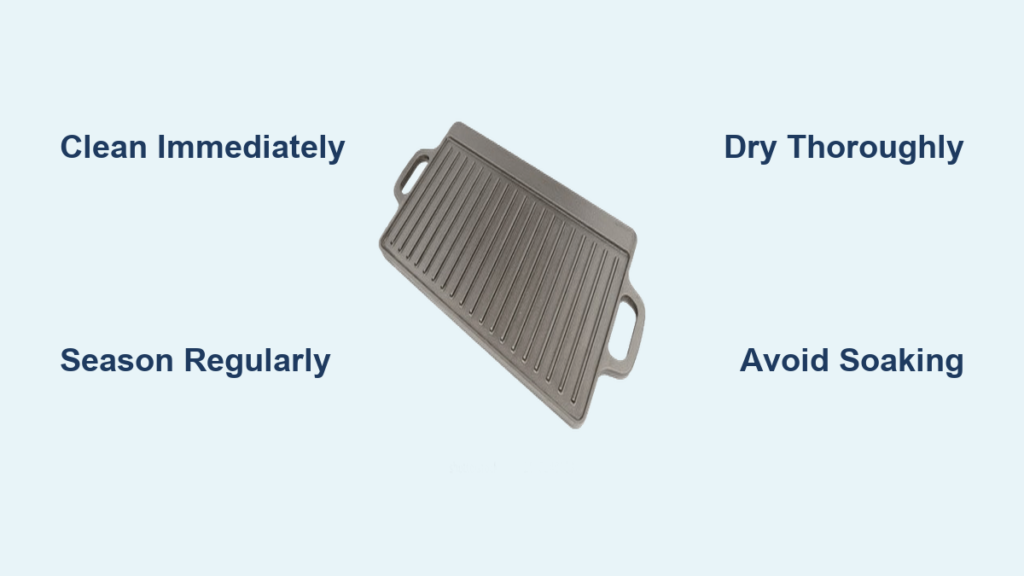
Nothing beats the even heat distribution and naturally nonstick surface of a well-maintained cast iron griddle. These versatile cooking surfaces transform from rough, rust-prone metal into smooth, reliable kitchen companions with proper care. Yet many home cooks hesitate to use cast iron because they’ve heard horror stories about difficult maintenance or ruined seasoning. The truth is simpler: with the right techniques after each use, your cast iron griddle will develop a beautiful patina that improves cooking performance over time. This guide reveals the exact steps professional chefs and seasoned cast iron enthusiasts use to keep their griddles in peak condition for generations.
Clean Your Griddle After Every Cooking Session
Proper cleaning immediately after cooking prevents the most common cast iron problems and takes less time than scrubbing a stainless steel pan. Many home cooks mistakenly believe soap will destroy their seasoning, but modern mild dish soaps won’t harm a well-established patina when used correctly. The real threats are prolonged water exposure, harsh abrasives, and improper drying techniques that lead to rust formation.
Immediate Post-Cooking Cleaning Process:
Let your griddle cool for five minutes after cooking—enough to become warm but not hot—to prevent thermal shock that could crack the iron. While still warm, sprinkle coarse kosher salt over any stuck-on food particles and use a stiff nylon brush to scrub in circular motions. The salt acts as a gentle abrasive that lifts food without scratching your seasoning. For particularly stubborn residue, add a tablespoon of water to create a cleaning paste that helps release baked-on bits.
Rinse thoroughly with warm water while the griddle remains warm, then dry immediately with a clean cotton towel. Pay special attention to the edges and handle where moisture collects. Place the dry griddle back on the burner over low heat for two minutes to evaporate any hidden moisture before storing. This simple routine prevents 95% of cast iron problems before they start.
Season Your Griddle for Optimal Nonstick Performance
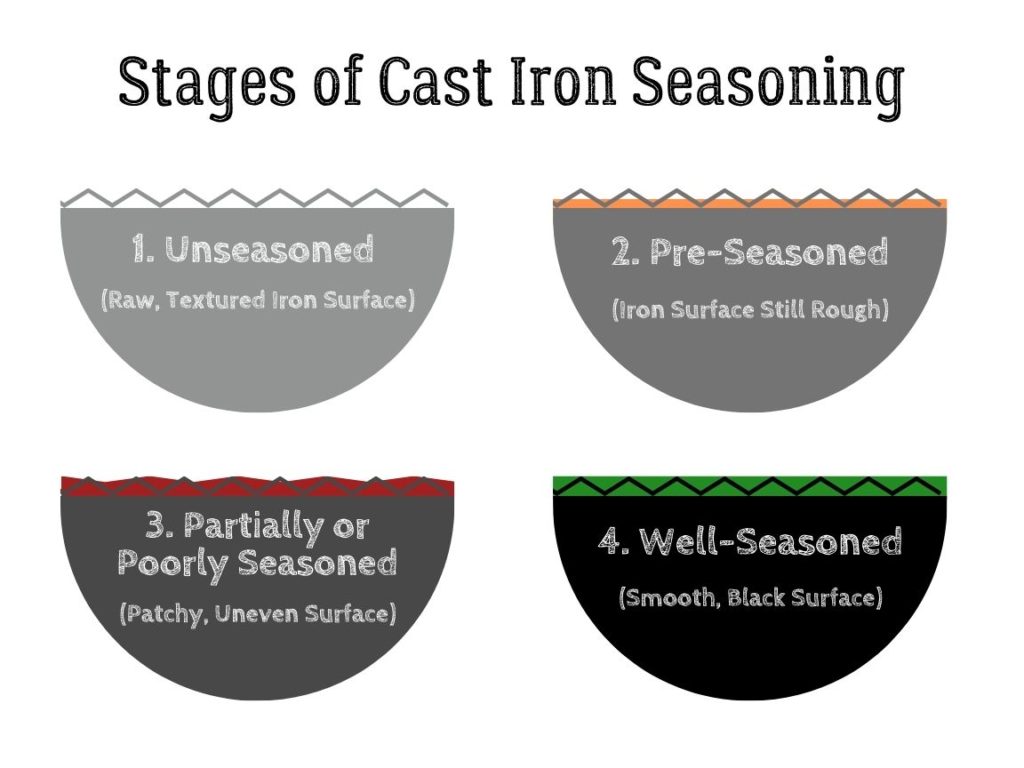
Seasoning creates the polymerized oil layer that transforms rough cast iron into a naturally nonstick cooking surface, and understanding this chemical process helps you maintain it effectively. When oil reaches its smoke point on cast iron, it breaks down and bonds with the metal surface, creating a hard, slick coating that repels food and prevents rust. New griddles need this initial treatment, while established cookware requires periodic re-seasoning to maintain peak performance.
First-Time Seasoning Technique:
Wash your new griddle with warm water and mild soap to remove factory coatings, then dry completely with a towel. Place it on the stovetop over medium heat for three minutes to eliminate all moisture. Apply a thin layer of high-smoke-point oil like grapeseed or flaxseed using a paper towel, coating the entire cooking surface including edges. Heat on medium until the oil smokes lightly, maintaining this temperature for 15 minutes. Turn off the heat and let cool completely—this creates one seasoning layer. Repeat this process three times for a robust initial seasoning that resists sticking from day one.
Maintenance Seasoning Schedule:
Check your seasoning monthly by looking for dull spots or areas where food sticks more than usual. When needed, clean the griddle thoroughly, dry completely, and apply a thin oil layer. Heat on medium until smoking, then cool. Frequent users should perform this quick re-seasoning every 4-6 weeks, while occasional users might need it monthly. Remember that regular cooking with fats naturally enhances seasoning—your griddle actually improves with proper use.
Eliminate Rust Before It Damages Your Griddle
Rust forms when bare cast iron contacts oxygen and moisture, but catching it early makes removal simple and prevents permanent damage to your cookware. Unlike stainless steel, cast iron has no corrosion-resistant alloy layer—your seasoning is the only protection against oxidation. The key is addressing rust spots immediately before they penetrate deep into the metal structure.
Effective Rust Removal Method:
For surface rust, scrub the affected area with fine steel wool or a chainmail scrubber until the metal appears silver again. Rinse thoroughly, then dry completely with a towel followed by two minutes on low heat. Immediately apply a thin layer of oil and heat until smoking to re-season the exposed area. For stubborn rust, create a vinegar-water solution (1:1 ratio), submerge the rusted area for no more than 15 minutes, then scrub and re-season. Never leave cast iron soaking in vinegar—this can etch the metal surface.
Prevention Through Proper Storage:
Store your completely dry griddle in a climate-controlled cabinet with good air circulation—never in damp basements or garages. Place a paper towel inside the cooking surface to absorb ambient moisture, replacing it monthly. If stacking cookware, always place a protective layer between items to prevent scratches that expose bare metal. In humid environments, consider storing your griddle with a moisture-absorbing packet designed for tool storage.
Remove Stubborn Food Residue Without Damaging Seasoning

Even well-maintained cast iron occasionally develops stuck-on food that seems impossible to remove without harming the seasoning. The temptation to use harsh methods often does more damage than the residue itself. Understanding why food sticks—usually insufficient preheating or cooking with too little fat—helps prevent the problem before it starts.
Gentle Residue Removal Process:
For baked-on food, return the griddle to low heat and add ¼ cup of water while still warm. Let the steam loosen residue for 2-3 minutes, then scrape gently with a wooden spatula working from the edges inward. For particularly stubborn spots, make a paste of baking soda and water, apply to problem areas, and let sit for 20 minutes before soft-bristled brushing. Never use metal scrapers on hot cast iron—they can gouge the seasoning and create rough spots where future food will stick.
Recovery After Deep Cleaning:
After removing significant residue, inspect the cooking surface for bare metal spots. If you see iron larger than a quarter, re-season that area immediately. Apply a thin oil layer to the affected spot, heat until smoking, then cool. This targeted re-seasoning prevents rust while maintaining the rest of your established patina. Remember that occasional deep cleaning is normal maintenance—not a failure of your care routine.
Avoid These 5 Costly Cast Iron Mistakes

Learning what not to do protects your investment as much as knowing proper techniques. Many home cooks unknowingly damage their griddles through common misconceptions that lead to ruined seasoning or permanent rust damage.
Critical Cleaning Errors to Avoid:
Never soak your cast iron in water—even for 10 minutes—as this allows moisture to penetrate microscopic pores where rust begins. Skip the dishwasher entirely; detergent and prolonged moisture destroy seasoning rapidly. Avoid steel wool except for rust removal, as regular use creates micro-scratches where food sticks. While some believe soap damages seasoning, modern mild dish soaps used sparingly won’t harm a well-established patina—it’s the soaking and harsh abrasives that cause real damage.
Dangerous Cooking Practices:
Don’t cook highly acidic foods like tomato sauce in new or lightly seasoned griddles, as acids break down seasoning over time. Never preheat empty cast iron on high heat—this burns off seasoning and can warp the metal. Avoid thermal shock by not placing a hot griddle on cold surfaces or running cold water over a hot pan. When cooking with delicate foods, ensure your griddle is properly preheated and adequately oiled to prevent sticking that leads to aggressive scrubbing later.
Extend Your Griddle’s Lifespan for Generational Use
A properly maintained cast iron griddle improves with age, developing a deeper, more resilient seasoning that provides superior cooking performance decade after decade. Unlike modern nonstick coatings that degrade over time, cast iron seasoning becomes more valuable with proper care, creating a natural nonstick surface that actually enhances with regular use.
Daily Maintenance Habits:
Wipe your griddle with a paper towel while still warm after cooking to remove excess oil and food particles before they harden. Keep a dedicated cast iron brush near your stove for quick cleaning that takes less than two minutes. Store your griddle in a dry location where it won’t be disturbed by other cookware. These small habits require minimal effort but compound into decades of reliable performance.
Long-Term Care Strategy:
Inspect your griddle monthly under good lighting for thin seasoning spots or early rust formation. Keep a simple log of when you re-season or perform deep cleaning to establish a maintenance rhythm. Consider passing your griddle to the next generation with care instructions—it will carry the cooking history that makes vintage cast iron so treasured. With consistent care, your griddle will develop that coveted black patina that cooks everything from pancakes to steak with perfect results.
Cast iron griddle care requires consistency, not complexity. By cleaning promptly after each use, maintaining thorough drying procedures, re-seasoning when needed, and avoiding common mistakes, your griddle will serve your family for generations. The five to ten minutes of weekly maintenance is a small investment for cookware that literally lasts a lifetime. Remember that every scratch, every re-seasoning, and every meal cooked contributes to your griddle’s unique character—making it not just a cooking tool, but a culinary heirloom that improves with age.