Feeling constantly tired despite getting enough sleep? Struggling with brittle nails and unusual hair loss? For vegetarians, these could be signs of iron deficiency—the most common nutritional concern in plant-based diets. While many believe meat is essential for proper iron intake, vegetarians can absolutely meet their iron needs with strategic food choices and smart pairing techniques. The key difference lies in understanding how your body processes plant-based iron versus animal-based iron. Non-heme iron from plants requires specific strategies to maximize absorption, but once you master these techniques, maintaining healthy iron levels becomes effortless. This guide reveals exactly how to get enough iron as a vegetarian without supplements, including the highest-iron plant foods, absorption-boosting combinations, and common mistakes that sabotage your efforts.
Maximize Non-Heme Iron Absorption Immediately
The critical factor in vegetarian iron nutrition is understanding why plant-based iron requires special attention. Unlike heme iron from meat (which your body absorbs at 15-35% efficiency), non-heme iron from plants absorbs at just 2-20% efficiency. This significant difference means vegetarians need nearly double the iron intake of meat-eaters—approximately 14-33 milligrams daily depending on your gender and life stage. The good news? Your body naturally regulates non-heme iron absorption based on current stores, increasing uptake when deficient and decreasing it when sufficient.
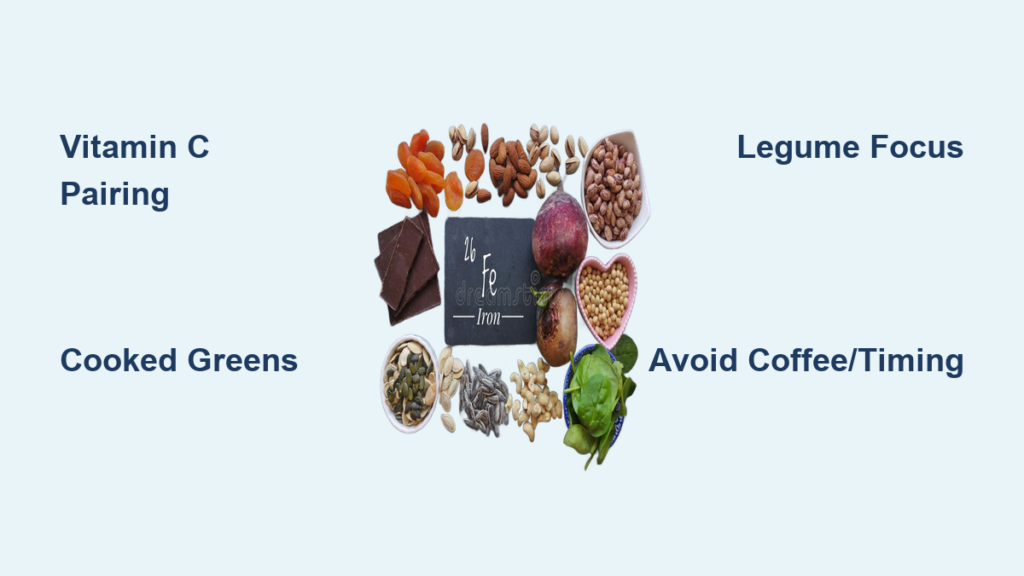
Vitamin C Pairing Triples Iron Uptake
Adding just 50-100 milligrams of vitamin C to iron-rich meals can triple or even quadruple absorption. This simple strategy transforms marginal iron intake into substantial nutritional benefits. Practical applications include:
- Squeezing fresh lemon juice over lentil dal or bean stews
- Adding diced bell peppers to black bean tacos
- Topping spinach salads with orange segments and strawberries
- Enjoying fortified cereal with a side of kiwi or glass of orange juice
The most effective vitamin C sources deliver concentrated doses: half a cup of cooked broccoli, one medium orange, or 1/2 cup of red bell pepper. Make vitamin C pairing automatic rather than occasional—this single habit solves most vegetarian iron challenges.
Cooking Techniques That Increase Iron Availability
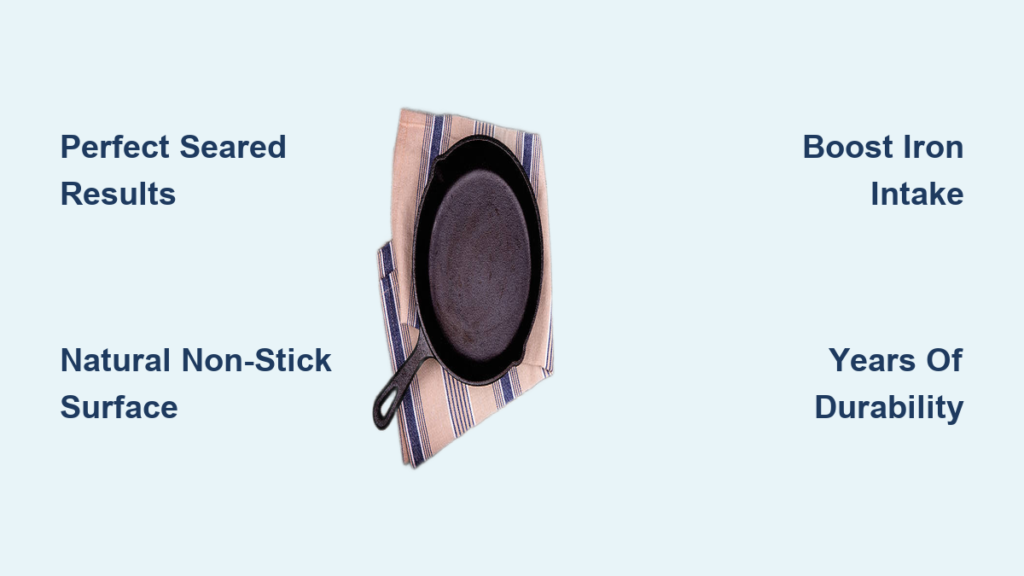
Strategic food preparation enhances iron bioavailability beyond simple pairing. Soaking beans and legumes for 8-12 hours before cooking significantly reduces phytates that bind minerals. Sprouting grains, seeds, and legumes dramatically increases mineral accessibility—try sprouted lentils in salads or sandwiches. Cooking acidic foods like tomatoes in cast iron pans leaches measurable iron into your meal, adding 1-3 milligrams per serving. While these methods provide modest benefits compared to vitamin C pairing, they contribute to your overall iron optimization strategy.
Top Plant-Based Iron Sources That Actually Deliver
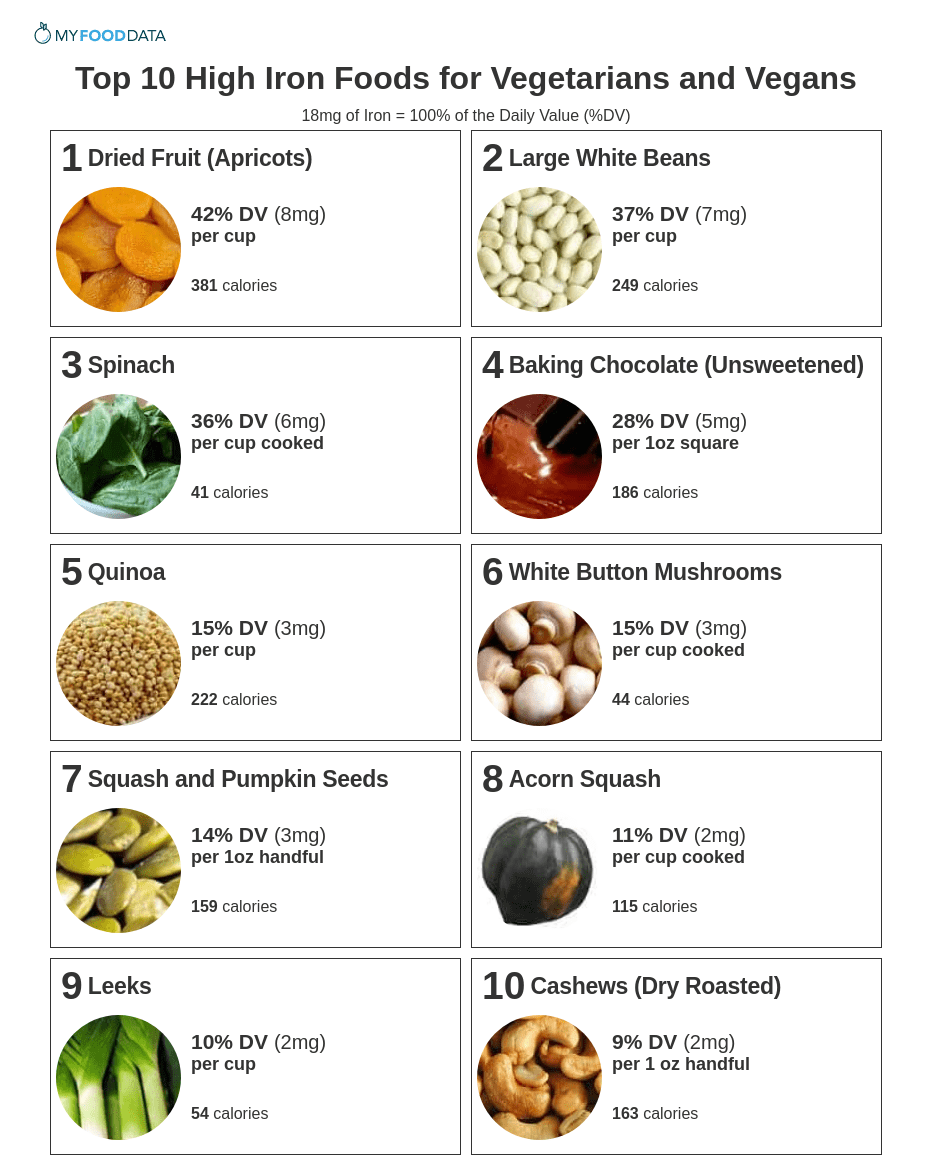
Not all “iron-rich” plant foods provide meaningful amounts. Focus on these high-impact options that deliver substantial iron per realistic serving size:
Legumes: The Iron Powerhouse Category
One cup of cooked lentils delivers 6.6 milligrams of iron—nearly 37% of your daily need. Cooked soybeans provide an impressive 8.8 milligrams per cup, while chickpeas offer 4.7 milligrams. Black beans, kidney beans, and pinto beans all deliver 3-4 milligrams per cooked cup. Incorporate legumes into at least two meals daily through:
- Hearty lentil soups with tomatoes and spinach
- Chickpea curries served with fortified rice
- Black bean tacos with lime and bell peppers
- Hummus made with extra tahini (2 tablespoons deliver 2.7mg)
Legumes’ versatility makes them the foundation of any iron-conscious vegetarian diet—prioritize them over occasional side dishes.
Leafy Greens: Cooked Beats Raw Every Time
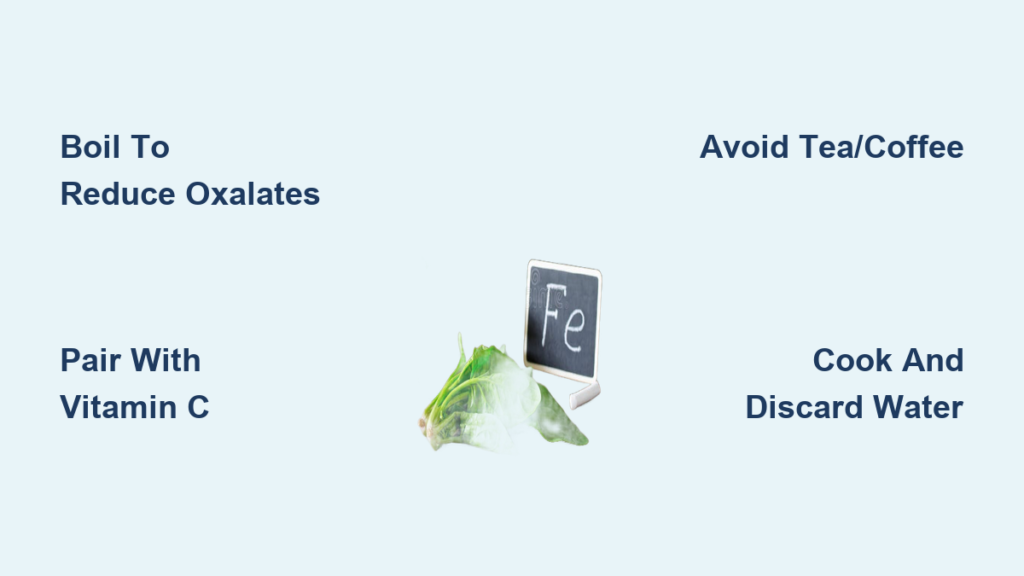
One cup of cooked spinach contains 6.4 milligrams of iron, while cooked kale provides about 1 milligram. Raw greens require unrealistic volumes to deliver comparable iron—cooking concentrates the nutrient density. The oxalates in spinach can inhibit absorption, so always pair with vitamin C. Swiss chard and beet greens offer similar benefits with slightly lower iron counts. Maximize green benefits by:
- Sautéing spinach with garlic and lemon juice
- Adding kale to lentil soups during the last 5 minutes of cooking
- Blending cooked greens into smoothies with citrus
- Stir-frying chard with tofu and bell peppers
Seeds and Fortified Foods: Reliable Iron Boosters
Pumpkin seeds deliver 2.5 milligrams per ounce, while tahini provides 2.7 milligrams per two tablespoons—making it one of the most concentrated plant-based sources. Cashews and almonds provide 1-1.5 milligrams per serving. Fortified cereals often deliver 18+ milligrams per serving—your entire daily need in one meal. Strategic uses include:
- Sprinkling pumpkin seeds on salads and grain bowls
- Using tahini as a base for dressings and sauces
- Choosing fortified cereals with at least 25% DV per serving
- Selecting breads fortified with iron (check labels carefully)
Avoid These Common Iron Absorption Killers
Calcium Timing Matters More Than You Think
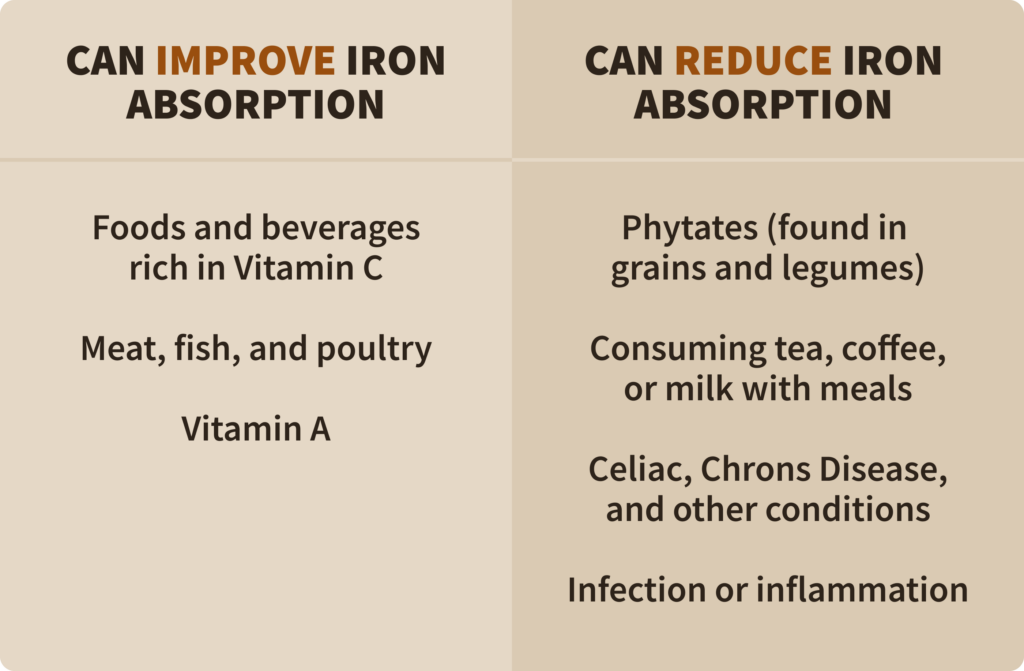
Calcium reduces iron absorption by up to 60% when consumed simultaneously. This creates strategic considerations for vegetarians who may rely on dairy or fortified plant milks. Instead of avoiding calcium-rich foods (they’re too nutritionally valuable), separate them from iron-rich meals by at least two hours. Take calcium supplements at bedtime rather than with meals. If enjoying fortified plant milk with cereal, skip the calcium-fortified orange juice on the side.
Coffee and Tea: The Silent Iron Saboteurs
Polyphenols in coffee, tea, and red wine can reduce iron absorption by 50-90%. The tannins bind tightly to iron in your digestive tract. You don’t need to eliminate these beverages, but timing is crucial—wait at least one hour after meals before drinking coffee or tea. Consume these beverages between meals rather than with them. Switch to herbal teas like peppermint or rooibos that don’t contain absorption-inhibiting compounds.
Recognize Early Warning Signs Before They Worsen
Fatigue that persists despite adequate sleep represents the most common symptom of iron deficiency, stemming from reduced oxygen delivery to tissues. Pale skin (especially noticeable in nail beds and lower eyelids), increased hair shedding, and brittle nails that split easily provide additional clues. Some people develop pica—strange cravings for ice, dirt, or starch—in more advanced stages.
If you experience these symptoms, request a ferritin blood test to assess your iron stores, not just current blood iron levels. Many doctors check these routinely for vegetarians, but proactive patients get more comprehensive results. Early detection allows dietary intervention to correct mild deficiency before supplements become necessary.
Build Iron-Optimized Meals Without Counting
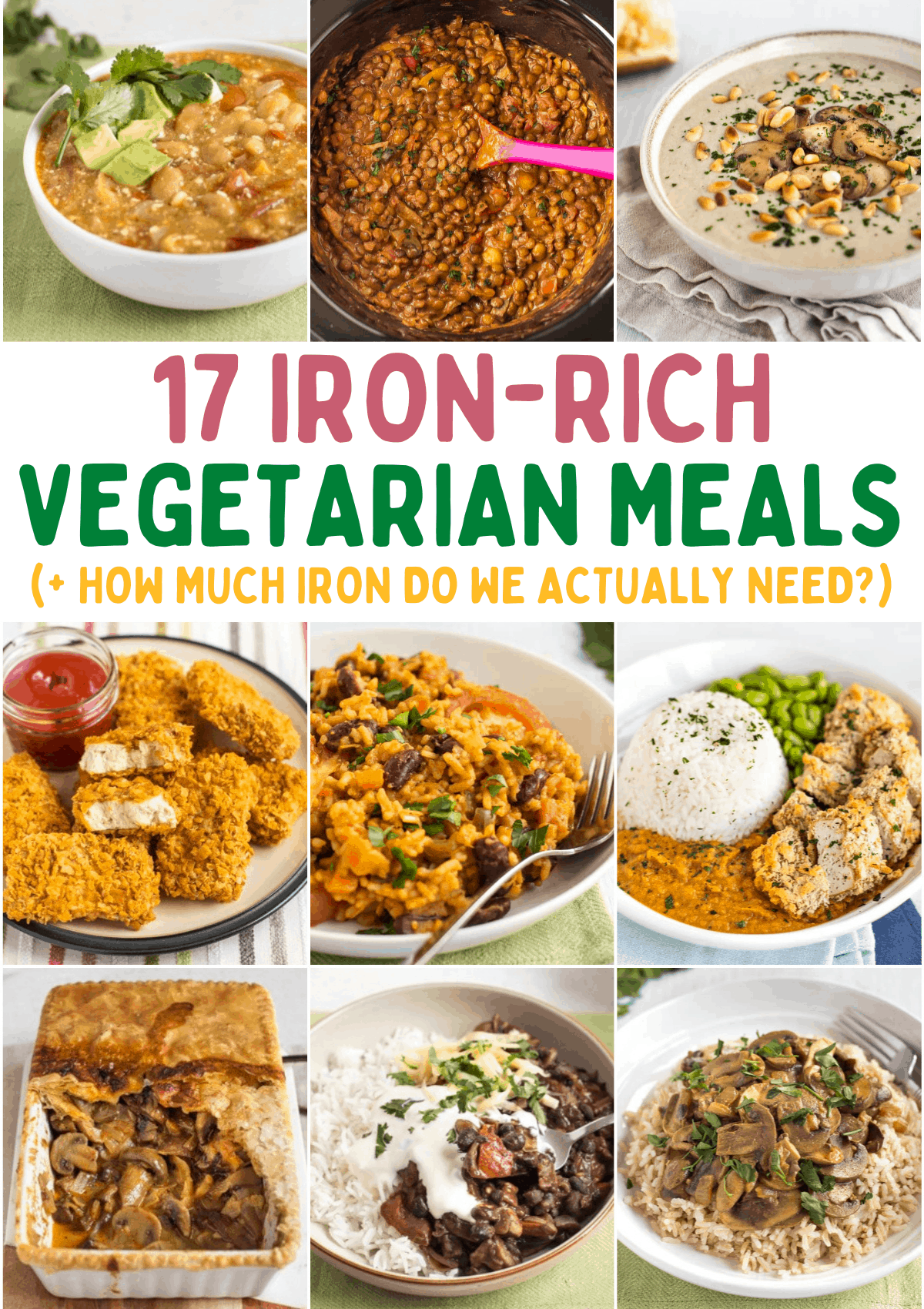
Creating iron-rich vegetarian meals becomes effortless with these practical patterns:
Breakfast Iron Boosters
A bowl of fortified cereal with fortified plant milk, topped with strawberries and pumpkin seeds, delivers 15-25 milligrams of iron. Overnight oats made with fortified milk, dried apricots, and chia seeds provide similar benefits. A tofu scramble with spinach, bell peppers, and nutritional yeast delivers iron alongside complete protein—all before noon.
Lunch and Dinner Patterns
Follow this simple formula: legumes or whole grains as the base + leafy greens + vitamin C-rich elements. A quinoa bowl with roasted chickpeas, sautéed kale, and lemon-tahini dressing hits every note. Lentil soup with orange segments and fortified bread provides layered iron in delicious form. The more you prepare these combinations, the more intuitive iron optimization becomes.
Maintain Healthy Iron Levels Long-Term
Sustaining healthy iron requires ongoing attention rather than one-time effort. Get blood tests annually (or every two years) to confirm your dietary strategies work effectively. Premenopausal women and athletes benefit from more frequent monitoring during high-demand periods.
Regular intense exercise increases iron loss through sweat and minor digestive bleeding in some athletes, requiring higher intake. Managing stress, ensuring adequate sleep, and maintaining digestive health all support optimal mineral absorption. Remember that well-planned vegetarian diets provide not just adequate iron but also the supporting nutrients—folate, vitamin B12, and vitamin C—that work alongside iron in red blood cell production.
Building a vegetarian diet that fully meets your iron needs requires understanding and strategy—but it’s entirely achievable. By focusing on iron-rich legumes and greens as staples, automatically pairing with vitamin C, and avoiding major absorption inhibitors at iron-rich meals, you create a sustainable system that maintains healthy iron without constant calculation. Your body evolved to thrive on plant-based nutrition, and with these strategies, your iron status will reflect that biological reality beautifully.