Feeling constantly fatigued despite normal iron levels on blood tests? You might be struggling with low iron binding capacity—the hidden factor that determines whether your body can actually transport and utilize the iron you consume. Millions experience symptoms like brain fog, weakness, and reduced exercise tolerance because their iron sits unused in storage rather than powering essential bodily functions. The solution isn’t necessarily consuming more iron but optimizing your body’s ability to bind, transport, and utilize the iron already present in your system. This guide reveals specific, evidence-based lifestyle interventions that enhance your iron binding capacity by working with your body’s natural regulatory mechanisms rather than fighting against them.
How Hepcidin Controls Your Iron Absorption Window
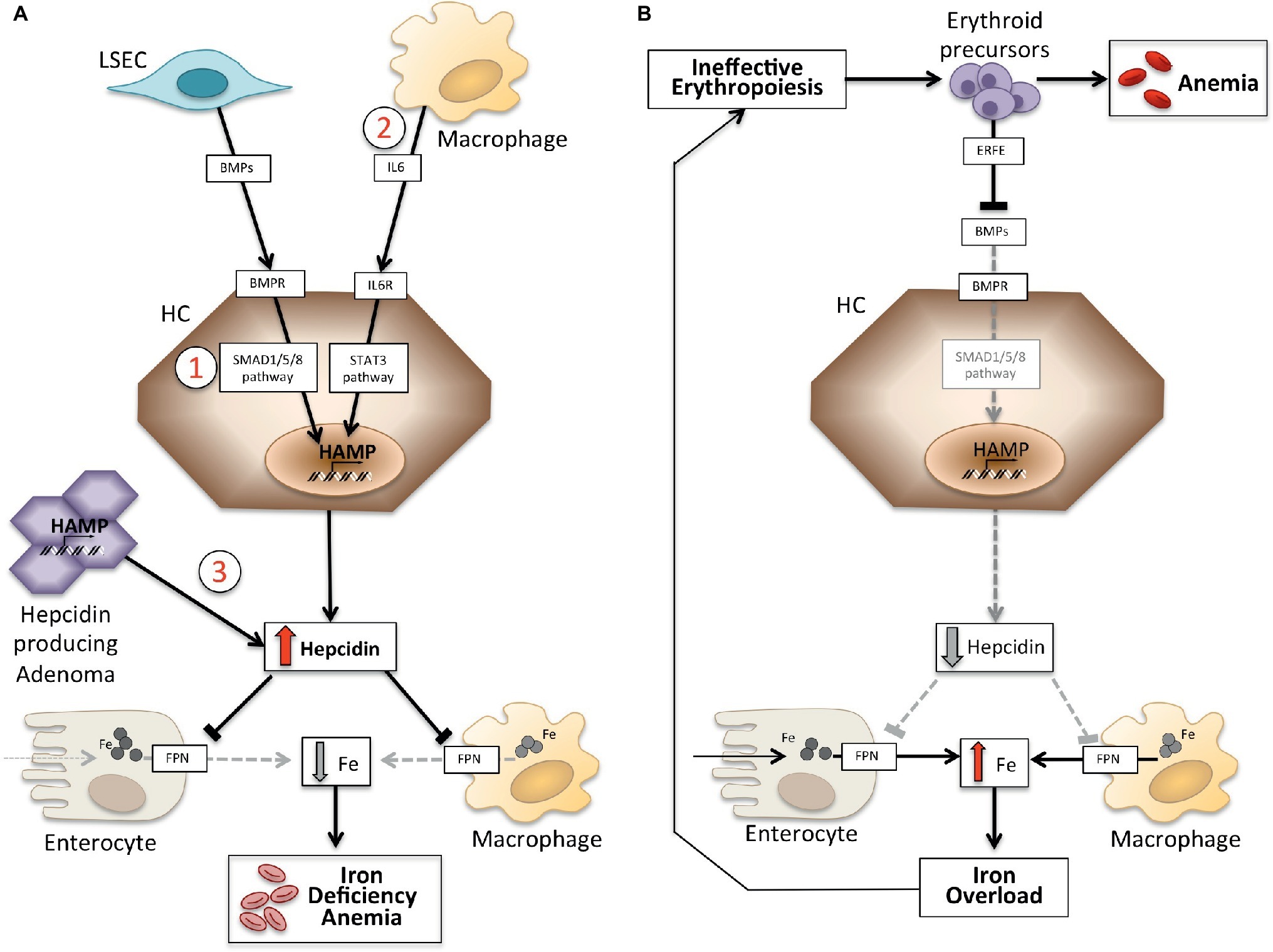
Your body’s iron traffic controller—called hepcidin—determines when iron can move through your system. When hepcidin levels rise, this hormone blocks iron export from cells and breaks down ferroportin, the cellular gatekeeper that allows iron into your bloodstream. This protective mechanism prevents iron overload but becomes problematic when hepcidin remains elevated unnecessarily, trapping iron in storage sites and creating functional deficiency despite adequate total iron stores.
Understanding this process explains why simply eating more iron-rich foods often fails to resolve symptoms. Your transferrin protein carries iron through your blood while ferritin stores it safely inside cells—their ratio and saturation levels directly reflect your iron binding capacity. When this system works properly, iron efficiently reaches tissues requiring it for oxygen transport, energy production, and DNA synthesis.
Why Heme vs. Non-Heme Iron Paths Matter for Absorption
Heme iron from animal sources and non-heme iron from plants use completely different absorption pathways. Heme iron utilizes heme carrier protein (HCP1), while non-heme iron depends on divalent metal transporter-1 (DMT-1). This distinction explains why plant-based iron faces additional hurdles—phytates, oxalates, and polyphenols in whole grains, legumes, and nuts bind to non-heme iron, reducing its bioavailability to approximately 5% compared to heme iron.
Critical insight: The Institute of Medicine recommends vegetarians consume 1.8 times more total iron than meat-eaters due to these bioavailability differences. Simply increasing plant-based iron intake without addressing absorption barriers rarely solves binding capacity issues.
Morning Iron Intake Boosts Absorption by 40% (Based on Runner Study)
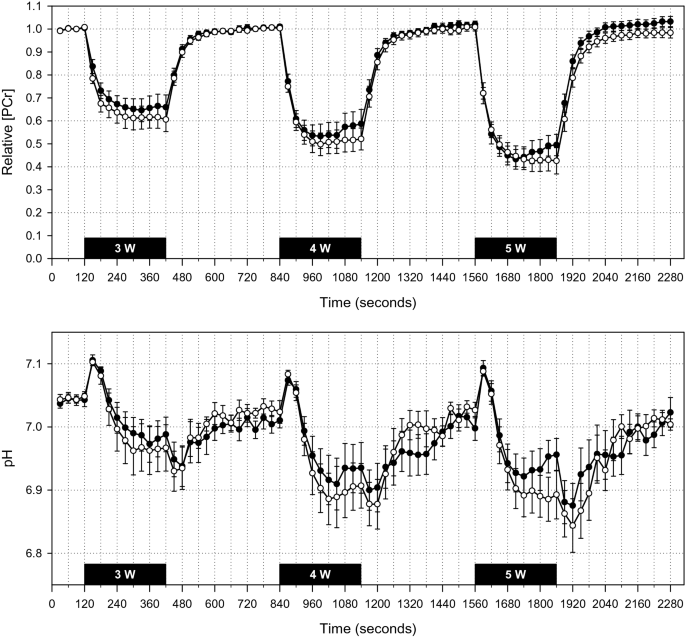
Research reveals a powerful timing strategy that significantly enhances iron binding capacity. Hepcidin and interleukin-6 (IL-6) levels peak 3-6 hours after exercise, creating a temporary window of reduced intestinal iron absorption. Study participants who consumed iron 30 minutes after a 90-minute morning run absorbed 40% more iron than those who ran in the afternoon.
This morning absorption window isn’t just for athletes—it benefits everyone. Your body naturally maintains lower hepcidin levels earlier in the day before inflammatory triggers accumulate throughout your waking hours.
Strategic Timing for Maximum Iron Uptake
- Consume iron-rich meals within 2 hours of waking for optimal absorption
- If you exercise, take iron supplements or eat iron-rich foods within 30 minutes post-workout
- Avoid iron consumption 3-6 hours after intense exercise when hepcidin peaks
- Space iron intake away from calcium-rich foods, coffee, and tea by at least 2 hours
Food Pairing Hacks for Plant-Based Iron Bioavailability
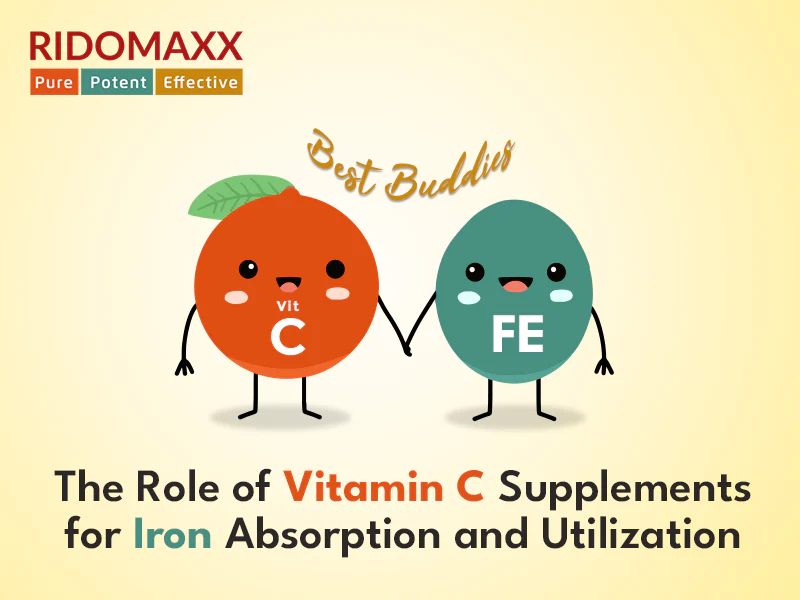
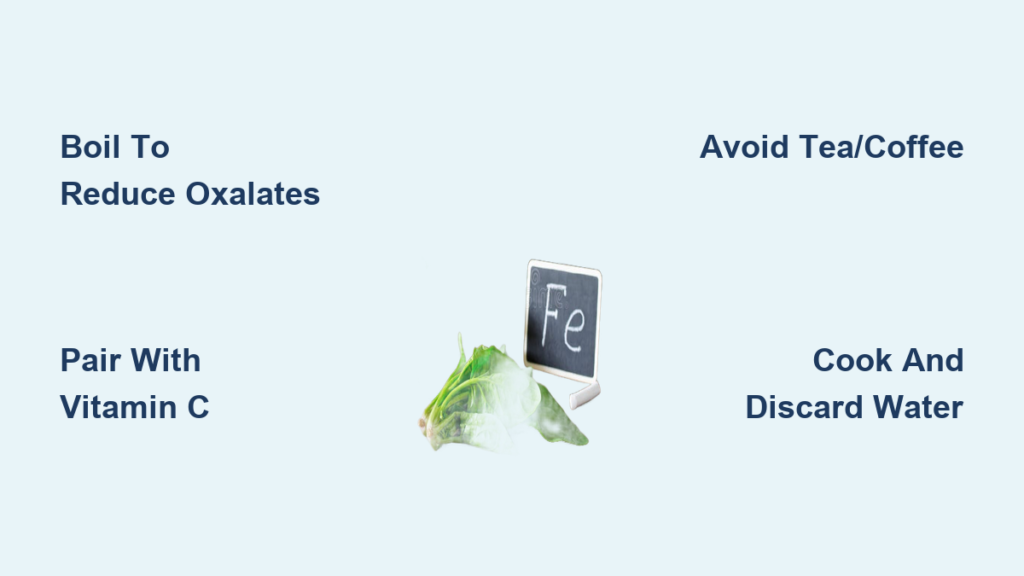
You can dramatically improve non-heme iron absorption through strategic food combinations and preparation techniques. Vitamin C converts ferric iron to the more absorbable ferrous form while counteracting phytate binding—a simple addition of citrus to your spinach salad can triple iron uptake.
Traditional preparation methods abandoned in modern cooking significantly reduce absorption inhibitors naturally present in plant foods:
- Soak beans, grains, and legumes overnight to reduce phytate content
- Sprout seeds and grains to activate phytase enzymes that break down inhibitors
- Ferment foods like sauerkraut, kimchi, or sourdough bread to enhance bioavailability
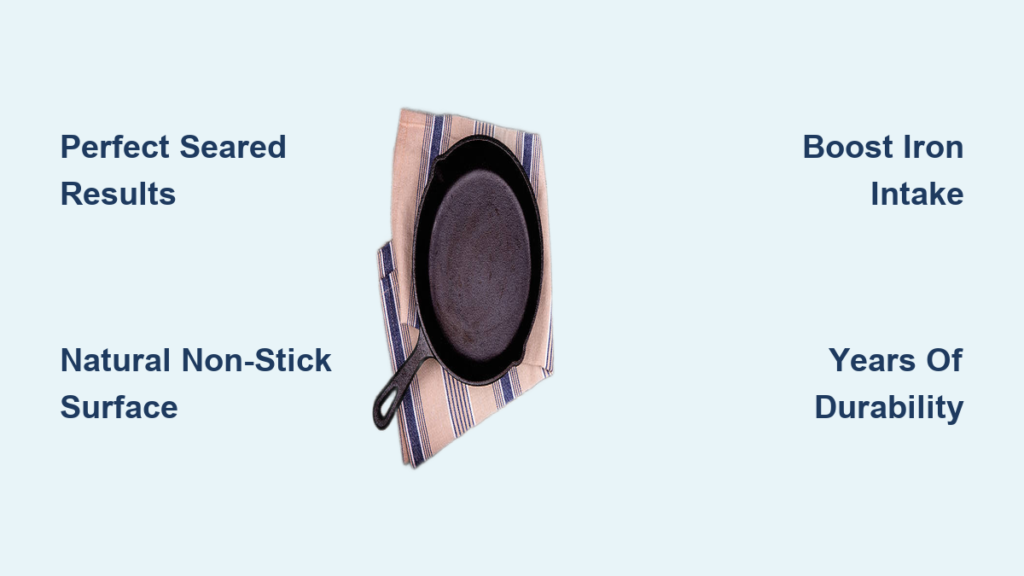
- Cook in cast iron to increase iron content in acidic foods like tomato sauce
Top Iron-Boosting Food Combinations
- Lentil soup with lemon juice and bell peppers
- Tofu stir-fry with broccoli and orange segments
- Oatmeal topped with strawberries and pumpkin seeds
- Kale salad with chickpeas, tomatoes, and balsamic vinegar
Exercise Timing: When to Consume Iron After Workouts
Physical activity creates a double-edged sword for iron binding capacity. While moderate exercise supports circulatory health and iron delivery to tissues, intense workouts trigger inflammatory responses that temporarily elevate hepcidin production. This explains why endurance athletes frequently develop iron deficiency despite adequate dietary intake.
The key insight involves understanding the temporal relationship between exercise and iron absorption. The inflammatory response that elevates hepcidin doesn’t occur immediately—it peaks 3-6 hours post-exercise. This creates a strategic opportunity: consuming iron during the window immediately following exercise, before hepcidin rises, allows for better absorption.
Optimal Exercise-Iron Protocol
- Complete your workout (morning sessions provide additional timing advantages)
- Consume iron-rich meal or supplement within 30 minutes
- Wait 3-6 hours before additional iron intake to avoid hepcidin interference
- Schedule intense training sessions at least 12 hours apart to prevent cumulative hepcidin elevation
Stress Reduction Tactics That Lower Iron-Blocking Inflammation
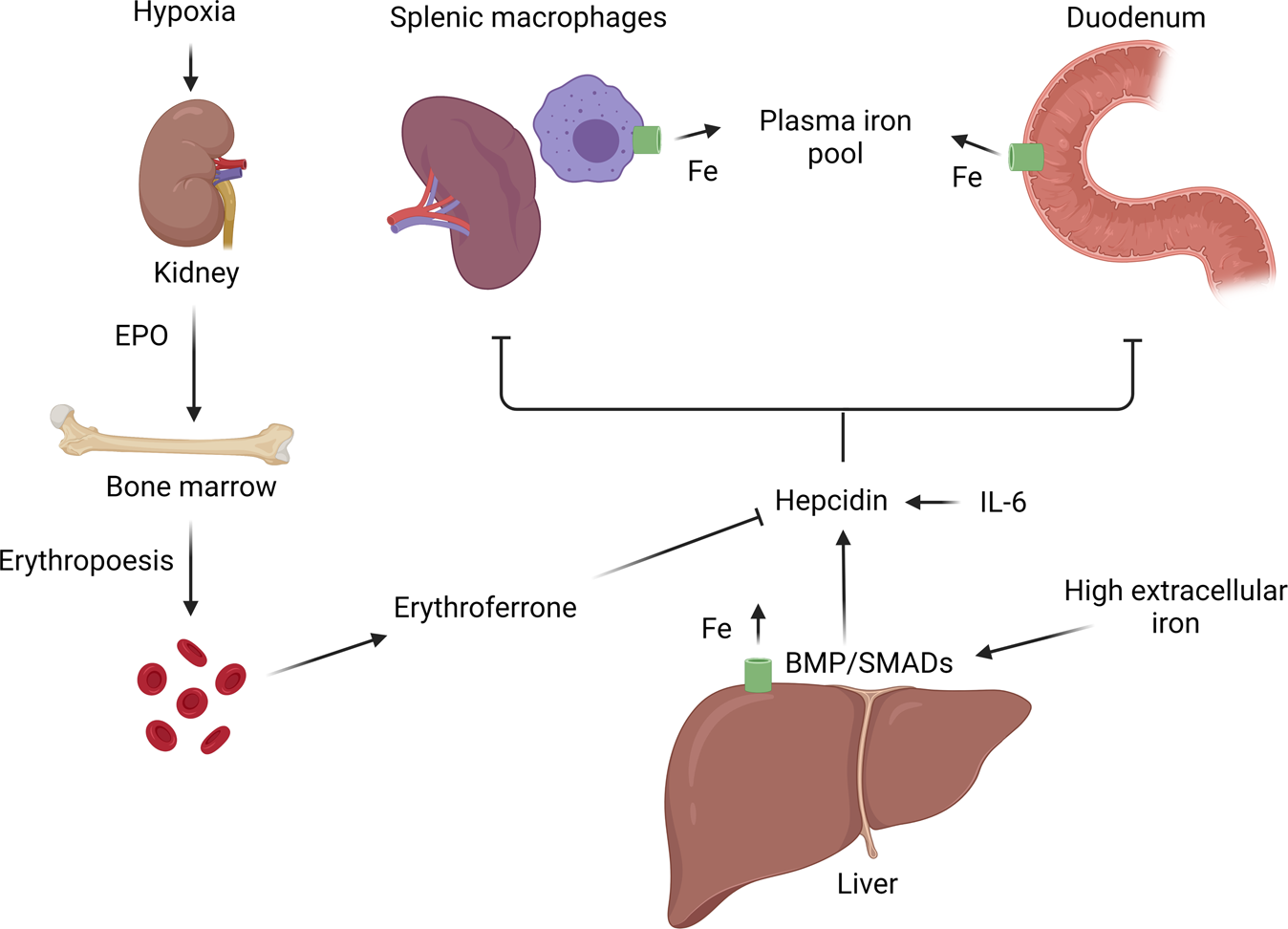
Chronic stress directly undermines iron binding capacity through inflammatory pathways. When you experience ongoing psychological or physiological stress, your body elevates interleukin-6 production, which stimulates hepcidin release and blocks iron export from cells. This creates a self-reinforcing cycle where stress worsens iron status, and poor iron status increases vulnerability to stress.
Warning: This negative spiral explains why many people experience worsening fatigue despite normal iron levels—their iron is present but functionally unavailable due to stress-induced hepcidin elevation.
Evidence-Based Stress Management Techniques
- Practice 10 minutes of deep breathing daily to lower inflammatory markers
- Incorporate mindfulness meditation to reduce cortisol and IL-6 levels
- Schedule regular social connection time to combat loneliness-related inflammation
- Prioritize rest days between intense workouts to minimize cumulative stress
Sleep Optimization for Better Iron Transport and Utilization
Quality sleep supports optimal iron binding capacity through mechanisms that operate beneath conscious awareness. During restful sleep, your body engages in repair processes requiring adequate iron availability for cellular maintenance and neurotransmitter synthesis. Poor sleep quality elevates inflammatory markers, stimulating hepcidin production and reducing iron absorption.
Research has established clear associations between sleep deprivation and altered iron parameters. Sleep-deprived individuals often experience changes in food preferences that reduce iron intake while increasing consumption of absorption inhibitors like caffeine.
Sleep Hygiene Protocol for Iron Health
- Maintain consistent sleep and wake times (even on weekends)
- Create a dark, cool sleeping environment (60-67°F ideal)
- Eliminate screen exposure 90 minutes before bedtime
- Avoid caffeine after 2 PM and alcohol within 3 hours of sleep
Alcohol’s Hidden Impact on Iron Absorption (And How to Counter It)
Alcohol consumption affects iron binding capacity through multiple damaging pathways. Acute exposure directly damages intestinal cells responsible for iron absorption, reducing uptake even with adequate dietary intake. Chronic heavy use causes additional damage through repeated insult and potential gastrointestinal blood loss.
The liver plays a central role in iron metabolism by producing hepcidin and other regulatory proteins. Alcohol’s effects on liver function disrupt these critical hormonal signals controlling iron distribution throughout your body.
Strategic Alcohol Management for Iron Health
- Limit alcohol to 1 drink/day for women, 2 drinks/day for men
- Never consume iron-rich foods or supplements within 2 hours of alcohol
- Choose iron-rich meals on days when alcohol consumption is planned
- Consider complete abstinence for 4-6 weeks if addressing significant iron issues
When Social Connection Becomes Your Secret Iron Weapon
Positive social relationships contribute to iron binding capacity in ways that seem indirect but prove meaningful in practice. Social engagement reduces stress and inflammation through psychological mechanisms that translate into physiological benefits. Shared meals provide enjoyable opportunities to consume iron-rich foods while enhancing overall nutrition quality.
Loneliness and social isolation have been associated with elevated inflammatory markers across multiple populations. This suggests social disconnection may contribute to the chronic low-grade inflammation that elevates hepcidin and impairs iron absorption.
Pro tip: For those following plant-based diets, social support proves particularly valuable when navigating dietary changes. Individuals with strong social connections report greater success with dietary adherence and overall satisfaction with eating patterns that support optimal iron binding capacity.
Implementing these seven evidence-based strategies creates a powerful synergy that enhances your body’s natural ability to bind, transport, and utilize iron. By timing your iron intake strategically, optimizing food combinations, managing exercise effects, reducing stress, improving sleep, moderating alcohol, and cultivating social connection, you address the multiple factors influencing iron metabolism simultaneously.
Begin with just one or two interventions—many people see noticeable improvements in energy and wellbeing within weeks by simply shifting iron-rich meals to morning hours. As these changes become habitual, gradually add additional strategies to build a comprehensive approach that supports optimal iron binding capacity for years to come. With consistent application, you can transform your relationship with iron from one of frustration to one of abundant utilization.