Your cast iron cornbread turns out dry, crumbly, or stuck to the pan because most online recipes skip critical details. Without verified ingredient ratios, precise temperature control, and proper cast iron preparation techniques, you’re guessing instead of baking. This guide reveals exactly what a reliable cornbread recipe must include based on culinary documentation standards—so you can identify trustworthy instructions and avoid kitchen disasters. You’ll learn to spot incomplete recipes and understand why each element matters for achieving that perfect golden crust and moist interior.
Why Your Cornbread Fails Without Verified Measurements
Most failed cornbread attempts trace back to vague ingredient lists. A trustworthy recipe specifies exact measurements by weight or volume—not “a handful of cornmeal” or “some milk.” Without precise ratios, your batter’s texture becomes unpredictable. Too much flour creates dense bricks, while insufficient fat leaves edges parched. Always seek recipes listing ingredients like “180g (1½ cups) fine-ground cornmeal” instead of “about 1½ cups.” This precision ensures proper hydration since cornmeal absorbs liquid differently than flour. If a recipe lacks weights, check if it clarifies spoon-and-level measuring technique—critical for accurate dry ingredients.
What to Look for in Ingredient Lists
- Cornmeal grind specification: Fine for tender crumb, coarse for rustic texture
- Fat type and state: Melted butter vs. cooled bacon grease affects browning
- Leavening agent timing: Baking powder freshness tests mentioned?
- Liquid temperature notes: Cold buttermilk vs. room-temperature milk changes rise
Common Measurement Mistakes That Ruin Batches
- Scooping flour directly from the bag (adds 20% extra weight)
- Using liquid measuring cups for dry ingredients
- Ignoring altitude adjustments above 3,000 feet
- Substituting all-purpose flour 1:1 for cake flour
Cast Iron Preparation Techniques That Prevent Sticking

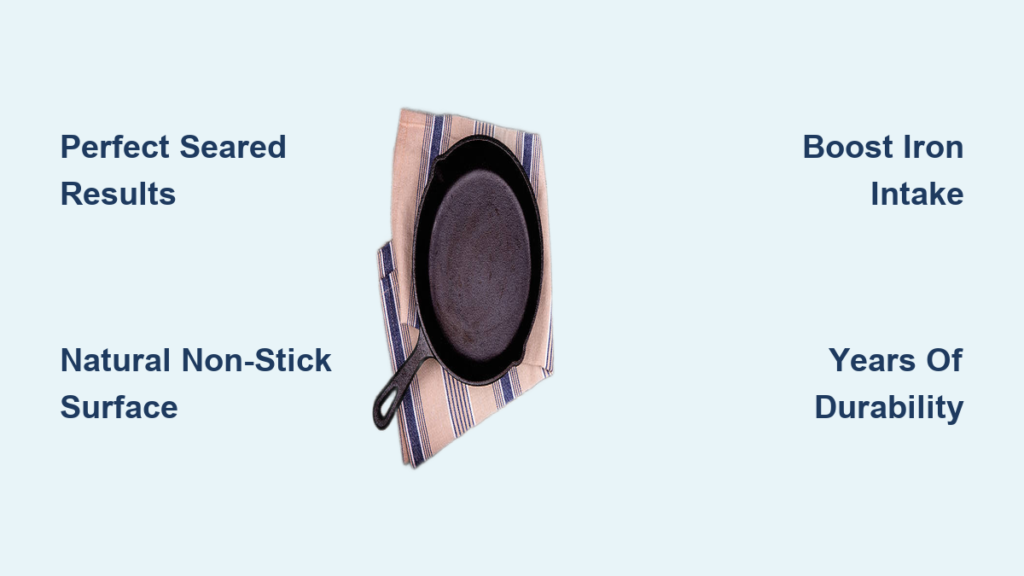
Your pan’s seasoning level determines whether cornbread releases cleanly or tears apart. Proper preheating creates an instant sear that forms the iconic crispy crust—but skipping this step guarantees gumminess. A complete recipe mandates heating the oiled pan in the oven for 5-7 minutes until smoking hot. Never add batter to a cold pan; thermal shock cracks seasoning. Verify instructions specify oil type (vegetable oil > olive oil for high smoke points) and coverage technique—brushing upward from the base prevents bare spots.
Preheating Safety Protocol
- Place empty pan in cold oven before heating
- Heat to exact temperature (425°F standard)
- Carefully add fat using long-handled brush
- Return to oven 5 minutes until oil shimmers
- Immediately pour batter to maintain heat
Critical warning: Never preheat empty cast iron on stovetop—it warps pans. Oven preheating distributes heat evenly. If your recipe lacks this step, skip it; improper heating causes uneven baking and metallic tastes.
Temperature and Timing Specifications for Perfect Texture
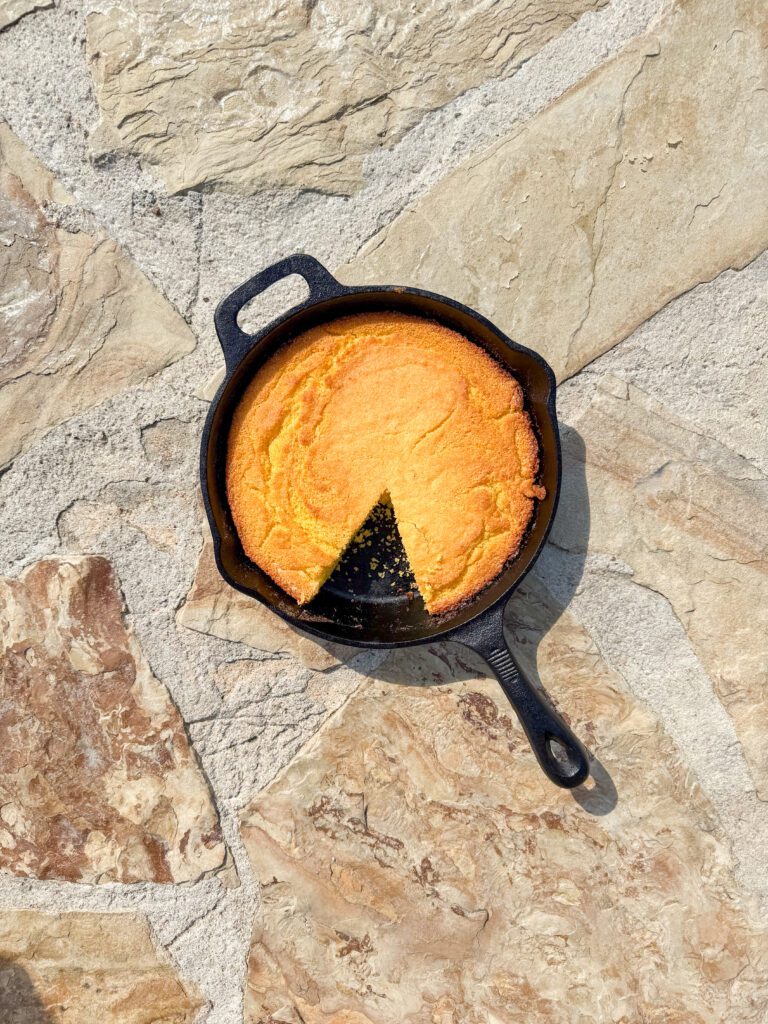
Most recipes fail by stating “bake until golden” without oven calibration guidance. Your actual oven temperature likely varies ±25°F from the dial—requiring verification with an independent thermometer. Reliable instructions specify:
– Exact rack position (lower third for even bottom browning)
– Visual cues beyond color (“edges pull from sides” not “looks done”)
– Internal temperature target (205-210°F at center)
– Resting time before cutting (5 minutes minimum)
Why Timing Varies by Pan Size
| Pan Diameter | Bake Time Range | Visual Cue |
|---|---|---|
| 8-inch | 18-22 minutes | Deep golden ring around edge |
| 10-inch | 20-25 minutes | Cracks form on surface |
| Skillet depth | +3-5 minutes | No wet batter in center |
Recipes omitting size-specific adjustments produce burnt edges with raw centers. Always confirm your pan dimensions match the recipe’s specifications—never assume standardization.
Step-by-Step Mixing Methods That Avoid Toughness
Overmixing develops gluten that turns cornbread rubbery. A trustworthy recipe enforces the “lumps are good” rule with explicit mixing instructions: “Fold batter 12 times max until just combined.” It should warn against using stand mixers and specify bowl material (glass > metal for temperature control). Verify the recipe separates wet and dry ingredient preparation sequences—adding buttermilk to hot melted butter first prevents curdling.
Critical Sequence Red Flags
- ❌ “Mix all ingredients together”
- ✅ “Whisk dry ingredients in one bowl, wet in another”
- ❌ “Beat until smooth”
- ✅ “Stir until no dry streaks remain (lumps acceptable)”
If instructions mention “resting batter,” question them—cornbread’s leavening activates immediately. Any pause longer than 2 minutes before baking causes dense results.
Regional Style Variations That Change Ingredient Ratios
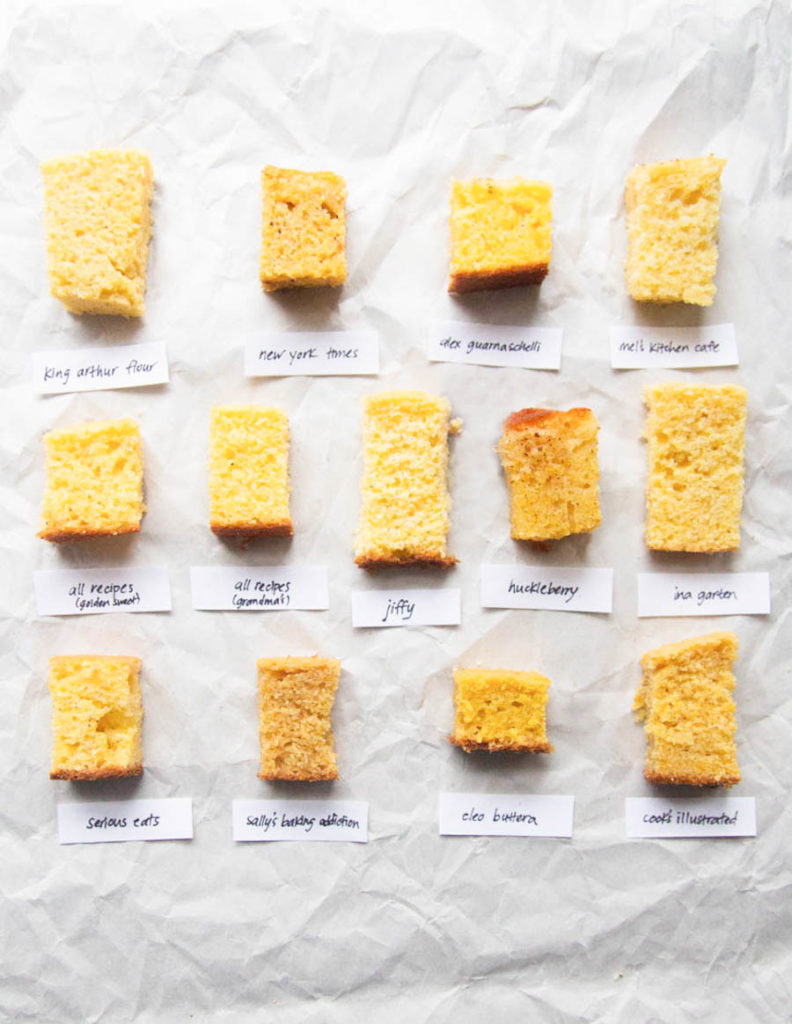
Southern-style cornbread requires verification of its signature traits: less sugar (1-2 tbsp max), no wheat flour, and bacon grease base. Northern versions typically contain ¼ cup+ sugar and½ cup all-purpose flour. A complete recipe declares its regional allegiance upfront and explains substitutions. For example: “For authentic Tennessee style, replace milk with buttermilk and omit sugar entirely.” Without this context, you might misinterpret “traditional” as meaning sweetened.
Style Identification Checklist
- Sugar content: <2 tbsp = Southern, >3 tbsp = Northern
- Flour ratio: 100% cornmeal = traditional, 50/50 = modern
- Fat type: Bacon grease = Southern, butter = universal
- Add-ins: Whole kernel corn = contemporary, none = purist
Recipes avoiding these distinctions often produce confusing hybrid results that satisfy no one.
Expert Troubleshooting for Common Cornbread Disasters
Your recipe should anticipate failures with diagnostic questions. If cornbread sinks in the center, check: Did you open the oven before 15 minutes? Was baking powder expired? Reliable sources include a troubleshooting matrix like this:
| Symptom | Likely Cause | Fix |
|---|---|---|
| Dense crumb | Overmixed batter | Fold 8-10 times max |
| Burnt edges | Oven temp too high | Verify with thermometer |
| Stuck to pan | Inadequate preheating | Heat 7+ minutes until smoking |
| Crumbly texture | Excess cornmeal | Add 1 extra egg yolk |
Recipes without problem-solving guidance leave you guessing why batches fail. Always confirm the source addresses at least three common failure points.
Storage and Reheating Methods That Preserve Crispness
Improper storage turns crispy edges soggy overnight. A trustworthy recipe specifies:
– Cooling completely on wire rack (not in pan)
– Room-temperature storage max 2 days in paper bag
– Freezing technique: Wrap wedges in parchment first
– Reheating: 350°F oven 8 minutes (never microwave)
Recipes suggesting “store in airtight container” destroy texture—moisture condensation softens the crust. Verify instructions prioritize breathability over convenience.
Serving Pairings That Complement Cornbread’s Flavor
The right accompaniments balance cornbread’s richness. Authentic recipes suggest:
– Southern style: Pinto beans with onion, collard greens
– Modern twist: Honey butter with flaky salt, bourbon peach compote
– Savory focus: Crumbled into chili as “hushpuppy topping”
Avoid recipes pairing sweet cornbread with honey—it creates overwhelming sweetness. Contextual serving notes indicate the writer understands regional traditions.
What to Do When Recipes Lack Critical Details
If your chosen recipe misses any verification points above, apply these emergency fixes:
1. No weight measurements? Use spoon-and-level method: Fluff ingredients, scoop gently, level with knife
2. Vague timing? Set timer for 75% of stated time, then check internal temp
3. Missing preheat step? Heat empty pan 5 minutes at 425°F before adding fat
4. No troubleshooting? Assume overmixing is the culprit—stir minimally
Never proceed without confirming pan preheating and measurement precision. These two elements make or break 90% of failures.
Final Note: Perfect cast iron cornbread demands recipe transparency in measurements, pan prep, and troubleshooting—not just ingredient lists. Always verify these 10 elements before baking: precise weights, regional style declaration, oven calibration notes, mixing sequence, preheat protocol, size-specific timing, texture diagnostics, storage science, serving context, and failure fixes. When in doubt, choose recipes specifying “fine-ground cornmeal,” “425°F oven with thermometer,” and “preheat 7 minutes until smoking.” Master these verification steps, and you’ll consistently achieve crackling crusts with tender centers—no more kitchen disappointments. For immediate success, seek recipes from culinary institutions that publish testing methodologies alongside instructions.