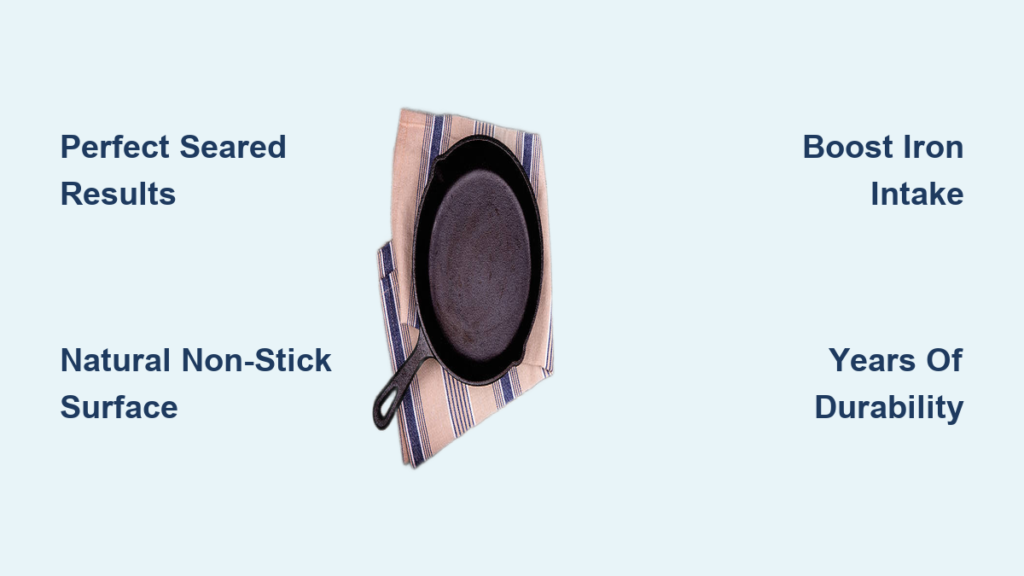
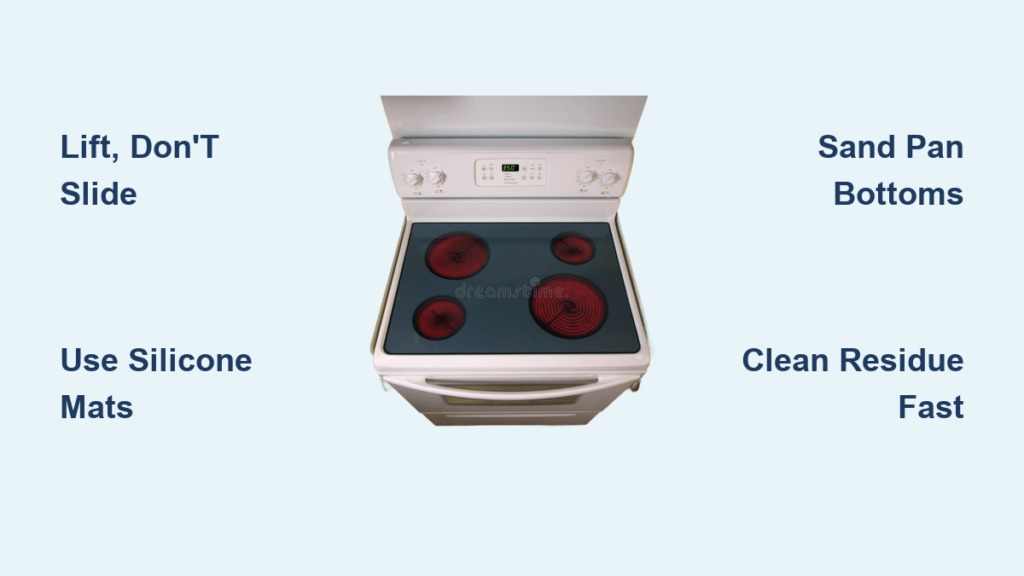
Glass top stoves offer sleek aesthetics and precise heating, but pairing them with heavy cast iron cookware creates a challenging combination. Cast iron’s rough bottom surface and substantial weight can leave permanent scratches, metal marks, and residue stains on delicate ceramic glass. However, with the right techniques and consistent practices, you can enjoy your beloved cast iron cookware without destroying your stove’s surface. This comprehensive guide covers everything from preventive measures and proper pan preparation to cleaning strategies and damage repair, helping you protect your investment while maintaining the versatility of your kitchen.
The ceramic glass surface on modern stoves is designed to withstand high temperatures and provide even heat distribution, yet it remains vulnerable to the microscopic abrasions caused by cast iron’s textured bottom. Each time you drag a cast iron pan across this surface, you risk creating tiny scratches that accumulate over time. Understanding why this damage occurs and how to prevent it empowers you to cook confidently while preserving your stove’s appearance and functionality.
Why Cast Iron Scratches Glass Top Stoves
Cast iron cookware poses several specific risks to glass top stoves that stem from fundamental differences in material properties. The rough texture of cast iron, combined with its substantial weight, creates conditions ripe for surface damage.
Even visually smooth cast iron pans contain microscopic irregularities on their cooking surfaces. These imperfections, invisible to the naked eye, act like thousands of tiny cutting edges when the pan moves across the glass. New cast iron pans often have especially rough bottoms due to the casting process, while older pans may develop additional roughness from seasoning buildup or accumulated debris. Each drag operation leaves microscopic scratches that accumulate over months and years of use.
The weight factor compounds this problem significantly. A typical 12-inch cast iron skillet weighs between 8 and 12 pounds, concentrating force on any protruding points or rough areas on the pan’s bottom. When you set down a heavy cast iron pan, its entire weight rests on whatever contact points exist between the pan and glass surface, increasing the potential for abrasive damage.
Seasoned cast iron also presents residue transfer risks. The polymerized oil layer that gives cast iron its non-stick properties can bake onto the glass surface during cooking, creating stubborn stains that prove difficult to remove without aggressive cleaning methods that might scratch the glass. Additionally, any food particles, dust, or debris on the pan’s bottom gets pressed into the glass under the pan’s weight.
How to Identify Problematic Cast Iron Pans
Check for rough spots with your fingernail – Run your fingernail across the bottom of your cast iron pan. If you feel any rough areas or bumps, those will scratch your glass surface. Pay special attention to the edges where casting imperfections often occur.
Examine seasoning condition – Look for flaking or uneven seasoning on the pan bottom. Damaged seasoning creates high points that will dig into the glass. A well-seasoned pan should have a smooth, almost glassy appearance on the cooking surface.
Test with paper – Place a sheet of white paper under the pan and gently rotate it. Any rough spots will tear the paper, revealing exactly where damage might occur on your stove.
Best Protective Barriers for Glass Top Stoves
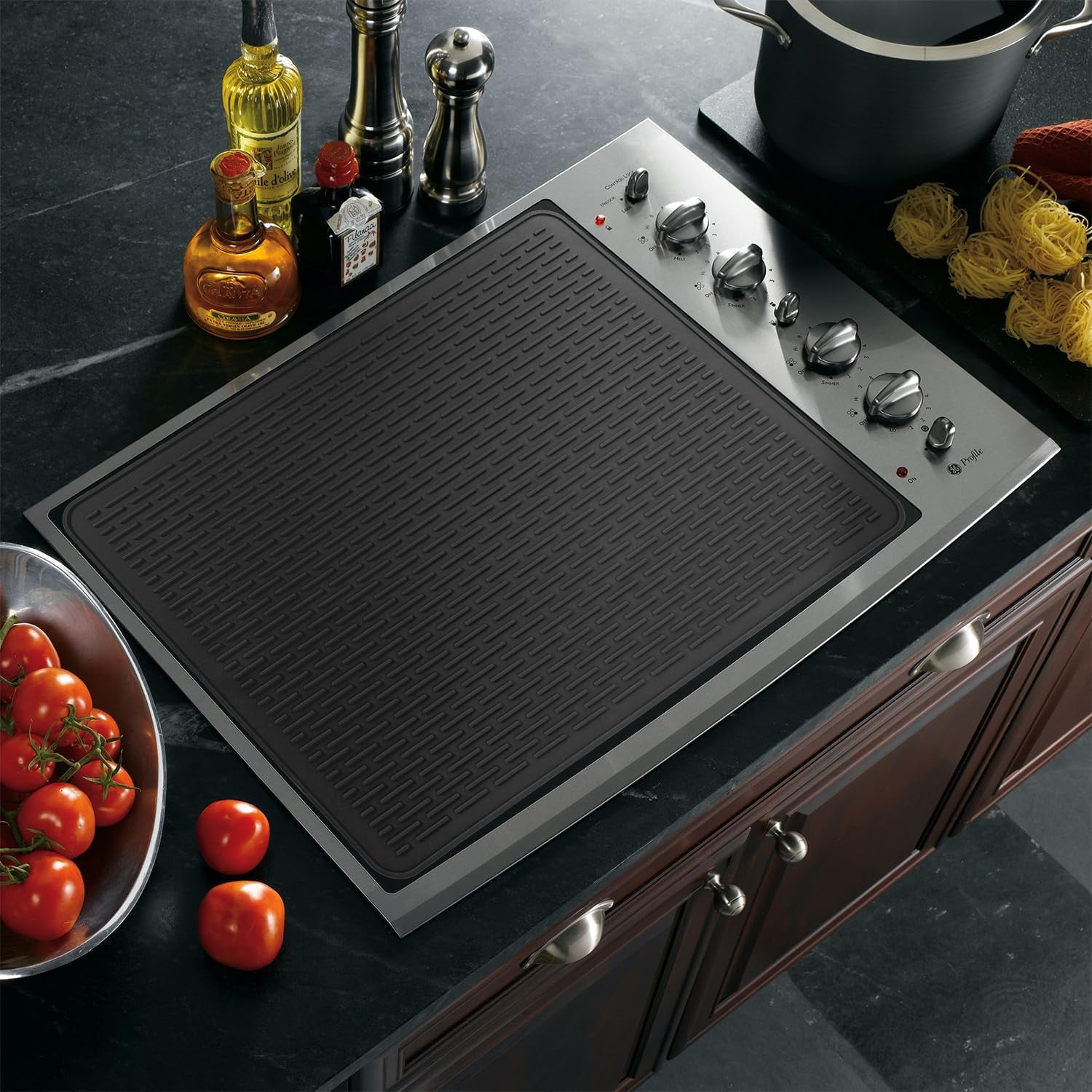
Creating a physical barrier between cast iron and glass offers the most reliable protection strategy. Several options provide effective separation with varying trade-offs.
Silicone stove protector mats deliver excellent protection while remaining flexible and easy to clean. These heat-resistant mats handle temperatures up to 450-500°F and can be cut to fit your stove configuration. Simply place the mat under your cast iron pan when cooking, then remove and wash it afterward. Silicone mats are affordable, widely available, and provide a non-slip surface that stabilizes heavy cookware. They’re particularly useful for frequent cast iron users who want consistent protection without changing cooking habits.
Tempered glass protectors offer superior heat distribution and durability, creating a permanent barrier between cookware and stove. However, they add weight and require careful handling during installation and cleaning. The glass surface provides an exceptionally smooth interface that minimizes scratching risk. These protectors maintain the sleek appearance of your stove while adding an extra layer of defense.
Parchment paper and wax paper serve as economical temporary barriers for lower-temperature cooking. These materials prevent direct contact and reduce scratching but must be replaced regularly as they can burn or discolor at high temperatures. Keep several sheets on hand for quick protection during everyday cooking. For best results, cut the paper to fit just inside your burner outline to prevent edge burning.
How to Properly Use Silicone Stove Mats
Select the right size – Measure your burner area and choose mats that fit within the burner circle without overlapping edges. Oversized mats can trap heat and potentially damage your stove.
Clean before first use – Wash new silicone mats with mild soap and water to remove manufacturing residues that could leave marks on your stove.
Position carefully – Place the mat centered on the burner before setting your pan down. Never slide the pan onto the mat – lift and place it gently.
Remove while warm – Take mats off the stove while it’s still warm (but not hot) to prevent them from sticking. This also makes cleaning easier as residue hasn’t fully hardened.
Smooth Cast Iron Pan Bottoms
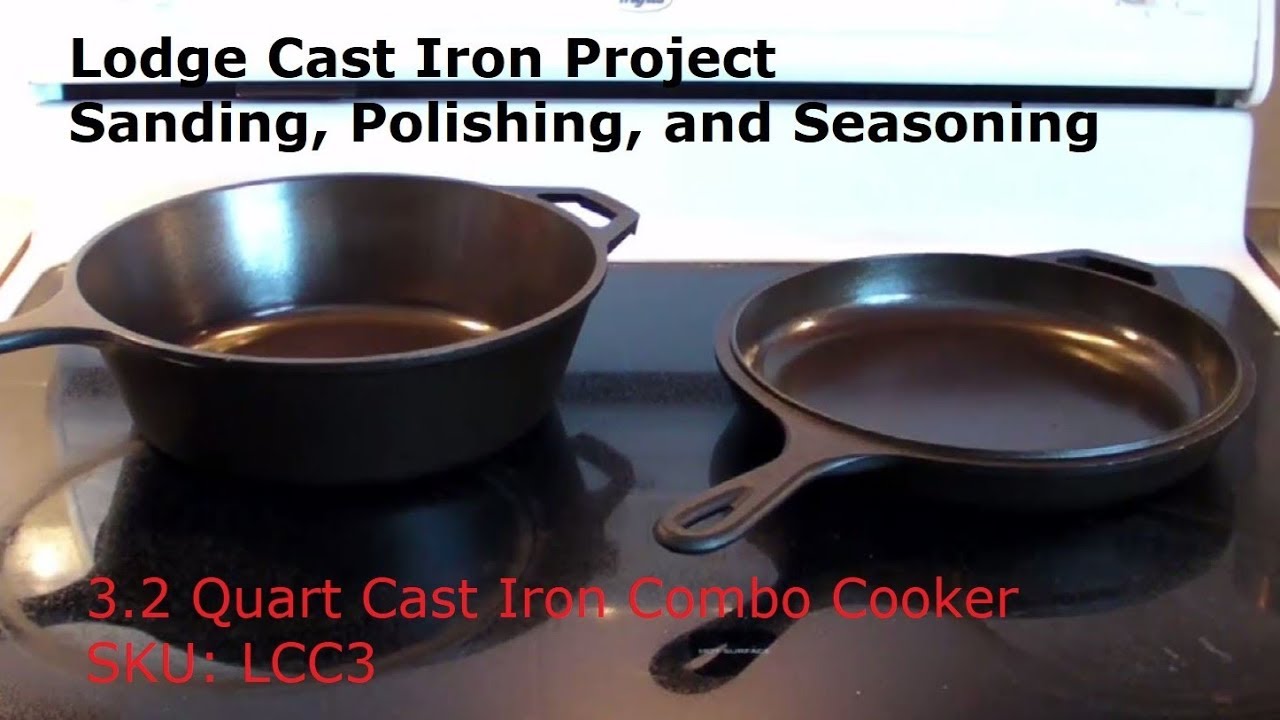
Preparing your cast iron pans before use on glass top stoves dramatically reduces scratching risk by addressing the root cause: surface roughness.
Sanding creates the most significant improvement in pan bottoms. Using progressively finer sandpaper, starting with 80-grit and moving to 220-grit or higher, removes casting irregularities and smooths the surface. After sanding, thoroughly clean the pan to remove all metal dust, then season it before use. This preparation proves particularly valuable for new pans or older pans with rough bottoms. The process takes about 15-20 minutes but provides lasting protection for your stove.
A well-maintained seasoning layer provides additional protection by creating a smoother, harder surface that resists residue transfer. Apply high-smoke-point oils like flaxseed, grapeseed, or avocado oil in thin layers, heating until the oil polymerizes into a hard finish. Multiple thin layers outperform a single thick application. Regular maintenance through proper cleaning and re-seasoning preserves this protective barrier.
Before each use, inspect the pan bottom for rough spots, debris, or damaged seasoning. Remove any accumulated residue using appropriate cleaning methods. A clean, well-seasoned pan bottom causes minimal glass surface stress compared to one with rough spots or flaking seasoning.
Lift, Never Slide Cast Iron
The single most important technique for protecting your glass top stove involves changing how you move cookware. Always lift cast iron pans completely rather than sliding or dragging them across the surface.
Lifting eliminates the abrasive action that causes scratches and metal marks. When you slide a pan, the rough pan bottom acts like sandpaper against the glass, creating microscopic damage with each movement. Lifting the pan straight up, repositioning it, and setting it down gently prevents this abrasive contact entirely.
Develop the habit of lifting even for short distances. It requires conscious effort initially but becomes automatic with practice. The additional effort protects your stove’s surface from permanent damage that cannot be easily repaired.
When placing hot pans on the glass, avoid dropping them from any height. Set them down gently to prevent impact damage. Similarly, remove pans by lifting straight up without lateral movement. Ensure the glass surface is clean and dry before placing hot cookware, as debris or moisture can cause thermal stress or create localized pressure points.
How to Lift Heavy Cast Iron Safely
Use proper grip technique – Place one hand on the handle and the other supporting the bottom when lifting full pans. This distributes weight and prevents accidental drops.
Stable footing – Plant your feet firmly before lifting to maintain balance, especially with larger, heavier pieces.
Clear the area – Ensure you have a clear path to move the pan without obstruction.
Cool slightly if possible – If transferring to another burner, let the pan cool for 30-60 seconds first to reduce thermal stress on the glass.
Daily Cleaning for Glass Cooktops
Consistent cleaning after each use prevents residue buildup that leads to staining and requires aggressive cleaning methods that could scratch the surface.
Wipe up spills immediately while the surface is still warm but safe to touch. Allowing residue to bake onto the glass makes cleaning significantly more difficult. For dried-on residue, let the surface cool, apply an appropriate cleaner, and allow it to loosen the residue before wiping.
Use cleaners specifically designed for glass top stoves. These formulas remove cooked-on residue without scratching the glass surface. Alternatively, a baking soda and water mixture creates a gentle abrasive paste effective for light staining. Apply with a soft cloth or sponge using circular motions, then wipe clean with a damp cloth.
For stubborn residue that resists regular cleaning, apply stove top cleaner or baking soda paste and cover with a warm, damp cloth. After 15-30 minutes, gently scrape loosened residue using a plastic scraper or credit card edge. Never use metal scrapers, abrasive pads, or excessive pressure.
Essential Do’s and Don’ts
Following consistent practices prevents the majority of glass top stove damage from cast iron cookware.
Always lift pans completely rather than sliding them across the glass surface. Clean the glass before each use to remove debris that causes scratching. Inspect cast iron pans regularly and smooth rough bottoms with sandpaper as needed. Use protective barriers such as silicone mats or parchment paper when possible. Allow pans and surfaces to cool before cleaning or moving cookware.
Never drag or slide cast iron pans on the glass surface. Avoid rough cleaning pads or abrasive cleaners that scratch the glass. Don’t place extremely hot pans on cool, wet surfaces. Never allow residue to bake onto the surface before cleaning. Avoid using pans with damaged or flaking seasoning on glass top stoves.
Protect Your Glass Cooktop Long-Term
Maintaining your glass top stove requires ongoing attention and consistent protective practices.
Regularly inspect the surface for scratches, marks, or damage patterns. Document when damage occurs, what cookware was involved, and what cooking activity was taking place. This information helps identify problematic practices or specific pans requiring additional preparation.
Establish good habits by making inspection part of your cooking routine. Clean the surface immediately after cooking while residue remains easy to remove. Ensure all household members who use the stove understand proper practices.
If significant damage occurs, particularly visible cracks, seek professional assessment. Cracks can worsen over time and create safety hazards. Uneven surfaces or bulges warrant immediate professional attention. Extensive damage affecting multiple burners may require glass replacement by authorized service personnel.
By implementing these protective strategies consistently, you can enjoy cooking with cast iron cookware while preserving your glass top stove’s beauty and functionality for years to come. Prevention through proper technique and protective measures always proves more effective and less costly than attempting repairs after damage occurs.