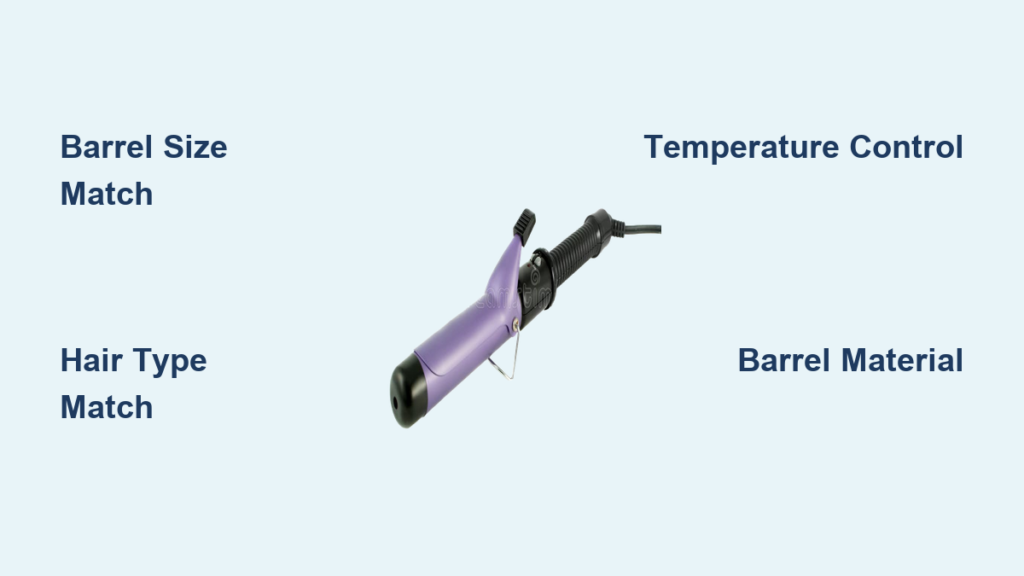
Choosing the right curling iron transforms frustrating styling sessions into effortless routines that deliver salon-quality results from your bathroom mirror. With countless options promising perfect curls, navigating the market can overwhelm even experienced shoppers—especially when the difference between all-day hold and flat strands often comes down to selecting the right tool for your specific hair. This guide cuts through the confusion by revealing exactly how barrel size, material, temperature, and shape interact with your unique hair characteristics. You’ll discover why your friend’s favorite curling iron might ruin your hair, and learn the specific features that will work with your texture, length, and styling goals.
The market bombards you with everything from basic single-temperature models to professional-grade digital tools, but rushing your selection leads to tools that either overheat fine strands or fail to grip thick hair. Taking just 15 minutes to assess your needs before shopping prevents costly mistakes and ensures your investment delivers satisfying results for years. Whether you want tight ringlets, beachy waves, or subtle volume, the perfect curling iron exists for you—it’s just a matter of knowing what to look for based on your hair’s unique requirements.
Match Your Curling Iron to Fine or Thin Hair Characteristics
Fine hair demands specific curling iron features to create lasting results without damage. Temperatures between 200-300°F prevent breakage while still allowing curl formation, as higher heat quickly strips moisture from delicate strands. For barrel size, 3/4 to 1-inch diameters create proportionate curls that add apparent density without appearing unnaturally tight. Ceramic or tourmaline coatings are non-negotiable for fine hair, as these materials emit infrared heat that gently penetrates without causing severe drying.
Why Ionic Technology Matters for Thin Strands
Ionic curling irons emit negative ions that seal the hair cuticle during styling, locking in moisture and reducing frizz that shows more prominently on fine hair. This technology creates up to 40% smaller curl particles than standard metal barrels, meaning you achieve defined results with less heat exposure. Look for tools specifically advertising ionic technology when shopping for fine hair solutions.
Essential Pre-Styling Products for Delicate Hair
Volumizing mousse applied to damp roots before blow-drying creates the foundation fine hair needs for curls to hold. Follow with a lightweight heat protectant spray that won’t weigh down strands, and finish with a flexible-hold hairspray rather than heavy gels that collapse fine textures. Never apply styling products directly to hot barrel surfaces, as this causes residue buildup that affects heat distribution.
Select Barrel Size Based on Your Exact Hair Length
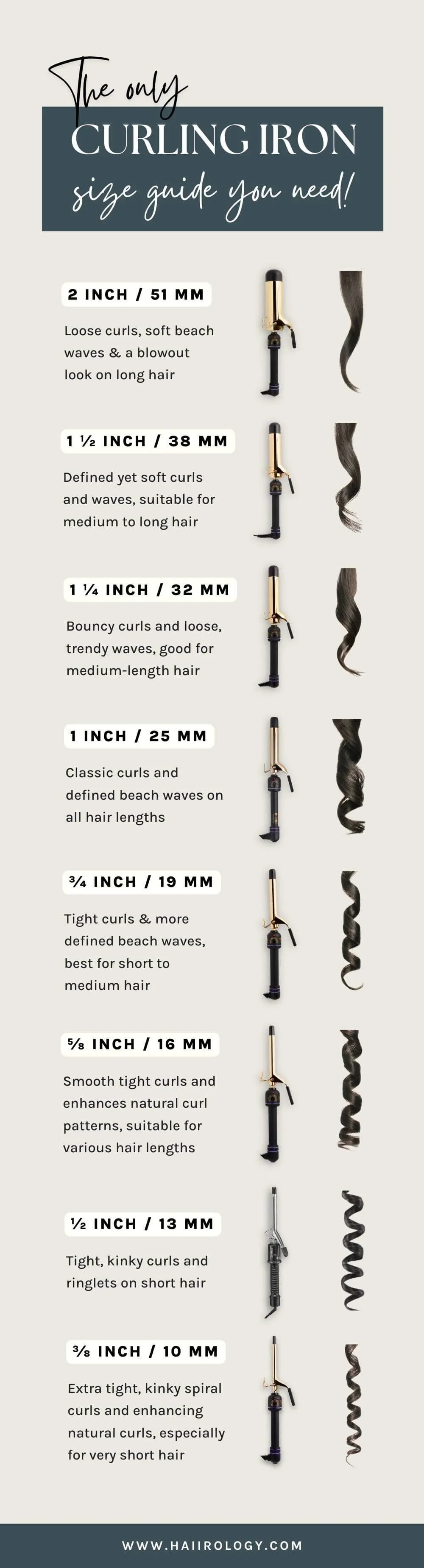
Barrel diameter directly determines curl tightness, but selecting the right size requires balancing desired outcome with practical hair length considerations. Choosing incorrectly leads to curls that fall flat within hours or appear unnatural and strained.
Short Hair Solutions (Above Chin Length)
Very short hair requires smaller barrels between 3/8 to 3/4 inch because longer barrels cannot effectively grip and curl strands that don’t extend past the iron’s length. These compact barrels create defined curls that add volume without overwhelming short styles. Avoid large barrels that simply can’t wrap your hair properly, wasting time and potentially causing heat damage from repeated attempts.
Medium Length Strategies (Chin to Shoulder)
Hair between chin and shoulder length works best with 3/4 to 1-inch barrels that create proportionate curls enhancing your natural length. Medium barrels in this range produce classic curls that hold 8-12 hours depending on your hair texture. This size avoids the “stacked” look that occurs when small barrels create overly tight curls on medium-length hair.
Long Hair Techniques (Past Shoulders)
Long hair benefits from 1 to 1-1/2 inch barrels that maintain curl definition while accommodating your hair’s weight. The larger surface area allows styling more hair at once, reducing total styling time. For extra-long hair, consider 1-1/2 inch or larger barrels to prevent curls from falling flat under their own weight. Large barrels create loose, bouncy waves that maintain shape throughout the day.
Choose Barrel Material for Your Specific Heat Protection Needs

The material composing your curling iron’s barrel determines heat distribution, directly impacting both styling results and hair protection. Understanding these differences prevents unnecessary damage while ensuring consistent, long-lasting curls.
Ceramic Coatings for Gentle Heat Distribution
Ceramic barrels distribute heat evenly across the surface, reducing hot spots that damage hair. The infrared heat gently penetrates the hair shaft without causing severe drying, making ceramic ideal for fine, damaged, or chemically-treated hair. While ceramic irons cost more than basic alternatives, they provide superior hair protection and more consistent results. Expect to pay $50-$120 for quality ceramic-coated irons.
Titanium Barrels for Thick, Resistant Hair
Titanium heats rapidly and maintains temperature exceptionally well, making it perfect for thick, coarse hair requiring higher temperatures. The lightweight material reduces arm fatigue during styling, while its durability exceeds ceramic alternatives. However, titanium’s high heat output can damage fine hair—use only with adjustable temperature controls set below 375°F. Professionals often choose titanium for its quick heat-up (under 30 seconds) and excellent recovery time between sections.
Tourmaline for Frizz Control and Shine
Tourmaline-coated irons emit negative ions that counteract positive ions in damaged hair, sealing the cuticle and locking in moisture. These premium coatings significantly reduce frizz and static, making them ideal for humid climates or naturally frizzy hair. Tourmaline works exceptionally well when combined with ceramic for maximum hair protection. Look for irons advertising “ceramic tourmaline” for the best balance of even heating and frizz control.
Control Temperature Settings for Maximum Hair Protection

Temperature control significantly impacts both styling results and hair health, making this feature essential for anyone serious about achieving beautiful curls while protecting their strands.
Adjustable vs. Fixed Temperature Tools
Fixed-temperature irons work adequately for those with healthy, medium-texture hair who style infrequently, but they limit customization for different hair sections. Adjustable irons with digital displays spanning 200-450°F allow precise heat matching to your specific hair characteristics—lower for fine hair, higher for coarse strands. Digital displays help verify the iron reaches target temperature before styling begins.
Optimal Temperature Ranges by Hair Type
Fine or damaged hair: 200-300°F
Medium/normal hair: 300-375°F
Thick/coarse hair: 375-450°F
Never exceed 450°F regardless of hair type, as extreme heat damages keratin proteins. Always use the lowest effective temperature for your hair type, increasing only if results require more heat. Allow your iron 2-5 minutes to reach target temperature before styling.
Select Barrel Shape for Your Exact Curl Pattern Goals
Barrel shape determines your curl pattern’s aesthetic, making this choice crucial for achieving your specific vision.
Tapered Barrels for Natural-Looking Waves
Tapered barrels decrease in diameter from base to tip, creating curls that transition from tighter at the roots to looser toward the ends. This mimics professional techniques like scrunching, eliminating the need for multiple tools. Tapered wands produce beachy waves ideal for shoulder-length to long hair, creating dimension without harsh transitions between curl sizes.
Straight Cylindrical Barrels for Classic Ringlets
Straight barrels create uniform curls throughout their length, producing classic, symmetrical ringlets perfect for formal styles. This traditional shape works well for beginners due to consistent technique across all hair sections. Straight barrels excel at creating structured styles but may appear less natural than tapered alternatives for everyday wear.
Avoid These 3 Costly Curling Iron Selection Mistakes
Learning from others’ errors saves you money, time, and potential hair damage in your search for the perfect curling iron.
Ignoring Hair Type Compatibility
Many shoppers select curling irons based on appearance or price without considering hair compatibility. A small-barrel iron creates beautiful curls on fine hair but produces strained results on thick strands. High-heat tools marketed for coarse hair severely damage fine strands. Research compatibility before purchasing to prevent disappointment and hair damage.
Prioritizing Size Over Hair Length
Selecting barrel size based solely on desired curl tightness without considering hair length produces poor results. Short hair cannot wrap around large barrels effectively; long hair curls from small barrels fall flat under their own weight. Match barrel size to both desired outcome and your exact hair length for practical, wearable results.
Underestimating Coating Quality Impact
The difference between basic metal barrels and premium ceramic or tourmaline coatings significantly affects results and hair health. Budget-conscious shoppers save money initially but experience more heat damage, inconsistent results, and shorter tool lifespans. Investing $20-$30 more in quality barrel coatings pays dividends in styling results and hair condition over time.
Maintain Your Curling Iron for Years of Reliable Performance
Proper care extends your curling iron’s lifespan and maintains consistent styling performance.
Cleaning Protocol for Optimal Results
Allow the barrel to cool completely, then wipe with a damp cloth for basic cleaning. For stubborn residue, use isopropyl alcohol on a cotton pad—avoiding electrical components. Clean irons perform better and last longer than neglected tools. Never use abrasive cleaners that scratch protective coatings.
Proper Storage Practices
Store your curling iron in a cool, dry location away from moisture and humidity. Use the protective pouch or case that came with your tool for storage and travel. Avoid wrapping cords tightly around the iron body, as this stresses cord connections. Unplug and allow complete cooling before storing to prevent accidental activation.
When you match your curling iron to your specific hair characteristics, length, and styling goals, you transform frustrating sessions into enjoyable routines that deliver consistent, beautiful results. The perfect tool for you exists—it’s just a matter of selecting based on your unique needs rather than generic recommendations. With the knowledge you’ve gained, you can confidently navigate the market and invest in a curling iron that protects your hair while creating the exact style you want, every time.