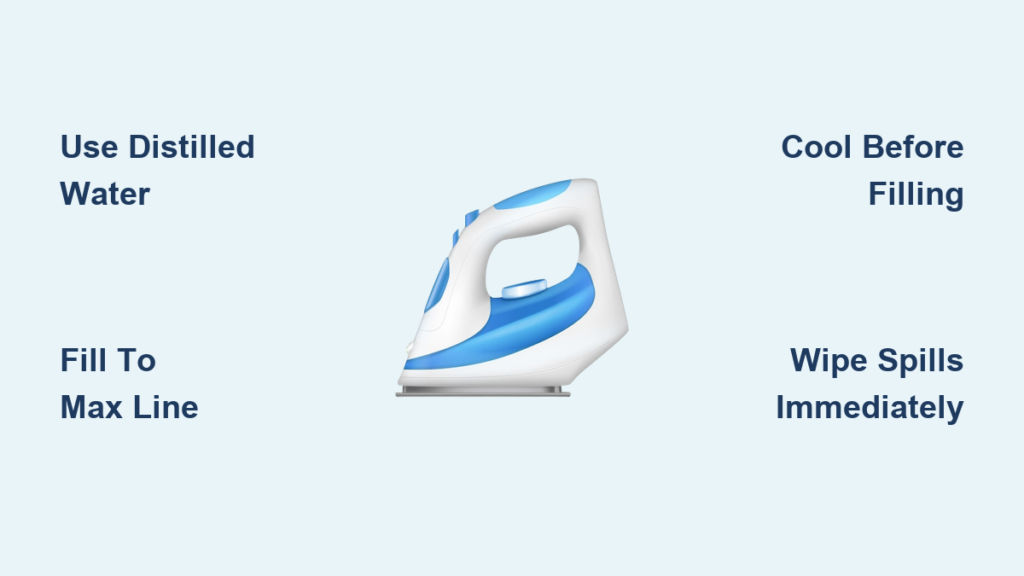
Nothing ruins a smooth ironing session faster than discovering your iron’s steam function has suddenly stopped working mid-task. This frustrating scenario usually traces back to improper water filling techniques or using the wrong type of water in your steam iron. When you know exactly how to put water in iron steamer correctly, you’ll extend your appliance’s lifespan while achieving professional-quality results on all your fabrics. This guide reveals the precise water filling process that prevents common mineral buildup and ensures consistent steam performance, whether you’re using a basic model or advanced steam station.
Locating and Accessing Your Iron’s Water Reservoir
Before adding water, you need to properly access your iron’s reservoir without causing damage. Most modern steam irons feature a clearly marked water fill opening on the top or back of the appliance, typically protected by a flip-up or removable cap. The fill hole is usually positioned away from the soleplate to prevent accidental spills on hot surfaces. For vertical steamers or garment steamers, the reservoir is often a separate detachable tank that slides into a compartment on the device’s body.
How to Identify Your Specific Iron’s Fill System
Different iron models have distinct water reservoir designs that require specific handling:
- Traditional steam irons typically have a rear-facing fill hole with a rubber stopper or hinged plastic cover
- Steam generator irons feature larger external water tanks that detach completely for filling
- Cordless steamers often have small reservoirs accessed through a side port that requires a special funnel
- Vertical garment steamers usually have transparent tanks that slide out from the base unit
Look for “MAX” and “MIN” fill lines inside the reservoir – these indicators are crucial for preventing overflow or inadequate steam production. If you can’t locate your fill opening, consult your specific model’s manual as designs vary significantly between brands like Rowenta, Black+Decker, or T-Fal.
Selecting the Correct Water Type for Your Steam Iron
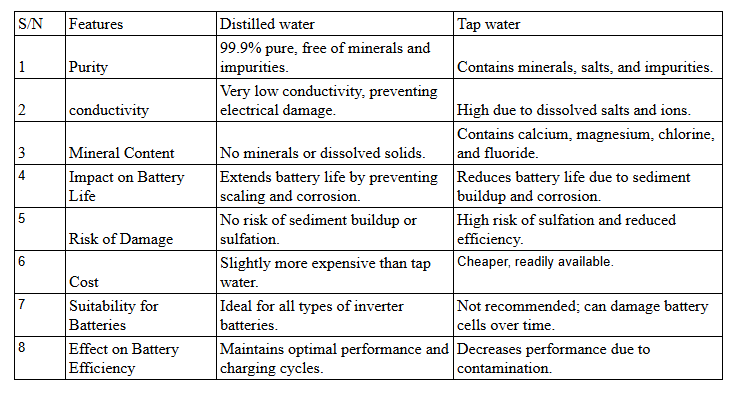
Using improper water in your iron causes permanent damage that no amount of cleaning can fully reverse. Tap water contains minerals that accumulate inside heating elements and steam vents, eventually clogging your iron’s system. Distilled water remains the universal recommendation across all iron manufacturers because it lacks these damaging minerals.
Why Tap Water Ruins Steam Iron Performance
Mineral deposits from tap water create three critical problems:
- Clogged steam vents – Calcium buildup blocks tiny steam holes, reducing output
- Brown water stains – Iron oxide from hard water transfers to your clothing
- Heating element damage – Scale buildup insulates heating elements, causing premature failure
If distilled water isn’t available, filtered water from a quality home filtration system serves as an acceptable temporary alternative. Never use bottled spring water, as it contains similar minerals to tap water. In emergencies, boiling and cooling tap water before use reduces but doesn’t eliminate mineral content.
Step-by-Step Water Filling Procedure
Following the correct sequence prevents spills, ensures proper fill levels, and maintains your iron’s functionality. Rushing this process causes common issues like water leakage during storage or inadequate steam production when you need it most.
How to Fill a Traditional Steam Iron Reservoir
- Unplug and cool completely – Never add water to a warm iron (minimum 30 minutes cooling time)
- Position horizontally – Lay your iron flat on a towel with the soleplate facing down
- Open fill cap carefully – Lift the designated cover without forcing it
- Use a narrow-spout container – A small measuring cup or dedicated iron filler prevents spills
- Fill to MAX line only – Never exceed the maximum fill indicator
- Wipe excess immediately – Remove any water from exterior surfaces
- Close cap securely – Ensure the seal clicks into place before use
Critical Mistakes to Avoid When Filling
- Adding water while the iron is still warm (causes thermal shock to components)
- Overfilling beyond the MAX line (leads to leaks during storage)
- Using vinegar or descaling solutions as regular water (damages internal seals)
- Ignoring MIN fill line (running dry damages heating elements)
- Tilting the iron during filling (water enters electrical components)
Special Considerations for Different Iron Types
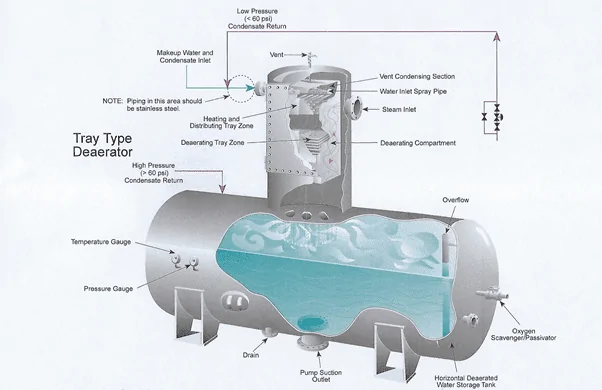
Steam stations and garment steamers require modified filling techniques that many users get wrong. These larger systems have unique reservoir designs that demand specific handling procedures to maintain optimal performance.
Filling Steam Generator Systems Correctly
Steam generator irons feature separate water tanks that require special attention:
- Remove the tank completely before filling – never fill while attached
- Use only the provided funnel to prevent spills in the connection port
- Fill to the indicated line on the tank itself, not the base unit
- Purge air from the system by running steam for 30 seconds before ironing
- Store with tank empty to prevent stagnant water odor
Garment Steamer Reservoir Best Practices
Vertical steamers have different requirements than traditional irons:
- Fill while the unit stands upright – never lay horizontal
- Use only the included measuring cup to avoid overfilling
- Check for hidden secondary reservoirs in premium models
- Add water between garments during extended use sessions
- Never fill while the unit is hot or recently used
Troubleshooting Common Water-Related Issues

Even with proper filling techniques, problems can occur that affect your iron’s steam performance. Recognizing these issues early prevents minor problems from becoming major malfunctions that require replacement.
Why Your Iron Isn’t Producing Steam After Filling
When you’ve correctly put water in iron steamer but get no steam, check these common issues:
- Temperature too low – Steam function only activates at proper heat settings (usually above “wool”)
- Clogged steam vents – Mineral deposits block steam release (requires cleaning)
- Faulty thermostat – Heating element isn’t reaching steam production temperature
- Water level sensor malfunction – Digital models may not detect water properly
- Airlock in system – New irons or long-stored units need air purged from lines
How to Fix Leaking After Proper Filling
Water leakage after correct filling usually indicates:
- Overfilling beyond MAX line (drain excess immediately)
- Damaged reservoir seal (requires professional repair)
- Using incorrect water type causing excessive pressure
- Iron not positioned flat during storage
- Manufacturing defect in reservoir housing
Preventative Maintenance for Long-Term Performance
Regular care extends your iron’s lifespan significantly. Establishing proper water habits prevents 90% of common steam iron failures related to water systems. Manufacturers consistently identify improper water usage as the leading cause of premature iron replacement.
Monthly Maintenance Routine
- Empty remaining water after each use (don’t store with water inside)
- Run a vinegar-water solution through the system monthly (50/50 mix)
- Clean steam vents with a toothpick or specialized tool
- Wipe exterior reservoir areas to prevent mineral buildup
- Check fill cap seal for cracks or deformation
When to Replace Your Iron Instead of Repairing
Consider replacement when you notice:
- Persistent leaking despite proper filling techniques
- Brown stains on clothing that cleaning doesn’t resolve
- Complete loss of steam function after descaling
- Cracks in the water reservoir housing
- Age exceeding manufacturer’s recommended lifespan
Final Note: Proper water filling technique remains the simplest yet most overlooked aspect of steam iron maintenance. By consistently using distilled water, filling to the correct level, and following your specific model’s requirements, you’ll maintain optimal steam performance for years. Always consult your iron’s manual for model-specific instructions, as reservoir designs vary significantly between brands and models. For best results, empty your iron after each use and store it upright with the water tank completely dry to prevent mold growth and mineral deposits between uses.