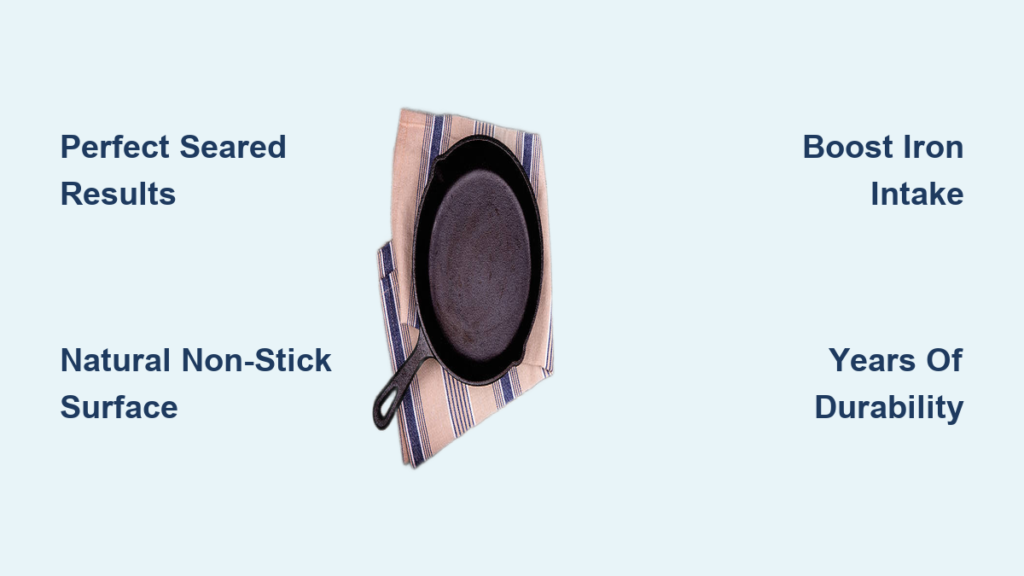
That stubborn, sticky layer of old grease on your cast iron skillet isn’t just unsightly—it’s actively working against you in the kitchen. When grease builds up over time, it transforms from a protective seasoning into a gummy, rancid mess that can ruin your cooking experience and potentially damage your pan’s integrity. Many home cooks mistakenly believe their skillet is beyond saving when faced with this common problem, but the truth is that even severely neglected cast iron can be restored with the right approach. You don’t need expensive products or specialized equipment; the solutions are simpler than you think and already in your kitchen pantry.
Whether you’ve inherited a family heirloom coated in decades of buildup or simply let your favorite pan sit too long after cooking bacon, this guide delivers practical, proven methods to reclaim your cast iron’s cooking surface. I’ll walk you through why grease turns sticky in the first place, which cleaning techniques work best for different levels of buildup, and crucially, how to properly reseason your pan afterward to prevent future problems. By the end of this article, you’ll have the confidence to tackle even the most gummed-up skillet and keep it in pristine condition for years to come.
Why Grease Becomes Sticky on Cast Iron
When grease transforms from a smooth seasoning layer to sticky residue, it’s because of a chemical process that occurs when oil breaks down over time without proper maintenance. Unlike the desirable polymerized seasoning that forms a slick cooking surface, old sticky grease represents oil that has partially oxidized but never fully bonded to the iron. This incomplete polymerization happens when you repeatedly cook with oil but don’t clean and reseason properly, leaving behind layers of oil that become increasingly difficult to remove.
The stickiness intensifies when you use oils with low smoke points that break down at cooking temperatures, creating a gummy residue instead of a hard seasoning layer. Cooking acidic foods in an improperly seasoned pan accelerates this breakdown, as does storing food in the skillet or allowing it to air-dry after washing. Humidity plays a role too—moisture in the air reacts with the degraded oil, creating a tacky surface that actively attracts more food particles and grease during subsequent cooking sessions. Recognizing these factors helps you choose the most effective cleaning method and prevent recurrence.
Gather Your Cleaning Supplies
Before attempting any cleaning method, assemble the right tools to ensure success without damaging your skillet. Start with a stiff natural-bristle brush or nylon scrubber—these provide enough abrasion to remove sticky residue while preserving your pan’s surface. Skip steel wool or metal scouring pads unless dealing with extreme buildup, as they can create microscopic scratches that become problem spots for future sticking.
Your pantry likely contains all the cleaning agents you need: mild dish soap for light cleaning, baking soda as a gentle abrasive, white vinegar for dissolving mineral deposits, and coarse kosher salt for traditional scrubbing. You’ll also need clean cotton cloths (paper towels work in a pinch), hot water, and high-smoke-point oil like flaxseed or grapeseed for reseasoning. For particularly stubborn jobs, keep a chainmail scrubber handy—it’s designed specifically for cast iron and won’t damage the surface. Having all supplies ready prevents mid-process interruptions that could leave your pan vulnerable to rust.
Basic Soap and Water Method
Contrary to outdated cast iron myths, a small amount of mild dish soap won’t harm your skillet when used occasionally for deep cleaning. Modern dish soaps are gentle enough to remove sticky grease without stripping the underlying seasoning layer. Begin by warming your skillet on low heat for 3-5 minutes—this softens the grease without causing thermal shock. Remove from heat, then add a few drops of soap directly to the greasy areas.
Using your scrubber, work the soap into the surface with firm circular motions, focusing on the stickiest spots. The warmth helps the soap penetrate deeper into the grease layers. For extra stubborn areas, let the soapy mixture sit for 5-10 minutes before scrubbing again. Rinse thoroughly with hot water, checking that the water runs clear and your fingers come away clean when wiping the surface. This method works best for recently developed sticky spots and should be your first attempt before moving to more aggressive techniques.
Use Baking Soda for Stubborn Residue

When soap alone fails, baking soda’s dual action as a mild abrasive and alkaline cleaner makes it ideal for breaking down sticky grease. Its gentle abrasiveness lifts residue without scratching, while its alkalinity neutralizes the fatty acids in degraded oils. Create a thick paste by mixing 3 tablespoons of baking soda with just enough water to form a spreadable consistency.
Apply this paste to the warm skillet’s cooking surface, then use your scrubber to work it into the sticky areas with firm pressure. The heat helps activate the baking soda’s cleaning properties. For especially tough spots, sprinkle dry baking soda directly onto the surface and add water drop by drop to create a concentrated cleaning paste exactly where needed. Continue scrubbing until the baking soda turns dark from absorbed grease, then rinse thoroughly with hot water. Repeat if necessary—baking soda won’t damage your skillet even with multiple applications.
Try White Vinegar Solution
For vintage skillets or severely neglected pans where grease has hardened into almost plastic-like layers, a vinegar soak can work wonders. The acetic acid in white vinegar gently dissolves mineral deposits and helps break the bond between old grease and the iron surface. Mix equal parts white vinegar and warm water in a container large enough to submerge your skillet completely.
Soak the pan for 30-60 minutes—no longer, as extended acid exposure can begin affecting the iron itself. Check periodically; the previously stubborn grease should start lifting away. After soaking, remove the pan and scrub with your brush. For particularly tough areas, create a baking soda paste to neutralize any remaining acid while providing additional scrubbing power. Rinse thoroughly with hot water and dry immediately to prevent flash rusting. This method works especially well when grease buildup includes rust spots.
Salt as a Natural Abrasive

Coarse kosher salt has been the traditional cast iron cleaner for generations, and for good reason—it’s effective, affordable, and completely food-safe. The salt crystals provide just enough abrasion to dislodge sticky grease while being gentle on the pan’s surface. Heat your skillet briefly to soften the grease, then turn off the heat and pour a generous handful of salt directly onto the cooking surface.
Using a folded paper towel or clean cloth, rub the salt into the greasy areas with firm, circular motions. The salt absorbs liquid grease while the friction helps lift residue. For dried-on spots, add a few drops of water to create a thicker paste. Continue scrubbing until the salt turns dark from dissolved grease, then shake or wipe the pan clean. Rinse with hot water and dry thoroughly. The beauty of this method is its simplicity—no chemical cleaners, no complicated steps, just effective cleaning that’s safe for immediate cooking afterward.
Deep Clean with Polymerized Oil
When grease has bonded so thoroughly with old seasoning that removal seems impossible, try this counterintuitive method: applying more oil to loosen the existing buildup. Heat your skillet on medium until warm, then apply a thin layer of high-smoke-point oil to the entire cooking surface. Continue heating until the oil begins to smoke lightly, then reduce to low heat and maintain for 10-15 minutes.
This process causes the new oil to polymerize and bond to the metal, potentially softening the grip that old grease has on the pan. Let the skillet cool completely, then wipe away excess oil with a clean cloth. Follow with a thorough wash using hot water and mild soap—the previously stubborn grease should now lift away more easily. This method may require repeating 2-3 times for heavily neglected pans, but each cycle progressively improves the surface condition without aggressive scrubbing.
Season Your Skillet After Cleaning
Proper reseasoning is non-negotiable after removing old sticky grease—without it, your clean skillet remains vulnerable to rapid re-greasing and rust. Start with a completely dry skillet heated on low for 5 minutes to ensure all moisture has evaporated. Apply an extremely thin layer of oil using a paper towel, rubbing it into the surface until it’s barely visible—too much oil creates sticky spots rather than smooth seasoning.
Place the pan upside down in a 400°F oven with a baking sheet below to catch drips. Bake for one hour, then turn off the oven and let the pan cool completely inside. This slow cooling prevents thermal shock and helps the seasoning bond evenly. Repeat this oil application and baking process two more times for optimal results. The multiple thin layers create a durable, non-stick surface that resists future grease buildup far better than a single thick layer.
Prevent Future Grease Buildup
The key to avoiding sticky grease lies in consistent maintenance after each use. Never let your skillet cool completely before cleaning—while still warm (but not hot), wipe it clean with a paper towel while the grease remains pliable. For stuck-on food, add a pinch of salt and a splash of water, then scrub gently while the pan retains some warmth.
After cleaning, apply a very thin layer of oil to the cooking surface while the pan is still slightly warm. Store your skillet in a dry location with good air circulation, and never stack other pans inside it. Use high-smoke-point oils for cooking and avoid cooking acidic foods until your seasoning is well-established. With these simple habits, you’ll maintain that perfect balance between protective seasoning and problematic sticky buildup.
When to Avoid These Methods
While these techniques work for most situations, certain circumstances require special consideration. Never use oven cleaners, commercial degreasers, or dishwasher cycles on cast iron—they can leave harmful residues. Avoid bleach or ammonia-based products, which can damage the iron and create dangerous fumes when heated.
If your skillet shows deep rust penetration, structural cracks, or severe warping, professional restoration might be necessary before attempting deep cleaning. Skillets with decorative elements or non-stick coatings require gentler approaches. When in doubt about your pan’s condition, start with the mildest method (soap and water) and progress gradually—aggressive cleaning can sometimes cause more harm than the sticky grease itself.
Restoring a greasy cast iron skillet takes patience, but the reward—a perfectly seasoned cooking surface that improves with use—makes the effort worthwhile. By understanding why grease becomes sticky and applying the right cleaning method for your situation, you can bring even the most neglected pan back to life. Remember that consistent maintenance afterward prevents future buildup and protects your investment in this timeless cookware. With these techniques in your repertoire, you’ll never need to throw away a cast iron skillet again—no matter how sticky the situation appears.