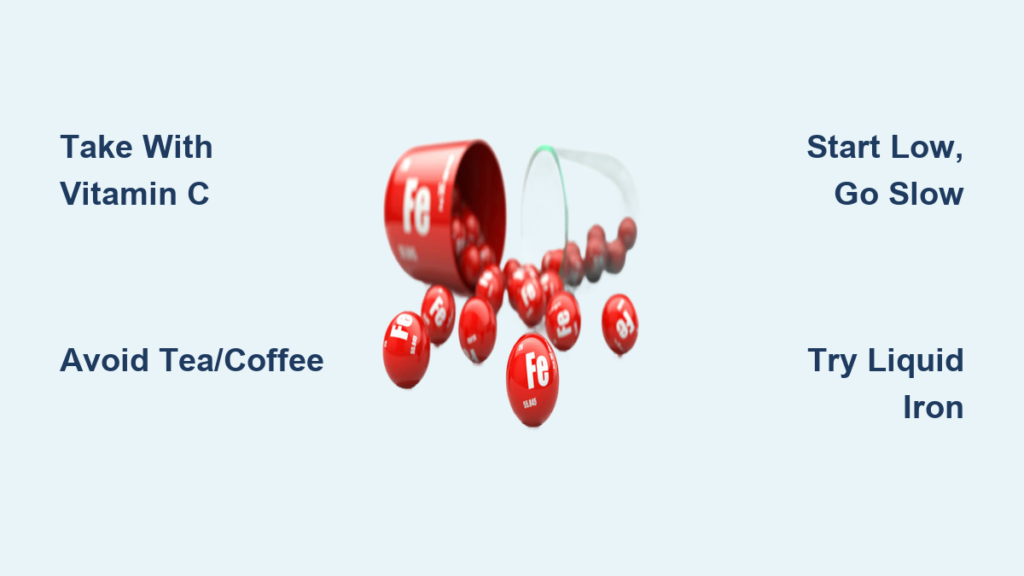
Iron deficiency affects millions of people worldwide, yet many abandon their treatment due to the unpleasant nausea that often accompanies iron supplementation. This frustrating cycle of starting and stopping medication can prolong fatigue, weakness, and other anemia symptoms for months longer than necessary. The good news is that nausea from iron pills isn’t inevitable—most people can successfully complete their treatment by applying specific, evidence-based strategies that minimize stomach irritation while maintaining optimal absorption. This guide reveals exactly how to take iron pills without getting nauseous, so you can restore your iron levels without sacrificing your comfort. You’ll discover practical techniques that work with your body’s natural processes rather than against them, allowing you to finally stick with your treatment long enough to feel better.
Why Iron Pills Trigger Stomach Discomfort
Iron supplements cause nausea primarily because elemental iron reacts with stomach acid, creating conditions that irritate your digestive lining. When ferrous sulfate enters your stomach, the concentrated dose—much higher than what you’d get from food—interacts with gastric juices, triggering inflammation in sensitive individuals. This chemical reaction explains why some people experience immediate queasiness, while others develop delayed nausea hours after taking their supplement. Your personal tolerance depends on multiple factors including your stomach’s natural acidity level, the specific formulation you’re using, and whether you’re taking it with food or on an empty stomach.
How Iron Formulations Affect Nausea Severity
Not all iron supplements cause equal discomfort. Ferrous sulfate, the most commonly prescribed form, contains high elemental iron content that often triggers stronger reactions compared to alternatives like ferrous gluconate or ferrous fumarate. The tablet coating also matters—enteric-coated versions may reduce stomach irritation for some people by delaying release until the supplement reaches the small intestine. If you’ve experienced severe nausea with standard tablets, ask your doctor whether switching formulations might help while still providing adequate iron for your condition.
Perfect Timing to Avoid Morning Sickness
Taking iron at the optimal time of day significantly reduces nausea while maximizing absorption. For most people, the sweet spot is 30 minutes before breakfast when your stomach is empty but you’re alert enough to monitor any side effects. This timing allows iron to pass quickly through your stomach into the small intestine where absorption occurs, minimizing contact time with your sensitive stomach lining. If morning dosing consistently makes you queasy, consider taking your supplement 2 hours after dinner when you’re winding down for the night—you may sleep through the peak irritation period.
When Empty Stomach Dosing Isn’t Possible
If taking iron on an empty stomach consistently triggers vomiting or severe discomfort, don’t force it. Many healthcare providers now recommend taking iron with a small, low-fiber meal to improve tolerance, even though absorption decreases slightly. Focus on foods that won’t interfere with absorption—steamed vegetables or lean protein work better than high-fiber cereals or dairy products. The priority is consistent supplementation you can maintain, not perfect absorption that you abandon due to nausea.
Vitamin C: Your Secret Weapon Against Nausea

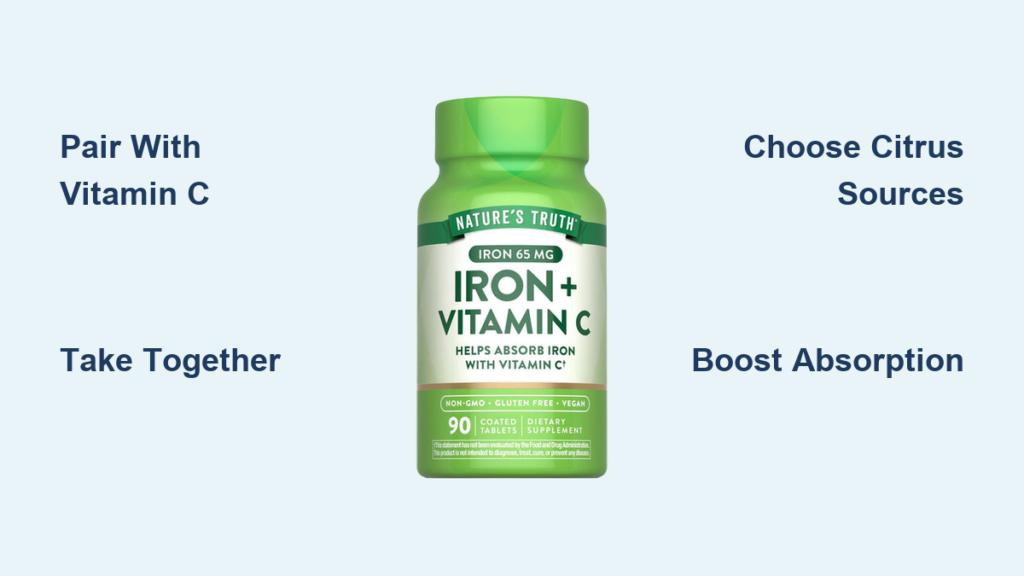
Combining iron with vitamin C creates a powerful one-two punch that both boosts absorption and reduces stomach upset. Vitamin C converts ferric iron (Fe³⁺) into the more absorbable ferrous form (Fe²⁺) while creating an acidic environment that helps move iron through your digestive system more efficiently. This simple strategy works so well that many people report eliminating nausea entirely when they take their iron pill with a glass of orange juice.
Practical Vitamin C Pairing Methods
For maximum benefit, take 250-500mg of vitamin C alongside each iron dose. Instead of swallowing another pill, try these easier approaches:
– Drink 4-6 ounces of orange juice with your supplement
– Eat half a grapefruit or a handful of strawberries before dosing
– Add lemon juice to your water when swallowing the pill
– Take a chewable vitamin C tablet 10 minutes before your iron
This combination works particularly well for people who experience nausea within 30 minutes of taking iron alone, as the vitamin C helps activate digestive enzymes that process the supplement more smoothly.
Immediate Nausea Relief Tactics You Can Try Now

When you feel that familiar queasy sensation starting after taking iron, these quick interventions can stop nausea before it escalates:
Ginger-Based Solutions
Ginger’s natural anti-nausea properties provide fast relief. Keep these options handy:
– Sip ginger tea 15 minutes before taking your iron pill
– Chew crystallized ginger after dosing if nausea begins
– Take a 250mg ginger supplement capsule with your iron
Positioning and Breathing Techniques
How you position your body affects how iron moves through your digestive system:
– Stay upright for at least 30 minutes after taking iron—never lie down immediately
– Practice diaphragmatic breathing if nausea strikes: inhale for 4 seconds, hold for 7, exhale for 8
– Apply gentle pressure to the P6 acupressure point on your inner wrist
What to Avoid That Worsens Iron Nausea
Certain common foods and beverages dramatically increase your risk of nausea while simultaneously blocking iron absorption. Tea and coffee contain tannins that bind to iron, creating compounds that irritate your stomach lining while preventing absorption. Dairy products cause similar problems due to calcium interference. To minimize nausea risk, create a 2-hour buffer zone around your iron dose where you avoid:
- Black tea, green tea, and coffee
- Milk, cheese, yogurt, and other dairy products
- Eggs and calcium-fortified foods
- High-fiber cereals and bran products
This timing strategy alone resolves nausea for many people who previously thought they couldn’t tolerate iron supplements.
Dose Adjustment Strategies That Actually Work
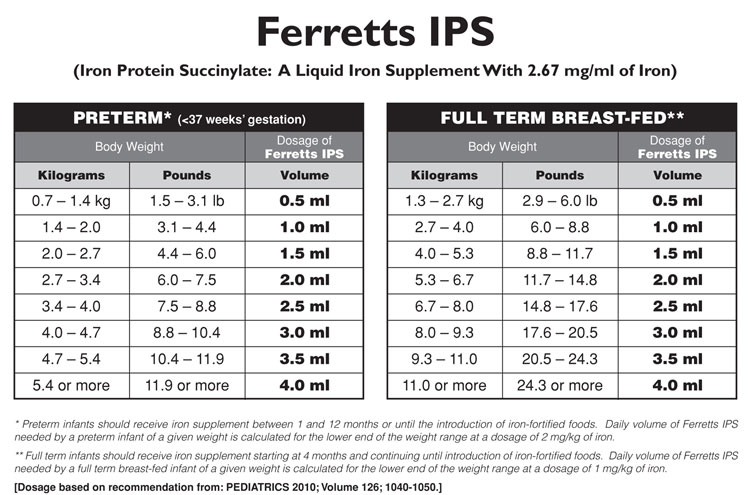
When standard dosing causes persistent nausea, these medication management techniques can help:
Gradual Dose Escalation
Instead of jumping straight to the full prescribed dose, try building tolerance slowly:
1. Start with half a tablet for the first 3-5 days
2. Increase to three-quarters for another 3-5 days
3. Move to the full dose once your system adjusts
This approach gives your digestive tract time to adapt to processing iron, often reducing or eliminating nausea that would have made you abandon treatment.
Alternate-Day Dosing Protocol
Recent research shows that taking iron every other day rather than daily may actually improve absorption percentages while giving your stomach regular recovery time. This counterintuitive approach works because your body’s iron transport mechanism (ferroportin) needs time to reset between doses. Ask your doctor if this schedule might work for your specific deficiency level—it could mean fewer days of nausea while still effectively rebuilding your iron stores.
Liquid Iron: The Game-Changer for Sensitive Stomachs
When tablets continue causing nausea despite timing adjustments, liquid iron formulations often provide dramatic relief. Ferrous sulfate drops disperse more quickly through your digestive system than tablets, reducing concentrated exposure to any one area of your stomach lining. The liquid form also allows for precise dose titration—you can start with just a few drops and gradually increase as your tolerance improves.
How to Take Liquid Iron Properly
For best results with liquid iron:
– Measure doses with the provided syringe (kitchen spoons are inaccurate)
– Mix with juice containing vitamin C for enhanced absorption
– Rinse your mouth after taking to prevent tooth staining
– Start with 1-2mL daily, increasing slowly to the prescribed amount
Many people find they can take liquid iron on an empty stomach without discomfort when they couldn’t tolerate tablets at all, making this formulation worth discussing with your doctor if nausea persists.
When to Consult Your Doctor About Alternative Options
If you’ve consistently applied these strategies for 1-2 weeks without improvement, it’s time to consult your healthcare provider about other solutions. Persistent nausea could indicate:
– An underlying digestive condition affecting tolerance
– A need for prescription-strength alternatives like ferrous gluconate
– The possibility of intravenous iron therapy for severe cases
Don’t suffer through nausea unnecessarily—your doctor has multiple options to help you complete treatment comfortably. Mention specifically that you’ve tried timing adjustments, vitamin C pairing, and dose modifications so they understand you’ve already attempted standard solutions.
Successfully taking iron pills without getting nauseous requires understanding your body’s unique response and applying targeted strategies that address the root causes of discomfort. By implementing these evidence-based techniques—optimizing timing, pairing with vitamin C, avoiding absorption blockers, adjusting doses gradually, and considering liquid formulations—you can finally complete your iron supplementation course without the queasiness that derailed previous attempts. Remember that consistent dosing matters more than perfect absorption—finding an approach you can maintain for the full 3-6 month treatment period will restore your iron levels more effectively than intermittent high-absorption dosing that you abandon due to nausea. Work with your healthcare provider to personalize these strategies for your specific needs, and within weeks you’ll notice improved energy as your iron levels normalize—without the stomach upset that made you dread taking your medication. Your body needs iron to function properly, and with these practical solutions, you can give it what it needs while keeping your digestive system happy.