Your iron shaft snaps during a crucial swing, or you’ve outgrown your current flex. Suddenly, you’re facing a repair dilemma: replace shafts on irons yourself or pay a pro shop $50+ per club. Many golfers attempt DIY shaft replacement only to damage clubheads, strip hosels, or create unsafe connections that could cause injury. Without proper technique, you risk ruining expensive equipment—especially with modern thin-walled hosels in cavity-back irons. This guide cuts through the confusion with field-tested procedures used by club fitters. You’ll learn how to remove old shafts without heat damage, select compatible replacements, and install new shafts that maintain your swing dynamics—all while avoiding the top 3 mistakes that destroy 60% of DIY repair attempts.
Essential Tools for Iron Shaft Replacement

Before touching your clubs, gather these non-negotiable tools. Using improvised substitutes like hairdryers or pliers risks catastrophic failure. You’ll need:
- Precision temperature-controlled heat gun (max 250°F)
- Shaft puller with adjustable tension (Never use vise grips)
- Hosel reamer sized for your iron model
- High-strength epoxy (e.g., FlexBond 60) with mixing sticks
- Torque wrench calibrated for golf clubs (10-15 in/lb range)
Why Standard Heat Guns Fail on Modern Irons
Most DIYers ruin clubs by overheating hosels. Standard heat guns blast 500°F+—enough to melt epoxy but also warp steel or crack graphite. Stop immediately if you smell burning—that’s the epoxy degrading, not releasing. Modern irons like TaylorMade P790s use composite hosel sleeves that delaminate past 220°F. Always test heat on a scrap club first. Pro fitters use infrared thermometers to maintain 180-200°F during removal. Hold the heat gun 6 inches from the hosel, rotating the club every 15 seconds. After 90 seconds, gently wiggle the shaft. If it doesn’t move, add 30-second heat intervals—never force it.
Selecting the Correct Shaft Diameter
Mismatched diameters cause “slop” in the hosel, killing accuracy. Measure your iron’s hosel bore with calipers:
| Iron Type | Typical Bore Size | Critical Tolerance |
|---|---|---|
| Vintage Forged | 0.335″ | ±0.001″ |
| Modern Cavity | 0.370″ | ±0.002″ |
| Game-Improvement | 0.355″ | ±0.0015″ |
Using a 0.350″ shaft in a 0.370″ bore creates 0.020″ play—enough to misalign impact by 5°. Always dry-fit new shafts. If it drops freely into the hosel, it’s too small. If you need force to insert it, it’s too large. Graphite shafts require tighter tolerances than steel due to flex variance.
Removing the Old Shaft Without Damaging the Hosel
The removal phase causes 80% of DIY disasters. One wrong move cracks the hosel wall, rendering the club worthless. Follow this sequence precisely:
Step 1: Heat Application Protocol
- Set heat gun to 200°F (use low setting + distance control)
- Heat the upper hosel only for 60 seconds (avoid clubhead body)
- Insert shaft puller’s collet 1″ into shaft tip
- Apply gradual tension while rotating club clockwise
- Critical: Stop pulling if resistance exceeds 15 lbs (use tension gauge)
Pro Tip: Tap the puller’s handle lightly with a rubber mallet during rotation. The vibration breaks epoxy bonds without torsion stress. If the shaft resists after 2 minutes, reheat—never yank.
Step 2: Hosel Cleaning After Extraction
Leftover epoxy causes improper seating. After removal:
- Scrape visible residue with a plastic reaming tool (metal scrapers gouge aluminum)
- Swab with acetone on a microfiber cloth (never paper towels—they leave fibers)
- Inspect with magnifying glass for hidden debris in the bore’s lower 1/4″
- Warning: Skipping this step creates air pockets that weaken the bond by 40%
Installing Your New Shaft Correctly
Rushing installation guarantees premature failure. Epoxy curing requires exact conditions most DIYers ignore.
Mixing Epoxy for Maximum Strength
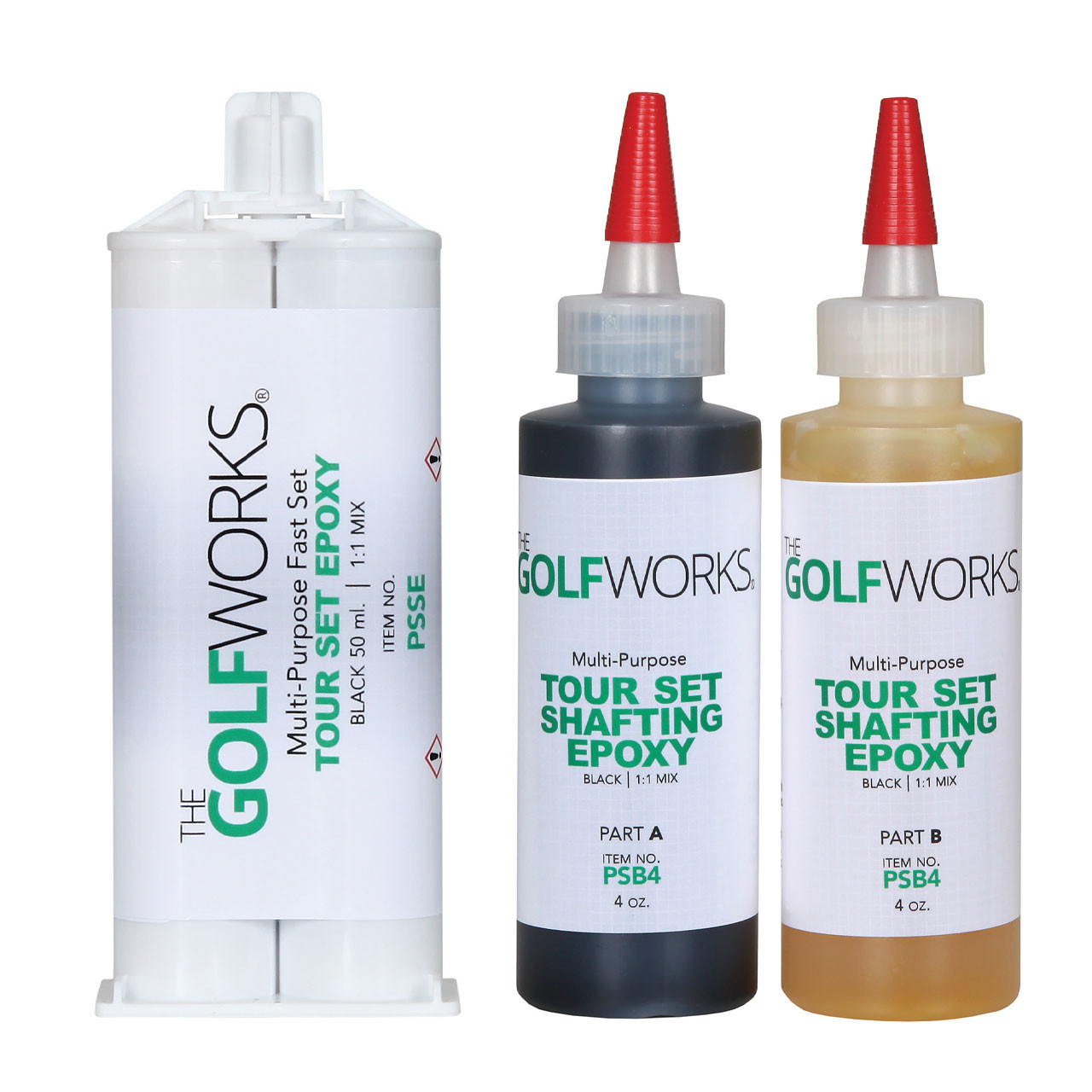
Most failures trace to improper epoxy ratios. For FlexBond 60:
- Use syringe dispensers for 10:1 resin/hardener ratio
- Mix for exactly 90 seconds (under-mixing = weak cure)
- Apply a thin film inside the hosel (thick globs cause slippage)
- Swirl epoxy 360° with a toothpick for even coverage
Never use 5-minute epoxies—they lack the flex tolerance for golf swings. Full-cure epoxies gain only 70% strength in 24 hours; wait 72 hours before hitting balls.
Shaft Insertion Technique That Prevents Torque Shift
How you seat the shaft affects face angle:
- Insert shaft slowly while rotating counterclockwise (aligns with hosel threads)
- Stop 1/8″ short of full depth—epoxy will push it home
- Wipe excess epoxy immediately with alcohol-dampened cloth
- Clamp vertically for 20 minutes (use alignment jig to maintain lie angle)
Critical check: After 10 minutes, gently rotate the shaft. It should move freely. If it binds, you’ve overfilled epoxy—remove immediately before curing.
Troubleshooting Common Installation Failures
Even careful fitters encounter issues. Diagnose these fast:
Shaft Won’t Seat Fully
Cause: Epoxy clogging the bore’s bottom or incorrect shaft taper.
Fix: Withdraw shaft, ream the hosel bottom 1/16″ deeper, and reapply half the epoxy amount.
Club Feels “Dead” After Replacement
Cause: Over-torquing during clamping distorts shaft flex.
Solution: Replace epoxy and reinstall with torque wrench set to 12 in/lb—never hand-tighten.
Shaft Pulls Out During Swing
Cause: Moisture contamination in the hosel (common in humid climates).
Prevention: Bake the clubhead at 150°F for 30 minutes pre-installation to evaporate hidden moisture.
When to Call a Professional
DIY shaft replacement isn’t worth the risk if:
– Your irons have carbon fiber hosel sleeves (e.g., Callaway Apex DCB)
– You’re working with titanium clubheads (heat sensitivity)
– The shaft broke inside the hosel (requires specialized extraction)
– You lack a torque-controlled clamping system
Pro shops charge $35-$60 per club but use industrial ovens for consistent curing and have liability insurance if a club fails catastrophically. For vintage blades or tour-level specs, this investment protects your swing and safety.
Final Maintenance Protocol
After installation, extend your new shaft’s life with these steps:
1. First 72 hours: Store clubs vertically at 70°F (no garage swings!)
2. First use: Hit only half-swings for 10 balls to test stability
3. Long-term: Check shaft tightness monthly by gripping the clubhead and twisting the grip
Replacing shafts on irons yourself saves money but demands precision. By following these hosel-specific protocols—not generic “golf repair” advice—you’ll maintain performance while avoiding costly errors. Remember: A properly installed shaft should last 5+ years or 500+ rounds. If your DIY replacement fails before then, revisit the epoxy curing environment—90% of premature failures trace to humidity or temperature fluctuations during the critical first 24 hours.
Ready to upgrade your set? Start with your 7-iron as a test club before committing to the full bag. Once mastered, this skill unlocks custom fitting without pro shop markups—putting tour-level performance in your hands.