Iron fuels your body’s essential oxygen transport system, powers muscle function, and supports countless cellular processes that keep you energized throughout the day. This critical mineral forms the core of hemoglobin—the protein in red blood cells that delivers oxygen from your lungs to every tissue in your body. Despite its vital role, many people struggle to understand the different types of iron vitamins available and how each uniquely impacts their health. Whether you’re managing low iron levels, following a plant-based diet, or simply optimizing your nutrition, knowing these iron varieties helps you make smarter dietary choices that directly affect your energy and wellbeing.
Your body contains approximately 3 to 4 grams of elemental iron, with the majority working in hemoglobin to transport oxygen. The rest gets stored as ferritin or hemosiderin in your liver, spleen, and bone marrow, or functions in myoglobin within muscle tissue. Transferrin serves as iron’s transportation system through your bloodstream. Understanding the distinct types of iron vitamins reveals why some sources power your system more effectively than others, helping you strategically select foods and supplements that truly meet your body’s needs.
Heme Iron: Animal-Based Iron Powerhouses
Heme iron represents the highly efficient form created when iron binds with protoporphyrin IX, found exclusively in animal-derived foods. This specialized iron type powers your oxygen transport system more effectively than plant-based alternatives because your body recognizes and processes it differently. Meat, seafood, and poultry serve as your primary heme iron sources, with red meats like beef and lamb delivering the highest concentrations.
The real advantage of heme iron lies in its superior absorption rate—your body utilizes between 15% and 35% of the heme iron you consume, significantly higher than plant-based iron forms. This explains why nutritionists consistently recommend animal proteins for individuals managing low iron status. When you eat meat, poultry, or seafood, you’re not only getting direct heme iron but also boosting absorption of nonheme iron from plant foods eaten in the same meal.
Animal-based foods containing heme iron typically provide dual benefits by also delivering nonheme iron. A single serving of beef, for instance, offers both iron types simultaneously, making these foods particularly potent for supporting healthy iron status. In Western diets, heme iron contributes approximately 10% to 15% of total iron intake, though this smaller percentage often accounts for a disproportionate share of absorbed iron due to its higher bioavailability.
Nonheme Iron: Plant-Based Iron Essentials
Nonheme iron constitutes the predominant form found in plant-based foods and iron-fortified products. Every fruit, vegetable, grain, and legume contains only nonheme iron, making this type essential for vegetarians, vegans, and anyone reducing animal product consumption. While nonheme iron exists abundantly in nature, your body absorbs it less efficiently, typically utilizing only 2% to 20% of what you consume.
Plant-based iron sources include dark leafy greens like spinach, legumes such as lentils and chickpeas, nuts and seeds, whole grains, and iron-fortified cereals. The actual iron content varies significantly between foods, with some plant sources rivaling meat in total iron per serving when consumed in larger quantities. Despite being more abundant in the food supply, nonheme iron’s lower bioavailability creates important considerations for plant-based eaters.
Research indicates that vegetarians require approximately 1.8 times more dietary iron than meat-eaters to maintain similar iron stores. This increased requirement stems from both the reduced absorption of nonheme iron and the presence of dietary compounds that further inhibit iron absorption in plant foods. Understanding these absorption challenges helps plant-based eaters strategically plan meals to maximize their iron status without supplementation.
Compare Heme and Nonheme Iron Absorption Rates

Understanding the absorption differences between these iron types explains why dietary recommendations vary based on eating patterns. Heme iron’s absorption remains relatively consistent regardless of other dietary factors, typically ranging from 15% to 35% of consumed amounts. This predictability makes heme iron a reliable nutrient source, as your body efficiently extracts this mineral from animal proteins without requiring special timing or food combinations.
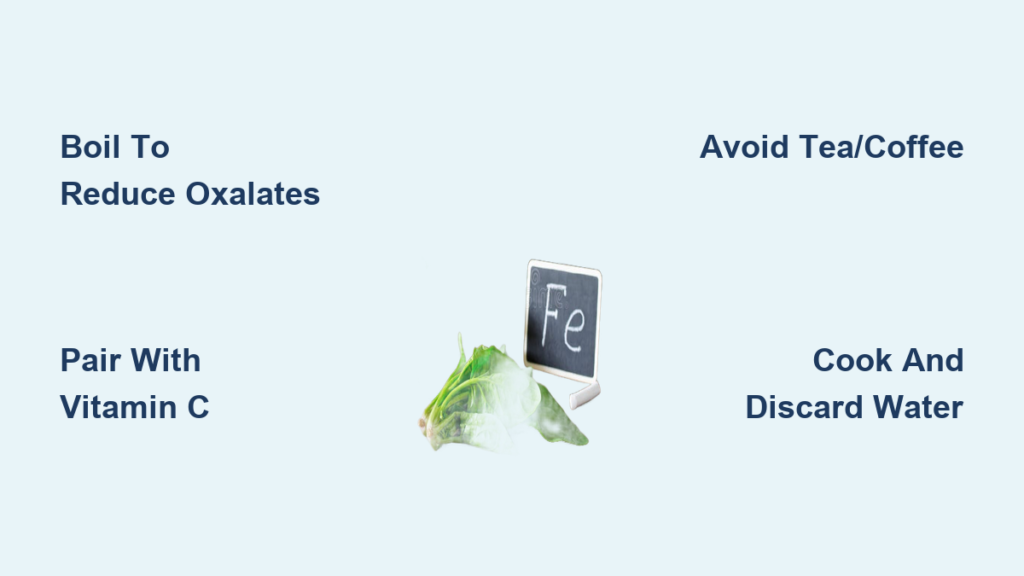
Nonheme iron absorption fluctuates dramatically based on accompanying foods and individual factors. The same serving of lentils might yield minimal absorption when consumed with tea but significantly higher uptake when paired strategically. This variability explains why simply calculating dietary iron intake proves insufficient for predicting actual iron status—absorption enhancers and inhibitors play equally important roles in determining whether your body actually obtains the iron you consume.
Meat proteins enhance nonheme iron absorption beyond what vitamin C alone achieves, a phenomenon researchers term the “meat factor.” This synergistic effect means even small amounts of animal protein can boost plant iron absorption significantly. For those reducing meat consumption while not eliminating it entirely, strategic pairing of modest meat portions with plant iron sources may optimize overall iron uptake more effectively than either approach alone.
| Characteristic | Heme Iron | Nonheme Iron |
|---|---|---|
| Primary Sources | Meat, seafood, poultry | Plants, fortified foods, supplements |
| Food Presence | Animal products exclusively | All plant foods and fortified products |
| Absorption Rate | 15-35% of consumed amount | 2-20% of consumed amount |
| Western Diet Contribution | 10-15% of total intake | 85-90% of total intake |
| Enhancement Strategies | Minimal enhancement needed | Requires strategic food pairing |
Daily Iron Requirements by Age and Lifestyle

The Food and Nutrition Board establishes recommended dietary allowances that account for age, sex, and life stage variations in iron needs. These recommendations reflect the body’s changing demands during growth spurts, reproductive years, and periods of increased physiological stress. Meeting these requirements through diet or appropriate supplementation prevents deficiency while avoiding the potential harms of excessive iron accumulation.
Infants require careful iron management due to their rapid growth rates. From birth to 6 months, breastfed infants receive approximately 0.27 mg daily through breast milk. The requirement jumps substantially to 11 mg daily for infants aged 7 to 12 months, reflecting the transition to solid foods and continued rapid development. Children aged 1 to 3 require 7 mg daily, while children aged 4 to 8 need 10 mg.
Adult iron requirements reflect the substantial impact of menstruation on female iron needs. Men aged 19 to 50 require 8 mg daily, while women in the same age range need 18 mg—more than double the male requirement. Pregnancy dramatically increases needs to 27 mg daily to support expanded blood volume and fetal development. After menopause, women’s iron requirements decrease to align with men’s needs at 8 mg daily.
Vegetarians should multiply these standard recommendations by 1.8 to account for the lower bioavailability of nonheme iron, making plant-based eaters’ target closer to 14.4 mg for men and 32.4 mg for premenopausal women. This adjustment ensures adequate iron status despite the absorption challenges inherent in plant-based diets.
Assess Your Iron Status with Key Tests
Determining whether you consume adequate iron requires understanding how healthcare providers evaluate iron status through laboratory testing. No single test provides a complete picture of your iron health, as deficiency develops progressively through distinct stages that affect different biomarkers at varying points.
Hemoglobin and hematocrit measurements represent the most commonly ordered iron tests, yet they identify only advanced deficiency. These values reflect your blood’s oxygen-carrying capacity, which decreases only after iron stores have been significantly depleted. Normal hemoglobin ranges typically fall between 13.5 and 17.5 g/dL for men and 12.0 and 15.5 g/dL for women.
Serum ferritin concentration provides the most sensitive assessment of iron stores, allowing identification of deficiency before anemia develops. Ferritin acts as your body’s iron storage protein, with blood levels reflecting total iron reserves. A serum ferritin concentration below 30 mcg/L suggests depleted iron stores, while values below 10 mcg/L typically indicate iron deficiency anemia.
Iron deficiency progresses through three recognizable stages: the depletion of iron stores, iron-deficiency erythropoiesis (marginal iron deficiency), and finally iron deficiency anemia. Recognizing these stages helps you understand why early detection through ferritin testing proves more effective than waiting for hemoglobin to drop.
Iron Supplement Types for Targeted Support

When dietary strategies prove insufficient, iron supplements provide a reliable means of addressing deficiency. The market offers numerous iron supplement types, each with distinct characteristics affecting absorption, tolerability, and suitability for different individuals.
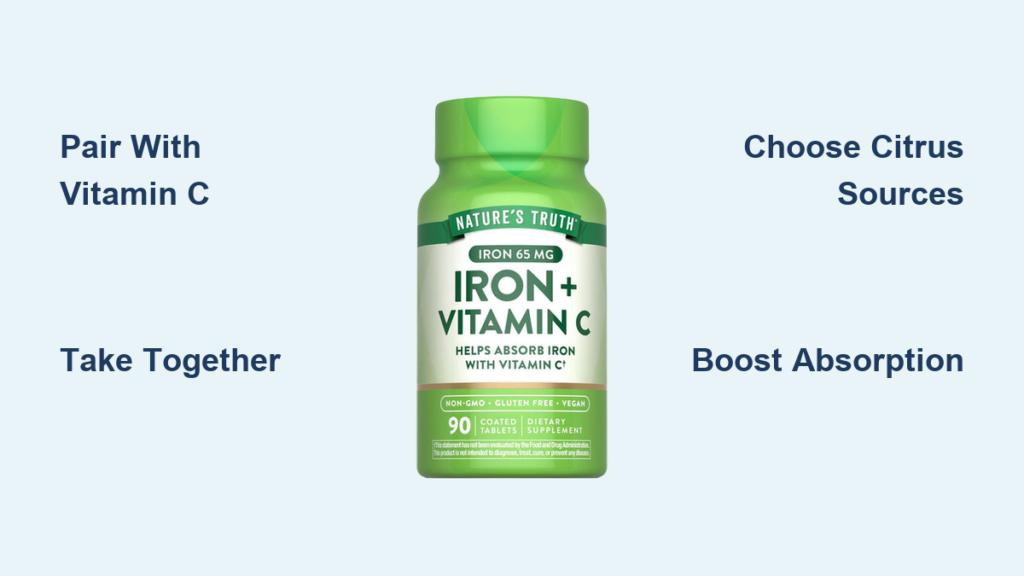
Ferrous iron salts represent the most common and best-absorbed supplemental iron forms. Ferrous sulfate, ferrous fumarate, and ferrous gluconate all provide elemental iron in a bioavailable format, with ferrous sulfate serving as the standard reference formulation. These supplements typically contain 65 to 105 mg of elemental iron per tablet, though absorption varies based on individual status and accompanying foods.
Ferrous gluconate contains less elemental iron per dose but generally causes fewer digestive symptoms, making it suitable for individuals who cannot tolerate stronger formulations. Ferrous fumarate provides the highest iron concentration among the common oral supplements, useful for those requiring aggressive repletion.
Polysaccharide iron complexes and amino acid chelates represent newer formulations marketed as causing fewer side effects. These products bind iron to carrier molecules that may improve tolerability while maintaining reasonable absorption. Iron bisglycinate chelates demonstrate particularly good absorption and tolerability in research studies, though individual responses vary.
Prevent Iron Deficiency with Strategic Planning
Maintaining adequate iron status requires ongoing attention to dietary patterns, lifestyle factors, and individual risk factors that influence iron balance. Prevention strategies prove far more effective than treatment, as addressing established deficiency typically requires months of consistent supplementation and careful dietary management.
Regular dietary assessment helps identify potential shortfalls before deficiency develops. Tracking iron-rich food consumption for several days reveals whether your typical eating pattern provides sufficient amounts. Those following plant-based diets should pay particular attention to the 1.8 times higher requirement and strategic food pairing to maximize absorption.
Menstruating women face ongoing iron challenges that require consistent attention. Tracking menstrual flow intensity helps identify those with heavier periods who may need higher dietary iron or supplementation. Working with healthcare providers to establish appropriate screening intervals—typically annually for high-risk individuals—allows early detection of developing deficiency.
Understanding the types of iron vitamins empowers you to make informed decisions about your nutritional intake and health management. Whether you obtain iron through heme sources from animal products, nonheme sources from plants, or strategic supplementation, your body requires consistent access to this essential mineral for optimal functioning. By recognizing the distinct characteristics of each iron type and applying evidence-based strategies, you maintain healthy iron levels throughout life’s changing demands.