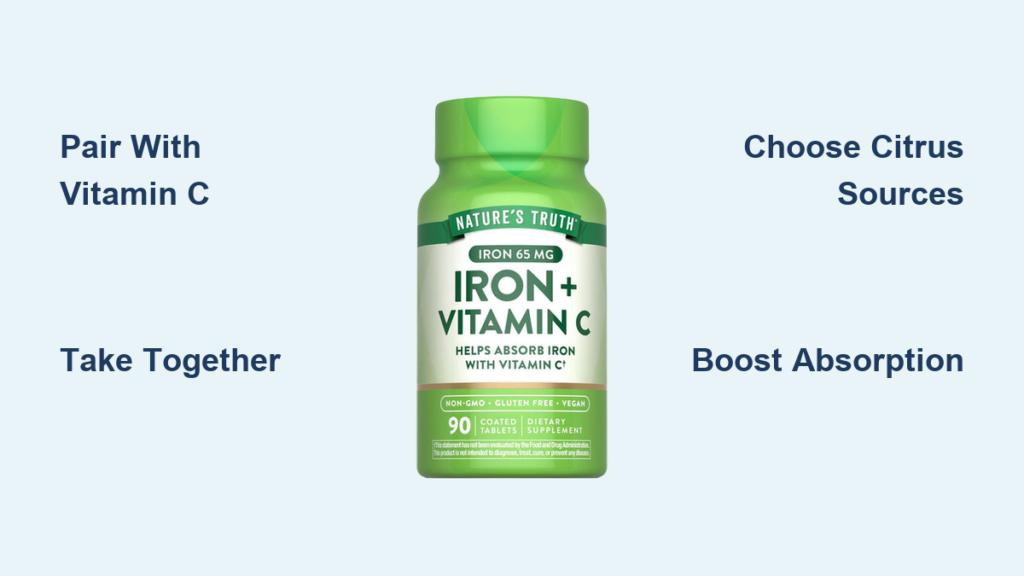
Iron deficiency affects nearly one-third of the global population, making it one of the most widespread nutritional deficiencies worldwide. When your body lacks adequate iron, it struggles to produce sufficient hemoglobin—the protein in red blood cells that transports oxygen throughout your tissues. This deficiency progresses through distinct stages, starting with depleted iron stores and potentially leading to iron deficiency anemia with symptoms ranging from persistent fatigue to reduced exercise capacity. Understanding how to absorb iron with vitamin C effectively becomes essential for anyone addressing this common nutritional challenge. The biochemical relationship between these two nutrients represents one of the most well-documented nutrient interactions in human physiology, offering a powerful strategy to enhance your body’s ability to utilize dietary iron.
Recent clinical research has revealed surprising nuances about how this iron-vitamin C synergy translates into real-world outcomes. While the scientific mechanisms are robustly established, the practical significance varies depending on whether you’re optimizing dietary iron intake or treating established iron deficiency anemia. This guide cuts through the confusion with actionable strategies based on the latest clinical evidence, showing you exactly when and how to leverage vitamin C to maximize your iron absorption for optimal health outcomes.
The Biochemical Mechanisms That Make Vitamin C Essential for Iron Absorption

Converting Ferric Iron to the Absorbable Ferrous Form
Your body can only effectively absorb iron in its ferrous (Fe²⁺) state, but most plant-based iron exists as ferric (Fe³⁺) iron, which your intestinal cells struggle to utilize. Vitamin C acts as a powerful reducing agent that donates electrons to ferric iron, converting it to the readily absorbable ferrous form. This transformation occurs at the surface of your intestinal cells through a process involving the enzyme duodenal cytochrome b (Dcytb), which utilizes vitamin C as an electron donor. Once converted, the Divalent Metal Transporter-1 (DMT-1) efficiently transports the iron across your intestinal cell membrane and into your bloodstream. Without this critical conversion, the majority of plant-based iron would pass through your digestive system unabsorbed, regardless of how much you consume.
Preventing Iron Precipitation in Your Digestive Tract
Vitamin C functions as a protective chelator that keeps iron dissolved throughout your digestive journey. While your stomach’s highly acidic environment initially keeps iron soluble, the pH rises significantly as food moves into your duodenum, causing iron to precipitate as insoluble compounds that your body cannot absorb. The vitamin C-iron chelate remains stable even in these more alkaline conditions, effectively shielding the bound iron from precipitation. This solubility maintenance proves absolutely critical because iron absorption can only occur when the mineral remains dissolved in your intestinal contents. By maintaining iron in a soluble, bioavailable form, vitamin C ensures maximum contact with your absorptive intestinal lining.
Counteracting Common Dietary Iron Blockers
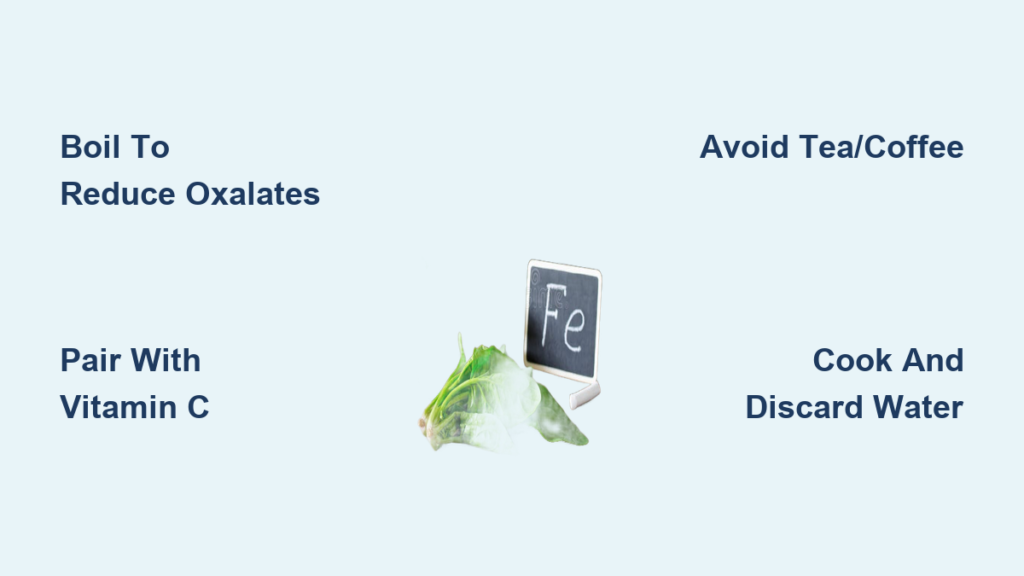
Many everyday foods contain compounds that dramatically reduce iron absorption by binding to the mineral. Phytates in whole grains, legumes, and nuts, and polyphenols in tea, coffee, and wine can reduce iron absorption by 50-90%. Vitamin C demonstrates remarkable ability to overcome these inhibitors by competing with phytates and polyphenols for iron binding. When vitamin C is present in sufficient quantities, it effectively strips iron away from these inhibitory compounds and maintains the mineral in an absorbable form. This competitive advantage makes vitamin C particularly valuable for plant-based eaters, as it can transform nutritionally marginal meals into genuinely iron-optimizing dishes.
What Recent Clinical Trials Reveal About Iron-Vitamin C Synergy
The Li et al. 2020 Study: Vitamin C’s Limited Impact on Anemia Treatment
A landmark study at Huashan Hospital in Shanghai directly tested whether adding vitamin C to iron supplements produces meaningful clinical benefits for iron deficiency anemia. Researchers enrolled 440 adults with newly diagnosed anemia, randomly assigning them to receive either 100 mg of oral iron three times daily alone, or the same iron regimen supplemented with 200 mg of vitamin C three times daily. The results challenged conventional wisdom: after two weeks, the iron-only group showed a hemoglobin increase of 1.84 g/dL, while the vitamin C plus iron group increased by 2.00 g/dL—a difference too small to be clinically significant. Both groups experienced similar side effects (around 21%), with no meaningful differences in ferritin levels or other iron markers.
Deng et al. 2024 Meta-Analysis: Modest Benefits in Lab Values Only
A comprehensive review of 11 studies involving 1,930 patients with iron deficiency anemia found that adding vitamin C to iron supplements produced small but statistically significant increases in hemoglobin and ferritin levels compared to iron alone. However, researchers emphasized these improvements were modest in magnitude and unlikely to represent clinically meaningful benefits for most patients. The analysis found no increase in side effects with vitamin C, with some limited evidence suggesting possible reduction in gastrointestinal irritation. The considerable variation across studies—in patient age, anemia severity, and supplement formulations—likely contributed to inconsistent results.
Practical Implications for Your Iron Strategy
This clinical evidence presents a nuanced picture that challenges long-held assumptions. While vitamin C’s biochemical mechanisms for enhancing non-heme iron absorption are well-established, its practical significance differs based on your situation:
- For dietary iron optimization: Vitamin C remains crucial for maximizing absorption from plant-based foods
- For treating established iron deficiency anemia: The absorption boost from vitamin C may not substantially accelerate recovery when taking therapeutic iron doses
The discrepancy likely stems from the high iron doses used in treatment (typically 100-200 mg elemental iron three times daily), which provide a surplus that overwhelms modest differences in absorption efficiency. Additionally, the acidic gastric environment naturally reduces some dietary iron to the absorbable form.
How to Effectively Combine Iron and Vitamin C in Your Daily Routine

Optimal Vitamin C Dosage for Maximum Iron Absorption
Research indicates that approximately 200 mg of vitamin C taken alongside iron provides meaningful absorption enhancement. This amount—equivalent to two medium oranges, one cup of chopped bell peppers, or an 8-ounce glass of orange juice—provides sufficient ascorbic acid to boost non-heme iron absorption without approaching levels associated with adverse effects. Your body absorbs vitamin C efficiently across a range of intakes, but absorption efficiency decreases as doses increase, making moderate, split doses more effective than large single doses.
Strategic Timing for Best Results
Take vitamin C at the exact same time as your iron-containing foods or supplements for maximum benefit, as the absorption enhancement occurs only during simultaneous presence in your gastrointestinal tract. Taking vitamin C hours before or after iron provides minimal advantage, as the iron will have already passed the primary absorption sites. For those experiencing stomach upset from iron supplements:
- Take iron with a small amount of food containing vitamin C
- Avoid calcium-rich foods, coffee, or tea at the same meal
- Consider taking iron on an empty stomach if tolerated (one hour before or two hours after meals)
Plant-Based Iron Optimization: Your Practical Guide
Building Iron-Absorbing Power Meals
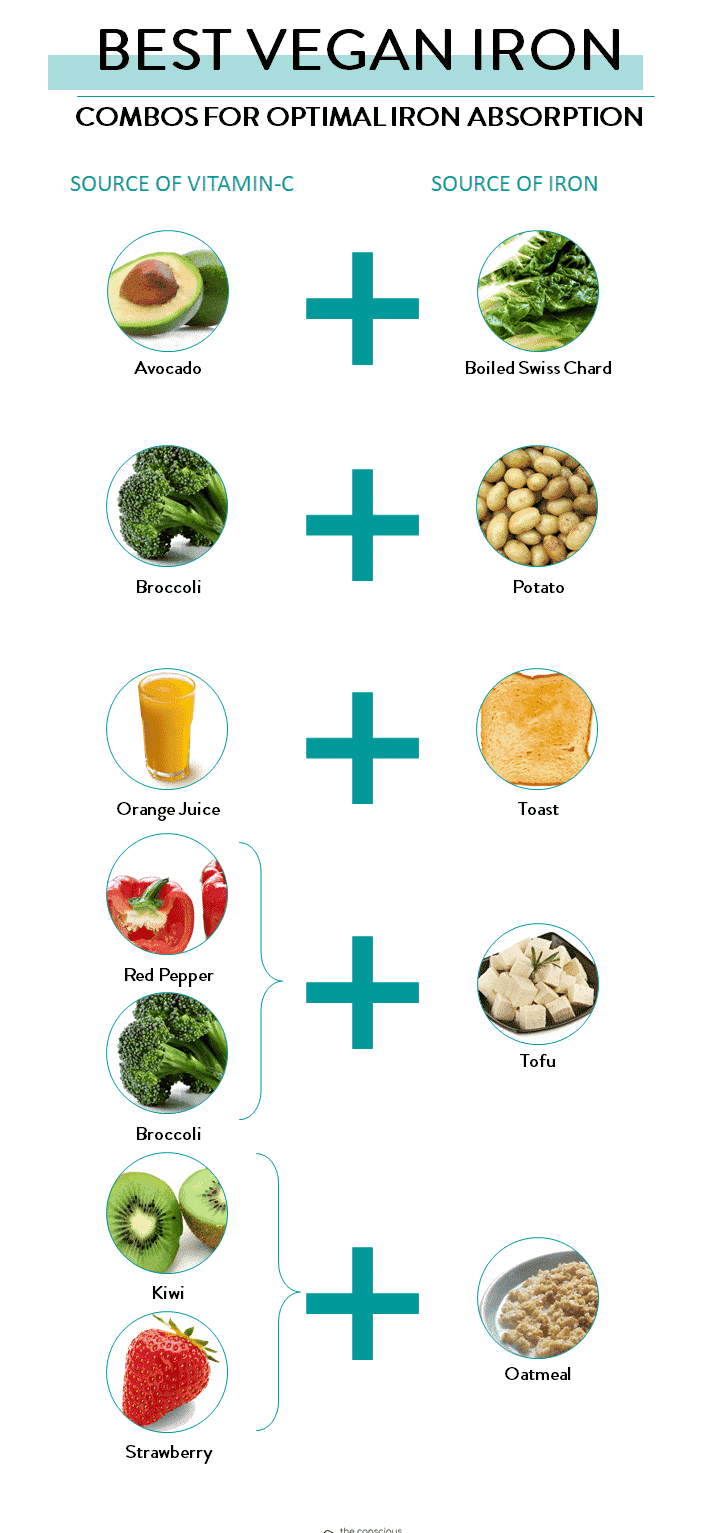
For vegetarians and vegans, strategic meal planning is essential for meeting iron requirements through plant foods alone. Combine iron-rich plant foods with vitamin C sources at every meal to dramatically increase absorption:
- Add bell peppers to lentil soup
- Serve bean burritos with tomato juice
- Dress spinach salads with lemon juice
- Top fortified cereal with orange slices
These combinations can effectively double or triple the amount of iron absorbed from plant-based meals. Without heme iron from animal products—which your body absorbs 2-3 times more efficiently than non-heme iron—these strategic pairings become your primary tool for optimizing iron status.
Top Vitamin C Foods to Pair with Iron Sources
Maximize your iron absorption by incorporating these vitamin C powerhouses into iron-rich meals:
- Citrus fruits: 50-70 mg per medium fruit (oranges, grapefruits)
- Bell peppers: 150 mg per cup (red and green varieties)
- Broccoli: 80 mg per cup
- Strawberries: 85 mg per cup
- Kiwi: 70 mg per medium fruit
Vegetables often provide higher concentrations of vitamin C per serving than fruits, making them particularly valuable for absorption optimization. When preparing vitamin C-rich foods, use gentle cooking methods like steaming or microwaving to preserve nutrient content, or consume them raw for maximum benefit.
Special Considerations for Different Life Stages
Vegetarians and Vegans: Overcoming Non-Heme Iron Challenges
Without access to heme iron from animal products, plant-based eaters must implement strategic dietary practices to optimize iron absorption. Consuming vitamin C-rich foods at the same meal with iron-rich plant foods significantly boosts iron bioavailability, meaning your body absorbs measurably more of the iron present. Practical applications include adding lemon juice to spinach salads, pairing bean dishes with citrus-based salsas, and including bell peppers in lentil soups. These combinations can effectively compensate for the lower baseline absorption of plant-based iron, allowing well-planned vegetarian and vegan diets to fully support iron requirements.
Pregnancy: Meeting Increased Iron Demands
Iron requirements increase substantially during pregnancy to support expanded blood volume, placental development, and fetal growth. While vitamin C enhancement of iron absorption applies during pregnancy, the most important consideration is ensuring adequate total iron intake to meet these substantially increased demands. Healthcare providers typically recommend prenatal vitamins containing iron alongside an iron-rich dietary pattern. Pregnant women should consult with their healthcare providers to determine appropriate iron supplementation strategies and monitor iron status through regular prenatal blood testing.
Key Takeaways for Optimizing Your Iron Status
The relationship between vitamin C and iron absorption represents one of the most well-documented nutrient interactions in human nutrition. Vitamin C functions as both a reducing agent that converts ferric iron to the absorbable ferrous form and as a chelator that maintains iron solubility throughout your digestive tract. Despite robust biochemical evidence, recent clinical trials show that for patients with established iron deficiency anemia receiving therapeutic iron doses, adding vitamin C does not produce clinically meaningful improvements in treatment outcomes.
For dietary optimization—particularly for vegetarians and vegans—combining vitamin C-rich foods with iron-rich plant foods remains an effective strategy. The most important consideration is ensuring adequate total iron intake to meet your body’s requirements, whether through dietary sources, supplementation, or a combination tailored to your individual needs. When taking iron supplements, follow your healthcare provider’s recommendations, which may or may not include vitamin C co-administration based on your specific circumstances and treatment goals.