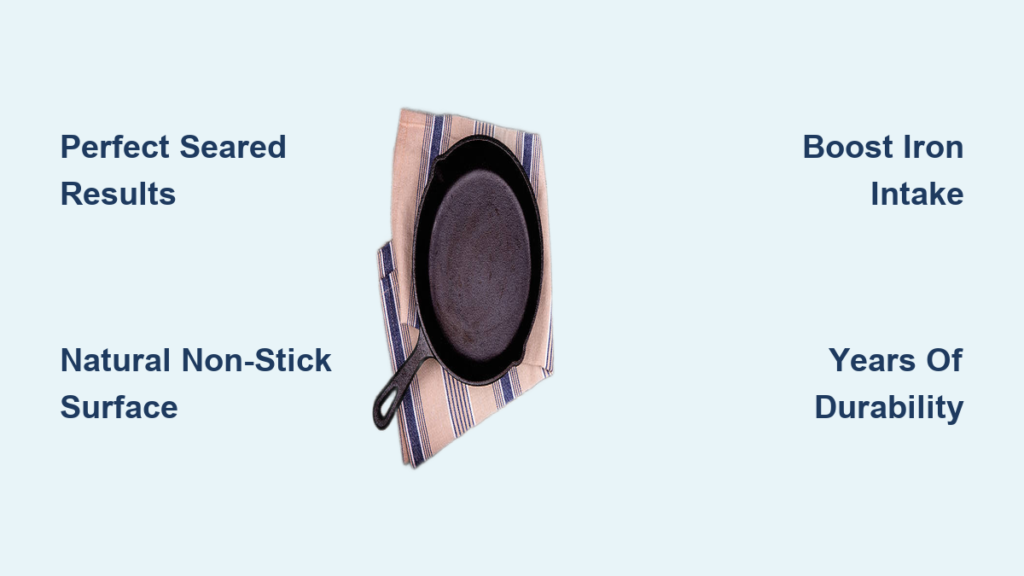
Imagine searing a steak to perfection with a crispy, golden-brown crust that locks in juices, or baking cornbread with a perfectly crisp exterior and tender interior—all without relying on chemical non-stick coatings. This is the everyday reality for home cooks who harness the benefits of cast iron cooking. While modern kitchens boast an array of specialized cookware, cast iron remains a timeless essential that delivers unmatched performance across countless cooking applications. More than just a nostalgic relic, cast iron offers scientifically proven advantages that newer materials struggle to replicate. Understanding these benefits can transform your cooking experience and help you make smarter decisions about which tools deserve permanent counter space.
The myth that cast iron is difficult to maintain often deters newcomers, but the truth is that caring for cast iron requires no more effort than maintaining quality stainless steel cookware. Modern innovations like enameled cast iron and lightweight options have eliminated traditional concerns, making this versatile material more accessible than ever. Whether you’re a beginner cook or a seasoned chef, learning how to leverage the unique properties of cast iron will elevate your culinary results while providing health benefits and long-term value that justify its place in any kitchen.
Achieve Perfect Seared Results with Superior Heat Retention

Cast iron’s exceptional ability to absorb and maintain heat creates ideal conditions for achieving restaurant-quality sears that home cooks often struggle to replicate. When you place a cold steak into a properly preheated cast iron skillet, the pan maintains its temperature rather than cooling dramatically like thinner materials. This thermal stability enables the Maillard reaction—the chemical process responsible for creating that desirable brown crust and complex flavors on proteins.
Unlike aluminum or copper cookware that cools rapidly when food is added, cast iron provides consistent temperature control throughout the cooking process. This characteristic works especially well for high-heat applications like frying, where maintaining steady oil temperature prevents soggy results. For best outcomes, match your burner size to your pan dimensions and allow adequate preheating time—typically 5-7 minutes over medium heat. Avoid the common mistake of using too high heat, which can damage seasoning and create uneven cooking zones.
How to Test if Your Cast Iron Is Properly Preheated
- Water droplet test: Sprinkle a few drops of water on the surface; they should skitter and evaporate within seconds
- Oil behavior: When oil shimmers but doesn’t smoke immediately, your pan has reached optimal temperature
- Consistent color: A properly heated pan develops an even, dark appearance across the cooking surface
This thermal mass also benefits oven applications—food continues cooking gently after removal from heat, reducing energy consumption. The same principle keeps dishes warm when serving directly from the pan, eliminating the need for additional warming equipment.
Develop Natural Non-Stick Performance Without Chemicals
One of the most valuable benefits of cast iron cooking is the development of a natural non-stick surface through proper seasoning. Unlike synthetic coatings that degrade over time, cast iron’s seasoning actually improves with regular use, creating a smoother cooking surface that becomes more effective the longer you own it. This polymerized oil layer forms when fat bonds with the metal during heating, creating a surface that handles eggs, fish, and delicate foods with increasing ease.
The health implications of this natural alternative are significant. Traditional non-stick coatings release perfluorinated compounds when heated, which studies link to hormonal disruption and liver dysfunction. By choosing cast iron, you eliminate exposure to these chemicals while gaining non-stick performance that enhances rather than diminishes over time. For optimal results:
- Use oils with high smoke points like avocado or canola oil for seasoning
- Apply a thin, even layer—too much oil creates a sticky residue
- Heat the pan upside down in the oven at 450-500°F for one hour
- Allow to cool completely before storing
Boost Iron Intake Through Everyday Cooking

Cooking with cast iron provides a unique nutritional advantage: passive iron fortification of your meals. Small amounts of iron leach into food during cooking, particularly with acidic ingredients like tomatoes or citrus. This incidental iron boost benefits individuals at risk of deficiency, including menstruating women, pregnant women, and plant-based eaters.
Research demonstrates the impact—tomato sauce cooked in cast iron contains nearly 30 times more iron than the same dish prepared in glass cookware. Even quick-cooking foods like eggs show approximately five times more iron when prepared in cast iron. While this shouldn’t replace medical treatment for iron deficiency, it represents a meaningful dietary enhancement that occurs automatically with every meal. Those with iron overload conditions like hemochromatosis should consult their healthcare provider before adopting regular cast iron cooking.
Experience Decades of Reliable Performance
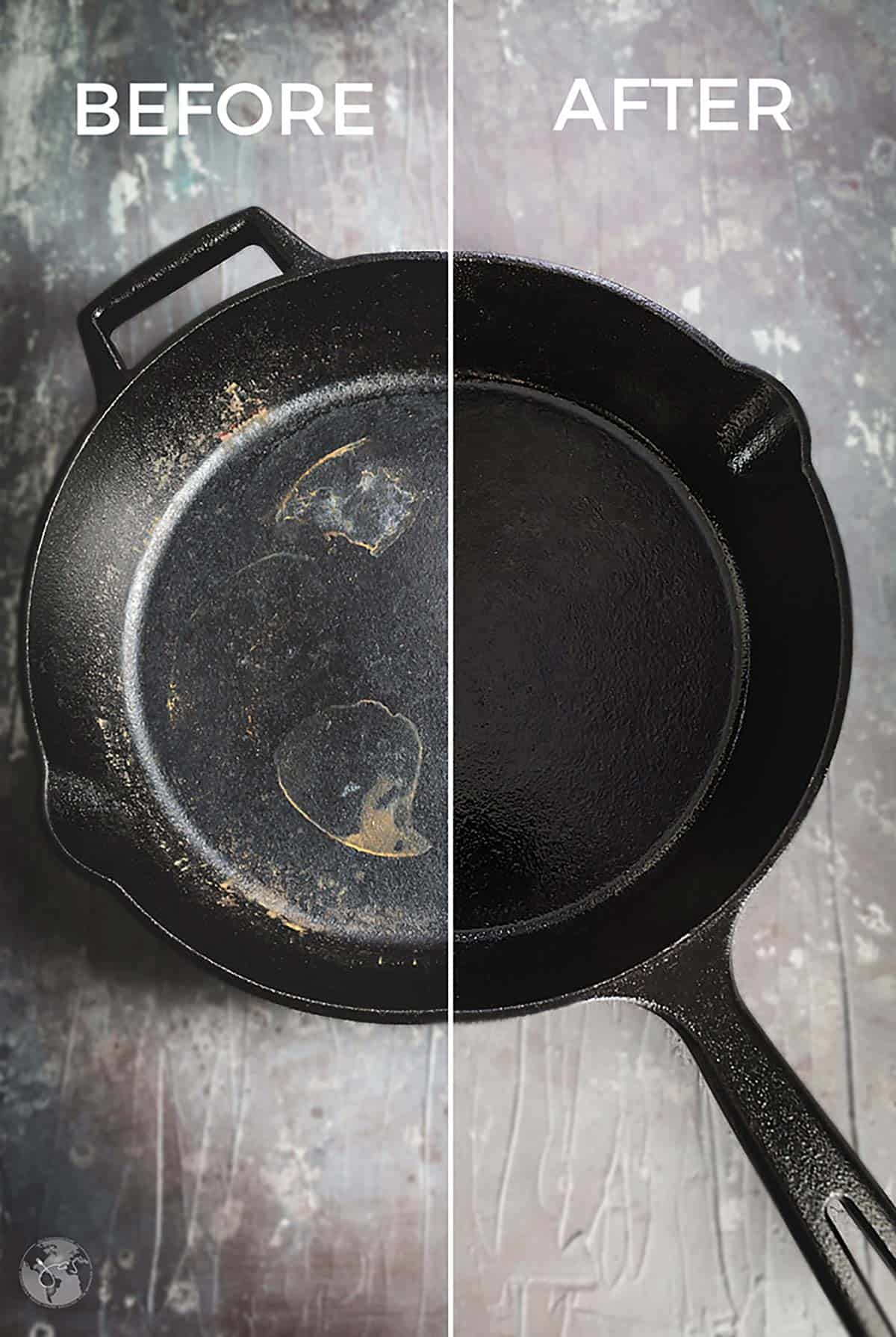
The durability of cast iron cookware surpasses virtually all alternatives, with quality pieces lasting generations when properly maintained. Unlike non-stick pans requiring replacement every few years, a single cast iron skillet purchased today can realistically serve you for decades. Even neglected pans with significant rust can often be restored to like-new condition through basic cleaning and reseasoning techniques.
This longevity delivers exceptional cost-per-use value. While a new 10-inch cast iron skillet costs under $30 (and often less at thrift stores), the same pan continues performing reliably for decades. Contrast this with premium non-stick options costing $50-$100 that degrade within 2-3 years. For environmentally conscious cooks, cast iron’s lifespan reduces kitchen waste and supports sustainable consumption practices.
Master Any Cooking Technique with One Versatile Pan
Cast iron’s adaptability across cooking methods makes it one of the most versatile tools in any kitchen. These pans work equally well on gas, electric, and induction stovetops, in conventional ovens, over campfires, and on outdoor grills. This flexibility eliminates the need for multiple specialized pans and allows seamless transitions between cooking techniques.
The ability to start a dish on the stovetop and finish it in the oven using the same vessel simplifies complex recipes and reduces cleanup. Cast iron’s exceptional heat tolerance (typically 500°F+) enables cooking methods that would damage other cookware, while its thermal properties enhance slow-cooked dishes like stews and braises by gradually releasing heat for optimal flavor development.
Enhance Flavor Through Seasoned Character
Well-maintained cast iron develops a unique flavor profile that improves with age, creating what experienced cooks call “seasoned character.” As you cook countless meals in the same pan, the accumulated seasoning contributes subtle depth to dishes that new cookware cannot replicate. This flavor enhancement occurs naturally through the polymerization of cooking oils over time.
The natural non-stick surface also improves browning and caramelization, while making fond—the flavorful brown bits that form during cooking—easier to deglaze for restaurant-quality sauces. To maximize flavor development:
– Avoid cooking highly acidic foods in new pans until seasoning develops
– Use the same pan consistently for similar dishes to build flavor continuity
– Never use harsh detergents that strip the seasoning layer
Save Money While Getting Premium Results
Among quality cookware options, cast iron offers the best long-term value. Basic skillets cost significantly less than comparable stainless steel or non-stick alternatives, yet last exponentially longer. The economics become even more compelling when calculating cost-per-use—while a $100 stainless steel pan might cost $5 per year over a 20-year lifespan, a $30 cast iron skillet costs just $1.50 annually over the same period.
For budget-conscious cooks, thrift stores often offer vintage cast iron in excellent condition for just a few dollars. Premium enameled cast iron options provide a middle ground—eliminating seasoning requirements while delivering cast iron benefits—for those willing to invest more upfront for convenience.
Navigate Weight and Handling Considerations
Traditional cast iron’s substantial weight requires consideration for those with limited strength. Most standard skillets need two hands to lift safely, especially when full of food. The single-piece metal construction means handles become as hot as the cooking surface, requiring oven mitts for safe handling.
Modern solutions address these concerns:
– Lightweight cast iron options reduce weight by up to 50% while maintaining performance
– Enameled cast iron often features redesigned handles that stay cooler during cooking
– Smaller 8-10 inch skillets provide cast iron benefits with more manageable weight
Simplify Maintenance with Proper Seasoning Practices
Maintaining cast iron requires understanding a few fundamental principles that ensure optimal performance. Seasoning involves applying a thin oil layer and heating until polymerized, creating that valuable non-stick surface. While most new pans arrive pre-seasoned, building additional layers through regular use dramatically improves cooking performance.
Proper cleaning preserves seasoning while removing food residue:
– Clean while pan is still warm using hot water and stiff brush
– Avoid soap when possible, or use minimal amounts followed by immediate re-oiling
– Dry thoroughly over low heat to eliminate all moisture
– Apply light oil coating while pan remains warm
Never place cast iron in the dishwasher—this strips seasoning and promotes rust. With consistent care, your pan develops an increasingly effective cooking surface that provides exceptional performance for decades.
Make the Switch to Cast Iron Cooking Today
Transitioning to cast iron requires adopting a few new habits but delivers substantial rewards. Allow adequate preheating time (5-7 minutes), use appropriate oils, and start with simple recipes that build confidence and seasoning. The modest learning curve pays dividends through improved cooking results, health benefits, and long-term value.
For health-conscious cooks seeking chemical-free alternatives, budget-minded shoppers wanting lasting value, and culinary enthusiasts who appreciate flavor enhancement, cast iron remains an exceptional choice. The initial investment in quality cast iron cookware, combined with proper care, provides decades of reliable service and continually improving performance that few other materials can match. When you understand the true benefits of cast iron cooking, it becomes clear why this timeless material deserves a permanent place in your kitchen.