Iron supplements help millions treat iron deficiency anemia, but for some users, these essential medications trigger concerning symptoms that go beyond typical side effects. While gastrointestinal discomfort affects about 70% of iron supplement users, true allergic reactions to iron pills represent a more serious concern requiring immediate attention. Understanding the difference between common intolerance and genuine allergy could prevent dangerous complications. If you’ve experienced unusual symptoms after taking iron tablets or liquid supplements, recognizing whether you’re dealing with a simple stomach upset or a potentially life-threatening allergic reaction to iron pills is critical for your safety and treatment options.
Why Your Iron Supplement Causes Hives Instead of Just Stomach Upset
Most people who take iron supplements experience some gastrointestinal discomfort, but these symptoms typically indicate intolerance rather than true allergy. When you take iron pills, the iron molecule itself directly irritates your stomach and intestinal lining, causing symptoms like nausea, constipation, or darker stools—none of which involve your immune system. True allergic reactions to iron pills activate your immune system and produce distinctly different symptoms that require different management approaches.
How to Identify Non-Allergic Iron Side Effects
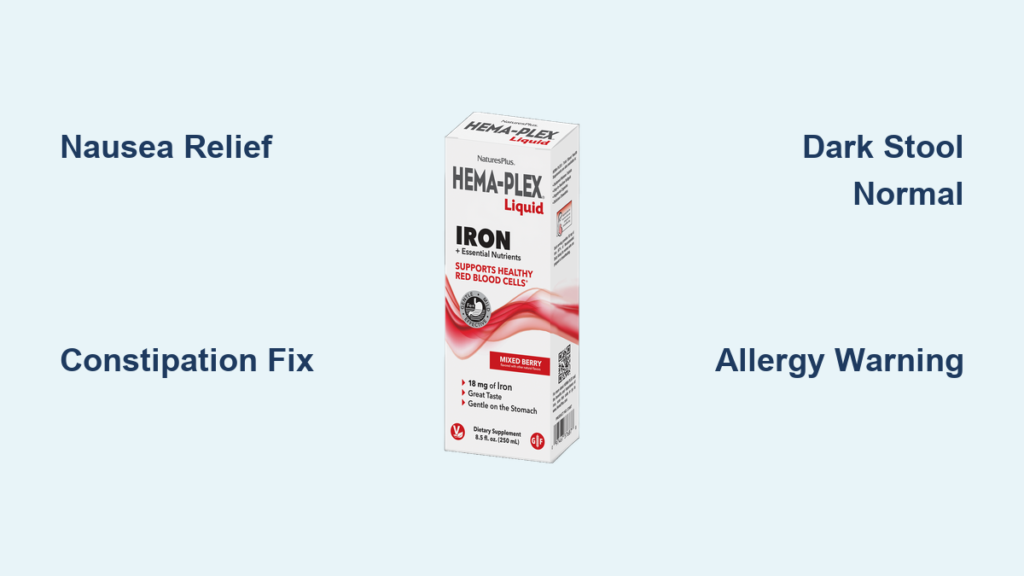
Common iron supplement side effects include nausea that improves when taking pills with food, constipation that responds to increased fiber and hydration, and black or dark green stools that aren’t tar-like or bloody. Liquid iron may cause tooth staining, which rinsing your mouth after doses can prevent. These reactions typically develop gradually and respond to simple management strategies like taking supplements with meals or adjusting timing. Unlike true allergies, these symptoms don’t involve your immune system and aren’t life-threatening.
Critical Differences Between Allergy and Intolerance
True allergic reactions to iron pills produce skin manifestations like hives, intense itching, or swelling that often appear within minutes to hours of ingestion. Some patients develop erythematous maculopapular rashes—red spots that may merge into larger affected areas—particularly starting at the ankles and spreading upward. The timing matters significantly: allergic reactions often occur more rapidly than typical gastrointestinal side effects, though some delayed reactions may appear days after starting therapy. If your symptoms include respiratory difficulties or widespread swelling after taking iron supplements, you’re likely experiencing an allergic reaction rather than simple intolerance.
Emergency Signs That Require Immediate Medical Attention
Recognizing the progression from mild allergic symptoms to life-threatening anaphylaxis can save your life. While a mild rash might be manageable with antihistamines, certain symptoms demand immediate emergency intervention when they follow iron pill ingestion.
Life-Threatening Symptoms Within Minutes of Taking Iron
Sudden swelling of your lips, mouth, throat, or tongue after taking iron supplements indicates potential airway compromise requiring immediate emergency response. Difficulty breathing, wheezing, or a sensation of throat tightness signals respiratory involvement that can rapidly worsen. Severe dizziness, feeling faint, or experiencing a sense of impending doom represents cardiovascular involvement that demands emergency medical attention. Documented cases show patients developing burning, itchy rashes within one hour of iron ingestion, with wheezing developing within two hours—symptoms that required multiple antihistamine doses for relief.
Proper Emergency Response Protocol
If you experience these symptoms after taking iron pills, call emergency services immediately rather than attempting self-transport. Emergency dispatchers can guide you through appropriate first aid while help is en route. Don’t drive yourself to the hospital, as your condition may deteriorate rapidly. Inform emergency responders about the specific iron supplement you took and the timing of your symptoms to facilitate proper treatment, which typically includes epinephrine, antihistamines, and respiratory support as needed.
Confirming Whether You’re Truly Allergic to Iron

Diagnosing a genuine iron allergy requires medical evaluation to distinguish reactions to the iron molecule itself from responses to inactive ingredients in commercial formulations. Many patients mistakenly believe they’re allergic to iron when they’re actually reacting to excipients like polysorbates, binders, or coloring agents.
Medical Testing for Iron Allergy Confirmation
Healthcare providers use several diagnostic approaches to confirm iron allergy. Skin testing with iron salts like ferrous sulfate can demonstrate IgE-mediated allergy, with positive intradermal tests confirming true sensitivity to iron rather than excipients. Published case reports document patients with positive skin tests who experienced anaphylactic reactions to oral iron salts. However, negative skin tests don’t completely rule out allergy, as some reactions may involve non-IgE mechanisms.
Oral Challenge Testing Under Medical Supervision
Controlled oral challenge testing represents the gold standard for diagnosing iron allergy. This procedure involves administering gradually increasing iron doses under medical supervision while monitoring for objective reaction signs. Medical literature documents successful challenge tests that reproduced cutaneous symptoms in allergic patients. These tests should only occur in settings equipped to manage potential anaphylaxis, with emergency medications immediately available.
Treatment Options When You Can’t Tolerate Standard Iron Pills
A diagnosis of iron allergy doesn’t mean you must remain iron-deficient. Several evidence-based approaches allow patients with confirmed iron allergy to achieve necessary iron repletion safely.
Switching to Alternative Iron Formulations
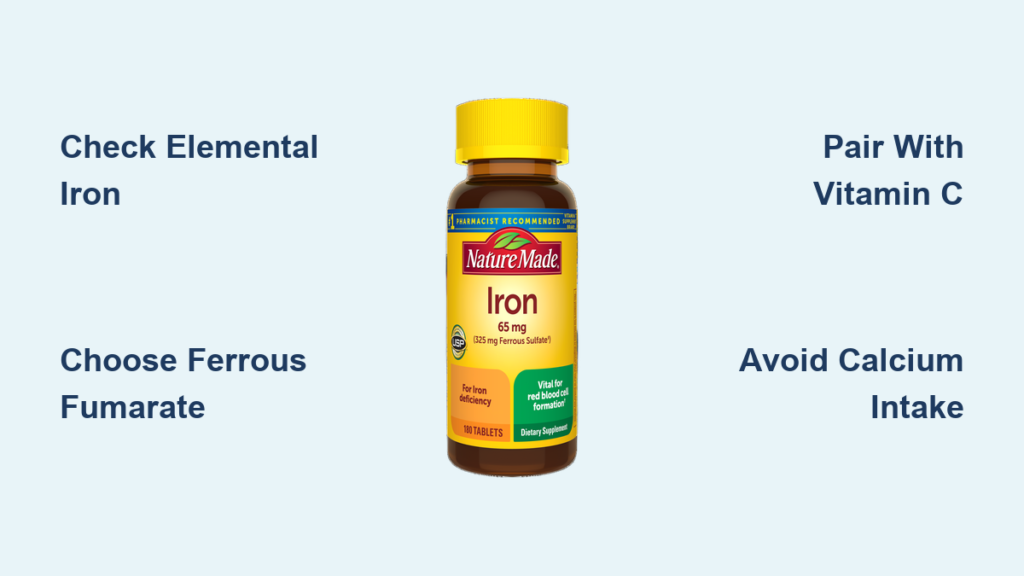
Try liquid ferrous sulfate as your first alternative, as it eliminates many tablet excipients and allows precise dose titration. Different commercial products contain varying inactive ingredients, so switching formulations may resolve your reaction if it was caused by an excipient rather than iron itself. Some patients tolerate lower doses better, though this may compromise therapeutic effectiveness for severe anemia.
Intravenous Iron Therapy for Confirmed Allergies
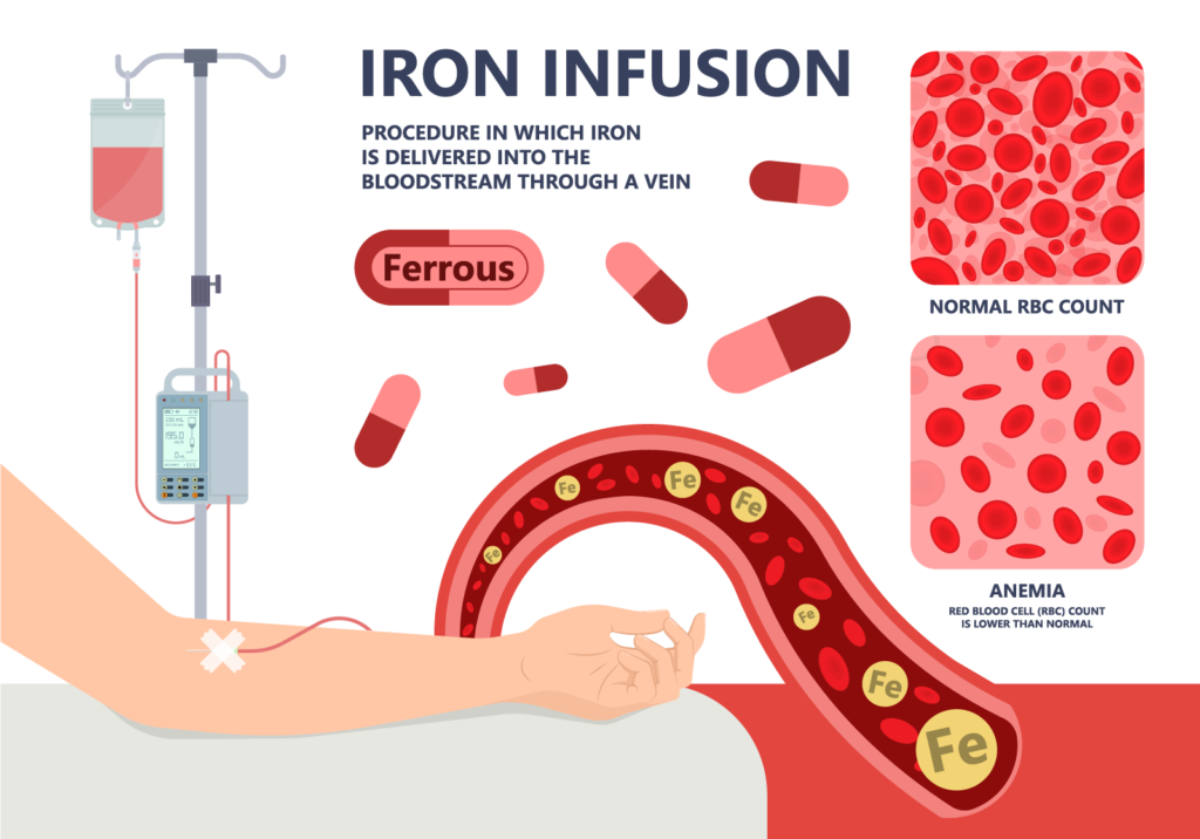
When oral iron remains problematic, intravenous iron therapy provides a viable alternative. Iron sucrose generally demonstrates the most favorable safety profile among IV options, with ferumoxytol showing comparable safety to placebo in clinical trials involving chronic kidney disease patients. All IV iron products carry anaphylaxis risk warnings, so administration requires appropriate precautions including premedication with antihistamines and graded dosing protocols.
Proven Desensitization Protocols for Iron Allergy
Medical literature documents successful desensitization for patients with severe allergic reactions to oral iron. These protocols begin with extremely low iron doses, gradually increasing over days to weeks until the therapeutic dose is tolerated. One published approach involved slow desensitization followed by nine months of chronic daily therapy, resulting in complete anemia resolution. During desensitization, antihistamines often help ensure good tolerance of iron salts, with long-term follow-up showing sustained tolerance in documented cases.
Preventing Future Allergic Episodes with Iron Supplements

Proactive strategies can help you avoid repeat reactions while ensuring you receive necessary iron therapy.
Recognizing Early Warning Signs Before Reactions Escalate
Learn to identify initial allergy symptoms like mild itching or localized rash that may precede more severe reactions. Discontinue iron supplements immediately if you notice these early signs and contact your healthcare provider. Patients with previous severe reactions should wear medical alert identification and carry prescribed emergency medications like epinephrine auto-injectors.
Strategic Iron Administration for Maximum Tolerance
Take iron supplements with simple meals to minimize stomach irritation without significantly compromising absorption. Start with lower doses and gradually increase as your system adapts. If using liquid iron, rinse your mouth thoroughly after each dose to prevent tooth staining. Stay well-hydrated to counteract constipation, a common non-allergic side effect that often gets mistaken for allergy.
When to Seek Immediate Medical Care After Iron Pill Ingestion
Understanding which symptoms require emergency response versus prompt outpatient evaluation helps you make appropriate care decisions.
Emergency Room Indicators Beyond Mild Symptoms
Seek immediate emergency care for sudden facial or throat swelling, breathing difficulties, severe dizziness, or widespread hives after taking iron supplements. Black, tarry, or bloody stools accompanied by feeling unwell also warrant urgent evaluation to rule out gastrointestinal complications. Persistent vomiting or diarrhea that doesn’t respond to home care measures requires medical assessment to prevent dehydration.
Successful Iron Repletion Despite Allergy Diagnosis
Most patients with confirmed iron allergy can ultimately achieve therapeutic iron levels through appropriate management strategies. Published case series demonstrate successful long-term oral iron therapy in patients who initially presented with severe cutaneous reactions. Work with your healthcare provider to develop an individualized treatment plan that balances your iron repletion needs against allergy risks, potentially involving allergy specialists for complex cases.
True allergic reactions to iron pills, while rare, require careful management to avoid dangerous complications while ensuring you receive necessary iron therapy. By recognizing the distinction between common side effects and genuine allergy, understanding emergency warning signs, and exploring alternative treatment options, you can successfully address iron deficiency while protecting your health. Always consult your healthcare provider before modifying your iron supplementation regimen, especially if you’ve experienced concerning symptoms after taking iron supplements.