Feeling constantly drained despite getting enough sleep? Struggling to focus at work or during workouts? You might be experiencing the hidden effects of iron deficiency. Millions of people worldwide suffer from low iron levels without realizing it, compromising their energy, brain function, and overall health. The benefits of taking iron supplements can transform your daily life by addressing this fundamental nutritional gap that impacts nearly every bodily system. When your body lacks sufficient iron, it cannot produce enough hemoglobin—the oxygen-carrying protein in red blood cells—leaving you feeling exhausted and unable to perform at your best. This complete guide reveals how strategic iron supplementation can restore your vitality, enhance cognitive performance, and strengthen your body’s natural defenses.
Why Iron Deficiency Leaves You Exhausted and Unfocused
Iron isn’t just another mineral—it’s the foundation of your body’s oxygen delivery system. Without adequate iron, your red blood cells can’t carry sufficient oxygen from your lungs to your muscles, brain, and organs. This oxygen shortage creates a cascade of symptoms that many mistake for simple stress or aging. Your brain, which consumes about 20% of your body’s oxygen, becomes starved of the resources it needs to maintain focus, memory, and mental clarity. You might find yourself forgetting appointments, struggling to concentrate during meetings, or experiencing that frustrating “brain fog” that makes even simple tasks feel overwhelming.
The physical effects are equally debilitating. Iron-deficient muscles receive less oxygen, causing you to tire more quickly during exercise or even routine activities like climbing stairs. Your heart must work harder to compensate for the oxygen shortage, leading to that familiar feeling of being winded after minimal exertion. What many don’t realize is that these symptoms aren’t normal—they’re clear signals that your body needs more iron to function properly. Taking iron supplements directly addresses this oxygen delivery problem by providing your body with the raw materials needed to rebuild healthy red blood cells and restore optimal oxygen transport throughout your system.
Treat Iron Deficiency Anemia Within 3-6 Months
How Long Until You Feel Improvement?
Most people begin noticing increased energy and reduced fatigue within 2-4 weeks of consistent iron supplementation. However, complete resolution of iron deficiency anemia typically requires 3-6 months of dedicated treatment. This timeline reflects the biological reality that your bone marrow needs time to produce new red blood cells while simultaneously rebuilding your iron stores. Don’t be discouraged if blood tests don’t immediately show improvement—your body prioritizes creating functional red blood cells before replenishing storage reserves.
Who Needs Preventive Iron Supplementation?
Certain groups benefit significantly from proactive iron supplementation before deficiency develops:
– Pregnant women require nearly double their usual iron intake to support fetal development
– Individuals with heavy menstrual bleeding lose significant iron monthly
– Vegetarians and vegans often struggle to absorb enough non-heme iron from plant sources
– Athletes, particularly endurance runners, experience increased iron loss through sweat and foot strike hemolysis
– People with gastrointestinal conditions like celiac disease or Crohn’s disease often have impaired iron absorption
Boost Energy Levels and Combat Chronic Fatigue

Immediate Effects on Physical Performance
Within weeks of starting iron supplements, many people report dramatically improved exercise tolerance. This isn’t just about feeling less tired—it’s about your muscles receiving the oxygen they need to perform efficiently. Runners find they can maintain their pace longer, weightlifters recover between sets more quickly, and even casual exercisers notice they can complete daily activities without that heavy, drained feeling. The science is clear: adequate iron levels enable your mitochondria (your cells’ energy powerhouses) to convert nutrients into ATP—the energy currency your body uses—more efficiently.
Mental Energy Restoration Timeline
The cognitive benefits follow a similar pattern but may take slightly longer to manifest:
– Week 1-2: Reduced physical fatigue, better sleep quality
– Week 3-4: Improved concentration during tasks, less brain fog
– Week 5-8: Enhanced memory recall, better multitasking ability
– Month 3+: Sustained mental clarity throughout the day, improved mood stability
Support Brain Function and Cognitive Performance
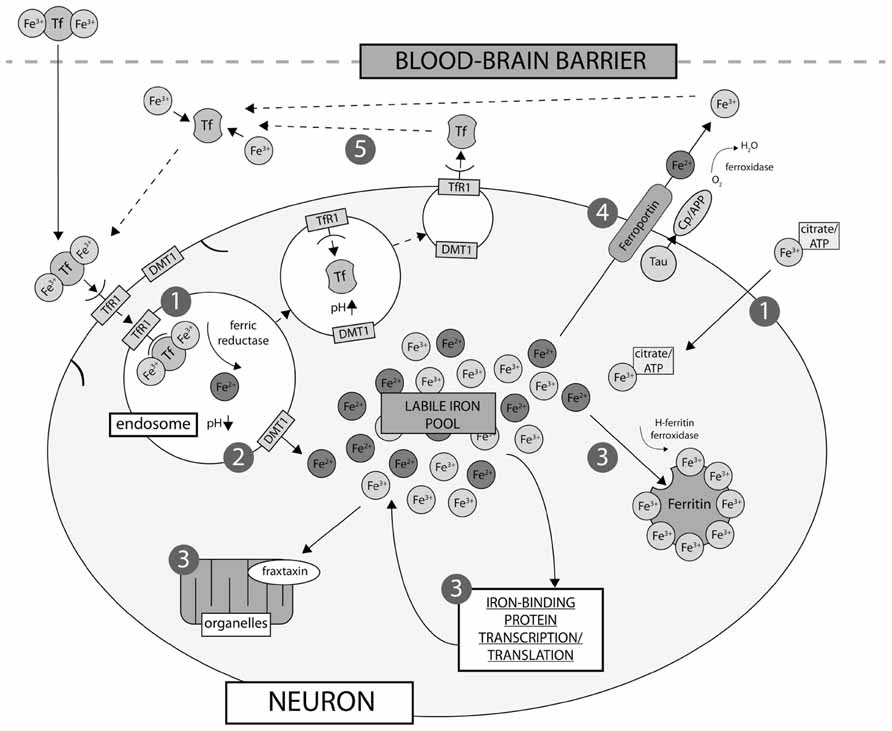
How Iron Affects Neurotransmitter Production
Iron plays a critical role in synthesizing dopamine, serotonin, and other neurotransmitters that regulate mood, focus, and motivation. When your iron levels drop, these chemical messengers become less available, explaining why iron deficiency often manifests as depression, anxiety, or difficulty concentrating. By restoring iron levels through supplementation, you provide your brain with the raw materials needed to maintain optimal neurotransmitter balance.
Critical for Memory and Learning Processes
Research shows iron deficiency directly impacts the hippocampus—the brain region responsible for forming new memories. Students with low iron levels often struggle with information retention and test performance, while professionals find it harder to learn new skills or remember important details. Taking iron supplements can reverse these effects by ensuring your brain receives adequate oxygen and has sufficient iron for myelin production—the protective coating around nerve fibers that speeds up neural communication.
Strengthen Immune Defenses Against Infections
Iron’s Role in White Blood Cell Function
Your immune system relies heavily on iron for proper function. White blood cells—particularly lymphocytes and macrophages—require iron for development, proliferation, and activity. When iron levels are inadequate, your body’s ability to recognize and destroy pathogens becomes compromised. This explains why people with iron deficiency often experience more frequent colds, take longer to recover from illnesses, and may suffer more severe symptoms when they do get sick.
Balancing Act: Too Little vs. Too Much Iron
While adequate iron strengthens immunity, excess iron can have the opposite effect. Pathogens also require iron to multiply, which is why your body naturally restricts iron availability during acute infections. This delicate balance underscores why you should never supplement with iron without confirming deficiency through blood tests. The benefits of taking iron supplements for immunity only apply when correcting an actual deficiency, not as a general immune booster.
Maximize Iron Absorption With These Proven Strategies

Vitamin C Combination for 3x Better Absorption
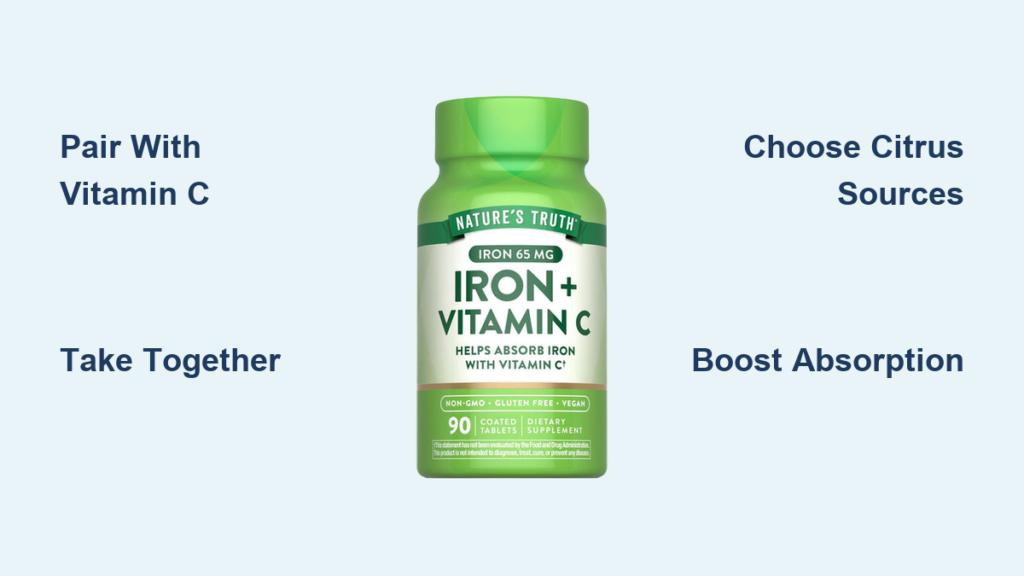
Take your iron supplement with 250mg of vitamin C (about the amount in half a glass of orange juice) to enhance absorption by up to 300%. The citric acid creates an optimal stomach environment that converts iron into its most absorbable form. For best results, consume vitamin C-rich foods or supplements simultaneously with your iron dose.
Timing Matters: What to Avoid Around Supplement Time
| Substance | Minimum Separation Time | Reason |
|---|---|---|
| Calcium supplements | 2 hours | Calcium directly competes with iron for absorption |
| Coffee/tea | 1 hour before, 2 hours after | Tannins bind to iron, making it unavailable |
| High-fiber foods | 1 hour | Fiber can trap iron in the digestive tract |
| Antacids | 2 hours | Reduces stomach acid needed for iron absorption |
Manage Common Side Effects Without Quitting
Constipation Relief That Actually Works
If iron supplements cause constipation, try these solutions:
– Start with a lower dose and gradually increase to your target amount
– Take your supplement at night before bed when digestive activity slows
– Increase water intake to at least 8 glasses daily
– Add magnesium glycinate (200-400mg) which draws water into the colon
– Switch to a gentler formulation like iron bisglycinate if problems persist
Important: Dark stools are normal with iron supplementation and indicate the supplement is working—not a sign of gastrointestinal bleeding.
Proper Storage to Maintain Supplement Effectiveness
Temperature Control for Maximum Potency
Store iron supplements at room temperature between 68-77°F (20-25°C) in their original container with the lid tightly closed. Avoid storing in humid environments like bathrooms where moisture can degrade the iron compound. Exposure to temperatures above 86°F (30°C) can reduce potency by up to 20% within 30 days.
Child Safety Protocol
Iron overdose is particularly dangerous for children—just 200mg can be lethal for a toddler. Always store supplements in a locked cabinet, preferably with child-resistant packaging. If you use a weekly pill organizer, keep it out of sight and reach of children. Consider supplements with bittering agents that make accidental ingestion unpleasant.
When to Consult Your Doctor About Iron Supplementation
Warning Signs That Require Immediate Attention
Stop taking iron supplements and contact your healthcare provider if you experience:
– Severe abdominal pain or cramping
– Vomiting blood or material that looks like coffee grounds
– Black, tarry stools (different from normal iron-darkened stools)
– Difficulty swallowing or pain when swallowing
– Signs of allergic reaction (hives, swelling, difficulty breathing)
Monitoring Your Progress Effectively
Schedule follow-up blood tests 4-6 weeks after starting supplementation to check your ferritin (iron storage) levels and complete blood count. Your healthcare provider will determine whether to continue, adjust, or discontinue supplementation based on these results. Never self-prescribe long-term iron supplementation without medical supervision.
Key Takeaways for Maximum Benefit
The benefits of taking iron supplements become most apparent when you combine proper supplementation with strategic timing and dietary support. Remember that consistent daily intake for 3-6 months is typically needed to fully resolve iron deficiency, with noticeable improvements often appearing within the first few weeks. Work with your healthcare provider to determine your specific needs, as individual requirements vary based on age, gender, and underlying health conditions. By addressing iron deficiency properly, you’re not just treating a symptom—you’re restoring your body’s fundamental ability to transport oxygen, produce energy, and maintain optimal health across multiple systems. The energy boost, mental clarity, and strengthened immunity you gain make strategic iron supplementation one of the most impactful health interventions available for those with confirmed deficiency.