Iron deficiency affects millions of people worldwide, and taking supplements correctly can make the difference between successfully replenishing your stores or struggling with ongoing fatigue and weakness. The best way to take iron vitamins involves understanding how your body absorbs this essential mineral, what enhances versus inhibits absorption, and how to manage common side effects that derail many supplement routines. This comprehensive guide walks you through every aspect of optimizing your iron supplementation, from choosing the right formulation to building a sustainable daily habit that works with your lifestyle.
Taking iron supplements might seem straightforward—swallow a pill and you’re done—but the reality is far more nuanced. Research shows that how you take iron affects how much your body actually absorbs, sometimes doubling or even quadrupling the benefit depending on your approach. The compounds in your food, the timing of your dose, and even the type of iron supplement you choose all influence your results. By understanding these factors and implementing strategic practices, you can maximize the effectiveness of your iron supplementation while minimizing uncomfortable side effects that cause many people to abandon their supplement regimen prematurely.
Choose the Right Iron Supplement Type

Not all iron supplements are created equal, and selecting the right formulation forms the foundation of an effective supplementation strategy. The most widely available supplements fall into the ferrous iron category, which demonstrates significantly superior absorption compared to ferric iron compounds. Studies indicate that ferrous iron supplements achieve absorption rates three to four times higher than ferric iron alternatives, making them the preferred choice for treating iron deficiency.
Ferrous Sulfate vs. Ferrous Gluconate Options
Ferrous sulfate represents the most commonly prescribed form, typically manufactured in 325 milligram tablets containing approximately 65 milligrams of elemental iron per tablet. This economical option works well for most people, though some individuals find it harsh on their digestive system. If you experience significant gastrointestinal distress with ferrous sulfate, ferrous gluconate offers a more easily digestible alternative containing less elemental iron per dose—meaning you may need to take more tablets to achieve therapeutic levels, but many find the gentler approach worth the extra pill.
Iron Protein Succinylate for Sensitive Stomachs
For those who have struggled with intolerance to traditional iron salts, ferrous bisglycinate offers a newer chelated form that research suggests may be better tolerated and potentially better absorbed than conventional options. A 2020 comprehensive review examining 38 randomized clinical trials and over 8,400 subjects identified iron protein succinylate as a particularly promising form. This compound demonstrated comparable or superior effectiveness in raising hemoglobin and ferritin levels while producing the fewest adverse effects among all studied preparations. If you’ve previously struggled with iron supplement side effects, discussing this alternative form with your healthcare provider may provide a better-tolerated path to restoring your iron stores.
Time Your Iron Doses Correctly
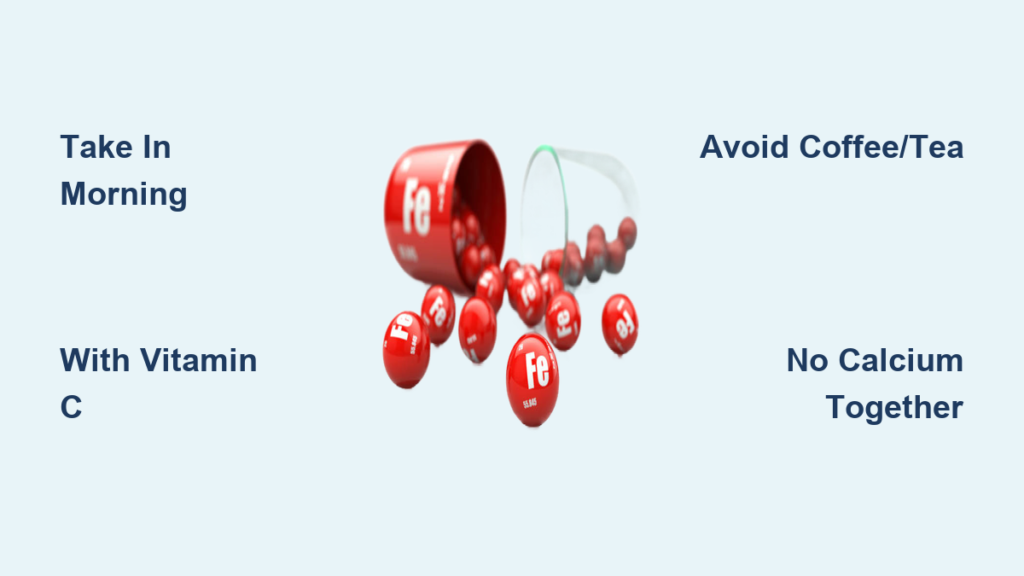
The timing of your iron supplementation significantly impacts absorption, making this one of the most critical factors in optimizing your supplement routine. Dietitians and medical experts consistently recommend taking iron supplements in the morning when hepcidin levels typically reach their lowest point. Hepcidin is a peptide hormone that tightly regulates iron absorption—when hepcidin levels rise, iron absorption decreases, and vice versa. Research has revealed that hepcidin levels tend to be higher later in the day, creating a morning window of opportunity for enhanced iron absorption.
Morning Empty Stomach Strategy
The morning timing aligns with your body’s natural rhythms after overnight fasting. During the extended period without food, iron absorption mechanisms operate more efficiently. Specialists note that the body has just emerged from a long sleep, and calcium and iron levels are at their lowest, creating ideal conditions for absorption. Taking iron approximately 30 minutes before or after breakfast maximizes this opportunity, though your specific timing should accommodate your individual schedule and tolerance.
Iron demonstrates its highest absorption rates when taken on an empty stomach because food, particularly certain nutrients, significantly reduces the absorption of this essential micronutrient. The University of Rochester Medical Center confirms that taking iron supplements on an empty stomach increases the amount of elemental iron your body absorbs compared to taking them with meals. For optimal results, experts recommend taking iron at least one hour before eating or two hours after meals.
However, the practical reality of supplement timing must account for your individual tolerance. While empty-stomach consumption maximizes absorption, many individuals experience digestive distress including nausea, vomiting, heartburn, stomach cramps, and constipation when taking iron without food. In these cases, taking the supplement with a meal or at the end of a meal provides a reasonable compromise that ensures regular supplementation rather than skipping doses due to discomfort.
Boost Absorption With Vitamin C

Vitamin C stands as the most potent enhancer of iron absorption, capable of significantly increasing the amount of iron your body extracts from supplements and dietary sources. The Linus Pauling Institute at Oregon State University specifically notes that vitamin C strongly enhances the absorption of nonheme iron, the form of iron found in plant-based foods and supplements. Research demonstrates that taking orange juice alongside iron supplements can spike absorption rates four-fold compared to taking iron with coffee or breakfast beverages.
How Vitamin C Enhances Iron Uptake
The mechanism behind vitamin C’s effectiveness involves its ability to create an acidic environment in the stomach that helps convert ferric iron (Fe3+) to the more absorbable ferrous form (Fe2+). Additionally, vitamin C can counteract the inhibitory effects of certain dietary compounds that normally bind to iron and prevent its absorption. For individuals seeking to maximize their iron supplementation, consuming vitamin C-rich foods such as citrus fruits, bell peppers, tomatoes, strawberries, kiwi, broccoli, and white potatoes alongside or near their iron supplement provides substantial benefits.
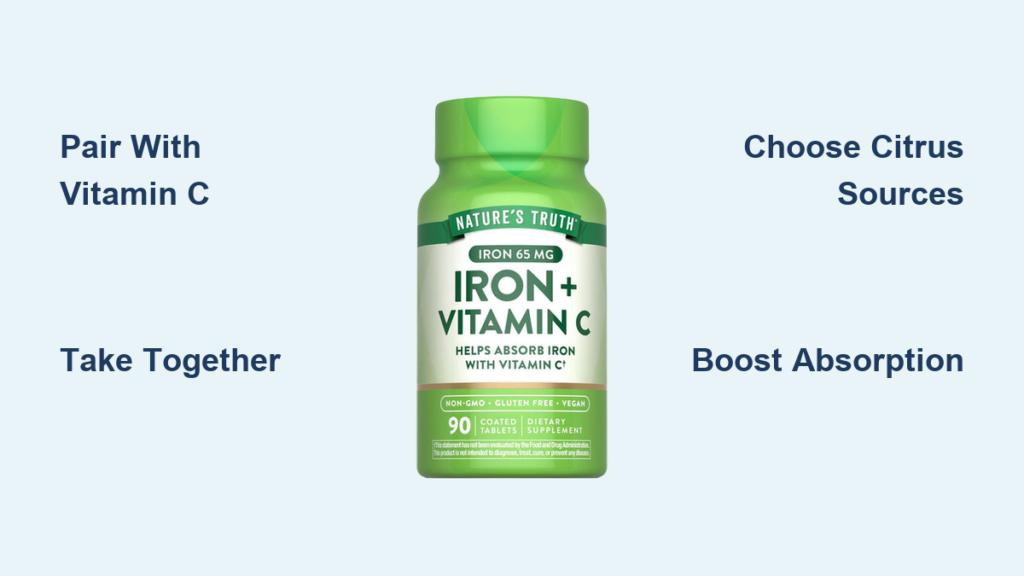
Dietitians recommend pairing iron supplements with vitamin C-rich fruits and vegetables, even when taking iron with food. A small glass of orange juice or a vitamin C supplement taken simultaneously with the iron pill offers a practical approach to enhancing absorption. MedlinePlus specifically suggests this strategy for individuals looking to optimize their iron uptake from supplements. Simply adding a glass of orange juice to your morning routine, or taking a 500 milligram vitamin C tablet with your iron, can dramatically improve your absorption without any additional effort or expense.
Avoid Iron Absorption Inhibitors
Understanding what reduces iron absorption is just as important as knowing what enhances it, because avoiding inhibitors can prevent your supplement from delivering its full benefit. Calcium represents one of the most significant inhibitors of iron absorption, capable of substantially reducing both heme and nonheme iron uptake when consumed simultaneously with iron supplements or iron-rich meals. The National Institutes of Health Office of Dietary Supplements confirms that calcium can reduce iron bioavailability regardless of the iron’s source. Research indicates that calcium doses as low as 300 milligrams can interfere with iron absorption, making it essential to separate iron and calcium consumption by at least two hours.
Coffee and Tea Timing Strategies
Coffee, tea, and other caffeine-containing beverages significantly impair iron absorption due to their polyphenol content. The Linus Pauling Institute explains that phenolic compounds found in coffee and tea bind to nonheme iron, making it more difficult for your body to absorb this essential mineral. Research consistently demonstrates that caffeine consumption within one hour before or after iron supplementation substantially reduces iron absorption rates. The practical implication requires you to avoid coffee, tea, and caffeinated beverages during the critical absorption window surrounding your iron supplement—waiting at least one hour after taking iron before consuming these beverages, though some experts suggest a two-hour window for maximum protection.
High-Fiber Foods and Other Common Inhibitors
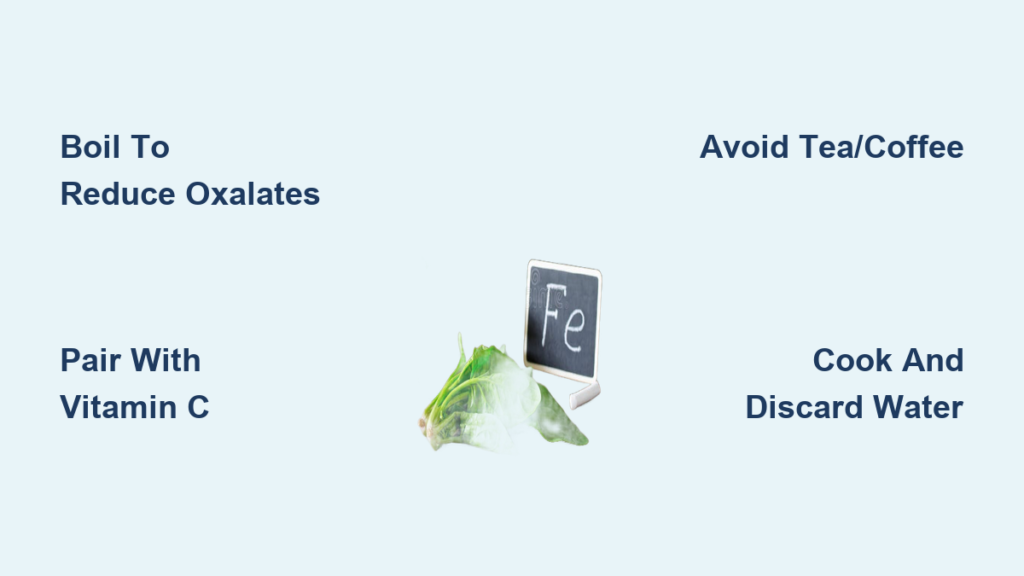
Plant-based compounds collectively known as phytates, oxalates, and polyphenols interfere with iron absorption by binding to iron in the digestive tract and preventing its uptake. Phytates are particularly abundant in whole grains, legumes, nuts, and seeds—foods often promoted as healthy components of a balanced diet. Oxalates concentrate in leafy green vegetables like spinach and Swiss chard, as well as in nuts, cocoa, and certain other plant foods. Dietitians specifically recommend avoiding taking iron supplements with oxalate-rich foods such as spinach, chard, nuts, cocoa, and tea, as well as higher-phytate foods like grains and legumes.
Egg whites and egg yolks can reduce iron absorption when consumed in large amounts alongside iron supplements. This interaction proves particularly relevant at breakfast, when eggs commonly appear as a morning meal alongside other foods. Dietitians recommend taking iron supplements separately from egg consumption to maximize absorption, suggesting a morning supplement schedule that avoids eggs during the critical absorption window.
Manage Common Side Effects
:max_bytes(150000):strip_icc()/do-iron-supplements-for-anemia-cause-upset-stomach-3522504-01-a8806fc982ab45998d75000e183bc406.png)
Iron supplements frequently cause digestive side effects that challenge adherence to supplementation regimens. Research examining iron supplementation in over 300 subjects with iron deficiency anemia found that almost 67 percent of participants experienced darkened stools, over 20 percent developed constipation, 20 percent experienced diarrhea, and more than 11 percent reported nausea caused by iron pills. These statistics underscore the importance of understanding and managing side effects to maintain consistent supplementation over the months required to rebuild iron stores.
Constipation Relief Tactics
Constipation represents one of the most common and troublesome side effects of iron supplementation. Healthcare providers often recommend stool softeners such as docusate sodium (Colace) to manage this uncomfortable symptom. Increasing dietary fiber intake outside the two-hour window surrounding iron supplementation and ensuring adequate water consumption can help prevent constipation without interfering with iron absorption. Regular physical activity also supports healthy digestion and can help counteract the constipating effects of iron supplements.
Nausea and vomiting may occur with higher doses of iron and can often be controlled by taking smaller amounts more frequently rather than a single large dose. Some individuals find that taking iron with a small amount of food—ideally containing vitamin C—reduces nausea while still allowing reasonable absorption. The compromise between optimal absorption and tolerability requires individual adjustment based on your personal response. If significant nausea persists despite these strategies, discussing alternative iron formulations with your healthcare provider may provide a better-tolerated option.
Follow Proper Dosage Guidelines
The appropriate dosage of iron depends on your individual circumstances, including the severity of deficiency, age, sex, and overall health status. The American Society of Hematology recommends that people with iron deficiency anemia take iron pills containing 150 to 200 milligrams of elemental iron each day. This recommendation applies to therapeutic supplementation for diagnosed deficiency, not routine maintenance or preventive supplementation. Your healthcare provider will determine the right dosage based on your specific iron studies and clinical presentation.
Blood counts typically return to normal after approximately two months of iron therapy for most people. However, this normalization represents only the first phase of recovery, as depleted iron stores in your body’s tissues and bone marrow require additional time to replenish. Healthcare providers generally recommend continuing iron supplementation for another six to twelve months to fully rebuild iron reserves and prevent recurrence of deficiency. Stopping too early, once your blood counts normalize but before your stores are full, commonly leads to relapse.
Special Considerations for Different Needs
Pregnancy significantly increases iron requirements due to expanded blood volume, placental development, and fetal growth demands. The increased plasma and red blood cell production during pregnancy makes iron extremely important for both maternal health and fetal development. Iron supports the synthesis of essential minerals and helps prevent anemia, while also playing a critical role in fetal organ formation, particularly brain development. Prenatal vitamins typically include iron specifically because dietary intake often cannot meet the elevated demands of pregnancy. If you experience morning nausea that makes morning supplementation challenging, taking iron later in the day represents a reasonable alternative—the priority remains consistent supplementation rather than rigid adherence to morning-only timing.
Individuals following vegetarian or vegan diets face unique challenges in maintaining adequate iron status because plant-based iron (nonheme iron) absorbs less efficiently than animal-based heme iron. While up to 40 percent of heme iron from meat and seafood sources may be absorbed by the body, only approximately 10 percent or less of nonheme iron achieves absorption. This difference means that plant-based individuals must be particularly attentive to iron optimization strategies. The phytates and other iron inhibitors present in many plant foods further complicate iron absorption for vegetarians and vegans. However, consuming vitamin C-rich foods alongside iron-rich plant foods, timing iron supplements away from inhibitor foods, and potentially using more absorbable iron forms like iron protein succinylate can help plant-based individuals maintain adequate iron status without meat in their diets.
Prevent Dangerous Drug Interactions
Stomach acid plays an essential role in iron absorption, as it helps convert iron to the more absorbable ferrous form. Antacids and proton pump inhibitors used to treat acid reflux and heartburn reduce stomach acid production and alter the stomach’s pH level, thereby decreasing iron absorption. The Mayo Clinic specifically notes that antacids interfere with iron absorption and recommends separating iron supplementation from antacid use by at least two hours. For individuals requiring both iron supplementation and acid-reducing medications, careful timing becomes essential.
Iron supplements may interact with certain antibiotics, particularly tetracycline and quinolone antibiotics, reducing the absorption and effectiveness of both the antibiotic and the iron. These interactions occur because iron binds to the antibiotic in the digestive tract, preventing absorption of either compound. Healthcare providers typically recommend separating iron and antibiotic administration by at least two hours to prevent this interaction. If you’re prescribed an antibiotic, make sure to mention your iron supplementation so your healthcare provider can advise on appropriate timing.
Build a Sustainable Iron Routine
The most effective iron supplementation strategy is one that you can maintain consistently over the several months required to replenish depleted stores. While theoretical optimal conditions—morning empty-stomach dosing with vitamin C and complete separation from inhibitors—represent the gold standard, practical realities often require compromises. The key principle involves establishing a routine that works with your lifestyle, schedule, and tolerance, then maintaining that routine consistently.
For most people, taking iron first thing in the morning on an empty stomach, separated by approximately one hour from food, coffee, tea, and calcium consumption, represents the ideal approach. Adding a glass of orange juice or vitamin C-rich fruit to this routine further enhances absorption. However, if digestive symptoms make this approach untenable, taking iron with a vitamin C-rich meal provides a reasonable alternative that sacrifices some absorption efficiency while maintaining consistent intake. The goal is finding an approach you can stick with for the six to twelve months required for full repletion, not achieving perfect protocol that you abandon after a week.