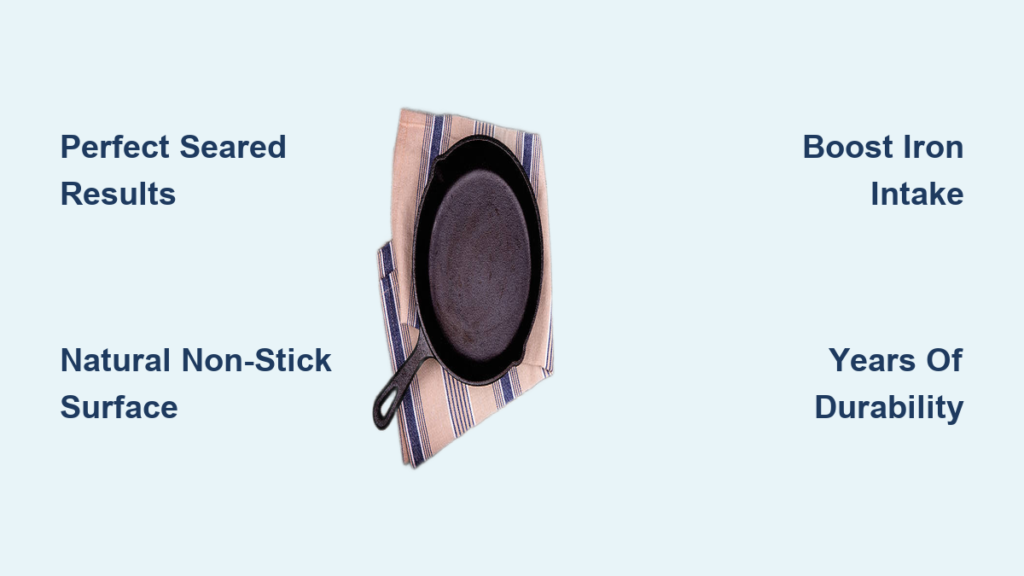
Many home cooks reach for their trusty cast iron skillet when they need a versatile cooking vessel, but few realize that boiling water in these durable pans requires special considerations. When water bubbles vigorously in your cast iron cookware, you might notice unexpected effects on both your cooking results and the pan’s seasoning. This common kitchen practice can either maintain or damage your prized cast iron depending on how you approach it. Understanding the proper technique for boiling water in cast iron prevents unnecessary wear while preserving your pan’s non-stick surface. In this guide, you’ll discover why this seemingly simple task demands attention, how to do it correctly, and what mistakes could shorten your cast iron’s lifespan.
The Science Behind Water and Cast Iron Interaction

When you introduce boiling water to cast iron, a complex interaction occurs between the metal, water molecules, and your pan’s seasoning layer. Cast iron’s porous nature means it absorbs moisture more readily than other cookware materials, which affects both heat distribution and maintenance requirements. The seasoning layer that gives cast iron its non-stick properties consists of polymerized oils bonded to the metal surface – and this protective coating responds differently to prolonged water exposure compared to brief cooking sessions.
How Temperature Changes Affect Cast Iron Integrity
Rapid temperature shifts pose significant risks to cast iron cookware during water boiling processes. When cold water meets a hot pan, thermal shock can cause microscopic cracks in both the metal and seasoning. These tiny imperfections become entry points for moisture, accelerating rust formation. The ideal approach involves gradually bringing both pan and water to temperature together, minimizing stress on the material. Professional chefs recommend never adding cold water to a hot cast iron pan and always allowing the cookware to warm slowly with the liquid inside.
Why Extended Boiling Damages Seasoning
Extended periods of boiling water in cast iron gradually breaks down the polymerized oil layer that constitutes proper seasoning. As water simmers for more than 10-15 minutes, the constant agitation and heat cause the seasoning to soften and eventually wash away. This process happens more quickly with salted water, as sodium ions accelerate the breakdown of the polymerized oils. Many home cooks mistakenly believe that boiling water cleans cast iron effectively, not realizing they’re simultaneously stripping away the very layer that makes the pan non-stick.
Proper Technique for Boiling Water in Cast Iron
Mastering the correct method for boiling water in cast iron preserves your cookware while accomplishing necessary cooking tasks. The key lies in understanding appropriate duration, temperature control, and post-boiling care that maintains your pan’s integrity without compromising your cooking needs.
Step-by-Step Water Boiling Process
- Start with room temperature water in your cast iron vessel rather than cold tap water
- Place the pan on a cold burner before introducing heat
- Gradually increase heat to medium rather than starting on high
- Monitor boiling intensity – maintain a gentle simmer rather than a rolling boil
- Limit exposure time to no more than 10 minutes for most applications
- Remove from heat immediately when water reaches desired temperature
- Dry thoroughly with a towel while still warm but not hot
This controlled approach prevents thermal shock while minimizing seasoning damage. For tasks requiring longer liquid cooking times, consider transferring to stainless steel or enameled cookware after the initial heating phase.
Recognizing When You’ve Boiled Too Long
Watch for these visual cues that indicate excessive water exposure:
– Milky residue appearing in the water as seasoning breaks down
– Dull patches developing on the normally dark, glossy surface
– Increased food sticking during subsequent cooking sessions
– Metallic taste transferring to foods cooked afterward
If you notice these signs, your cast iron requires immediate reseasoning to restore its protective layer. The longer you wait, the more difficult restoration becomes as bare metal areas begin to oxidize.
Common Boiling Mistakes That Damage Cast Iron
:max_bytes(150000):strip_icc()/__opt__aboutcom__coeus__resources__content_migration__serious_eats__seriouseats.com__images__2014__11__20141121-cast-iron-pan-restoration-daniel-gritzer-edit-22-c2b8d38877ff402382a56ac7b63a311b.jpg)
Many well-intentioned home cooks unknowingly shorten their cast iron’s lifespan through improper water boiling techniques. These preventable errors compound over time, leading to unnecessary maintenance and potential replacement costs.
Using Dish Soap After Boiling Water
One of the most frequent mistakes involves washing cast iron with dish soap immediately after boiling water. While plain water boiling doesn’t necessarily require soap, many people mistakenly believe they need to “deep clean” afterward. This practice removes the remaining seasoning layer, leaving the metal vulnerable. Instead, use a stiff brush with hot water only, followed by immediate drying and light oiling.
The Saltwater Boiling Hazard
Adding salt to boiling water in cast iron dramatically accelerates seasoning breakdown. Sodium ions react with the polymerized oils, causing them to lift from the metal surface. If your recipe requires salted water, consider:
– Adding salt only after water reaches boiling point
– Reducing total boiling time to 5 minutes or less
– Transferring to alternative cookware for extended salted liquid cooking
Improper Drying Techniques
Leaving cast iron to air dry after water exposure guarantees rust formation. Water trapped in microscopic pores begins oxidizing the bare metal within minutes. Always dry cast iron completely with a towel while still warm, then apply a thin oil layer to any areas that appear less glossy than usual.
When to Avoid Boiling Water in Cast Iron Completely
Certain situations demand alternative cookware despite cast iron’s versatility. Recognizing these scenarios preserves both your cooking results and your valuable cast iron investment.
Preparing Acidic Liquids
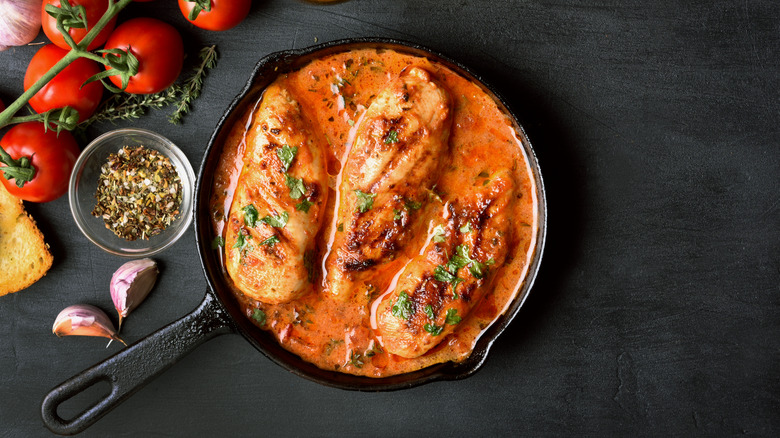
Tomato-based sauces, wine reductions, and other acidic liquids react aggressively with cast iron when heated. The combination of acid and heat pulls metallic compounds from the pan into your food, creating off-flavors and damaging the seasoning. For these applications, always choose stainless steel, enameled cast iron, or non-reactive cookware.
Long Simmering Requirements
Recipes requiring 30+ minutes of liquid simmering should never use bare cast iron. The extended water exposure will completely strip seasoning regardless of precautions. Instead, use your cast iron for initial searing or sautéing, then transfer to appropriate cookware for the simmering phase.
Essential Post-Boiling Care Routine
Proper maintenance after boiling water ensures your cast iron remains in peak condition for future cooking adventures. This simple routine takes just minutes but significantly extends your pan’s lifespan.
Immediate Drying Process
The critical first step involves removing all moisture while the pan retains some warmth. Use a clean cotton towel to wipe the entire surface, paying special attention to handle crevices and the pan’s underside. Never allow cast iron to cool completely while wet – the condensation that forms during cooling creates perfect rust conditions.
Targeted Reseasoning Protocol
After water-intensive cooking sessions, reinforce your cast iron’s protection with this quick reseasoning:
1. Apply a micro-thin oil layer to the entire cooking surface
2. Heat the oiled pan on the stove for 5 minutes
3. Wipe away excess oil with a paper towel
4. Return to heat for another 10 minutes
5. Cool completely before storage
This maintenance step replaces oils removed during boiling and prevents moisture penetration.
Alternative Methods for Water-Based Cooking
When your recipe demands extended liquid cooking, several alternatives preserve both your food quality and cast iron investment.
The Hybrid Cooking Approach
Leverage cast iron’s superior searing ability while avoiding prolonged water exposure:
– Sear meats and vegetables in cast iron first
– Deglaze the pan with a small amount of liquid
– Transfer contents to stainless steel or enameled pot
– Continue simmering in the alternative vessel
This method captures cast iron’s flavor benefits without risking damage.
Final Maintenance Checklist
Before storing your cast iron after water use, verify these critical points:
– Complete dryness – no moisture visible anywhere
– Uniform sheen – consistent gloss across entire cooking surface
– No metallic scent – indicates proper seasoning coverage
– Light oil layer – barely visible but protective
Following these guidelines ensures your cast iron remains ready for its next cooking challenge while maintaining its heirloom quality for years to come. Remember that occasional water boiling won’t ruin your cast iron if handled properly – it’s the repeated improper techniques that cause cumulative damage. By applying these specific methods, you’ll enjoy the versatility of cast iron without compromising its longevity.