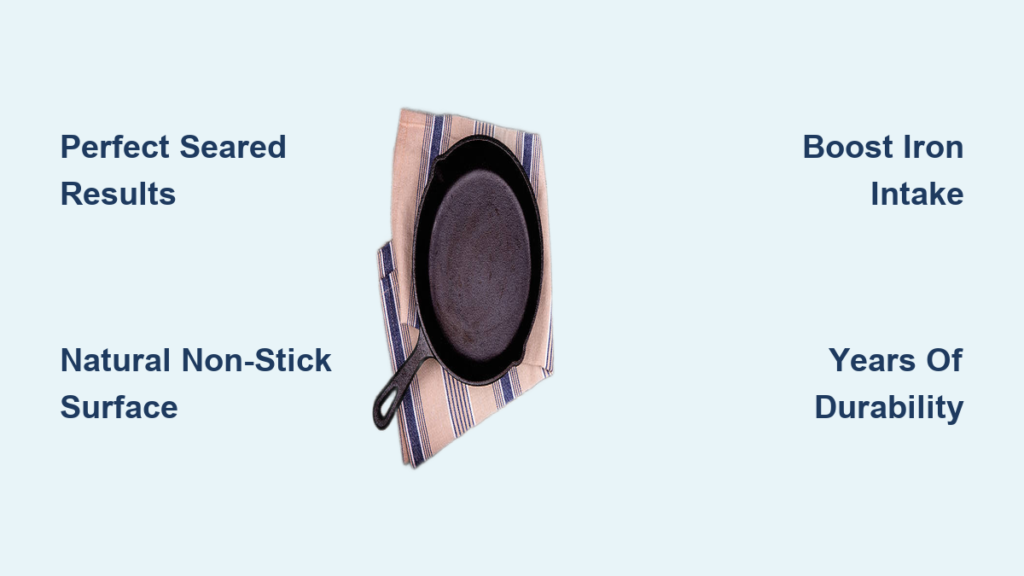
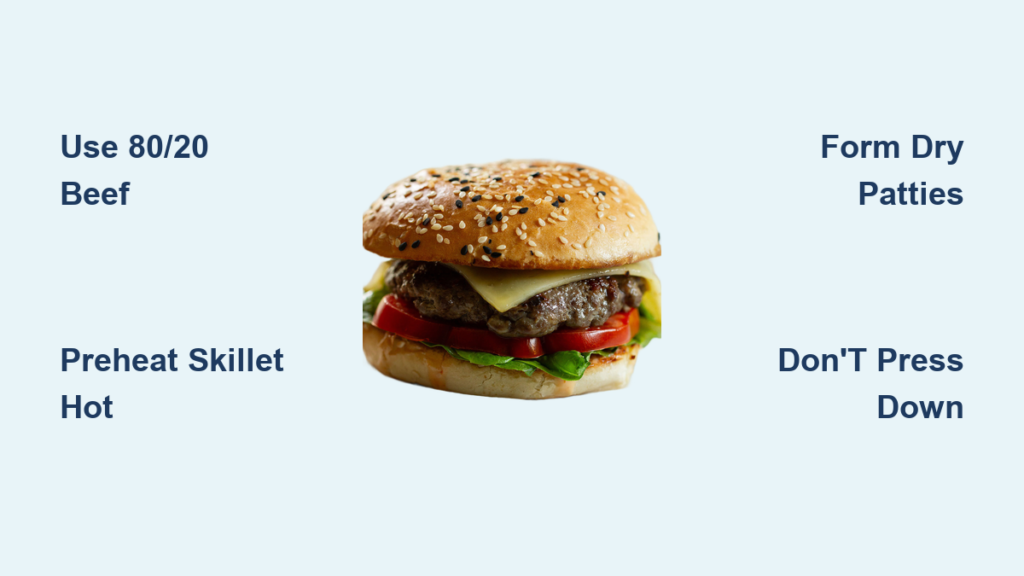
There’s something undeniably satisfying about a burger cooked in a cast iron skillet—the deep, savory crust, the juicy interior, and that unmistakable cast iron sear that no other cooking surface can replicate. Whether you’re cooking indoors during winter months, don’t have access to a grill, or simply want to achieve that perfect restaurant-quality patty at home, mastering the cast iron skillet burger technique is a culinary skill that will serve you for years to come. This comprehensive guide walks you through everything from selecting the right ground beef to achieving the ideal internal temperature, ensuring your skillet burgers rival those from your favorite burger joint.
The beauty of cooking burgers in a cast iron skillet lies in the material’s exceptional heat retention and even distribution. Unlike thinner pans that develop hot spots, a well-seasoned cast iron skillet creates that coveted Maillard reaction on every surface of the patty, producing complex flavors and a texture that grilling sometimes struggles to achieve. With the right technique, your cast iron skillet burger recipe will deliver consistent, delicious results time after time, transforming weeknight dinners into special occasions with minimal effort and maximum flavor.
Choose the Right Ground Beef
The foundation of any exceptional cast iron skillet burger recipe starts with selecting the appropriate ground beef. The fat content in your meat directly impacts juiciness, flavor, and texture, making this decision crucial to your burger’s success. Most professional chefs and burger enthusiasts recommend ground beef with an 80/20 lean-to-fat ratio for skillet cooking, as this balance provides enough fat to keep the patty moist during high-heat searing while delivering robust beef flavor. This ratio ensures your burgers remain succulent even when cooked to safe temperatures.
Ground beef labeled “80/20” or “ground chuck” typically offers the ideal fat content for cast iron skillet preparation. Ground chuck comes from the shoulder region of the cattle and contains the perfect amount of intramuscular fat to create juicy, flavorful burgers. Avoid leaner blends like 90/10 or 95/5 for traditional burger recipes, as these will result in dry, tough patties that lack the rich flavor characteristic of a great cast iron skillet burger. If you prefer a leaner option, consider adding a tablespoon of melted butter or bacon fat to your lean meat mixture to compensate for the reduced natural fat content.
When purchasing ground beef for your cast iron skillet burger recipe, look for fresh, bright-red meat with no off odors. The color indicates freshness, while any graying or brown spots suggest the meat has been sitting too long. If possible, ask your butcher to grind fresh chuck for you, as this often produces superior results compared to pre-packaged options. Store ground beef in the coldest part of your refrigerator and use it within one to two days of purchase, or freeze it for longer storage—though fresh beef always produces the best results for your burger recipe. For optimal performance in your cast iron skillet, remove the meat from the refrigerator 15-20 minutes before cooking to allow it to reach a more even temperature.
Visual Cues for Quality Ground Beef
- Bright cherry-red color (not brown or gray)
- Fine, consistent texture without large chunks
- No excessive liquid in the packaging
- Distinct beefy aroma without sour notes
- Visible marbling throughout the meat
Seasoning Fundamentals for Maximum Flavor
Proper seasoning transforms a good cast iron skillet burger into an extraordinary one, and understanding the balance between salt, pepper, and additional flavor enhancers is essential. While some burger purists insist on nothing more than salt and freshly cracked black pepper, incorporating a thoughtfully crafted seasoning blend can elevate your burger without overwhelming the natural beef flavor. The key is to season generously but purposefully, ensuring each bite delivers a harmonious combination of flavors.
For a classic cast iron skillet burger recipe, kosher salt and freshly cracked black pepper form the foundation of your seasoning approach. Apply salt liberally to both sides of your patties—approximately one teaspoon per pound of meat—pressing it gently into the surface. The coarse texture of kosher salt adheres better than table salt and provides a more satisfying crust. Freshly cracked black pepper adds aromatic complexity that pre-ground pepper simply cannot match, so invest in a quality pepper mill and grind your pepper fresh just before seasoning.
Beyond salt and pepper, consider incorporating garlic powder, onion powder, or a small amount of cayenne for depth and subtle heat. A pinch of smoked paprika adds a subtle smokiness that complements the cast iron’s inherent char flavor. Some burger enthusiasts swear by adding a touch of Worcestershire sauce or soy sauce to the meat mixture before forming patties, as these umami-rich ingredients enhance the savory beef flavor without adding moisture that might prevent proper browning. The most important rule of seasoning is to taste and adjust—your cast iron skillet burger recipe should reflect your personal preference, so don’t be afraid to experiment until you find your perfect blend.
Forming Perfect Patty Shapes
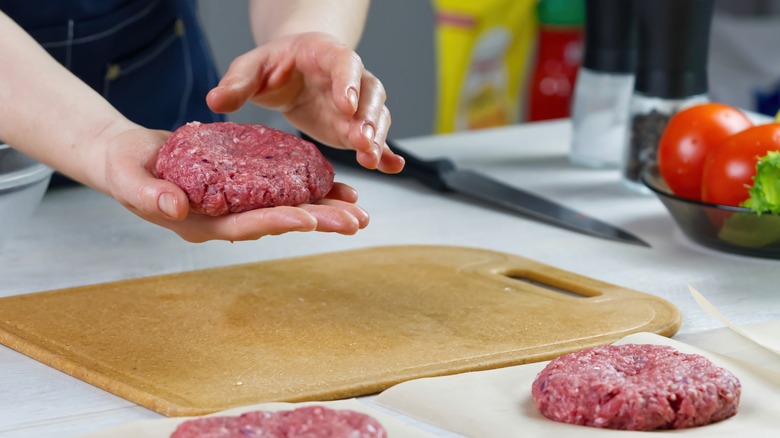
The way you form your patties significantly impacts how they cook in your cast iron skillet, affecting everything from even cooking to the formation of that desirable crust. Many home cooks make the mistake of overworking their meat, which results in dense, tough burgers instead of the tender, juicy patties you want. Understanding proper patty formation technique is crucial to executing your cast iron skillet burger recipe successfully.
Begin by dividing your seasoned ground beef into equal portions—typically four to six ounces per patty for standard burgers. Gently shape each portion into a loose ball, then gently press it into a patty about three-quarters of an inch thick. The key is to handle the meat as little as possible; over-compressing the meat develops the gluten in the proteins, creating a tough, chewy texture. Your patties should be slightly larger in diameter than your bun, as they will shrink during cooking—a good rule of thumb is to make them about one inch wider than your intended bun size.
Create a slight depression in the center of each patty with your thumb or the back of a spoon. This simple step prevents the burger from puffing up in the center during cooking, ensuring even thickness and consistent doneness throughout. Place your formed patties on a plate lined with parchment paper and refrigerate them for at least 30 minutes before cooking—this chilling step helps the patties hold their shape and promotes better browning. If you’re preparing your cast iron skillet burger recipe in advance, you can refrigerate formed patties for up to 24 hours, allowing the seasonings to penetrate the meat and the surface to dry slightly for improved searing.
Prepare Your Cast Iron Skillet Properly
A properly prepared cast iron skillet is the foundation of successful burger cooking, and taking the time to season and heat your pan correctly will dramatically impact your results. If your skillet is new or hasn’t been used recently, it may require seasoning—a process that builds up the polymerized oil layer that prevents sticking and adds flavor to your food. Even well-seasoned skillets benefit from a quick preheating and oiling routine before cooking your burger recipe.
To prepare your cast iron skillet for burger cooking, place it over medium-high heat and allow it to heat for at least three to five minutes. The skillet is ready when a drop of water dances and evaporates almost instantly upon contact, or when a small amount of oil shimmers and flows easily across the surface. Add one to two tablespoons of high-smoke-point oil—such as avocado oil, grapeseed oil, or refined vegetable oil—and allow it to heat until it begins to shimmer and flow freely. The oil should be hot enough that it sizzles immediately when you place a patty in the pan, but not so hot that it smokes excessively.
How to Test Skillet Temperature
- Water droplet test: Sprinkle a few drops of water on the surface—they should dance and evaporate within seconds
- Oil behavior: Oil should flow like water and shimmer but not smoke
- Hand test: Hold your hand 6 inches above the skillet—you should feel significant heat within 3-5 seconds
- Visual cues: The skillet may develop a slight blue tint when properly heated
Master the Cooking Technique
Cooking your burger patties in a cast iron skillet requires attention to timing, temperature, and technique to achieve that perfect balance of a crusty exterior and juicy interior. The high heat retention of cast iron allows you to sear your patties effectively, but it also means you need to manage your cooking temperature carefully to avoid burning the exterior while leaving the center undercooked. Following a systematic approach ensures consistent results with every cast iron skillet burger recipe you prepare.
Place your burger patties in the hot, oiled skillet without crowding the pan—overcrowding causes the patties to steam rather than sear, preventing the development of that desirable crust. Cook each patty for approximately three to four minutes on the first side without moving it, allowing the proteins to release from the pan surface naturally as they sear. You’ll know it’s time to flip when the edges of the patty appear cooked and the surface releases easily from the pan when you test it with a spatula. If the patty sticks, it needs more time to sear—be patient, as proper browning is essential to your cast iron skillet burger recipe’s success.
Flip your burger to the second side and cook for an additional two to three minutes for medium doneness. For a cheese-topped burger, add your cheese slices during the last minute of cooking and cover the skillet briefly with a lid to help the cheese melt evenly. Use an instant-read thermometer inserted into the thickest part of the patty to verify doneness—160°F (71°C) for fully cooked, 155°F (68°C) for medium-well, and 145°F (63°C) for medium-rare. Remember that carryover cooking will raise the internal temperature by approximately five degrees after removing the patty from the heat, so factor this into your timing.
Achieve the Perfect Crust
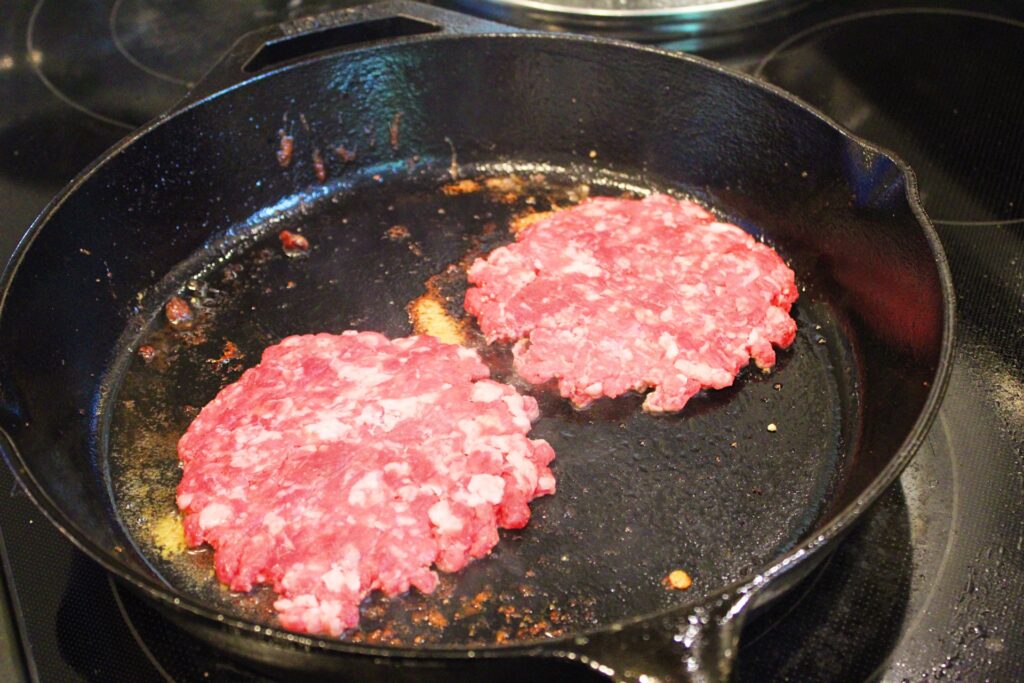
The hallmark of an exceptional cast iron skillet burger recipe is the deeply browned, slightly crispy crust that seals in juices while delivering intense, caramelized flavor. This crust develops through the Maillard reaction—the chemical reaction between amino acids and reducing sugars that occurs at high temperatures—and your cast iron skillet provides the ideal cooking surface for this process. Understanding how to maximize crust formation will elevate your burger from good to extraordinary.
The key to a perfect crust lies in dry patty surfaces and properly heated oil. Moisture on the patty surface causes steaming rather than searing, preventing the Maillard reaction from occurring. Before placing your patties in the skillet, gently pat them dry with paper towels and allow them to sit at room temperature for 15 to 20 minutes after removing them from the refrigerator. This brings the patties to a more even cooking temperature and ensures the surface is dry enough to sear immediately upon contact with the hot oil.
Avoid pressing down on your patties during cooking, despite the temptation to do so. Pressing forces out the precious juices that keep your burger moist and tender, resulting in a dry, tough texture. Similarly, avoid moving the patties frequently in the pan—once you’ve placed them, let them cook undisturbed to develop a proper sear. If flare-ups occur from dripping fat, reduce heat slightly and consider using a splatter screen to contain the mess while maintaining high heat. The patience you exercise during cooking directly correlates to the quality of crust on your finished cast iron skillet burger recipe.
Prevent Common Mistakes
Even experienced cooks encounter challenges when preparing cast iron skillet burger recipes, but understanding common mistakes and how to avoid them ensures consistent, delicious results. Many burger failures stem from a few predictable errors that are easily corrected with proper technique and attention. Learning to identify and prevent these mistakes transforms your burger-making from hit-or-miss to reliably excellent.
Overworking the meat remains the most common mistake in burger preparation, resulting in dense, tough patties that lack the tender texture characteristic of great burgers. Handle your ground beef as little as possible when forming patties—gentle shaping is all that’s required. If the meat becomes warm from handling, refrigerate it for 15 minutes before continuing. Similarly, avoid using leaner meat blends in an attempt to create healthier burgers; the fat content is essential for both flavor and texture, and lean burgers often disappoint despite their health benefits.
Inadequate preheating and overcrowding the pan represent two related errors that prevent proper crust formation. Your cast iron skillet must be thoroughly heated before adding oil and patties—rushing this step results in burgers that stick, steam, or fail to brown properly. Similarly, resist the temptation to cook too many patties at once; crowding forces the burgers to steam in their own moisture rather than searing properly. If you’re cooking for a crowd, cook in batches and keep completed patties warm in a low oven (around 200°F) while you finish the remaining burgers. Finally, resist the urge to press down on patties during cooking—this expels juices and creates dry, tough results.
Final Notes on Skillet Burger Excellence
Mastering the cast iron skillet burger recipe requires patience, attention to detail, and a willingness to refine your technique based on results. Each cooking session teaches you something new about your particular skillet, your stovetop’s heat characteristics, and your personal preferences for burger doneness and seasoning. Over time, you’ll develop an intuitive understanding that allows you to produce consistently excellent burgers without consulting recipes.
The investment in quality ingredients—properly fatty ground beef, fresh seasonings, and quality buns—pays dividends in the final product’s flavor and texture. Similarly, maintaining your cast iron skillet properly ensures that it improves with each use, developing a more seasoned cooking surface that enhances rather than impedes your burger preparation. Don’t be discouraged if your first few attempts don’t match your expectations; even professional chefs require practice to perfect their techniques.
Your cast iron skillet burger recipe can evolve with your tastes and creativity. Once you’ve mastered the basic technique, experiment with different meat blends, seasoning combinations, and topping arrangements. Try adding caramelized onions, sautéed mushrooms, or specialty cheeses. Consider different bread options or lettuce wraps for lower-carb alternatives. The fundamental technique remains constant, but the variations are nearly infinite—making the cast iron skillet burger recipe a foundational skill that serves you throughout your cooking journey. With these techniques in your culinary arsenal, you’re ready to create burgers that rival those from your favorite restaurants, all from the comfort of your own kitchen.