You’ve searched for a “cast iron lamb mold recipe,” but that phrase contains a critical culinary contradiction. Mold on food means dangerous contamination—not a cooking technique. If you’re seeing lamb recipes mentioning “mold,” you’re either encountering a dangerous translation error or a serious food safety risk. Lamb should never be intentionally prepared with mold, and cast iron cookware won’t make it safe. In fact, the USDA explicitly states that mold on meat indicates spoilage that requires immediate disposal. This confusion could lead to severe foodborne illness, especially since lamb’s high protein content accelerates bacterial growth when contaminated. Let’s clarify exactly what went wrong with this search term, why mold has no place in your lamb recipes, and what you likely actually need—whether it’s a traditional lamb mold bundt cake, a terrine, or a classic roast. You’ll learn how to identify safe recipes, avoid hazardous food myths, and master cast iron lamb cooking without risking your health.
The Critical Difference: Mold vs. Mold Cookware
Why “Mold” in Food Searches Is an Immediate Red Flag
When you search for “lamb mold recipe,” search engines often misinterpret “mold” as the cookware shape (like a bundt mold) rather than the dangerous fungus. But here’s what happens when actual mold meets lamb:
– Mold penetrates deep: Unlike hard cheeses, meat’s porous texture allows mold roots to spread invisibly beyond visible spots
– Toxin production: Penicillium and Aspergillus molds create heat-stable mycotoxins that survive cooking
– Cast iron won’t save you: These toxins withstand 400°F+ temperatures—far hotter than any lamb roast
Never attempt to “cook off” mold. The FDA states: “Discard meat showing any mold growth—trimming won’t remove hidden contamination.” If a recipe instructs you to use “moldy lamb,” it’s either dangerously inaccurate or a mistranslation of “mold” as cookware.
What You Likely Meant: Common Lamb “Mold” Confusions
Most searches for “lamb mold” actually seek one of these legitimate dishes:
| Term Mix-Up | Correct Term | What It Really Is |
|---|---|---|
| “Lamb mold” | Lamb terrine | Pressed lamb pâté cooked in a loaf mold |
| “Mold recipe” | Bundt cake mold | For sweet lamb-infused desserts (rare but exists) |
| “Mold cook” | Mold as cookware | Generic term for shaped baking vessels (never literal mold) |
Pro Tip: Always add “cookware” or “bundt” to your search if you mean shaped pans. For example: “cast iron lamb bundt cake recipe” yields safe, tested results.
Safe Cast Iron Lamb Recipes You Can Actually Cook
Perfect Cast Iron Rack of Lamb (No Mold Involved)
This is what most home cooks actually want when searching “lamb mold”—a showstopper roast cooked in cast iron. Follow these steps for foolproof results:
What you’ll need:
– 1.5 lb rack of lamb (8 ribs), frenched
– 2 tbsp Dijon mustard
– 3 garlic cloves, minced
– Fresh rosemary sprigs
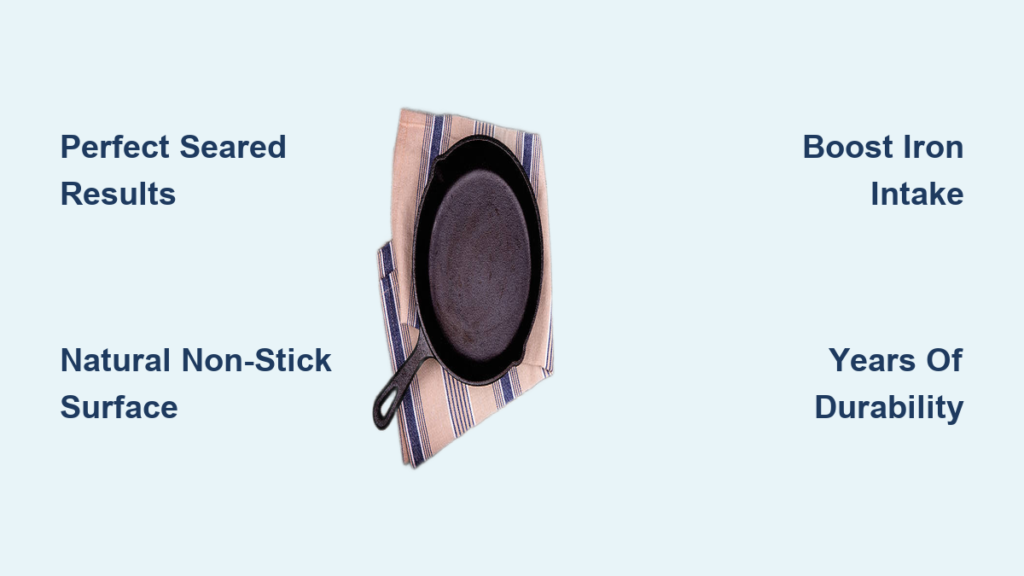
– Lodge 12″ cast iron skillet
Critical safety check: Before cooking, inspect lamb for:
– Slimy texture (discard immediately)
– Grayish-green discoloration (mold indicator)
– Sour or ammonia-like smell
Cooking process:
1. Sear properly: Pat lamb bone-dry—moisture prevents browning and encourages bacteria
2. Temperature control: Heat cast iron to 400°F (use infrared thermometer—water droplets aren’t reliable)
3. Cook to safe temps: 125°F internal = medium-rare (USDA minimum safe temp is 145°F with 3-min rest)
4. Rest correctly: Tent with foil for 10 minutes—internal temp will rise 5-10°F
Common mistake: Skipping the dry pat—this causes steaming instead of searing, creating a breeding ground for pathogens. Always use paper towels until no moisture transfers.
Troubleshooting: When Your Lamb Looks “Moldy” But Isn’t
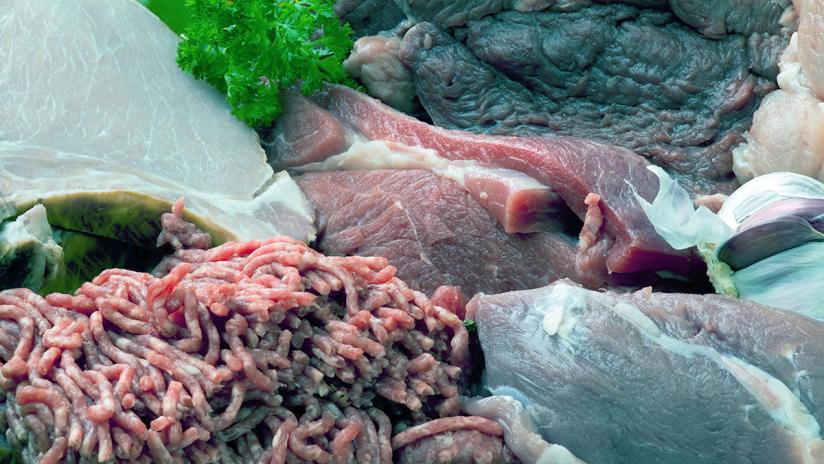
Sometimes lamb shows harmless discoloration mistaken for mold:
Blue-green iridescence:
– ✅ Cause: Light refraction on muscle fibers (like oil on water)
– ✅ Test: Wipe with vinegar—color disappears if harmless
– ❌ Discard if: Color persists or has fuzzy texture
Brown-gray spots:
– ✅ Cause: Oxygen exposure in vacuum-sealed packages (metmyoglobin)
– ✅ Fix: Air-expose for 1 hour—should turn bright red
– ❌ Discard if: Slimy film develops after airing
Never taste-test questionable meat. When in doubt, throw it out—lamb costs less than a hospital bill.
Why Cast Iron Is Ideal for Lamb (When Used Correctly)
The Science Behind Superior Searing

Cast iron’s thermal mass creates the Maillard reaction (browning) at 300°F+—critical for flavorful lamb crusts. But improper use causes problems:
Why preheating matters:
– Cold cast iron = sticking and uneven cooking
– Ideal temp: 375-400°F (drops to 325°F when meat hits pan)
– Visual cue: Oil shimmers but doesn’t smoke
Avoid these cast iron killers:
– Cooking acidic sauces (tomatoes, wine) in unseasoned iron—leaches metal
– Soaking overnight—causes rust that harbors bacteria
– Using metal scrapers on new seasoning—creates pits for contamination
Pro Tip: After cooking lamb, deglaze with ½ cup beef broth while skillet’s hot—scrapes fond safely without damaging seasoning.
Cleaning Protocol for Food Safety
Never do this:
– ❌ Run cast iron through dishwasher (causes rust + bacterial traps)
– ❌ Use soap on well-seasoned iron (modern soaps are safe but unnecessary)
Do this instead:
1. While hot, scrape debris with chainmail scrubber
2. Rinse with hot water only—no soap needed for meat residue
3. Dry immediately on stovetop over low heat
4. Apply ¼ tsp flaxseed oil to prevent rust
Warning: Rust spots aren’t just cosmetic—they’re bacterial breeding grounds. Reseason immediately if rust appears.
Finding Legitimate Lamb Recipes Online
Spotting Dangerous Recipe Red Flags
Immediately close tabs showing:
– “Aged lamb with blue mold” (like cheese—never safe for meat)
– Instructions to “store lamb in cool place until mold forms”
– Photos of fuzzy lamb (even if called “traditional”)
Safe recipe markers:
– USDA/FDA temperature guidelines included
– Clear “discard if” spoilage warnings
– Reputable sources (America’s Test Kitchen, Serious Eats)
Search hack: Add “-fungus -contamination” to exclude dangerous results. Example:
"cast iron lamb recipe" -mold -fungus -contamination
Trusted Recipe Types for Cast Iron Lamb
| Dish | Safe Search Term | Why It Works |
|---|---|---|
| Roast | “cast iron rack of lamb recipe” | Uses dry-heat searing |
| Stew | “cast iron lamb shank stew” | Boiling kills pathogens |
| Patties | “cast iron lamb burger recipe” | Cooked to 160°F internal |
Never substitute: Ground lamb requires higher temps (160°F) than roasts due to increased surface area for bacteria.
Final Safety Checklist Before Cooking
Before you touch that cast iron skillet, verify:
– Lamb passes the sniff test: Fresh lamb smells clean and meaty—not sour or ammonia-like
– Packaging is intact: No tears in vacuum seals where bacteria enter
– Color is vibrant: Bright red/pink—not gray or green-tinged
– Texture is firm: Not slimy or sticky to the touch
If any doubt exists, discard immediately. No recipe is worth risking Listeria or E. coli—especially dangerous for children and elderly. When you find a legitimate cast iron lamb recipe, always cross-check temperatures with the USDA’s FoodKeeper app. For true showstopper presentations, use a bundt pan (not mold) for lamb-infused desserts like Moroccan lamb cake—but remember: real mold has absolutely no place in your kitchen. Stick to verified sources, prioritize safety over novelty, and your cast iron lamb dishes will be both spectacular and safe.