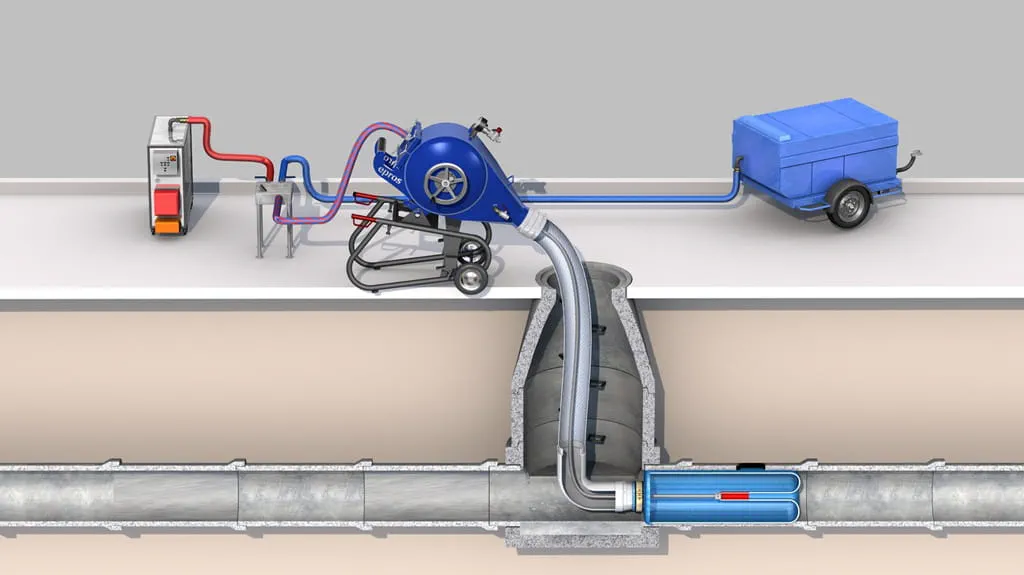
When your home’s sewer line develops leaks or cracks, the thought of digging up your yard for replacement pipes can be daunting. Cast iron pipe relining offers a potential solution that avoids extensive excavation, but finding accurate, reliable information about this specialized process is challenging. Without verified details about proper techniques, materials, and specifications, homeowners risk making costly mistakes when addressing aging cast iron plumbing systems. This article addresses the information gap surrounding cast iron pipe relining and explains why proper knowledge matters for anyone considering this trenchless repair method.
Many plumbing companies advertise pipe relining services, yet comprehensive, factual information about cast iron-specific relining procedures remains scarce in publicly available resources. This knowledge deficit leaves property owners without the detailed guidance needed to make informed decisions about repairing aging cast iron infrastructure. Understanding the legitimate concerns around information availability helps you navigate this complex home improvement decision with appropriate caution and awareness of what a proper relining process should entail.
The Information Gap in Cast Iron Pipe Relining Technology
Why Verified Technical Details Are Hard to Find
The absence of readily available, detailed information about cast iron pipe relining raises legitimate questions for homeowners. Unlike newer PVC or ABS piping systems, cast iron presents unique challenges due to its age, corrosion patterns, and structural characteristics. Without access to verified technical specifications about epoxy formulations, curing processes, or compatibility with deteriorated cast iron surfaces, consumers cannot properly evaluate service providers’ claims. This information gap creates vulnerability to marketing hype rather than evidence-based solutions for aging plumbing infrastructure.
Risks of Proceeding Without Complete Technical Knowledge
Attempting cast iron pipe relining without complete technical understanding carries significant risks. Inadequate surface preparation before applying liner materials can lead to premature failure of the relined section. Improperly matched epoxy formulations might not withstand the specific chemical environment inside aging cast iron pipes. Without verified information about proper curing times and pressure testing protocols, homeowners have no way to verify whether a completed relining job meets industry standards. These knowledge gaps translate directly into potential future repair costs and property damage.
What a Complete Cast Iron Pipe Relining Guide Should Include
Essential Technical Specifications Missing from Public Resources
A comprehensive cast iron pipe relining guide would detail specific material requirements, including epoxy resin formulations engineered for bonding with oxidized cast iron surfaces. It would specify minimum thickness requirements for liners based on pipe diameter and expected load conditions. The guide would outline precise surface preparation protocols, including acceptable levels of remaining corrosion before relining can proceed successfully. Without access to this technical information, consumers cannot determine whether a proposed relining solution meets engineering standards for cast iron pipe restoration.
Proper Assessment Protocols You Should Demand
Before any relining work begins, a thorough assessment of the existing cast iron pipe condition is essential. A complete guide would specify the required camera inspection standards, minimum video resolution, and mandatory documentation of pipe condition before relining. It would detail how to identify sections of pipe too deteriorated for relining versus those suitable for the process. The absence of this information makes it difficult for homeowners to verify whether contractors have properly evaluated their specific pipe conditions before recommending relining as a solution.
Evaluating Relining Service Providers Without Complete Information
Critical Questions to Ask Before Hiring a Contractor
Since detailed technical information about cast iron pipe relining isn’t readily available, homeowners must rely on thorough contractor vetting. Ask specific questions about their experience with cast iron pipes versus other materials, as the techniques differ significantly. Request documentation of the exact materials they’ll use, including technical data sheets showing compatibility with cast iron substrates. Inquire about their failure rate specifically for cast iron relining projects, not just general pipe relining statistics. These questions help compensate for the lack of publicly available technical information.
Red Flags Indicating Insufficient Cast Iron Expertise
Be wary of contractors who don’t differentiate between relining cast iron versus newer piping materials. Cast iron’s unique corrosion patterns and structural weaknesses require specialized assessment and preparation techniques. If a contractor suggests the same relining process works equally well for cast iron, clay, or PVC pipes without modifications, this indicates insufficient specialized knowledge. Similarly, contractors who cannot provide project-specific warranty documentation addressing cast iron’s unique challenges may lack genuine expertise in this specific application.
Understanding the Limitations of Cast Iron Pipe Relining
When Relining Isn’t the Appropriate Solution
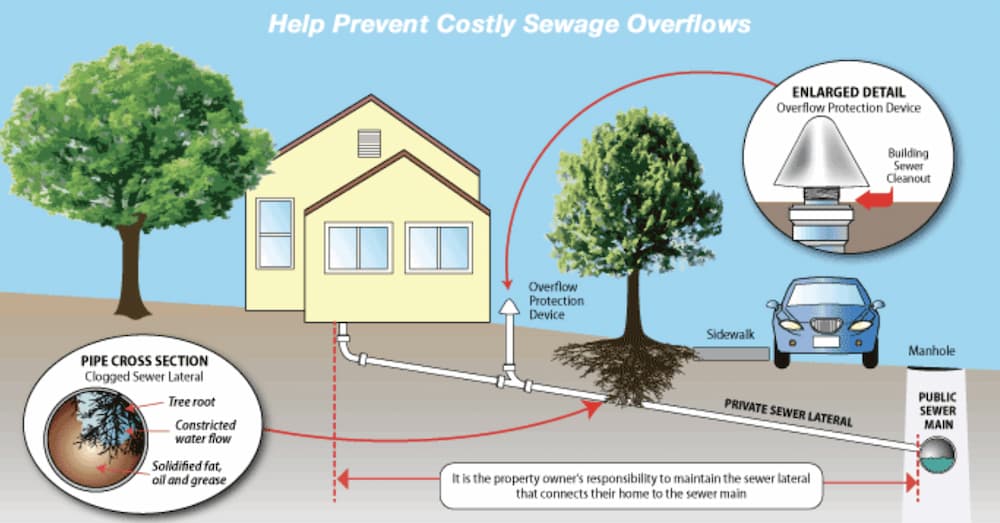
Without complete technical information, homeowners might consider relining for situations where pipe replacement is actually necessary. Severely collapsed cast iron sections, pipes with significant root intrusion compromising structural integrity, or sections with extensive bellies (sags) often cannot be properly relined. A comprehensive guide would specify clear thresholds for determining when cast iron pipes have deteriorated beyond relining feasibility. Recognizing these limitations prevents wasted investment in solutions that won’t address the underlying problem.
Expected Longevity Without Verified Performance Data
The promised lifespan of relined cast iron pipes varies widely in marketing materials, but without verified long-term performance data specific to cast iron applications, these claims are difficult to substantiate. Unlike newer piping materials with decades of performance tracking, cast iron relining represents a more complex scenario due to the variable condition of existing pipes. Homeowners should approach longevity claims with caution and seek contractors who provide realistic expectations based on actual field experience with cast iron systems rather than manufacturer projections.
Building Your Own Information Framework for Decision Making
Documenting Your Specific Pipe Condition
Since comprehensive public information is lacking, create your own documentation framework. Obtain and save copies of all pre-repair camera inspections, noting specific observations about corrosion levels, joint integrity, and structural weaknesses in your cast iron pipes. Request written explanations from contractors about how their proposed relining method addresses each observed condition. This documentation creates a reference point for evaluating whether the recommended solution matches your specific cast iron pipe challenges.
Creating an Information Checklist for Contractor Evaluations
Develop a systematic approach to evaluating service providers despite the information gap. Verify contractor certifications specifically related to trenchless pipe repair, not just general plumbing licenses. Request references from previous cast iron pipe relining projects, not just general relining work. Ask for documentation showing compliance with any relevant industry standards for pipe rehabilitation. While perfect information isn’t available, this structured evaluation process helps identify contractors with genuine cast iron relining expertise.
Finding Reliable Information Sources for Cast iron pipe relining
Industry Associations and Technical Resources Worth Consulting
Though public information is limited, certain industry associations maintain technical resources about pipe rehabilitation methods. Organizations like NASTT (North American Society for Trenchless Technology) publish technical papers and guidelines that, while not consumer-facing, indicate the complexity involved in proper cast iron pipe relining. Local plumbing inspector associations sometimes provide guidance on acceptable relining practices for aging infrastructure. These resources, while technical, confirm that cast iron relining requires specialized knowledge beyond generic pipe relining procedures.
When to Consult Independent Engineering Professionals
For significant cast iron pipe issues, consider hiring an independent plumbing engineer who specializes in infrastructure rehabilitation. These professionals can provide unbiased assessments of whether relining is appropriate for your specific cast iron pipe conditions. They can review contractor proposals against engineering standards and help interpret technical specifications that might otherwise be inaccessible to homeowners. This investment in expert consultation often pays dividends by preventing inappropriate or poorly executed relining work on critical plumbing infrastructure.
Final Note: While comprehensive public information about cast iron pipe relining remains limited, understanding this information gap empowers you to make more informed decisions. Always verify contractor claims against engineering principles rather than marketing promises, and recognize that cast iron pipes present unique challenges requiring specialized knowledge. When in doubt, seek independent professional assessments before committing to any relining solution for your aging cast iron plumbing system. Properly addressing the information deficit through careful contractor evaluation and documentation protects your property investment and ensures lasting solutions to cast iron pipe problems.