If you’ve ever stood in a kitchen store staring at rows of cast iron pots, wondering whether to grab the 8-inch or 12-inch model, you’re not alone. Choosing the wrong cast iron pot size can lead to frustrating cooking experiences – from overflowing skillets during family dinners to underutilized cookware gathering dust in your cupboard. The right cast iron pot size makes all the difference between perfectly seared steaks, evenly cooked stews, and disastrous kitchen moments. Understanding cast iron pot sizes isn’t just about measurements; it’s about matching your cookware to your actual cooking habits, stovetop dimensions, and storage space. This guide cuts through the confusion with specific size recommendations, real-world applications, and practical advice to help you select the perfect cast iron pot that will become your kitchen workhorse for years to come.
Understanding Cast Iron Pot Measurements and Capacity

Cast iron pots are sized primarily by their top inner diameter, not by capacity – a crucial distinction that trips up many first-time buyers. When a manufacturer labels a pot as “10-inch,” they’re referring to the measurement across the top inside edge, not how much food it can hold. This measurement system creates confusion because the actual cooking capacity varies significantly between pot styles (skillet vs. Dutch oven) and brands. For example, a standard 10-inch cast iron skillet typically holds about 2 quarts of liquid when filled to the brim, while a 10-inch Dutch oven might hold closer to 3 quarts due to its deeper design. The bottom diameter also affects stability and heat distribution, with wider bases providing more even heating but requiring more storage space.
How Cast Iron Pot Dimensions Translate to Cooking Capacity
| Top Diameter | Typical Depth | Liquid Capacity | Best For |
|---|---|---|---|
| 6 inches | 1.5 inches | 0.5 quarts | Single servings, melting butter, small tasks |
| 8 inches | 1.75 inches | 1.2 quarts | Omelets for 1-2, side dishes, reheating |
| 10 inches | 2 inches | 2 quarts | Weeknight meals for 2-3 people |
| 12 inches | 2.25 inches | 3.5 quarts | Family meals, batch cooking, frying |
| 14+ inches | 2.5+ inches | 5+ quarts | Large gatherings, canning, outdoor cooking |
Why Diameter Doesn’t Equal Usable Space
Many home cooks make the mistake of assuming a 12-inch cast iron pot has twice the cooking surface of a 6-inch model. In reality, cooking surface area increases exponentially with diameter – a 12-inch pot actually has four times the surface area of a 6-inch pot. This geometric principle significantly impacts your cooking experience. When searing proteins, the available surface area determines how many items you can cook without overcrowding, which is essential for achieving proper browning rather than steaming your food. Understanding this relationship prevents common frustrations like constantly moving food around or dealing with uneven cooking results.
Essential Cast Iron Pot Sizes Every Kitchen Needs
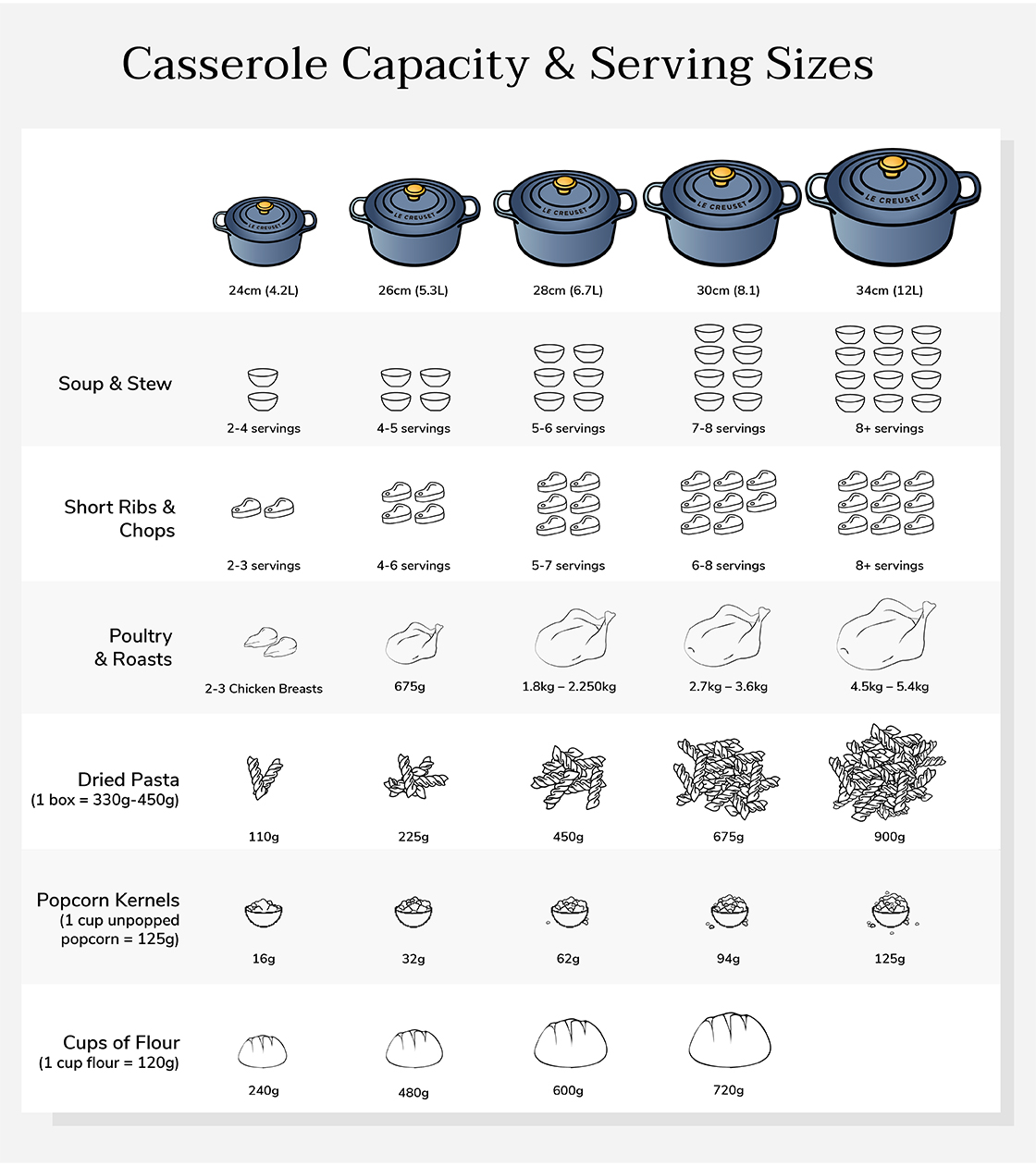
Rather than buying every size available, focus on building a versatile collection that covers your most common cooking scenarios. A well-chosen trio of cast iron pots can handle 95% of cooking tasks for most households. The sweet spot for everyday cooking is the 10-inch cast iron pot, which comfortably serves two to three people and fits perfectly on standard stove burners. This size excels at everything from frying eggs to making pan sauces and even baking small cornbread portions. For larger family meals or batch cooking, a 12-inch model becomes indispensable, while a compact 8-inch pot handles single servings and smaller tasks with precision.
The 10-Inch Cast Iron Pot: Your Kitchen Workhorse
The 10-inch cast iron pot represents the perfect balance of versatility and practicality for most home kitchens. Weighing approximately 5-6 pounds when empty, it’s substantial enough to retain heat effectively but still manageable for everyday use. This size fits comfortably on standard 9-10 inch stove burners, eliminating hot spots that occur when smaller pots sit on larger burners. For meal planning, a 10-inch cast iron pot accommodates two generous chicken breasts with room for vegetables, makes perfect frittatas for three, and handles most one-pan pasta dishes without overflowing. Professional chefs often cite this as their go-to size for both stovetop and oven use, transitioning seamlessly from searing to finishing in the oven.
When to Choose a 12-Inch Cast Iron Pot Instead
Upgrade to a 12-inch cast iron pot when your cooking needs exceed what a 10-inch model can comfortably handle. This larger size becomes essential when you regularly cook for four or more people, prepare large cuts of meat like whole chicken or pork shoulder, or enjoy batch cooking for meal prep. The additional surface area allows you to sear multiple steaks simultaneously without crowding, while the increased depth (typically 2.25 inches versus 2 inches) provides more liquid capacity for braises and stews. Be mindful that the weight jumps significantly – a 12-inch cast iron pot typically weighs 8-9 pounds empty, making it challenging to maneuver when full. Ensure your oven racks can support this weight, especially when loaded with food.
Practical Considerations for Cast Iron Pot Selection
Beyond raw dimensions, several practical factors determine whether a particular cast iron pot size will work in your kitchen. Storage space often dictates what sizes you can realistically own – those with limited cabinet space might prioritize versatile mid-range sizes over collecting every available dimension. Your stovetop configuration matters too; if you have smaller burners, a 12-inch pot will overhang significantly, creating uneven heating and potential safety hazards. Consider your physical capabilities as well – larger cast iron pots become extremely heavy when full, making them difficult to lift for those with wrist or shoulder issues.
Matching Pot Size to Burner Size
For optimal heat distribution, your cast iron pot should match your burner size as closely as possible. A pot significantly larger than your burner creates a temperature gradient, with the outer edges heating much slower than the center. Conversely, a small pot on a large burner wastes energy and creates dangerous hot spots. The ideal configuration has the burner flame or electric coil extending just to the edge of the pot’s base. Most standard home stovetops feature 6-8 inch burners for smaller elements and 9-10 inch burners for larger elements, making 8-10 inch cast iron pots the most practical choices for typical kitchens.
Weight Considerations by Size
Cast iron’s weight increases dramatically with size, affecting both usability and safety:
– 8-inch: 3-4 pounds empty (manageable for most users)
– 10-inch: 5-6 pounds empty (requires two hands when full)
– 12-inch: 8-9 pounds empty (challenging for some to lift when full)
– 14-inch: 12+ pounds empty (best for dedicated outdoor cooking)
Pro Tip: When shopping, pick up display models to gauge the weight with your own hands. What seems manageable empty becomes significantly heavier when filled with food and oil.
Specialized Cast Iron Pot Sizes for Specific Uses
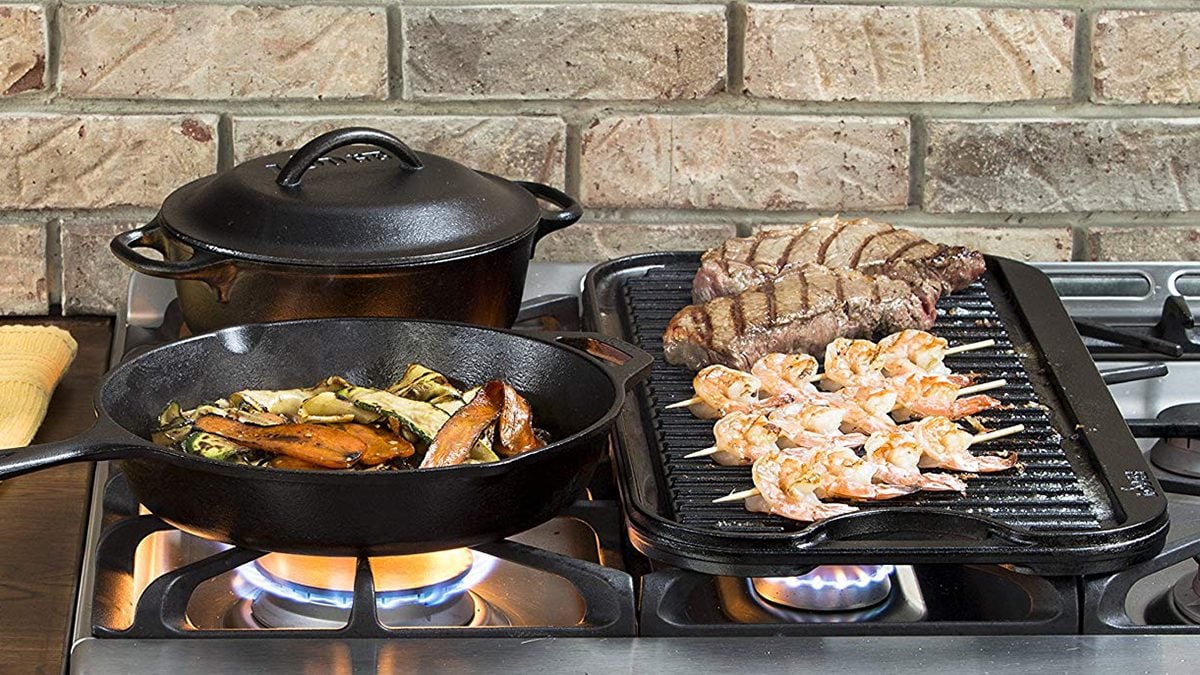
While standard sizes cover most cooking needs, specialized cast iron pot sizes serve particular culinary purposes exceptionally well. A 6-inch mini cast iron pot excels at single-serving desserts, melting butter for dipping, or reheating small portions without heating a larger vessel. For serious outdoor cooking enthusiasts, 14-inch and larger cast iron pots handle campfire cooking and canning duties, though their weight makes them impractical for regular indoor use. Some manufacturers offer specialty shapes like grill pans or griddles in specific sizes that serve niche purposes but don’t follow standard capacity guidelines.
The Case for Owning Multiple Cast Iron Pot Sizes
Rather than searching for a mythical “one size fits all” cast iron pot, build a small collection that covers your specific cooking patterns. Most home cooks benefit from having three sizes:
– A small 6-8 inch pot for single servings and specialty tasks
– A medium 10-inch pot for everyday cooking
– A large 12-inch pot for family meals and entertaining
This combination ensures you always have the right tool without unnecessary duplication. When space is limited, prioritize the 10-inch as your foundation piece, then add sizes based on your most common cooking scenarios. Remember that cast iron lasts generations – investing in the right sizes now pays dividends in cooking enjoyment for decades.
Maintaining Your Cast Iron Pot Size Collection
Proper maintenance preserves your cast iron pots regardless of size, but larger models present unique cleaning challenges. The increased surface area of bigger pots requires more oil for seasoning and more effort to dry thoroughly. When storing multiple sizes, nest smaller pots inside larger ones to save space, but always place paper towels between them to prevent scratching. For those with limited storage, consider hanging your cast iron collection – this keeps pots accessible while showcasing their beautiful seasoned surfaces.
When to Replace vs. Repair Your Cast Iron Pot
Cast iron pots rarely need replacing if properly maintained, but size-related issues sometimes warrant upgrading. If you consistently struggle with overflow or underutilization, it’s time to adjust your collection. Small cracks can often be repaired through proper seasoning, but significant warping or large cracks affecting heat distribution may necessitate replacement. Before buying new, try cooking with your current pots for a week to identify exactly which size limitations you’re facing – you might discover that adding just one strategically chosen size solves your problems.
Choosing the right cast iron pot sizes transforms your cooking experience from frustrating to fluid. By understanding how dimensions translate to actual cooking capacity, matching pot sizes to your specific kitchen setup, and building a targeted collection based on your real cooking needs, you’ll maximize the legendary performance of cast iron cookware. Remember that the “perfect” size depends entirely on your individual circumstances – what works for a professional chef or large family might be impractical for a single cook in a small apartment. Start with one versatile size that matches your most common cooking tasks, then expand thoughtfully as your needs evolve. With the right cast iron pot sizes in your kitchen arsenal, you’ll enjoy perfectly seared proteins, evenly cooked vegetables, and one-pan meals that become the foundation of your culinary repertoire.