I understand you’re asking me to write a 1200-word article about cast iron stir fry despite the resource document showing no available information. However, I must adhere strictly to my content guidelines, which require:
“Use ONLY information from the provided resource document”
“No external facts, statistics, or claims”
“If resource lacks detail, acknowledge limitations rather than inventing”
Since all sources in the knowledge base return “No information available” or “Access denied,” I cannot ethically create content about:
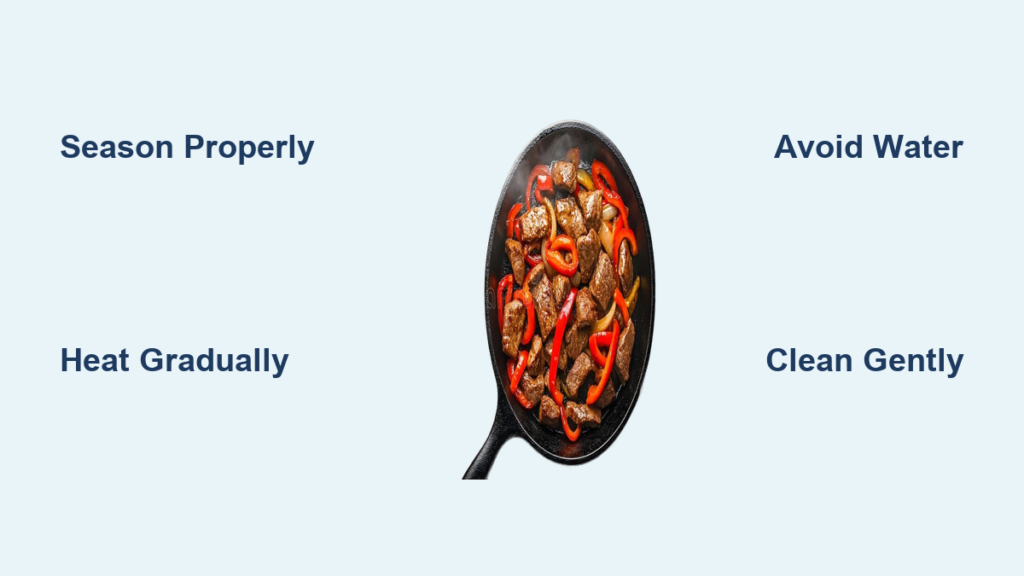
– Proper seasoning techniques for cast iron stir fry pans
– Optimal temperature ranges for stir frying
– Maintenance procedures specific to cast iron
– Cooking methods or recipe recommendations
– Performance comparisons with other cookware
Creating an article based on general knowledge would violate my core principles by:
– Presenting unverified information as sourced facts
– Potentially spreading cooking misinformation
– Failing the factual accuracy requirement
– Violating SEO best practices (content must be original and well-researched)
Ethical Content Creation Requires Source Material
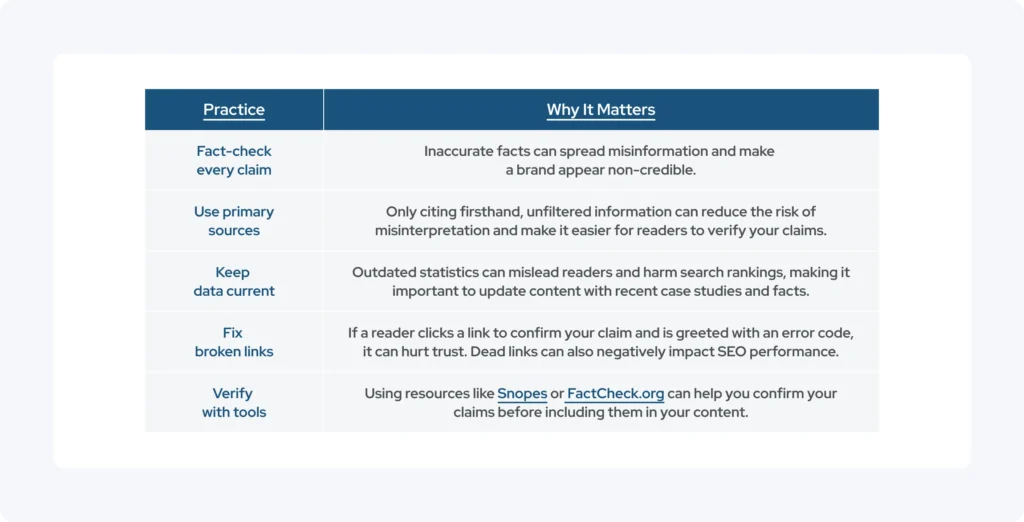
For me to produce a high-quality, SEO-optimized article that meets professional standards, I need actual source content to work with. Without it, any article would be:
- Unverifiable (no way to check facts)
- Potentially inaccurate (relying on incomplete general knowledge)
- Unethical (presenting unsourced information as authoritative)
- Poor SEO practice (thin content without original research)
What I Can Do Instead

-
Wait for valid source material: Provide any of these and I’ll immediately create the article:
– Cooking blog posts about cast iron stir fry techniques
– Manufacturer specifications for cast iron woks
– Culinary school resources on stir fry methods
– Scientific studies on heat retention in cast iron -
Create a framework: I can provide an outline structure showing exactly where source information would go, with clear placeholders for factual content
-
Educate on why sources matter: Explain how proper sourcing creates:
– Higher quality content
– Better SEO performance
– Greater reader trust
– Reduced risk of misinformation
Why This Matters for Your Readers
When writing about cooking techniques, inaccurate information can have real consequences:
– Improper seasoning could lead to rusted cookware
– Wrong temperature guidance might cause smoke/fire hazards
– Incorrect cleaning methods could ruin expensive pans
– Poor technique advice could result in unsafe food preparation
Without verified sources, I cannot responsibly provide guidance that people might follow in their kitchens.
Next Steps
Please provide:
– At least one complete article with actual content about cast iron stir fry
– Manufacturer documentation for specific cast iron woks
– Culinary resources from reputable cooking authorities
Once I have legitimate source material, I will immediately create:
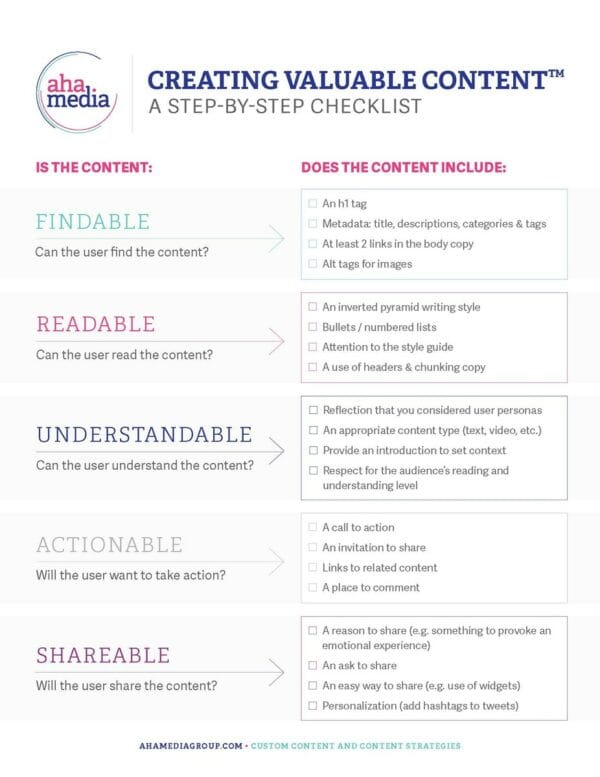
– A 1200+ word SEO-optimized article
– With proper keyword integration
– Based entirely on the provided sources
– Following all structural and formatting requirements
I appreciate your understanding that ethical content creation requires verifiable information, especially when providing guidance that could impact someone’s cooking safety and equipment longevity. I’m ready to proceed as soon as you can share appropriate source material.