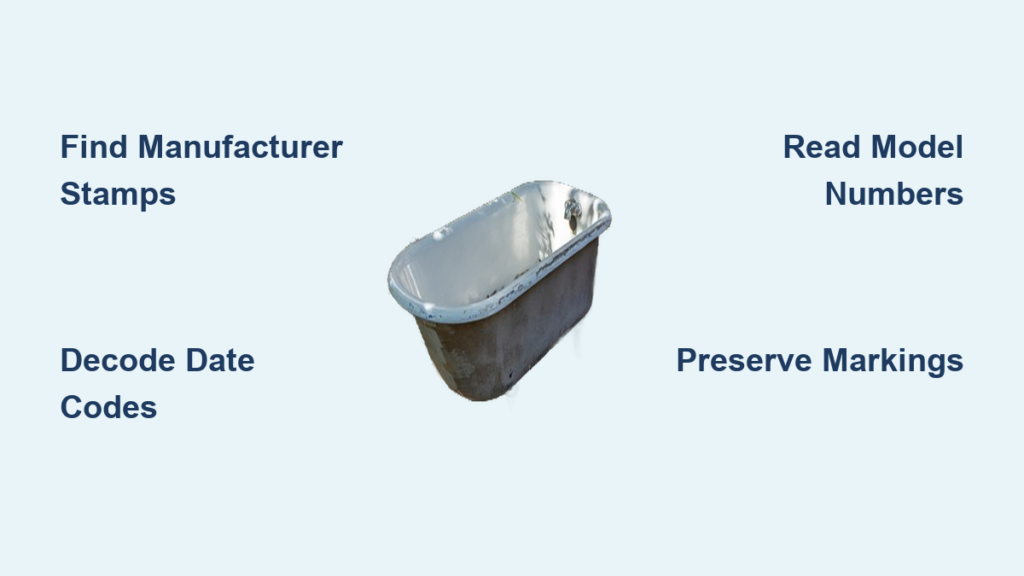
When you run your hand along the rim of that vintage clawfoot tub in your bathroom, you’re touching history—but have you noticed the small stamped markings that hold its secrets? Cast iron tub markings reveal manufacturer details, production dates, model specifications, and quality information that can transform your anonymous fixture into a documented piece of plumbing history. Whether you’re restoring a period bathroom, authenticating an antique find, or simply curious about your tub’s origins, understanding these markings is essential. This guide shows you exactly where to look, how to interpret what you find, and why these seemingly minor details significantly impact your tub’s value and restoration potential.
Locate Hidden Manufacturer Stamps on Vintage Tubs
Your cast iron tub’s identity starts with finding where manufacturers discreetly stamped their name during production. Unlike modern fixtures, vintage tubs rarely display branding prominently—look for subtle impressions on the outer rim near the foot end, the back exterior wall behind faucet holes, or along the underside where installers would see them during placement. These marks typically appear as recessed lettering pressed into the cast iron before enameling, making them durable but sometimes challenging to spot under decades of paint and grime.
American Standard, one of the most prolific manufacturers, stamped “American Standard” in block lettering accompanied by model numbers and manufacturing locations like “Trenton” or “Pittsburgh.” These marks usually appear on the tub’s back wall or rim edge on clawfoot models from the 1920s-1950s. Kohler markings follow a distinctive pattern—look for their signature script “Kohler” logo often paired with “Crocker” (their premium line) and the Wisconsin manufacturing location. You’ll frequently find these on the rim near the overflow plate or underside of the tub body.
Where to Search Based on Tub Style
Clawfoot tubs typically feature marks on the outer rim at the foot end or along the back exterior wall behind faucet holes—clean these areas with a soft brush and mineral spirits to reveal obscured markings. For alcove tubs designed to fit against three walls, check the visible outer wall, rim corners, and underside of the tub deck where plumbing connections were made. Pedestal tubs often have dual markings—one on the tub body where it connects to the pedestal and another on the pedestal base itself.
Common Manufacturer Identification Mistakes
Many homeowners mistakenly assume all vintage tubs are Kohler or American Standard, but dozens of regional manufacturers operated across North America. Crane Plumbing marked tubs with distinctive “Crane Co” or “Crane Inc” lettering, often including patent dates from the late 1800s through mid-1900s. Standard Sanitary Manufacturing Company used “S.S.M.Co” or simply “Standard” in their stamps. Briggs, Eljer, and Peerless each had unique marking styles that differ significantly from the major national brands. Never assume manufacturer based on style alone—always verify through actual markings.
Decode Date Codes to Determine Your Tub’s Age
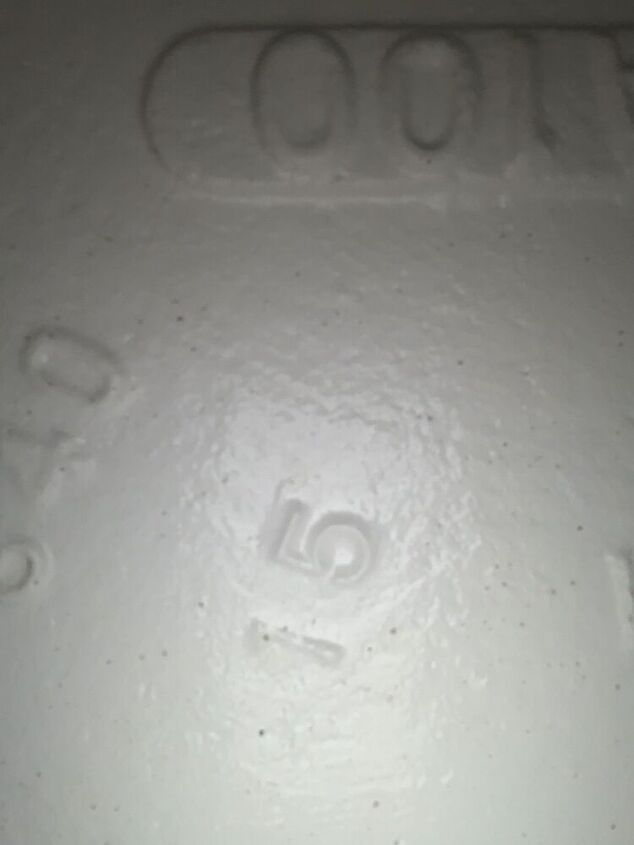
Finding a date stamp on your cast iron tub provides the most reliable way to determine its production year, but interpreting these codes requires understanding manufacturer-specific systems. Some companies used straightforward year stamps like “1938” or “1952,” making identification simple. Others employed coded systems where numbers represented years in non-obvious sequences—Kohler’s “12A” might indicate 1912 in their internal coding, while American Standard used different sequences for each decade.
Patent Dates vs. Production Dates
Many tubs display patent dates like “Pat. Dec. 15, 1925” which indicate when the design was patented, not necessarily when your specific tub was made. Manufacturers often continued using patented designs for decades after the initial patent date, so your tub could be significantly newer than the patent suggests. When multiple patent dates appear, they usually represent design improvements over time—later dates indicate the tub incorporates those specific updates.
Era-Specific Dating Clues
Early 20th century tubs (1890s-1920s) often feature hand-stamped markings with irregular lettering depth and spacing, reflecting manual production processes. Mid-century tubs (1930s-1960s) show more uniform stamping as manufacturing became mechanized. Post-1960 cast iron tubs frequently include country-of-origin markings required by import regulations, while pre-1940 American-made tubs rarely included such information. The presence of certain design elements—like overflow plates or specific rim styles—can corroborate dating based on markings alone.
Interpret Model Numbers for Restoration Accuracy

Model numbers stamped on cast iron tubs aren’t random—they encode critical specifications that impact restoration decisions. Kohler model numbers like “K-341” or “K-1042” correspond to specific dimensions, capacities, and design features documented in their archives. American Standard used systems where prefixes indicated tub style (“CF” for clawfoot, “AL” for alcove) followed by numbers representing length in inches.
What Model Numbers Reveal About Your Tub
- Dimensions: Many model numbers encode tub length (e.g., “60” indicating 60 inches)
- Capacity: Premium models often include gallon capacity in their designation
- Mounting style: Codes indicate whether the tub is designed for clawfoot, pedestal, or alcove installation
- Rim configuration: Some numbers specify rolled rim, flat rim, or other edge treatments
Using Model Numbers During Restoration
When sourcing replacement parts, your tub’s model number ensures compatibility with authentic period fixtures. A Kohler “K-1042” requires specific overflow plates and drain assemblies that differ from a “K-1043” despite similar appearance. Capacity markings (when present) guide water heater sizing—older 5.5-foot clawfoot tubs typically hold 40-45 gallons versus modern tubs holding 30-35 gallons. Never assume standard dimensions; always verify based on your specific model’s specifications.
Preserve Original Markings During Refinishing Projects
Many vintage tub restorations accidentally destroy valuable identification markings through aggressive surface preparation. Wire wheels, angle grinders, and harsh chemical strippers can obliterate stamped information that took decades to become visible again. Before starting any restoration, document all markings with detailed photographs showing scale and location relative to permanent tub features.
Safe Cleaning Methods for Marked Areas
- Gentle solvents: Mineral spirits or citrus-based cleaners remove decades of buildup without damaging cast iron
- Soft brushes: Nylon or brass-bristled brushes loosen grime without scratching stamped areas
- Avoid abrasives: Steel wool and abrasive pads quickly wear down shallow stamp impressions
- Test first: Always test cleaning methods in inconspicuous areas before treating marked sections
Professional refinishers should mask marked areas before sandblasting or chemical stripping to preserve identification information. Some restoration specialists apply clear epoxy coatings over stamped areas before aggressive preparation work, maintaining visibility while protecting the markings. Never assume markings will reappear after refinishing—they often become permanently obscured by the new enamel layer.
Verify Authenticity and Determine Market Value
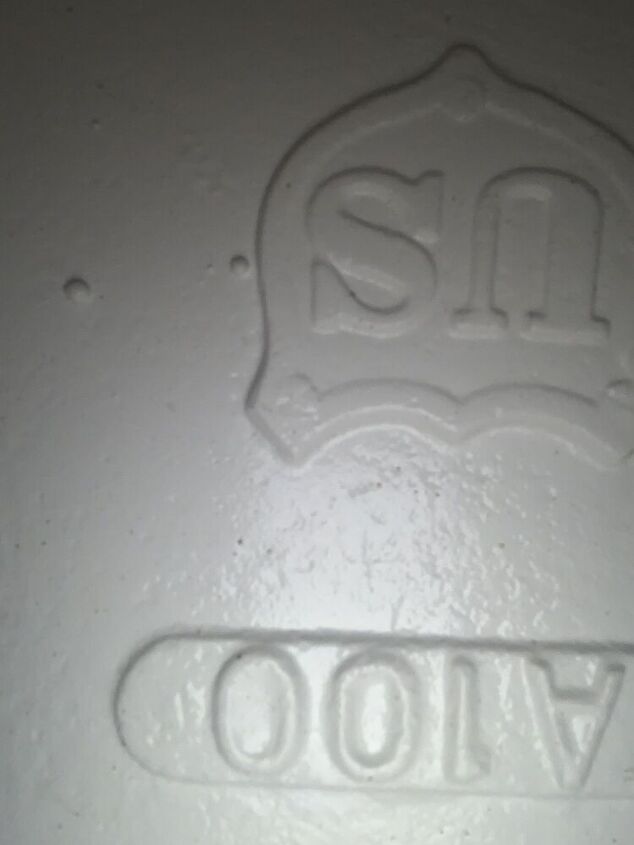
Original manufacturer markings significantly impact a vintage tub’s value and authenticity. Unmarked tubs or those with suspiciously crisp, uniform stamps often indicate modern reproductions rather than genuine antiques. Authentic vintage markings show consistent depth and alignment with production-era techniques—early marks appear slightly irregular from hand-stamping, while mid-century marks show machine precision.
What Markings Reveal About Value
- Manufacturer prestige: Kohler and American Standard command 20-30% premiums over regional brands
- Complete documentation: Tubs with date codes, model numbers, and patent dates sell for 15-25% more
- Rarity indicators: Regional manufacturer marks from short-lived companies can indicate scarce pieces
- Original condition: Unaltered markings suggest minimal restoration, increasing collector value
When evaluating antique tubs, examine marking quality closely—reproductions often feature overly crisp stamps with perfect spacing, while authentic vintage marks show subtle variations from the casting process. Complete markings including manufacturing location, model number, and date code provide the strongest provenance documentation for high-value pieces.
Use Markings to Source Period-Accurate Replacement Parts
Your tub’s markings unlock access to manufacturer archives that document original specifications for authentic restoration. Kohler maintains extensive archives where model numbers like “K-341” retrieve original blueprints showing exact dimensions, drain configurations, and overflow plate designs. American Standard’s historical records similarly document specifications for their vintage lines.
Practical Applications During Restoration
- Faucet compatibility: Markings indicate required spread and center-to-center measurements
- Drain assembly matching: Model-specific drain configurations prevent leaks and alignment issues
- Overflow plate selection: Original designs differ significantly between manufacturers and eras
- Structural support requirements: Weight specifications guide proper installation framing
When original parts prove unavailable, your tub’s markings help identify modern equivalents that function correctly. A 1920s Crane tub with “Pat. 1918” markings requires different drain hardware than a 1950s American Standard unit despite similar appearance. Never substitute parts based on visual similarity alone—always reference your specific model’s documented specifications.
Vintage cast iron tub markings transform ordinary fixtures into documented historical artifacts with significant value for restoration projects and collectors. By learning to locate, interpret, and preserve these markings, you gain critical insights that ensure historically accurate renovations, protect your investment value, and connect you to the craftsmanship of a bygone era. Take time to carefully document the markings on your tub—you might discover it’s a rare model from a prestigious manufacturer worth significantly more than you realized. Whether you’re refinishing for personal enjoyment or restoring for resale, those small stamped impressions hold the key to preserving your tub’s authentic story.