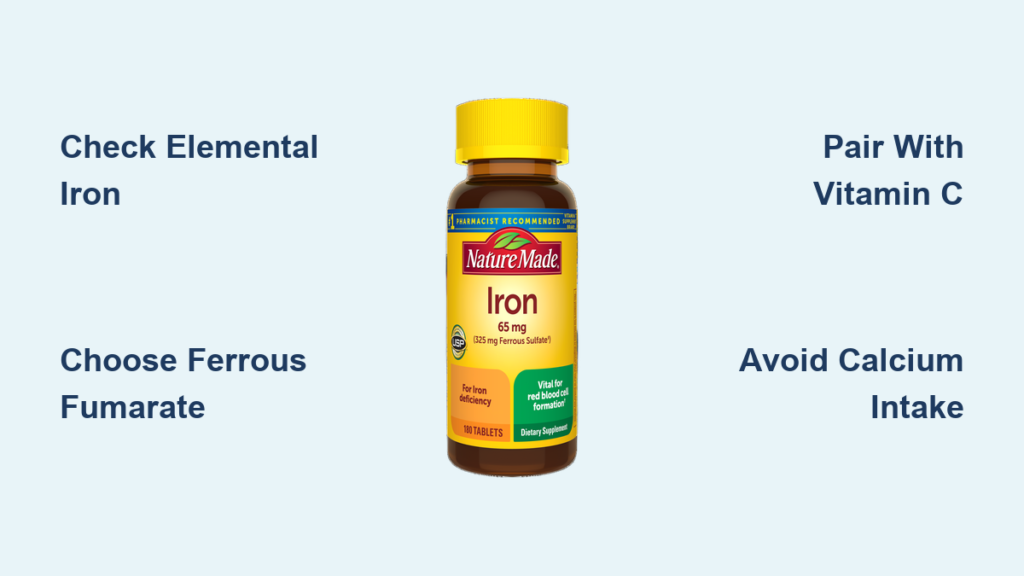
When you pick up an iron supplement bottle boasting “325mg of iron,” you’re probably assuming that’s how much iron you’ll actually get. But here’s the uncomfortable truth: that number likely represents the total compound weight, not the actual amount of usable iron you’ll absorb. The critical metric that determines whether your supplement will effectively treat iron deficiency is something called elemental iron—the pure iron content your body can actually use. Understanding elemental iron in iron supplements is essential because different formulations deliver wildly different amounts of usable iron, even when labeled with identical milligram amounts. Without this knowledge, you might be taking supplements that provide far less therapeutic benefit than you need, leaving you struggling with fatigue, weakness, and other symptoms despite your best efforts.
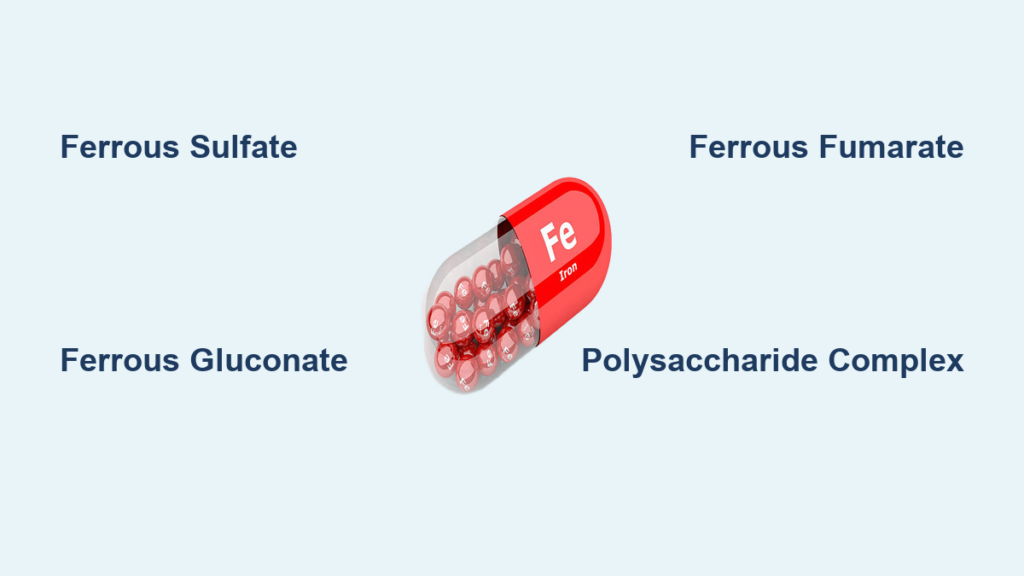
Elemental iron represents the actual quantity of iron atoms available for absorption through your intestinal wall. Iron supplements don’t contain pure iron; they contain iron compounds like ferrous sulfate, ferrous fumarate, or ferrous gluconate—each with different percentages of elemental iron. A 325mg tablet of ferrous fumarate delivers approximately 106mg of elemental iron, while the same amount of ferrous sulfate provides only about 65mg, and ferrous gluconate yields just 35mg. This staggering difference explains why some people see dramatic improvements in their iron levels while others continue to suffer despite taking supplements religiously. If you’re battling iron deficiency anemia, recovering from blood loss, or managing increased iron needs during pregnancy, understanding elemental iron content will transform how you select and use supplements.
This guide cuts through the confusion, showing you exactly how to identify supplements with meaningful elemental iron content, maximize absorption, and avoid common pitfalls that prevent successful iron repletion.
How Different Iron Compounds Deliver Vastly Different Elemental Iron

Ferrous sulfate—the most common iron supplement—contains only about 20% elemental iron by weight. This means a standard 325mg tablet provides approximately 65mg of actual usable iron. While widely available and inexpensive, ferrous sulfate causes significant gastrointestinal side effects like constipation, nausea, and stomach pain in many users, often leading to discontinued treatment before iron stores are fully replenished.
Ferrous fumarate delivers a much higher concentration at approximately 33% elemental iron. A 325mg tablet provides about 106mg of elemental iron—more than 60% more usable iron than an equivalent ferrous sulfate tablet. This high potency allows for simpler dosing (often just one tablet daily), improving compliance while delivering therapeutic iron levels. The ferrous fumarate compound is also gentler on the stomach than sulfate formulations, making it ideal for individuals who’ve struggled with iron supplement side effects in the past.
Ferrous gluconate offers the lowest concentration at around 12% elemental iron. A 300mg tablet provides only about 35mg of elemental iron—less than half what you’d get from an equivalent ferrous sulfate tablet. While often better tolerated by sensitive individuals, the lower concentration means you’ll need to take more tablets to achieve therapeutic dosing, potentially negating the tolerability advantage.
Why Elemental Iron Percentage Matters More Than Total Milligrams
Many consumers make the critical mistake of comparing total milligram amounts across different iron compounds without considering elemental iron content. A bottle claiming “300mg of iron” using ferrous gluconate actually delivers far less usable iron than a bottle claiming “200mg of iron” using ferrous fumarate. Always check the label for “elemental iron” specifications—reputable manufacturers will list this directly. If only the compound amount is provided, use these simple calculations:
– Ferrous fumarate: Multiply compound amount by 0.33
– Ferrous sulfate: Multiply compound amount by 0.20
– Ferrous gluconate: Multiply compound amount by 0.12
For serious deficiency requiring aggressive repletion, aim for products delivering 100mg or more of elemental iron per dose. This high potency enables faster restoration of depleted iron stores while simplifying your supplementation routine.
Four Science-Backed Strategies to Maximize Iron Absorption

Taking a high-quality iron supplement is only half the battle—ensuring your body actually absorbs the elemental iron requires strategic timing and combinations.
Pair Iron with Vitamin C for Dramatically Improved Uptake
Vitamin C converts ferric iron (Fe³⁺) to the more readily absorbable ferrous iron (Fe²⁺) form and creates soluble complexes that remain available for absorption in your digestive tract. Taking 100-500mg of vitamin C alongside your iron supplement can double or triple absorption compared to taking iron alone. Many successful users report taking iron tablets with vitamin C gummies or citrus fruits for optimal results.
Avoid These Common Absorption Blockers
Calcium, phytates (in whole grains and legumes), and polyphenols (in tea and coffee) significantly inhibit iron absorption. Take your iron supplement:
– At least two hours before or after dairy products or calcium supplements
– Separately from high-fiber meals that contain phytates
– Away from tea, coffee, or red wine consumption
For maximum absorption, take iron on an empty stomach first thing in the morning—many users of ferrous fumarate report tolerating empty-stomach dosing without discomfort.
Consider Every-Other-Day Dosing for Better Net Absorption
Emerging research suggests taking a single higher dose every other day may outperform daily lower doses. Iron intake triggers hepcidin production—a hormone that temporarily reduces further iron absorption for about 24 hours. By spacing doses, you might achieve better net absorption over time. Discuss this approach with your healthcare provider, especially if you’ve struggled with traditional daily dosing.
Choosing the Right Elemental Iron Supplement for Your Specific Needs
Selecting an effective iron supplement requires balancing elemental iron potency, tolerability, and your personal health circumstances.
For Moderate to Severe Iron Deficiency
Choose high-potency formulations delivering 100mg+ of elemental iron per dose through ferrous fumarate. This concentration provides therapeutic dosing in fewer tablets, accelerating repletion while improving compliance. Users report ferritin increases from critically low levels (11.6) to near-normal ranges (49.9) within two to three months of consistent use.
For Sensitive Stomachs or Mild Deficiency
Consider ferrous fumarate or ferrous gluconate formulations with lower elemental iron content (30-65mg per dose). These gentler options may require multiple daily doses but cause fewer gastrointestinal side effects. Look for products with minimal ingredients—free from dyes, fillers, and common allergens.
Critical Safety Considerations
Never supplement without confirming deficiency through blood testing (ferritin, serum iron, TIBC). Iron overload causes serious organ damage over time. Store supplements securely away from children—iron poisoning is a leading cause of fatal childhood poisoning. Pregnant women should consult healthcare providers before starting supplementation, even though iron needs increase significantly during pregnancy.
Real Results: Elemental Iron Success Stories
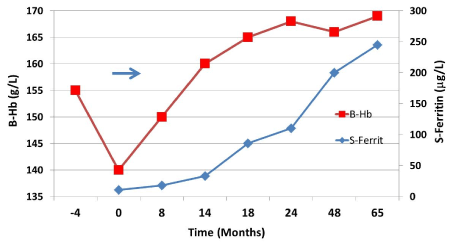
Documented user experiences consistently demonstrate the power of adequate elemental iron dosing. One individual saw serum iron increase from 27 (severely deficient on a 50-212 scale) to 168 within three months of taking 106mg elemental iron daily. Another user reported ferritin rising from 13 to nearly 80 with continued supplementation, resolving symptoms like air hunger, restless legs, and debilitating fatigue.
Many users who abandoned prescription ferrous sulfate due to severe stomach pain achieved successful repletion with ferrous fumarate formulations. The combination of high elemental iron content and superior tolerability makes these products life-changing for iron-deficient individuals who’ve struggled with traditional supplements.
The Elemental Iron Bottom Line
Elemental iron content—not total compound weight—determines your supplement’s true effectiveness. Focus on products delivering meaningful elemental iron doses (100mg+ for repletion), prioritize ferrous fumarate for potency and tolerability, optimize absorption with vitamin C and strategic timing, and always confirm deficiency through testing before starting supplementation. By understanding and applying these elemental iron principles, you’ll transform your iron supplementation from guesswork into a precise, effective strategy for restoring your energy, vitality, and overall health.