When your cast iron skillet heats unevenly or your industrial furnace operates below efficiency targets, the culprit might be hiding in plain sight—emissivity of cast iron. This critical thermal property determines how effectively cast iron surfaces radiate heat energy, directly impacting performance in everything from backyard grills to steel mill furnaces. Understanding these emissivity values empowers engineers to optimize thermal systems and helps home cooks achieve perfect searing results.
Unlike thermal conductivity, which measures heat movement through a material, emissivity reveals how well a surface emits thermal radiation. For cast iron components operating above 100°F (38°C), radiative heat transfer becomes increasingly significant, making emissivity knowledge essential for accurate thermal calculations. This guide cuts through the technical complexity to deliver practical insights you can apply immediately—whether you’re designing heat treatment equipment or simply trying to understand why your cast iron cookware behaves the way it does.
Why Your Cast Iron’s Surface Finish Determines Heat Radiation Performance
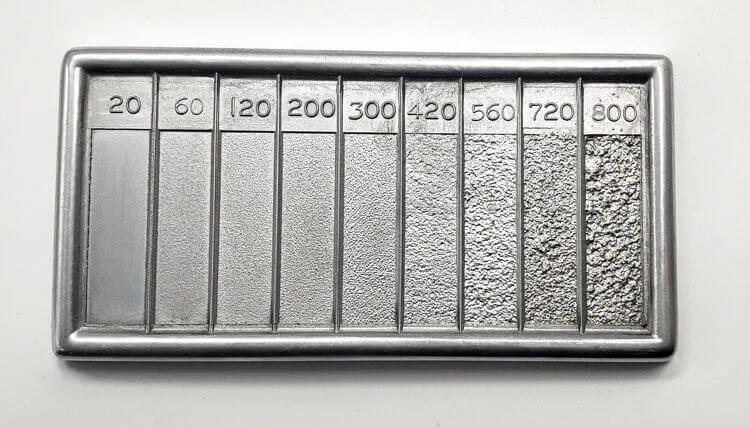
The emissivity of cast iron isn’t a fixed number—it’s a variable property that changes dramatically based on surface condition. This explains why two identical cast iron components can behave completely differently in thermal applications. The critical factor isn’t the base material itself but rather how the surface interacts with infrared radiation.
Polished Cast Iron: When You Need Low Heat Radiation (0.21-0.25 Emissivity)
Highly polished cast iron surfaces create a mirror-like finish that reflects rather than emits thermal radiation. This low-emissivity state (typically 0.21-0.25) makes polished cast iron surprisingly ineffective at radiating heat—a characteristic that’s actually beneficial in specific applications.
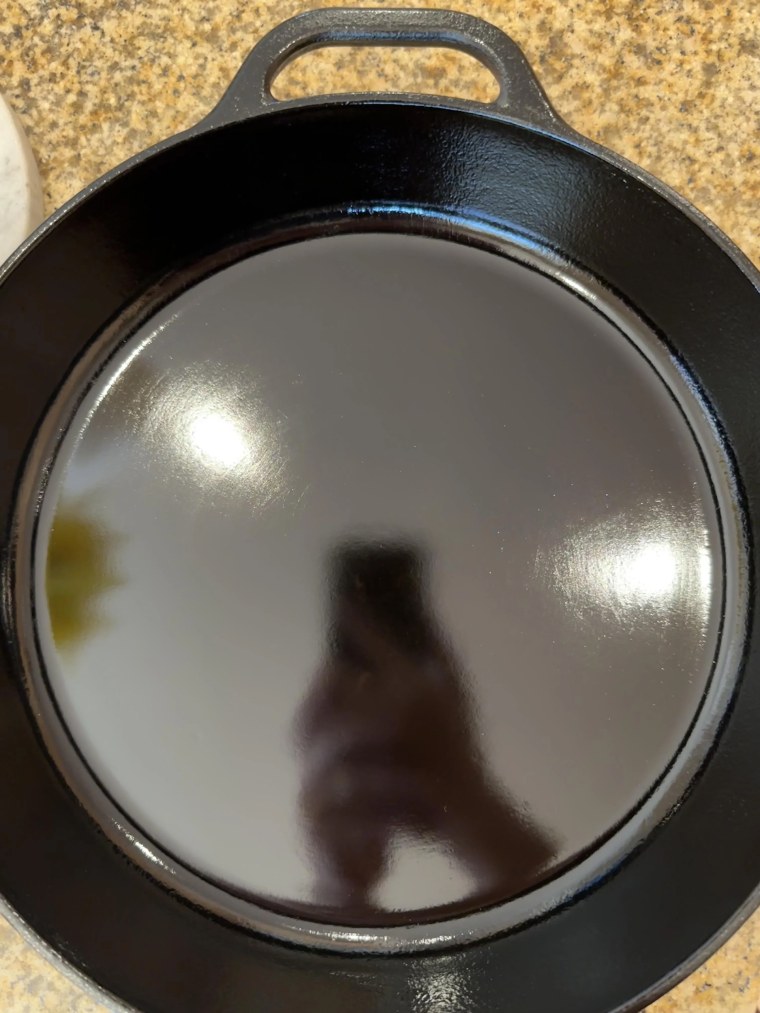
What to look for: A surface that clearly reflects your image with minimal distortion indicates maximum polish and minimum emissivity. At room temperature, these surfaces feel cool to the touch even when surrounding materials feel warm, because they’re not efficiently radiating heat.
When to use this finish: Consider polished cast iron when you need to minimize radiative heat loss in moderate-temperature applications. Some specialized furnace components use polished cast iron as a thermal barrier, though this requires careful engineering since oxidation will inevitably increase emissivity over time.
Critical mistake to avoid: Never assume polished cast iron maintains its low emissivity in high-temperature environments. Oxidation begins rapidly above 300°F (149°C), transforming the surface and increasing emissivity within hours of operation.
Oxidized Cast Iron: Maximizing Heat Radiation (0.60-0.90 Emissivity)
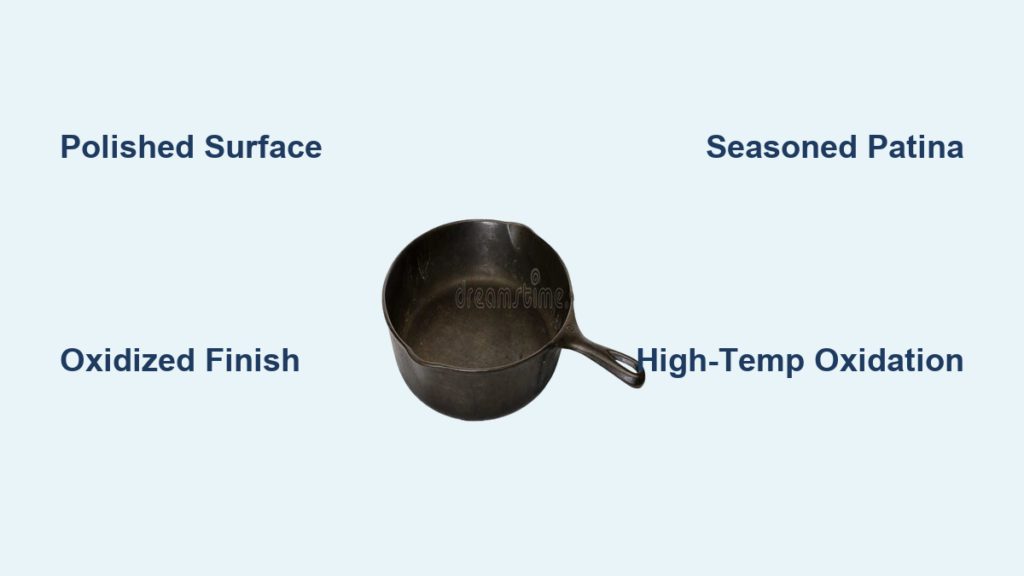
The transformation from shiny metal to dark, oxidized cast iron creates one of the most significant emissivity changes of any common material. As cast iron oxidizes, its emissivity jumps dramatically—from 0.21 for polished surfaces to 0.90 for heavily oxidized ones.
How oxidation increases emissivity: The microscopic oxide layer creates a rough surface at the molecular level, trapping infrared radiation through multiple reflections. This “cavity radiation” effect makes oxidized cast iron behave almost like a black body radiator.
Real-world application: In foundry operations, intentionally oxidized cast iron molds achieve faster, more uniform cooling of molten metal because they radiate heat more efficiently. Similarly, well-seasoned cast iron cookware develops this high-emissivity surface through repeated oil polymerization, explaining why seasoned pans heat more evenly than new ones.
Roughened Cast Iron: The Balanced Thermal Performer (0.70-0.85 Emissivity)
Mechanical surface treatments like sandblasting or coarse grinding create an intermediate emissivity range that offers the best of both worlds for many applications. These surfaces maintain reasonably high emissivity without requiring complete oxidation.
Pro tip for industrial applications: For heat exchanger components that cycle between high and moderate temperatures, roughened cast iron provides consistent emissivity without the unpredictable changes that occur during oxidation cycles. The mechanical texture won’t wear off like oxidation layers can.
Home cook application: When restoring antique cast iron cookware, many experts recommend roughening the surface with coarse steel wool before re-seasoning. This creates microscopic anchor points for the seasoning layer, resulting in higher emissivity and more even heating than simply oiling a smooth surface.
How Temperature Changes Cast Iron’s Heat Radiation Behavior
The Critical Oxidation Threshold at 300°F (149°C)
Cast iron’s emissivity remains relatively stable below 300°F, but crosses a critical threshold above this temperature where oxidation accelerates exponentially. This explains why your cast iron pan behaves differently when searing steaks versus simmering sauces.
What happens at 500°F (260°C): Rapid oxidation creates a visible blue-black oxide layer that pushes emissivity toward 0.80 within minutes. This is why cast iron cookware performs best when properly preheated—its thermal radiation efficiency actually improves as it reaches cooking temperature.
Engineering consideration: In furnace design, cast iron components operating above 300°F will experience changing emissivity during startup. Thermal models must account for this transition period or risk inaccurate temperature predictions during critical warm-up phases.
Why Room Temperature Measurements Mislead High-Temp Applications
Measuring cast iron emissivity at room temperature gives false confidence for high-temperature applications. The emissivity you measure with a handheld IR gun in your workshop won’t reflect performance in a 1000°F furnace.
Practical solution: For accurate high-temperature emissivity values, use in-situ measurement techniques with high-temperature pyrometers that allow emissivity adjustment during operation. Alternatively, apply established correction factors based on surface condition and operating temperature.
Cast Iron Cookware: The Emissivity-Seasoning Connection
Why Properly Seasoned Pans Heat More Evenly
That coveted black patina on well-used cast iron isn’t just for show—it’s a high-emissivity surface that transforms thermal performance. Polymerized oil layers create microscopic roughness similar to controlled oxidation, boosting emissivity to approximately 0.85-0.90.
You’re doing it wrong if: Your cast iron develops hot spots despite preheating. This often indicates incomplete seasoning that creates uneven emissivity across the cooking surface. The solution? Build a uniform seasoning layer through consistent oil application and heating cycles.
Time-saving shortcut: After cleaning your cast iron, apply a thin oil layer and heat on the stovetop until smoking—this accelerates the oxidation process that increases emissivity. Repeat 2-3 times for dramatically improved heating performance.
The Science Behind Cast Iron’s Superior Searing
When you place a steak on properly preheated cast iron, the high-emissivity surface immediately transfers thermal energy through radiation—not just conduction. This explains cast iron’s legendary searing ability compared to stainless steel or non-stick surfaces.
Pro chef insight: The moment you add food to a properly heated cast iron pan, the surface temperature drops slightly but quickly recovers because the high-emissivity surface efficiently draws heat from the bulk material. This thermal recovery rate depends directly on your pan’s emissivity.
Industrial Applications: When Emissivity Mistakes Cost Thousands
Furnace Liner Selection: The Emissivity Calculation Trap
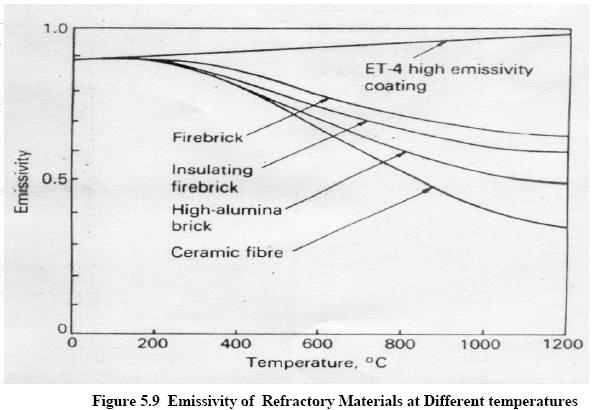
Engineers often specify cast iron furnace components based solely on mechanical properties while neglecting emissivity changes during operation. This oversight can reduce thermal efficiency by 20% or more as unexpected oxidation alters heat transfer characteristics.
Critical calculation: When designing furnace systems, multiply your cast iron component’s initial emissivity by 1.3-1.5 to account for oxidation during operation. This simple adjustment prevents costly under-sizing of heating elements.
Real case study: A Midwest foundry reduced energy consumption by 17% simply by specifying pre-oxidized cast iron liners with known high emissivity (0.85), rather than assuming their as-cast surfaces (emissivity 0.45) would perform adequately.
Automotive Engine Blocks: Managing Thermal Loads Through Surface Control
Modern cast iron engine blocks leverage controlled surface emissivity to manage thermal distribution. Cylinder bores maintain lower emissivity (0.35-0.45) through precise honing, while external surfaces develop higher emissivity through controlled oxidation.
Why this matters: The emissivity differential helps direct heat flow toward the cooling system rather than radiating inefficiently into the engine bay. Performance tuners who polish external engine surfaces often create cooling problems by reducing this critical emissivity difference.
Measuring Cast Iron Emissivity Without Specialized Equipment
The Comparative Heating Method for Workshop Use
You don’t need expensive equipment to estimate your cast iron’s emissivity. This practical technique works with common workshop tools:
- Heat two identical cast iron samples to 400°F (204°C)—one polished, one oxidized
- Place them side by side on insulating material
- Measure temperature decay every minute with an IR thermometer
- The sample that cools faster has higher emissivity
How to calculate: Emissivity ratio = (Cooling rate of test sample) / (Cooling rate of reference sample) × Reference emissivity
When to Invest in Professional Measurement
For critical applications like furnace design or heat treatment systems, professional emissivity measurement becomes cost-justified when:
- Operating above 500°F (260°C) where oxidation changes are significant
- Thermal efficiency impacts energy costs by more than $5,000 annually
- Product quality depends on precise temperature control
Cost-benefit insight: A single day of reduced downtime from optimized furnace operation typically covers the cost of professional emissivity testing for critical components.
Controlling Cast Iron Emissivity for Your Specific Application
Boosting Emissivity for Maximum Heat Transfer
When you need cast iron to radiate heat efficiently, these proven methods deliver results:
- Controlled oxidation: Heat to 600°F (316°C) in air for 2 hours—creates uniform oxide layer with emissivity ~0.85
- Abrasive blasting: Use 60-80 grit aluminum oxide for consistent surface texture (emissivity 0.75-0.80)
- High-temperature coatings: Specialized ceramic coatings can push emissivity to 0.92+ while protecting against further oxidation
Warning: Avoid wire brushing for emissivity enhancement—it creates directional scratches that lead to uneven heating patterns.
Reducing Emissivity for Thermal Management
When you need cast iron to retain heat rather than radiate it:
- Electropolishing: Creates ultra-smooth surface (emissivity 0.18-0.22) that resists oxidation better than mechanical polishing
- Gold plating: For extreme cases, thin gold plating maintains low emissivity even at high temperatures
- Regular maintenance: In moderate-temperature applications, periodic repolishing combats natural oxidation
Practical limitation: Don’t attempt low-emissivity finishes for components operating above 400°F—oxidation will quickly negate your efforts.
Key Takeaways for Practical Emissivity Management
Your cast iron’s thermal performance depends far more on surface condition than its base material composition. Polished surfaces (emissivity 0.21-0.25) reflect heat, while oxidized or seasoned surfaces (0.85-0.90) radiate it efficiently. The transition point occurs around 300°F, where oxidation accelerates dramatically.
For industrial applications, specify pre-treated cast iron with known emissivity rather than relying on as-cast surfaces. In the kitchen, build consistent seasoning to maximize emissivity and eliminate hot spots. When precision matters, measure emissivity under actual operating conditions rather than trusting reference values.
Understanding these emissivity principles transforms how you select, prepare, and maintain cast iron components—turning thermal mysteries into predictable, optimized performance. Whether you’re designing a steel mill furnace or perfecting your pancake technique, controlling cast iron emissivity puts you in command of heat transfer.