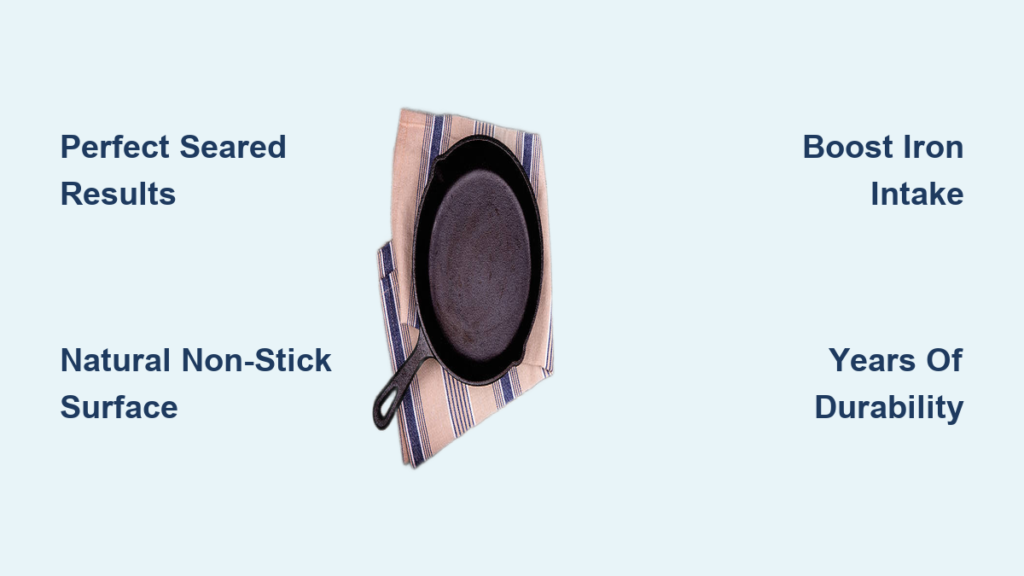
You spent $300 on that vibrant enamel cast iron Dutch oven, only to hear whispers about lead leaching into your stew. Or maybe you noticed hairline cracks in your vintage pot and wondered if it’s silently poisoning your family. These fears aren’t baseless—enamel cast iron health risks are real but often misunderstood. While modern enameled cookware is generally safe when intact, chipped coatings or substandard manufacturing can expose you to heavy metals like lead and cadmium. With millions of households using these pots daily, knowing exactly when your cookware becomes hazardous—and how to prevent it—is non-negotiable. This guide cuts through online myths with actionable safety protocols, so you never have to second-guess your favorite kitchen staple.
Most safety scares stem from two critical vulnerabilities: damaged enamel surfaces and unregulated manufacturing practices. When enamel chips, the underlying cast iron reacts with acidic foods like tomatoes or wine, leaching iron that can overwhelm sensitive individuals. Worse, low-quality enamel glazes may contain lead or cadmium as coloring agents—metals that seep into food even without visible damage. The FDA restricts lead in cookware to 0.5 parts per million (ppm), but imported or vintage pieces often bypass these checks. Your risk isn’t about the cookware itself—it’s about ignoring the warning signs hiding in plain sight. Let’s arm you with the precise checks that separate safe pots from silent threats.
How Chipped Enamel Turns Your Cookware Into a Health Hazard
Why a Single Chip Demands Immediate Action
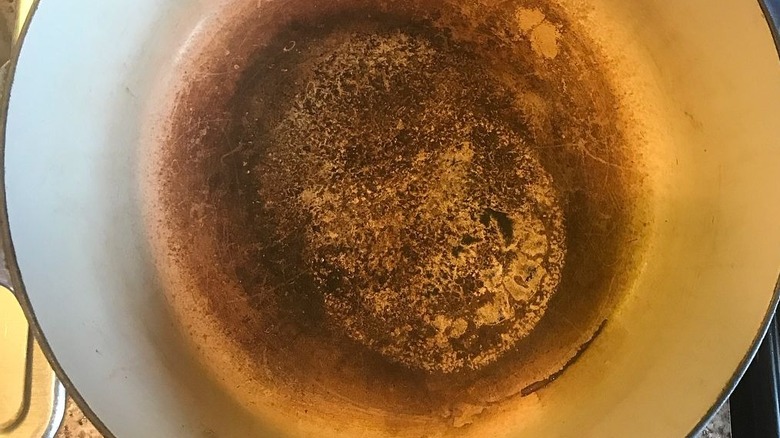
That tiny chip near the rim of your Dutch oven isn’t just ugly—it’s a direct pathway for toxins. When enamel fractures, the exposed cast iron core reacts aggressively with acidic ingredients (pH below 4.5), accelerating iron leaching. For most people, this iron boost is harmless, but individuals with hemochromatosis (a genetic iron-overload disorder affecting 1 in 200 Caucasians) face severe risks like liver damage. Worse, damaged areas weaken neighboring enamel through “spider-webbing,” causing rapid deterioration. Never cook acidic foods in chipped cookware—even a 2mm crack can release 5x more iron than intact surfaces. Inspect pots before every use by running your fingernail along edges; if it snags, retire the piece.
Spotting Hidden Damage Beyond Surface Chips
Not all threats are visible. Micro-cracks from thermal shock (like adding cold liquid to a scorching pot) create invisible pathways for metal migration. Test for these by filling your pot with water and adding 3 drops of food coloring. If color seeps into cracks after 10 minutes, discard it immediately. Vintage enamel pieces are especially high-risk—pre-1980s manufacturing often used lead-based glazes, and decades of use create microscopic flaws. Pro tip: Shine a flashlight sideways across the surface; light catching on uneven textures reveals hidden damage long before leaks start.
Heavy Metal Leaching: When “Safe” Cookware Isn’t Safe
Lead and Cadmium in Enamel Glazes—How It Happens
Lead and cadmium aren’t accidental contaminants—they’re deliberate additives in low-cost enamel pigments. Manufacturers in unregulated markets use cadmium for bright reds and oranges, while lead acts as a “flux” to lower melting temperatures. Even intact pots can leach these metals when exposed to heat or acids over time. The danger? There’s no safe exposure threshold for lead—it accumulates in bones and organs, causing irreversible neurological damage. Cadmium mimics calcium, infiltrating kidneys and bones. Critical red flags: Avoid cookware with hand-painted designs (common in Mexican or Turkish imports) or pieces labeled “for decorative use only”—these bypass food-safety testing.
Testing Your Cookware Without Specialized Kits
You don’t need lab equipment to catch dangerous leaching. For lead detection, fill your pot with vinegar (acetic acid) and simmer for 2 hours—then dip a $5 lead-testing strip into the liquid. Pink or red = immediate disposal. For cadmium, mix 1 cup water with 2 tbsp lemon juice, simmer 30 minutes, and use a cadmium test strip (available online). Never skip this if: Your pot is over 10 years old, shows crazing (fine crack networks), or was purchased from non-kitchen retailers like craft fairs. Reputable brands like Le Creuset or Staub publish third-party test results; if a company won’t share these, assume the worst.
Emergency Response: When You Discover Damage

Step-by-Step Triage for Chipped or Cracked Pots
- Stop cooking immediately—even mild acids like coffee can accelerate leaching in damaged areas.
- Assess the damage type:
– Surface scratch (no metal exposed): Sand gently with 400-grit paper, then re-season with oil.
– Chip exposing cast iron: Discard if larger than a grain of rice—repair attempts fail under heat.
– Hairline cracks: Boil vinegar for 5 minutes; if liquid seeps through, trash it. - Test for metal contamination using the vinegar method above before considering reuse.
Time estimate: Full assessment takes 15 minutes. Skipping steps risks 24+ hours of toxin exposure per use.
When to Permanently Retire Your Cookware
Certain damage is irreparable. Retire pots showing:
– Base damage: Chips on the cooking surface (not just the exterior)
– Multiple cracks: Especially near handles where stress concentrates
– Discoloration: Rust bleeding from chips or greenish residues (sign of cadmium corrosion)
Vintage pieces made before 1990 should always be retired—lead limits were 10x higher then. Warning: Never use epoxy or “repair kits” on cookware; these melt at cooking temps, releasing more toxins.
Preventing Enamel Damage Before Health Risks Start

The 3 Non-Negotiable Care Rules
- Avoid thermal shock: Never add cold liquid to a hot pot. Let it cool 5+ minutes first.
- Skip metal utensils: Use wood or silicone to prevent micro-scratches that become chips.
- Store carefully: Never stack pots without cloth liners—enamel is brittle and chips on contact.
Pro tip: Season new pots with oil before first use to fill microscopic pores in the enamel, reducing acid penetration.
Choosing Truly Safe Enamel Cast Iron
Buy only from brands with:
– Explicit FDA/CA Prop 65 compliance (check product descriptions)
– Third-party lab reports showing lead/cadmium < 0.1 ppm (not just “meets standards”)
– No hand-painted accents (uniform colors are safer)
Prioritize US/EU-made pieces—China’s enamel cookware faces minimal export testing. Red flag: Prices under $50 for Dutch ovens signal corner-cutting; quality enamel requires costly kiln-firing processes.
Debunking Dangerous Enamel Cast Iron Myths
“A Little Rust Is Harmless—Just Scrub It Off”
False. Rust on exposed cast iron indicates active iron leaching, but the real danger is lead/cadmium from the enamel migrating into food. Rust itself won’t poison you (iron is a nutrient), but it means the protective barrier failed—allowing heavy metals to follow. Fix: Discard chipped pots; rust removal won’t seal microscopic enamel fractures.
“All Enameled Cast Iron Is Lead-Free After 1990”
Partially true—but “lead-free” can legally mean under 90 ppm (90,000x higher than drinking water limits). Some imports exploit loopholes by labeling pots “for decorative use.” Reality: Only brands publishing test data below 0.05 ppm are reliably safe. When in doubt, assume risk.
Long-Term Safety: Maintenance That Prevents Health Crises
Monthly Safety Rituals That Take 5 Minutes
- Flashlight inspection: Check for new chips in rim/handle areas.
- Vinegar wipe test: Dampen a cloth with vinegar, rub suspect areas—if cloth stains yellow (lead) or red (cadmium), discard pot.
- Acid exposure log: Track how often you cook tomatoes/wine; retire pots after 50+ acidic uses.
Pro tip: Keep a “cookware passport” noting purchase date and acid-use count—most enamel lasts 10 years with <30 acidic cooks yearly.
When to Consult a Professional
Seek help if you observe:
– Metallic taste in food (sign of advanced leaching)
– Recurring stomach issues in household members
– Blue-green stains in cookware (cadmium corrosion)
Contact your state health department for free heavy metal testing—they often investigate cookware complaints.
Enamel cast iron health risks boil down to two truths: intact, quality cookware is exceptionally safe, but damaged or substandard pieces become toxin vectors with no warning signs. Your defense is vigilance—conducting monthly flashlight inspections, avoiding acid exposure in compromised pots, and demanding transparency from brands. Never trust “lead-free” labels without published lab reports; the difference between safety and danger is often hidden in ppm values. If your pot chips, retire it immediately—no repair is food-safe. Finally, remember that vintage charm isn’t worth lifelong heavy metal exposure; when in doubt, replace. By treating enamel cast iron like the precision tool it is—not just pretty cookware—you’ll enjoy decades of safe, vibrant cooking. For urgent concerns, download the FDA’s cookware safety checklist or contact the National Lead Information Center at 1-800-424-LEAD.