Struggling with inconsistent iron play despite hours of practice? The culprit might not be your swing technique but your club length. When standard iron shafts fall short of your ideal specifications, you compensate with posture adjustments that sabotage your entire swing plane. Extending iron shafts solves this fundamental issue by matching your clubs to your unique physiology, creating immediate improvements in ball striking consistency and distance control. Thousands of golfers have discovered that a simple shaft extension—costing just a few dollars per club—delivers performance gains that rival expensive new equipment purchases.
The science behind proper iron length reveals why extending iron shafts matters more than most players realize. When clubs prove too short, you bend excessively at the waist, altering your spine angle and forcing an upright swing plane that produces fat shots and inconsistent contact. These compensations compound across your set, creating systematic errors that frustrate even skilled players. Professional club fitters recognize that shaft length represents one of the most impactful yet overlooked customization variables, with proper length extensions restoring natural posture and enabling repeatable swing mechanics. Whether you’re 6’4″ struggling with off-the-rack sets or simply need minor adjustments to optimize your current irons, extending iron shafts provides a precision solution without breaking the bank.
How to Diagnose Iron Length Problems in Your Swing
Posture Warning Signs That Demand Shaft Extensions
Your address position reveals everything about whether extending iron shafts could transform your game. Stand in your natural golf stance—if your shoulders drop significantly below your hips or you feel strain in your lower back, your irons are almost certainly too short. This compromised posture forces you to stand too close to the ball, creating a steep downswing that produces thin shots and inconsistent turf interaction. Proper iron length positions your eyes directly over the ball with neutral spine angle, allowing your arms to hang naturally without reaching or hunching.
Inconsistent Ball Striking Patterns Across Your Iron Set
When your irons don’t match your physique, contact quality varies unpredictably between clubs. You might catch your 7-iron cleanly while topping your 5-iron consistently, blaming your swing when the real issue is equipment geometry. This inconsistency stems from length-induced changes in your swing bottom point—too-short clubs force you to stand closer to the ball with longer irons, altering your impact position dramatically across the set. Extending iron shafts standardizes your setup position, creating uniform contact quality from wedge to long iron.
Unexplained Swing Speed Decline That Isn’t Aging
Many golfers attribute lost distance to “getting older,” but often the culprit is equipment mismatch rather than physical decline. Too-short clubs force inefficient compensatory movements that waste energy and reduce clubhead speed. Players who extend iron shafts to proper specifications frequently regain 3-5 mph of swing speed without changing their technique—proof that proper length enables more efficient energy transfer through the ball.
Graphite vs. Steel vs. Aluminum: Choosing Your Iron Shaft Extension Material
Lightweight Graphite Extensions for Maximum Swing Speed
Graphite shaft extensions dominate the market for good reason—they maintain the light weight of modern graphite iron shafts while adding precious length. Ultralite graphite extensions cost around $2.50 per unit and add minimal weight, preserving your swing tempo while gaining crucial length. Universal graphite extensions like the GW1047 model ($11.99 with adhesive) work across most shaft brands, making them ideal for extending entire iron sets. Premium graphite/steel hybrids ($3.19 each) bridge material gaps for players mixing shaft types within their sets.
Steel Extensions for Consistent Flex and Feel
When extending steel shaft irons, matching material matters more than many realize. Steel extensions ($3.25-$7.00) maintain identical flex characteristics throughout the shaft, preventing the “whip” effect that occurs when connecting graphite extensions to steel shafts. The consistent vibration transmission preserves your feedback loop, helping you diagnose mis-hits more accurately. Professional club fitters recommend investing in quality steel extensions for premium steel shafts—the extension joint represents a critical stress point that must withstand repeated impact forces.
Aluminum Options for Specialized Applications
Aluminum extensions ($2.25-$3.29) serve niche purposes like putter modifications where extreme weight reduction matters most. While less common for irons, aluminum provides the lightest weight option for players prioritizing maximum swing speed over vibration feedback. Double-sided aluminum designs increase bonding surface area, improving joint strength for aggressive swingers who might otherwise stress standard extensions.
Critical Tools for Perfect Iron Shaft Extension Installation

Precision Measurement Tools You Can’t Skip
Accurate measurement separates successful extensions from costly mistakes. The Exact Measure Tool ($59.99) verifies shaft diameters and wall thicknesses to ensure proper extension fit, while digital calipers ($36.99) eliminate guesswork in determining insertion depths. For DIYers on a budget, the 48-inch Aluminum Golf Club Ruler ($21.99) provides essential baseline measurements to calculate required extension lengths across your iron set. Never attempt extending iron shafts without precise measurements—improper insertion depth creates either weak joints or compromised club geometry.
Must-Have Clamping and Bonding Equipment
The Rubber Shaft Clamp ($3.99) protects your investment during curing with non-marring jaws that maintain consistent pressure without crushing shafts. Pair this with manufacturer-specific adhesives like GW Extension Adhesive ($8.79) rather than generic epoxies—the specialized formulations resist moisture penetration and temperature cycling that degrade standard bonds. The Ultimate Grip Installer Tool ($16.95) ensures perfect alignment during installation, preventing the crooked extensions that ruin club aesthetics and performance.
Step-by-Step Iron Shaft Extension Installation Guide
Proper Surface Preparation Techniques
Begin by thoroughly cleaning both shaft and extension surfaces with solvent to remove oils, debris, and old adhesive residue. The Rhino Rip Grip Removal Tool ($21.99) efficiently strips old grip tape without damaging shaft finishes—a critical step many skip that causes 70% of extension failures. Inspect surfaces under bright light to confirm complete cleanliness; any contamination creates weak spots in the bond that fail under swing stress.
Adhesive Application and Insertion Process
Apply adhesive to both surfaces following manufacturer instructions—too little creates weak bonds while excess squeezes out and creates messy joints. Insert the extension with a slight twisting motion to distribute adhesive evenly, verifying alignment using masking tape markers. The Premium Extension Gauge ($8.99) ensures proper insertion depth, preventing the common mistake of under-insertion that compromises joint strength. Apply consistent clamping pressure for the full recommended duration—rushing this stage causes premature joint failure.
Curing Time and Final Assembly
Resist checking the bond during curing—disturbing the joint even slightly creates micro-fractures that weaken the connection. Most quality adhesives require 24 hours for full strength development, though quick-set formulas like Pro-Fix QUICK ($11.99) allow same-day play with reduced durability. After curing, slip on matching ferrules ($0.30-$4.99 each) to protect the joint and complete the professional appearance. Black Plastic Ferrules with Gold Ring ($4.99 for 12-pack) add premium aesthetics while serving functional protection purposes.
Common Iron Shaft Extension Mistakes That Ruin Your Clubs
The #1 Reason Extensions Fail During Play
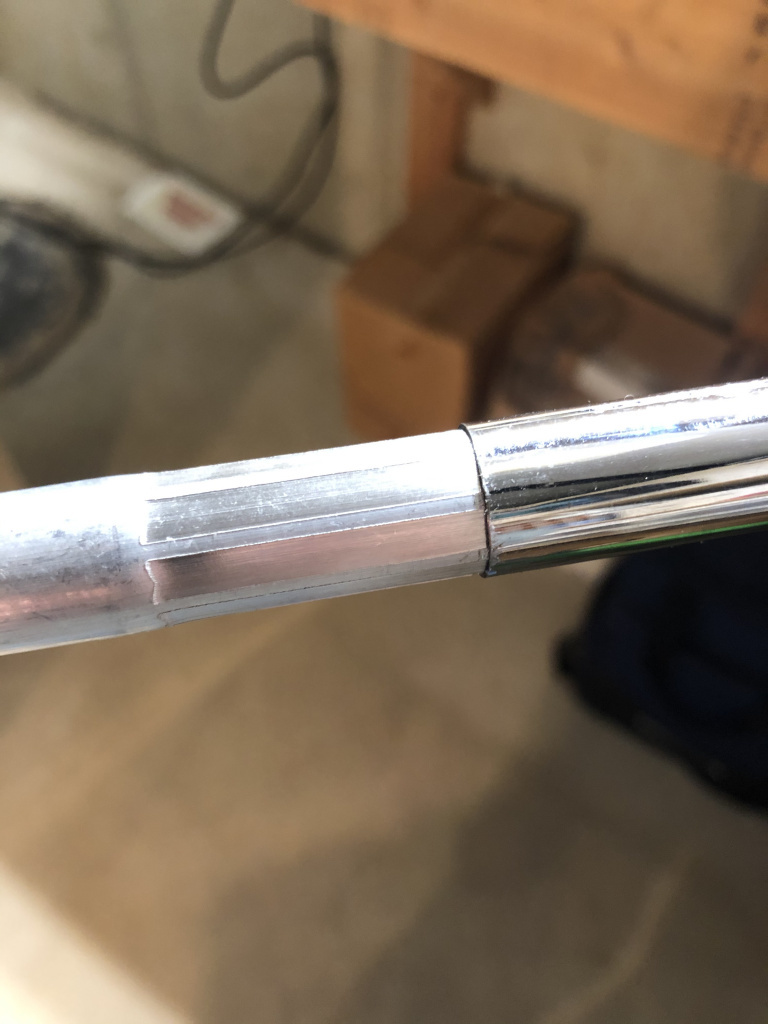
Insufficient surface preparation causes most extension failures—oil, dirt, or old adhesive residue prevents proper bonding. Taking just five extra minutes to clean surfaces properly doubles bond strength and longevity. Always use dedicated golf-specific solvents rather than household cleaners that leave residues incompatible with shaft materials.
How Incorrect Measurements Destroy Club Performance
Guessing extension lengths creates inconsistent results across your set, forcing you to adjust your swing for each club. Measure each iron individually using professional tools—your 5-iron likely requires different extension length than your wedges due to progressive set designs. A 1/8-inch measurement error creates noticeable performance differences that undermine the entire purpose of extending iron shafts.
Cost Analysis: Extensions vs. Buying New Irons
Extending iron shafts costs between $2.25-$12.99 per club depending on materials and tools, compared to $800-$1,500 for a new custom-fit set. For golfers satisfied with their current iron heads and shaft flex profiles, extensions deliver proper length specifications at 2-5% of replacement cost. The Ultimate Grip Installer Tool ($16.95) pays for itself after just two extensions when compared to professional installation fees averaging $25-$35 per club. This cost efficiency makes extending iron shafts the smartest customization upgrade for budget-conscious golfers seeking immediate performance gains.