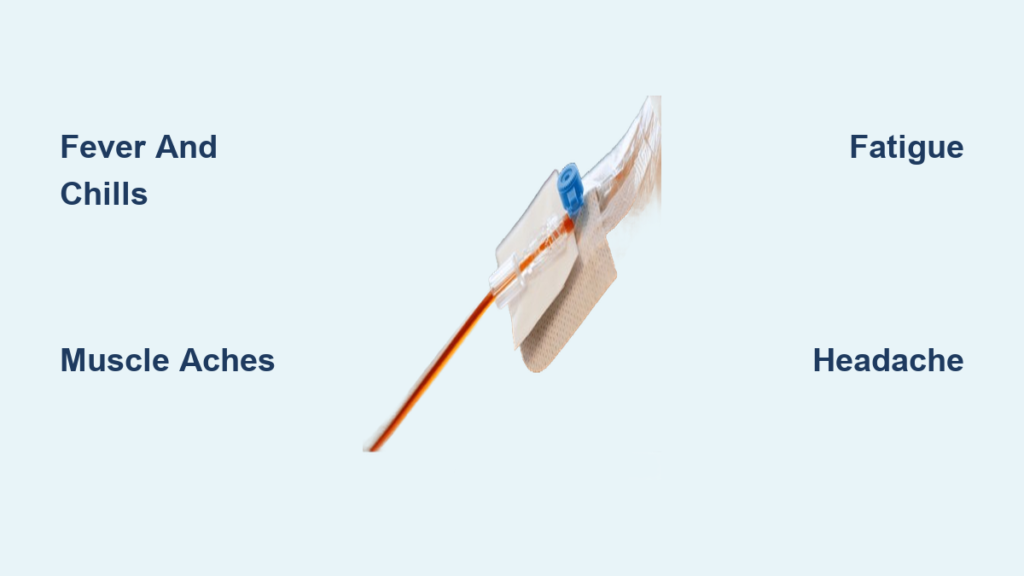
Iron infusions deliver essential iron directly into your bloodstream when oral supplements fail or when rapid replenishment is needed. While generally safe and effective, many patients experience an unexpected aftermath: flu-like symptoms that leave them questioning whether they’ve caught a bug or are having a reaction to treatment. Understanding why these symptoms occur, how long they last, and what you can do about them helps you navigate recovery with confidence and peace of mind.
The reality is that flu-like symptoms represent one of the most commonly reported side effects of intravenous iron therapy. Many patients experience some form of post-infusion reaction, with symptoms ranging from mild discomfort to more pronounced systemic effects. Most episodes occur within the first 48 hours after treatment and resolve on their own, but recognizing the difference between expected side effects and warning signs of complications ensures you respond appropriately to your body’s signals.
Why Your Body Reacts with Flu-Like Symptoms After Iron Infusion
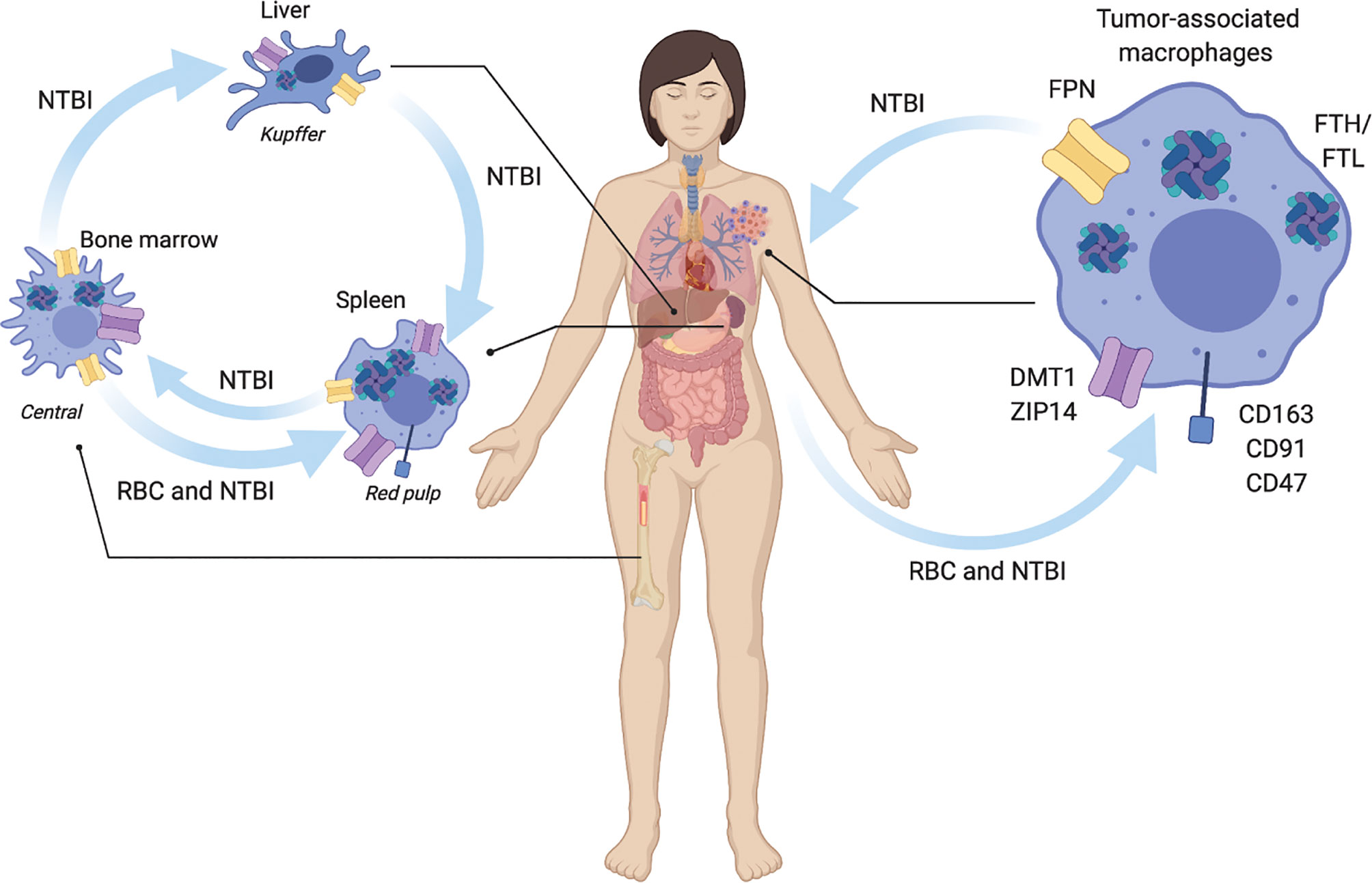
Your immune system triggers flu-like symptoms as it processes the iron infusion, mistaking the iron particles for foreign invaders. When iron enters your bloodstream through infusion, specialized immune cells called macrophages recognize the iron compounds as unfamiliar substances, activating inflammatory pathways similar to those deployed against viral infections. This biological response explains why you might suddenly feel feverish, achy, and exhausted despite receiving what should be a beneficial treatment.
Different iron formulations provoke varying immune responses based on their molecular structure. Older preparations like iron dextran tend to cause more frequent reactions due to their larger particle size and less stable composition, while newer formulations such as ferric carboxymaltose or iron isomaltoside feature more complexed molecules that your immune system recognizes as less foreign. Your healthcare provider selects the specific iron preparation considering your medical history and previous reactions to minimize your risk of experiencing severe flu-like symptoms after iron infusion.
Infusion speed and dosage significantly impact your likelihood of developing symptoms. Rapid delivery of high iron doses overwhelms your body’s natural processing capacity, creating a stronger inflammatory response. This is why many treatment centers now use slower infusion protocols or split larger doses across multiple sessions, especially for patients who’ve previously reported flu-like symptoms after iron infusion.
Identifying Specific Flu-Like Symptoms After Your Iron Treatment

How to Recognize Fever and Chills Following Infusion
Fever typically emerges within hours after your infusion concludes, often catching patients completely off guard. Your temperature may rise above normal—usually staying below 101°F (38.3°C)—while you simultaneously experience chills and shivering. This paradoxical sensation of feeling both hot and cold occurs as your immune system resets your body’s temperature regulation in response to the iron infusion. These symptoms usually peak within the first 12-24 hours and gradually subside as your body processes the iron.
Muscle Aches and Joint Pain That Mimic Influenza
The distinctive whole-body soreness that characterizes flu-like symptoms after iron infusion often affects your back, shoulders, and legs most severely. Patients frequently describe feeling as though they’ve “run a marathon” or been “hit by a truck” despite minimal physical activity. This deep muscular discomfort stems from inflammatory chemicals released during your immune response and typically intensifies during the first day before steadily improving. Unlike typical muscle soreness, these aches often respond well to gentle movement rather than complete rest.
Why Fatigue Persists Longer Than Other Symptoms
Post-infusion fatigue often outlasts other flu-like symptoms because your body expends significant energy on two simultaneous processes: managing the immune response to the iron and beginning to produce new red blood cells. This dual demand on your resources explains why you might feel profoundly tired for several days after your infusion, even when fever and aches have subsided. Most patients find their energy levels gradually return to baseline within 5-7 days, though individual recovery times vary based on overall health and iron formulation used.
Timeline: When Flu-Like Symptoms Appear and How Long They Last
Immediate Onset Patterns After Iron Infusion
Most patients who develop flu-like symptoms notice them beginning within 4-12 hours after infusion completion, though some may experience initial symptoms while still at the treatment center. This early onset pattern helps distinguish infusion-related symptoms from coincidental viral infections, which typically develop more gradually. The first signs often include mild chills, fatigue, and a subtle temperature elevation that becomes more pronounced over the next several hours.
Peak Intensity Period for Post-Infusion Symptoms
Symptoms typically reach their maximum intensity between 24-48 hours after your iron infusion, creating what many patients describe as their “worst flu day.” During this peak period, you might experience moderate fever (up to 101°F), significant muscle aches, headache, and pronounced fatigue. This timing coincides with your immune system’s most active processing of the iron compounds. Fortunately, symptoms usually follow a clear trajectory of improvement after this peak rather than continuing to worsen.
Complete Resolution Expectations
The acute phase of flu-like symptoms after iron infusion generally resolves within 72 hours for most patients, with residual fatigue potentially lingering for up to a week. If symptoms persist beyond 5-7 days or continue worsening after the initial 48-hour peak, this warrants medical evaluation to rule out other causes. Most patients report feeling back to normal within 7-10 days, with subsequent infusions often producing milder reactions as their body becomes accustomed to the treatment.
Immediate Relief Strategies That Actually Work

Effective Over-the-Counter Medication Protocol
Acetaminophen (Tylenol) provides the most reliable relief for fever, headache, and muscle aches following iron infusion without risking stomach irritation or interfering with blood clotting. Taking 650-1000mg every 6 hours during the first 24-48 hours—rather than waiting for symptoms to become severe—creates more consistent symptom control. Avoid NSAIDs like ibuprofen unless your healthcare provider specifically approves them, as they may increase bleeding risk or interfere with kidney function in some patients receiving iron therapy.
Hydration and Rest Techniques That Accelerate Recovery
Proper hydration supports your kidneys in processing excess iron while helping regulate body temperature during fever episodes. Aim for 8-10 glasses of clear fluids daily during recovery, focusing on water, electrolyte solutions, or herbal teas rather than caffeinated beverages that can worsen dehydration. Strategic rest periods throughout the day—20-30 minutes every few hours—allow your body to recover without disrupting your nighttime sleep cycle, which is essential for complete resolution of flu-like symptoms after iron infusion.
Temperature Management for Fever and Chills
When experiencing the simultaneous sensations of fever and chills, layering clothing and bedding provides more effective temperature regulation than fixed solutions. Start with lightweight clothing and add/remove layers as needed rather than bundling heavily, which can trigger excessive sweating and subsequent chills. Cool compresses on pulse points (wrists, neck, temples) help reduce fever discomfort without causing shivering that might intensify muscle aches.
When to Contact Your Healthcare Provider Immediately
Warning Signs That Indicate Serious Complications
Seek immediate medical attention if you experience any symptoms of severe allergic reaction including difficulty breathing, facial swelling, hives, or throat tightness—these require emergency treatment even if they seem to improve initially. Additionally, contact your provider if your fever exceeds 101.5°F (38.6°C) that doesn’t respond to medication, symptoms worsen after initially improving, or you develop new neurological symptoms like severe headache with visual changes.
Differentiating Normal Reactions From Infection
Distinguishing expected flu-like symptoms after iron infusion from actual viral illness can be challenging. Key indicators that suggest a true infection rather than infusion reaction include: symptoms developing more than 72 hours post-infusion, persistent fever beyond 72 hours without improvement, respiratory symptoms like cough or sore throat, or gastrointestinal symptoms not typical of infusion reactions. When in doubt, contact your healthcare provider for guidance rather than waiting for symptoms to resolve.
Preventing Flu-Like Symptoms in Future Iron Infusions
Premedication Strategies That Reduce Reaction Risk
Discuss pre-infusion medication options with your healthcare provider if you’ve experienced significant symptoms after previous treatments. Many centers now routinely administer acetaminophen before infusion, while some patients benefit from additional premedication with antihistamines or corticosteroids to dampen the immune response. Starting these medications 30-60 minutes before your infusion gives them time to become effective and can substantially reduce the intensity of flu-like symptoms after iron infusion.
Infusion Protocol Modifications That Improve Tolerance
Slower infusion rates significantly decrease the likelihood and severity of post-infusion symptoms. If you’ve had reactions previously, ask about extended infusion times—some protocols now deliver iron over 3-4 hours rather than the standard 1-2 hours. For patients requiring large total iron doses, splitting the treatment into multiple smaller sessions (e.g., 500mg twice weekly instead of 1000mg once) often improves tolerance dramatically while still achieving therapeutic goals.
Final Note: Understanding what to expect with flu-like symptoms after iron infusion transforms an alarming experience into a manageable one. Most reactions resolve within days with simple home care, and preventive strategies for future treatments can significantly reduce discomfort. By recognizing normal patterns versus warning signs, you can confidently continue your iron therapy knowing these temporary symptoms lead to the substantial benefits of corrected iron deficiency.