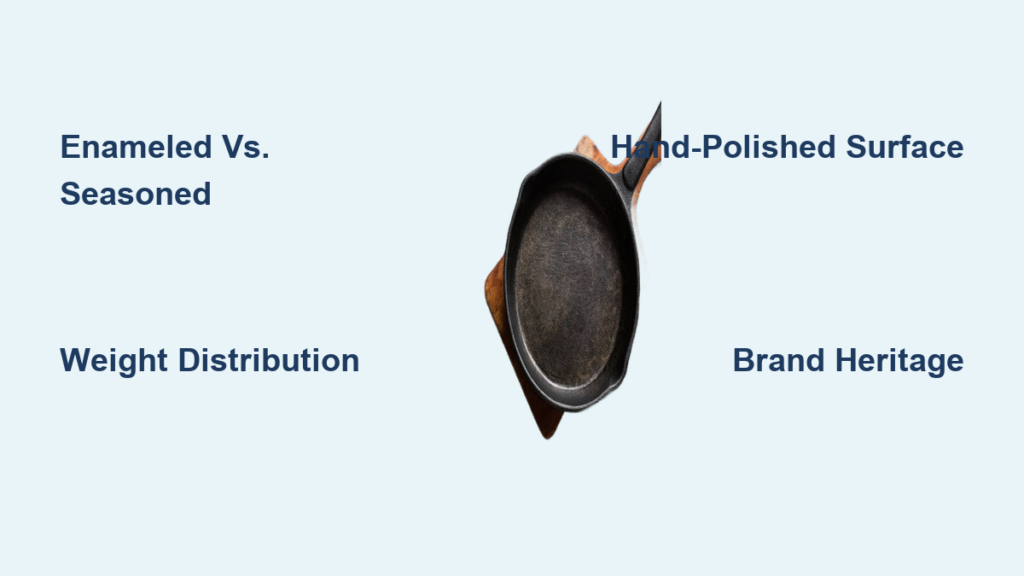
Cast iron cookware has experienced a remarkable renaissance over the past decade, with home cooks and professional chefs alike rediscovering the unmatched heat retention, natural non-stick properties, and enduring durability that make these pans kitchen treasures. While budget-friendly options exist, investing in high end cast iron brands means acquiring cookware that often becomes a family heirloom—passed down through generations while maintaining exceptional cooking performance. The premium cast iron market has expanded dramatically, offering discerning cooks an array of options ranging from traditional French enameled pieces to American-made skillets crafted with century-old techniques. Understanding the differences between these top-tier brands helps you make an informed investment that aligns with your cooking style, aesthetic preferences, and long-term kitchen goals.
For serious home chefs, the question isn’t whether cast iron belongs in the kitchen—it’s which high end cast iron brands deliver the perfect balance of performance, durability, and value for your specific needs. The right premium cast iron piece transforms everyday cooking into a more enjoyable, efficient experience while developing character and performance that improves over decades of use. This guide cuts through the marketing noise to help you identify which premium brands genuinely deserve your investment based on construction quality, cooking performance, and long-term value.
Premium Cast Iron Characteristics That Matter Most
How Metal Composition Affects Cooking Performance
The distinction between mass-produced cast iron and premium offerings lies in several critical factors that experienced cooks immediately recognize. First, consider the metal composition and casting process—high-end cast iron brands typically use denser, more refined iron alloys that result in smoother cooking surfaces and superior heat distribution. This isn’t merely about aesthetics; the microscopic texture of your skillet’s surface directly impacts how well it sears steaks, releases delicate fish fillets, and develops natural non-stick seasoning over time.
Weight Distribution and Thickness Engineering
Weight represents another significant differentiator among premium brands. While all cast iron is substantially heavy, the best manufacturers carefully calibrate thickness to balance heat retention with maneuverability. A well-designed 12-inch skillet should feel substantial without exhausting your arm during extended cooking sessions. Manufacturing precision also matters enormously—premium brands invest in meticulous quality control that eliminates manufacturing defects, ensures flat cooking surfaces that make stovetop-to-oven transitions seamless, and produces uniformly smooth interiors that require minimal initial seasoning.
French Enameled Excellence: Le Creuset and Staub Compared

Le Creuset’s Colorful Legacy and Practical Performance
Le Creuset, founded in 1925 in the northern French town of Fresnoy-le-Grand, has become almost synonymous with colorful, enameled cast iron cookware that transitions effortlessly from stovetop to table. Their Dutch ovens represent the pinnacle of the form—thick-walled construction provides exceptional heat retention for slow-cooked braises and stews, while the enameled interior resists staining and simplifies cleaning. The company offers an extensive color palette that has evolved with design trends while maintaining its signature vibrancy, making their pieces functional kitchen tools and decorative objects simultaneously.
Staub’s Chef-Focused Engineering Advantages
Staub, founded in 1974 and now part of the Zwilling J.A. Henckels group, offers a distinctly French alternative that appeals to chefs who prioritize function alongside form. Their signature cocottes feature a matte black enamel interior that develops remarkable natural non-stick properties through use, combining the benefits of traditional and enameled cast iron in a single piece. The self-basting lid design, with its distinctive spikes, creates an interior microclimate that keeps meats moist during roasting and concentrates flavors in braising liquids. Staub’s color offerings tend toward earthy, sophisticated tones rather than Le Creuset’s brighter palette, appealing to cooks who prefer understated elegance in their kitchenware.
American Heritage Brands: More Than Just Lodge
Lodge Manufacturing’s Premium Lines Worth Considering
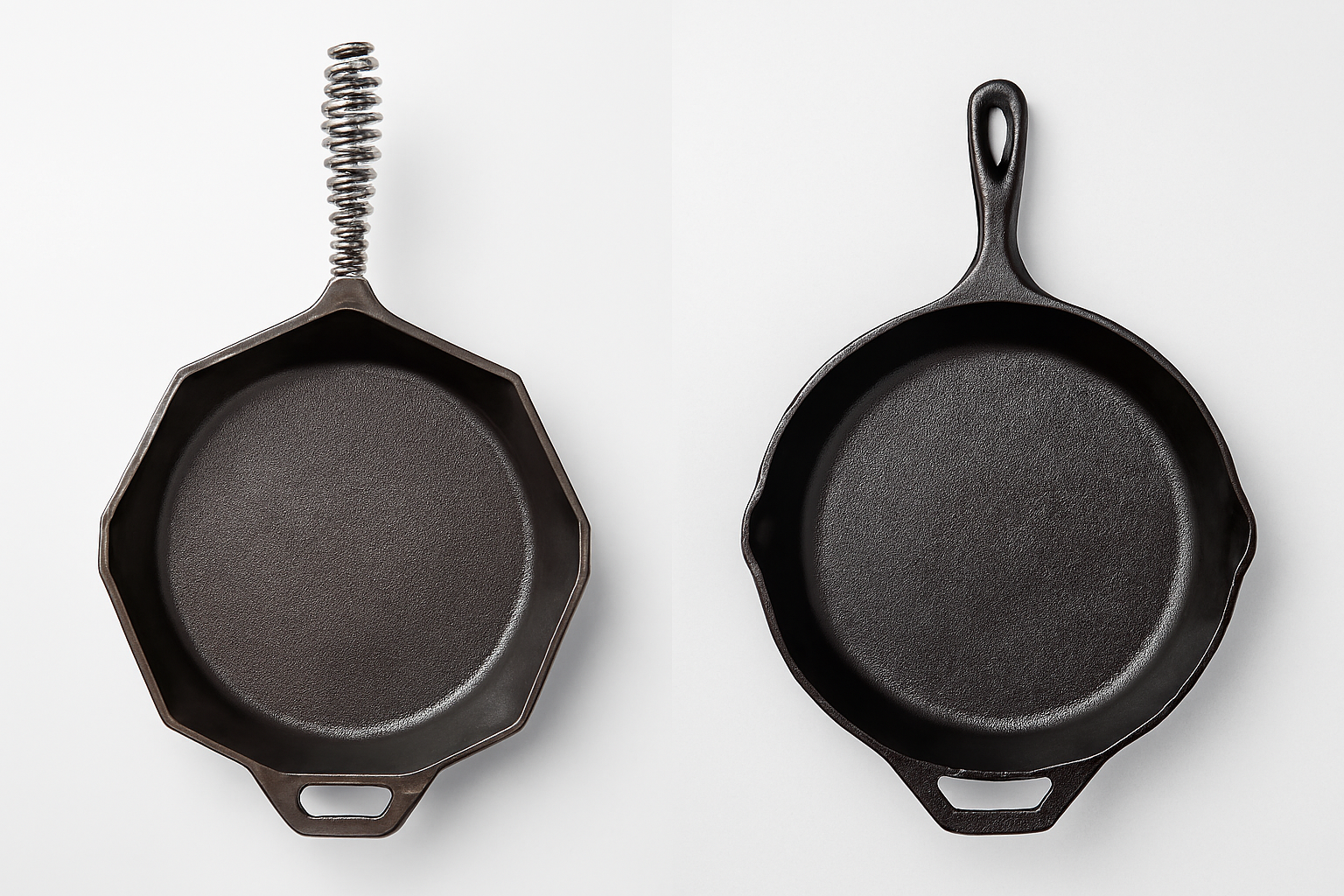
Lodge Manufacturing, established in 1896 in South Carolina, represents American cast iron heritage at its most accessible. While the company produces budget-friendly options found in most big-box stores, their premium lines deserve serious consideration from anyone seeking quality American-made cookware without French price tags. The Lodge Logic line features preseasoned skillets that arrive ready for immediate use, with surfaces that improve dramatically with proper care and regular use. Their cookware typically costs between $30 and $150, making exceptional cast iron accessible to cooks at virtually any budget level.
FINEX’s Modern American Craftsmanship
FINEX, a relatively recent addition to the American cast iron landscape, has carved a distinctive niche by combining traditional craftsmanship with contemporary design sensibilities. Founded by former Lodge employees in Portland, Oregon, FINEX produces hand-polished skillets featuring decorative cast iron handles and innovative octagonal shapes that simplify pouring and fitting into tight spaces. Their cooking surfaces arrive remarkably smooth, requiring minimal initial seasoning while developing rich, dark patinas with use. Prices typically range from $85 to $160 for their skillets, positioning FINEX as a premium American alternative to both Lodge’s standard offerings and imported European brands.
The New Wave of American Artisan Cast Iron
Smithey Ironware’s Southern Craftsmanship
Smithey Ironware, based in Charleston, South Carolina, produces what many collectors consider among the finest American cast iron available today. Their skillets feature extraordinarily smooth cooking surfaces achieved through extensive hand-polishing of castings made in vintage iron molds. The company offers multiple skillet sizes with varying interior geometries, allowing cooks to select pieces optimized for specific cooking tasks. Smithey’s prices reflect their artisanal approach—typically $100 to $200 for a skillet—but the cooking performance and visual beauty justify the investment for those who use cast iron daily.
Butter Pat Industries’ Precision Engineering
Butter Pat Industries, operating from a small workshop in Pennsylvania, takes an almost sculptural approach to cast iron cookware. Their skillets feature remarkably thin construction that responds quickly to heat changes—a characteristic that experienced cooks appreciate for precise temperature control during delicate cooking tasks. The cooking surfaces arrive mirror-polished, requiring no initial seasoning and producing exceptional results from the first use. Butter Pat’s designs incorporate practical innovations like helper handles on larger pieces and carefully engineered weight distribution that makes their surprisingly thin pieces feel balanced despite the inherent heaviness of cast iron.
Field Company’s Modern Manufacturing Approach
Field Company, founded in 2017 in Minneapolis, has gained devoted followers by combining traditional casting techniques with modern manufacturing precision. Their skillets feature smooth cooking surfaces that rival imported European brands while maintaining the durability expected from American cast iron. Field offers a curated selection of sizes rather than an overwhelming catalog, helping customers select appropriate pieces for their cooking needs. Their preseasoned surfaces arrive ready for immediate use, with the understanding that proper maintenance will improve performance over decades of use.
Enameled vs. Traditional Cast Iron: Making the Right Choice

When Enameled Cast Iron Makes Sense for Your Kitchen
The debate between traditional seasoned cast iron and enameled varieties continues among cooking enthusiasts, with valid arguments supporting both approaches. Enameled cast iron eliminates the need for ongoing seasoning maintenance and allows cooking acidic foods without concern for damaging the protective layer. The colorful enameled finishes available from French and American manufacturers also appeal to cooks who want cookware that transitions directly from oven to table presentation.
Why Traditional Seasoned Cast Iron Still Reigns Supreme
Traditional cast iron enthusiasts argue that properly seasoned cookware provides superior cooking performance, with natural non-stick properties that outperform even premium enamel over time. The maintenance requirements—immediate washing after use, thorough drying, and regular oil applications—become routine for experienced cooks and actually contribute to the cookware’s character and history. A well-seasoned skillet develops a unique patina reflecting years of use, becoming a personal kitchen artifact that mass-produced enameled pieces cannot replicate.
Maximizing Your High-End Cast Iron Investment
Selecting the Right Pieces for Your Cooking Style
Selecting high-end cast iron cookware ultimately depends on your cooking habits, aesthetic preferences, and willingness to maintain traditional pieces versus enjoying the convenience of enameled alternatives. Consider which pieces you’ll actually use regularly—a well-designed 10-inch skillet sees near-daily use in most kitchens, while a 6-quart Dutch oven might serve weekly or monthly depending on your cooking style. Starting with a single exceptional piece rather than purchasing a full set allows you to experience the brand’s quality and determine whether its characteristics align with your preferences before expanding your collection.
Essential Care Practices for Long-Term Performance
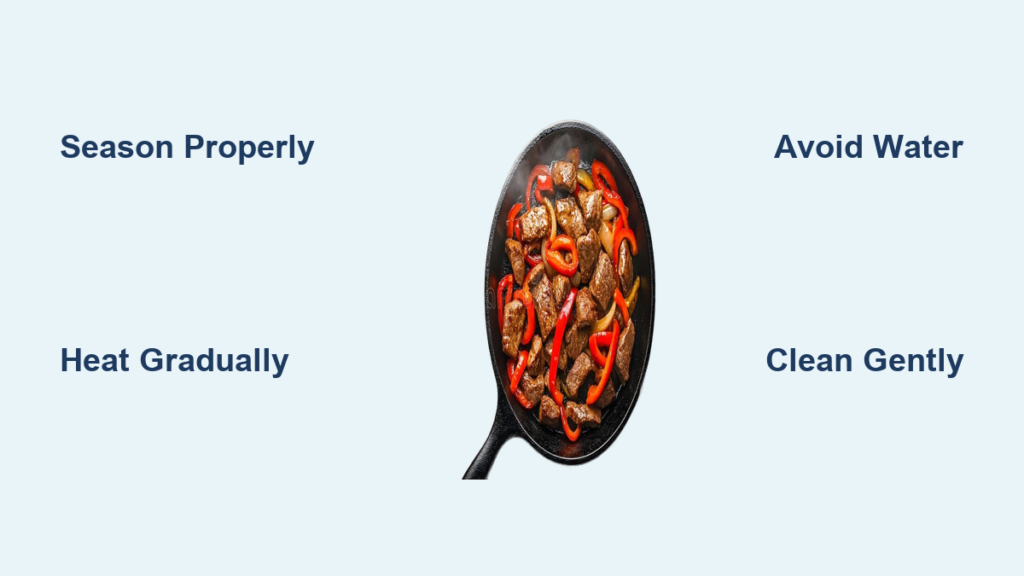
Proper care dramatically extends cast iron lifespan regardless of brand, with some pieces surviving a century or more of regular use. Traditional cast iron should be washed promptly after use—modern recommendations allow gentle soap use without damaging seasoning—and dried immediately to prevent rust. Regular application of thin oil layers maintains the cooking surface while building the cumulative seasoning that improves non-stick properties over time. Enameled pieces require less intensive care but benefit from avoiding thermal shock, which can crack enamel, and using utensils that won’t scratch the coating surface.
The high-end cast iron market continues evolving as new manufacturers enter the space and established brands respond to consumer demands for improved quality and diverse options. Whether you choose French enameled excellence, American heritage craftsmanship, or artisanal pieces from emerging makers, investing in quality cast iron means acquiring cookware that rewards careful use with decades of exceptional performance. The brands highlighted here represent the current pinnacle of the craft, each offering distinct characteristics that appeal to different cooking philosophies and aesthetic sensibilities. Your perfect high end cast iron brand awaits—now you know exactly what to look for when making this kitchen-transforming investment.