Your baby’s first year represents the period when they require the highest iron intake of their entire life—approximately 11 milligrams daily. Yet nearly 1 in 5 infants in the United States fails to consume adequate iron, creating potential developmental consequences that may extend well beyond infancy. Iron deficiency during these critical first 1000 days can impact brain development, oxygen transport, and overall growth at a time when your infant’s body is developing at an astonishing rate. Understanding which high iron foods for infants deliver the most bioavailable iron—and how to prepare them safely—gives your baby the best possible nutritional foundation.
This guide reveals exactly which iron-rich foods to prioritize, how much to serve, and when to introduce them based on the latest dietary guidelines. You’ll discover why unprocessed red meats outperform other sources, how to maximize absorption from plant-based options, and which common foods to avoid that could undermine your baby’s iron status.
Why Unprocessed Red Meats Are Essential for Infant Iron Needs
Beef and Pork Deliver 25% Iron Bioavailability
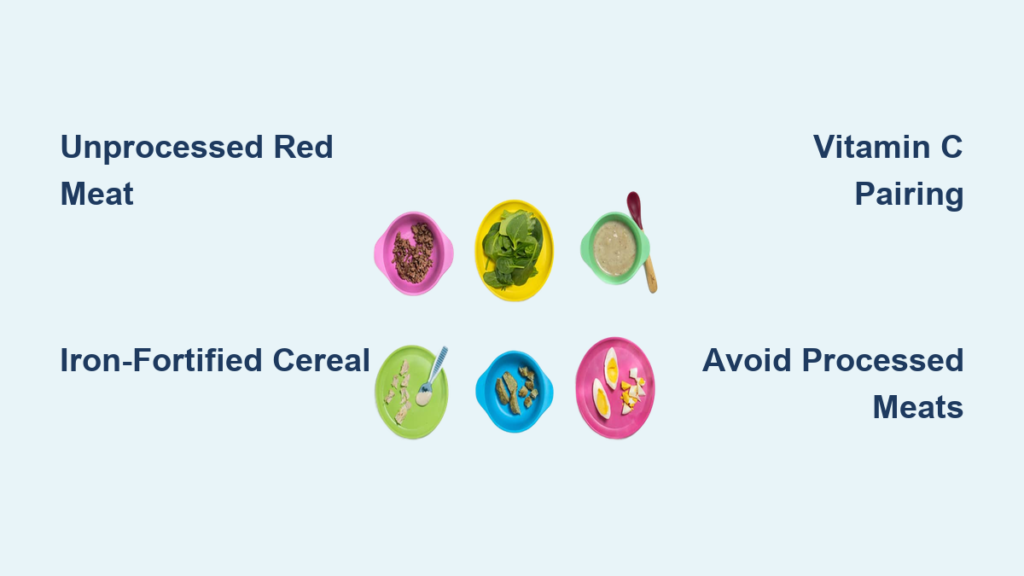
Red meat—beef, pork, veal, and lamb—provides the most bioavailable source of dietary iron for infants, with approximately 25% bioavailability. This means your baby’s body absorbs and utilizes significantly more iron from these sources compared to plant-based or fortified options. The Dietary Guidelines Advisory Committee recommends 4.66-16 ounces weekly for infants aged 6-9 months, increasing to 8.5-15.5 ounces for 9-12 month olds. Offering unprocessed red meat at least once daily ensures your baby receives adequate iron during this critical developmental window.
Beyond iron, red meat delivers high-quality protein, zinc, and other essential nutrients that work synergistically with plant foods to enhance overall nutrition. Research confirms that meat consumption actually boosts absorption of non-heme iron from plant sources, creating a powerful nutritional synergy. When preparing red meat for your infant, select lean cuts, trim visible fat, and use cooking methods like braising or slow-cooking to create tender textures appropriate for developing eaters.
Why Poultry Falls Short for Iron Requirements
Despite chicken and turkey becoming the most frequently consumed meats among infants (17% of babies aged 6-11.9 months), these options provide significantly less iron than red meats. The Dietary Guidelines recommend only 0.5-1 ounce weekly for younger infants, increasing to 1 ounce for older babies. While poultry contributes to overall iron intake, it shouldn’t replace red meat as your primary iron source during complementary feeding.
The concerning trend revealed in Feeding Infants and Toddlers Study data shows processed meats rank second in consumption frequency (7% of infants), while beef appears in only 2.5% of infant diets and pork in just 1.6%. This dramatic shift away from iron-rich red meats toward poultry and processed alternatives directly correlates with the 30% decrease in iron-fortified cereal consumption and explains much of the rising iron deficiency rates among American infants.
Iron-Fortified Infant Cereals: Proper Implementation

Maximizing Cereal’s 10% Bioavailability
Iron-fortified infant cereals serve as a critical secondary iron source with approximately 10% bioavailability. The Dietary Guidelines recommend 0.5 ounces (about 2-4 tablespoons) of prepared cereal daily for infants 6-12 months old. Oat, barley, multigrain, and rice varieties all provide iron fortification, though rice cereal shouldn’t be the only type offered due to concerns about arsenic exposure.
When preparing cereal, follow package directions while adapting to your baby’s appetite. Never add sugar, honey, or sweeteners to infant cereal, as these establish unhealthy taste preferences. Most importantly, never put cereal in a bottle, as this poses a serious choking hazard and undermines your baby’s developing ability to eat from a spoon. The decline in fortified cereal consumption represents a significant factor in inadequate iron intake—when cereal consumption decreases without replacement with other bioavailable sources, iron deficiency risks increase substantially.
Plant-Based Iron Options for Vegetarian Families
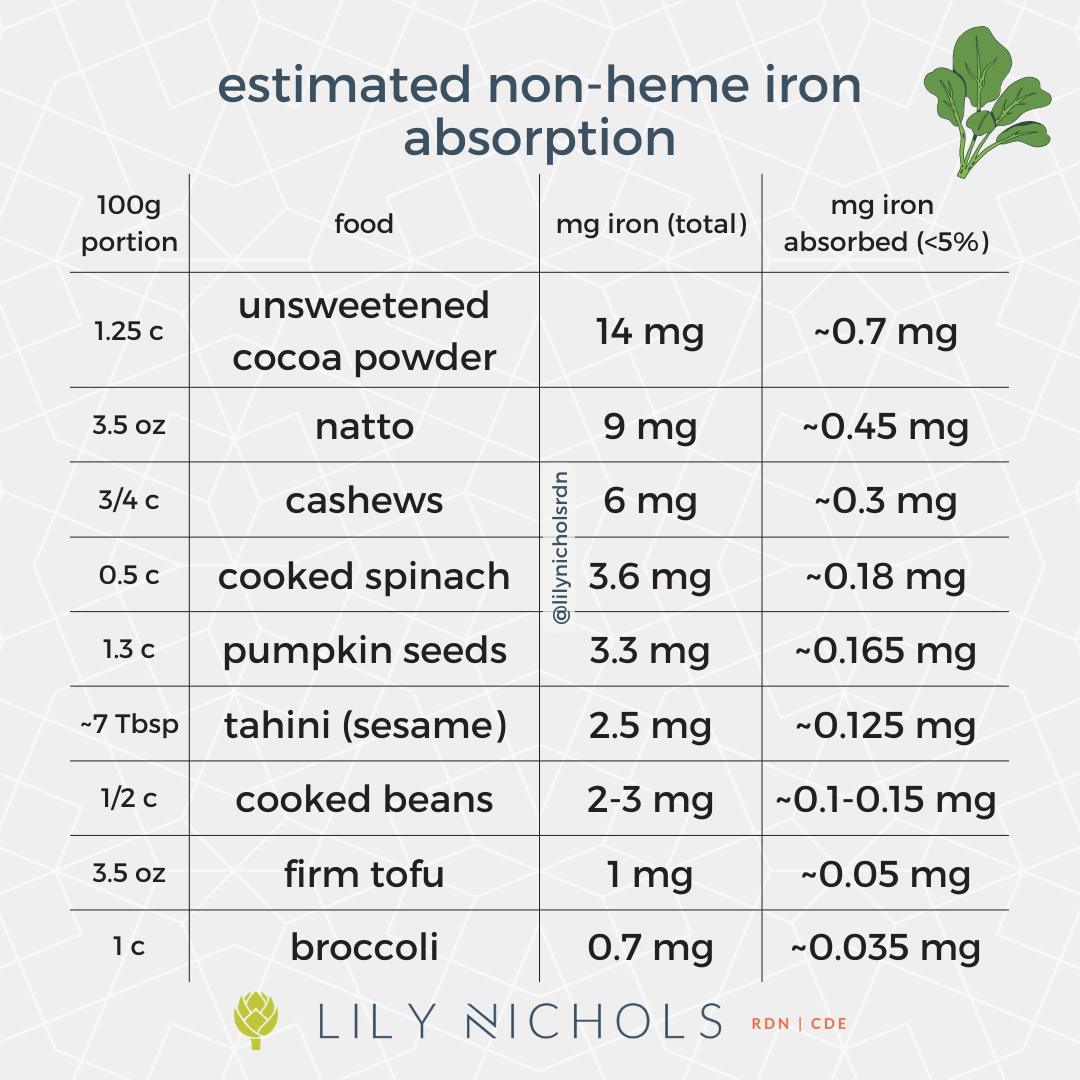
Legumes and Strategic Pairing for Better Absorption
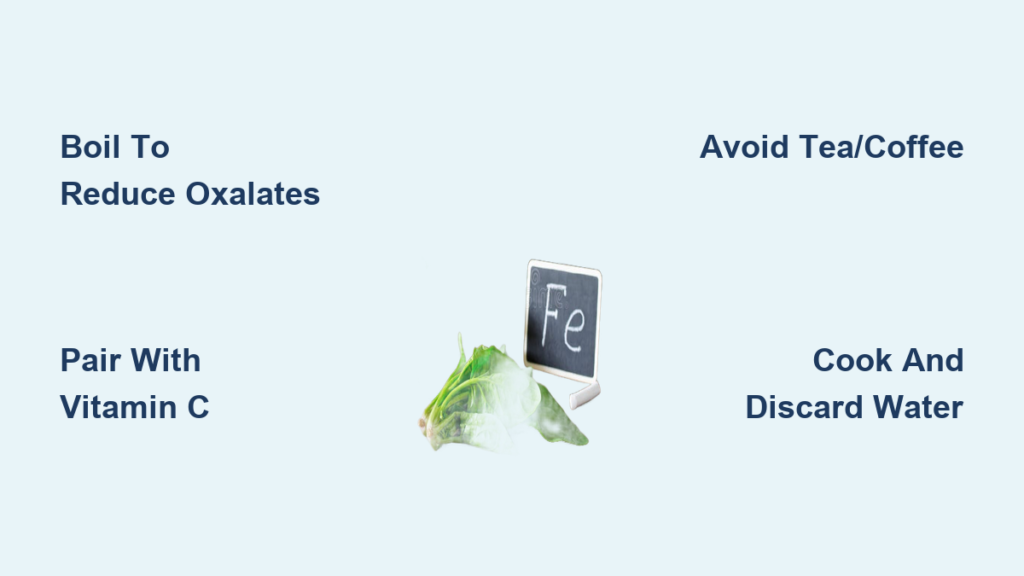
Beans, lentils, and legumes contribute to overall iron intake but have lower bioavailability (5-12%) compared to heme iron sources. For vegetarian families, the National Academy of Medicine recommends consuming 1.8 times the daily iron compared to meat-eaters. To maximize absorption from plant sources:
- Pair legumes with vitamin C-rich foods like pureed tomatoes or bell peppers
- Include small amounts of meat in mixed dishes to enhance non-heme iron absorption
- Avoid serving calcium-rich foods simultaneously with iron sources
Parents following vegetarian diets should consult a Registered Dietitian about ensuring adequate iron intake and overall nutritional balance for their babies. Simply substituting meat with beans rarely achieves equivalent iron status without careful planning and strategic food combinations.
Critical Foods to Eliminate from Infant Diets
Processed Meats Pose Significant Nutritional Risks
Processed meats—including hotdogs, cold cuts, sausages, and deli meats—should be completely avoided in infant feeding. While these foods contain some iron, they’re typically high in sodium, which health authorities recommend limiting for infants. The Feeding Infants and Toddlers Study reveals that processed meats rank second only to chicken in consumption frequency among infants (7% of babies aged 6-11.9 months), representing a concerning trend that undermines iron nutrition.
When preparing family foods for your infant, always make them without added salt or sodium. This means avoiding seasonings, sauces, or condiments containing sodium like dry soup mix, taco mix, garlic salt, soy sauce, and ketchup. However, herbs and spices without added salt are acceptable for flavoring infant foods and can help establish diverse taste preferences early in life.
Recognizing Iron Deficiency Warning Signs
Physical Indicators Requiring Professional Assessment
While routine screening by your pediatrician remains the most reliable method for identifying iron deficiency, certain signs warrant immediate attention:
– Pale skin, particularly around the face, inner eyelids, or nail beds
– Unusual fatigue or lethargy with reduced activity levels
– Increased fussiness without apparent cause
– Poor appetite and slow weight gain
Professional guidelines recommend iron screening for all infants around 12 months, with earlier testing for babies with risk factors including prematurity, exclusive breastfeeding beyond 6 months without supplementation, or maternal iron deficiency during pregnancy. The American Academy of Pediatrics has noted that iron deficiency during the first 1000 days may be associated with long-term neurodevelopmental consequences, making early detection critical.
Practical Weekly Iron-Rich Feeding Schedule
Building Consistent Daily Iron Intake
Iron-rich foods should appear in your baby’s diet two or more times daily throughout the 6-12 month period, with at least one serving coming from unprocessed red meat. A practical weekly plan might include:
- Iron-fortified cereal 3-4 times per week
- Pureed or finely minced beef/pork 2-3 times per week
- Poultry 1-2 times per week (as secondary option)
Taking your baby’s food from family meals simplifies preparation while exposing them to diverse flavors. Ensure family foods are prepared without added salt or sodium-containing seasonings. The transition to family foods should follow your baby’s developmental readiness—watch their cues and feed according to appetite to support healthy eating patterns without pressure.
Ensuring adequate iron intake during your baby’s first year requires intentional focus on unprocessed red meats as the gold standard source, supplemented with iron-fortified cereals and strategically paired plant foods. With nearly 1 in 5 infants failing to meet iron requirements, understanding which high iron foods for infants deliver the most bioavailable iron becomes a critical parenting skill. By prioritizing beef, pork, and other iron-rich options while avoiding processed alternatives and high-sodium foods, you provide the nutritional foundation your baby needs for optimal brain development and growth during these irreplaceable first 1000 days. Remember that consistent daily exposure to iron-rich foods, proper preparation techniques, and professional guidance when needed will keep your baby on track for healthy iron status through infancy and beyond.