You’re probably struggling to find foods that boost your iron levels without sending your cholesterol through the roof. Many iron-rich options like red meat and organ meats come packed with cholesterol, creating a nutritional catch-22. The good news is that numerous delicious, accessible foods deliver substantial iron while containing zero or minimal cholesterol. Whether you’re managing iron deficiency, watching your heart health, or simply optimizing your diet, knowing which foods offer this ideal combination transforms your meal planning from frustrating to effortless.
This guide cuts through the confusion with specific food recommendations, absorption-boosting techniques, and practical meal strategies that work in real life. You’ll discover how to build satisfying meals that simultaneously support healthy blood and cardiovascular function—without expensive supplements or restrictive eating patterns.
Heme vs Non-Heme Iron: What You Need to Know

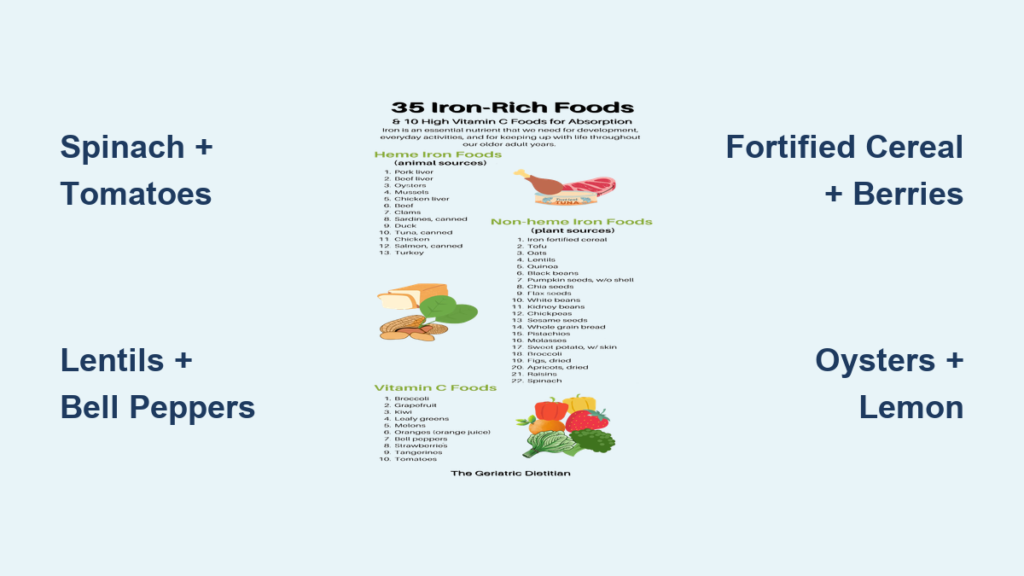
Your body processes two distinct iron types differently, and this knowledge directly impacts your food choices for high iron low cholesterol eating. Heme iron, found only in animal products, gets absorbed at rates up to 30 percent—making it highly efficient for boosting iron levels quickly. However, many heme iron sources like red meats come with significant cholesterol, creating a nutritional trade-off.
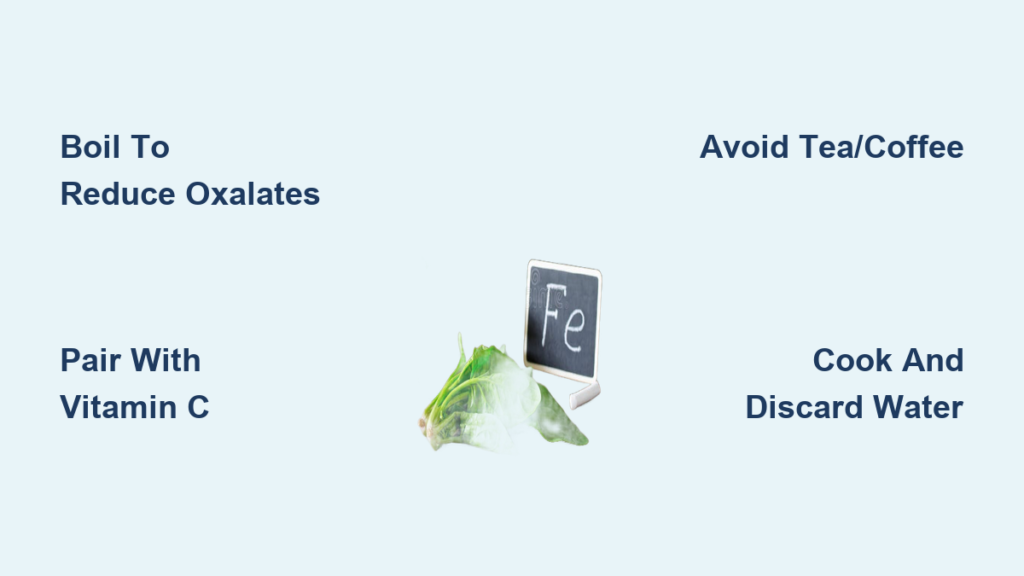
Non-heme iron from plant sources has lower absorption rates (2-10 percent), but carries the crucial advantage of zero dietary cholesterol. This makes plant-based iron sources the foundation of any high iron low cholesterol diet. The solution isn’t complicated: strategically combine non-heme iron foods with vitamin C-rich options to dramatically boost absorption. When you pair spinach with tomatoes or lentils with bell peppers, you can effectively double how much iron your body extracts from these cholesterol-free sources.
Iron-Rich Vegetables That Support Heart Health
Dark leafy greens stand as your most powerful weapons in the high iron low cholesterol food arsenal. Spinach, kale, and Swiss chard deliver impressive iron amounts with absolutely zero cholesterol, making them essential components of heart-healthy meals. One cup of cooked spinach provides about 6 mg of iron—roughly one-third of your daily needs—without any cholesterol concerns.
Cruciferous vegetables offer another excellent option for iron without cholesterol. Broccoli and Brussels sprouts provide meaningful iron alongside vitamin C that naturally enhances absorption. Here’s what to look for when selecting these vegetables:
- Deep green color indicates higher iron concentration
- Firm texture signals freshness and nutrient density
- Vibrant appearance suggests optimal vitamin content
Incorporate these vegetables into your diet by adding handfuls of spinach to smoothies, roasting broccoli with lemon juice, or sautéing kale with garlic and tomatoes. These simple preparations maximize both iron content and absorption while keeping cholesterol at zero.
Beans and Legumes: Zero-Cholesterol Iron Powerhouses
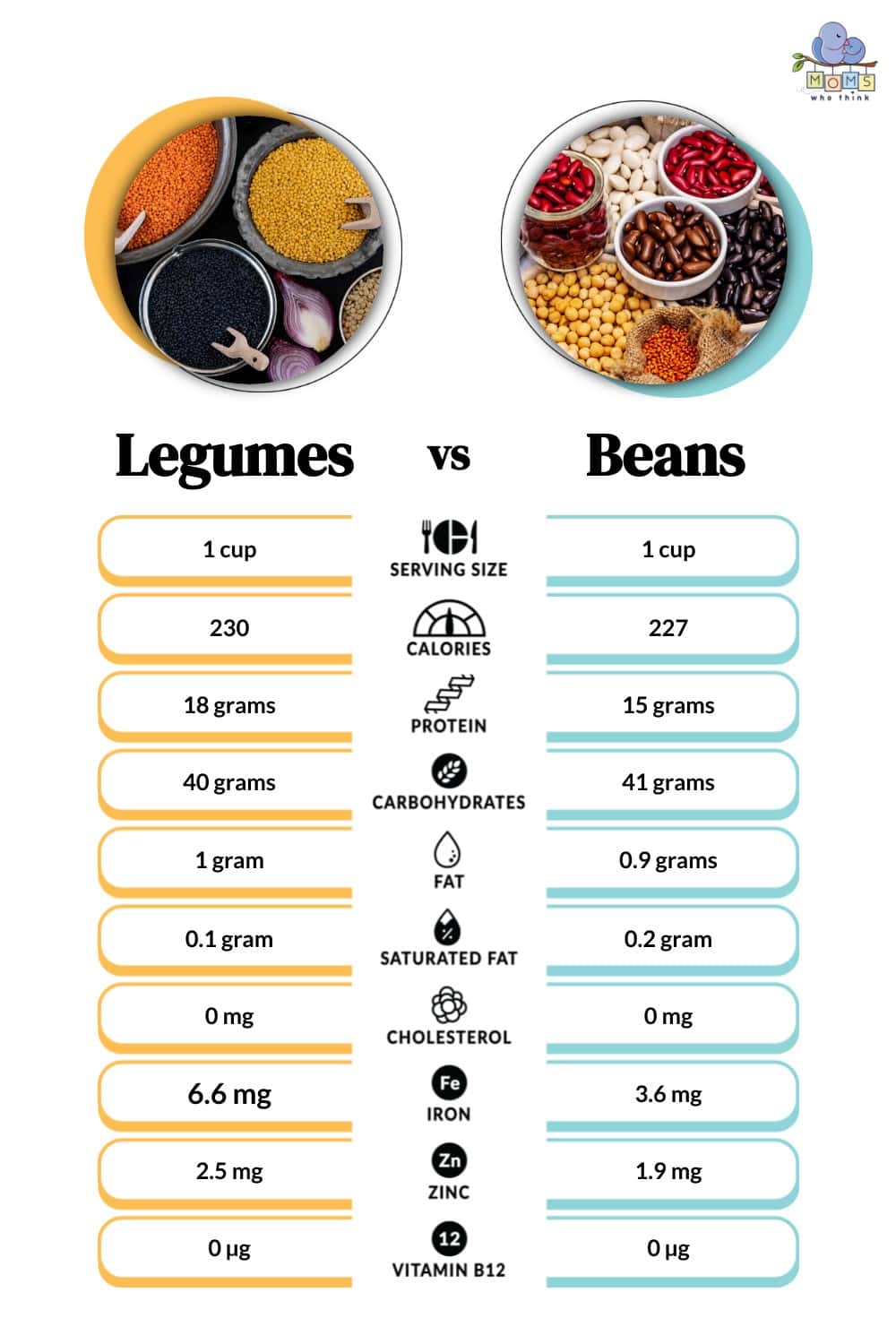
Lentils, chickpeas, black beans, and kidney beans deliver substantial non-heme iron with absolutely no cholesterol. A single cup of cooked lentils provides approximately 6.6 mg of iron—about 37 percent of your daily requirement—while contributing valuable protein and fiber that supports digestive health and satiety.
For maximum iron benefit, try these practical preparation techniques:
– Soak dried beans overnight to reduce phytates that inhibit iron absorption
– Cook beans with tomatoes or bell peppers to boost iron uptake through vitamin C
– Use cast iron cookware when preparing bean dishes, as this can increase iron content
These versatile foods work beautifully in soups, salads, and main dishes, making them easy to incorporate into your high iron low cholesterol eating pattern multiple times per week. Batch cooking a large pot of beans ensures you always have iron-rich ingredients ready for quick meals.
Fruits That Double Your Iron Absorption

While fruits generally contain less iron than vegetables or legumes, they play two critical roles in your high iron low cholesterol strategy: providing direct iron and dramatically enhancing absorption from other foods. Dried fruits like apricots and raisins offer concentrated iron in portable snack form, with half a cup of dried apricots delivering about 2 mg of iron.
The real power of fruits lies in their vitamin C content, which can triple iron absorption from plant sources. Incorporate these high-vitamin C fruits into your iron-rich meals:
– Citrus fruits (oranges, grapefruit) added to spinach salads
– Strawberries mixed with fortified breakfast cereal
– Tomatoes cooked with lentils or beans
For best results, consume vitamin C-rich foods within the same meal as your iron sources. This simple pairing strategy transforms your high iron low cholesterol eating from marginally effective to highly efficient without requiring additional supplements.
Fortified Cereals That Deliver Iron Without Cholesterol
Many breakfast cereals provide substantial iron fortification with zero cholesterol, making them ideal for high iron low cholesterol mornings. Some fortified cereals deliver 100 percent or more of your daily iron requirement in a single serving—check labels for products listing 18 mg of iron per serving.
When selecting fortified cereals:
– Look for “reduced iron” or “ferric phosphate” in the ingredient list
– Choose options with at least 15% DV for iron
– Pair with vitamin C-rich fruit like strawberries or orange slices
In Canada and many other countries, regulations require iron fortification of refined grain products like white flour, meaning even basic breads and pastas contribute to your iron intake. Opt for fortified whole grain versions when possible for additional fiber and nutrients that support overall health while maintaining zero cholesterol.
Smart Seafood Choices for Iron Without Excess Cholesterol
Certain seafood options deliver heme iron with minimal cholesterol impact when prepared correctly. Shellfish like oysters, clams, and mussels provide exceptional iron amounts while remaining relatively low in cholesterol compared to other animal sources. A 3-ounce serving of oysters delivers nearly 8 mg of iron—more than 40 percent of your daily needs.
For heart-healthy preparation:
– Choose baked, grilled, or steamed preparations instead of fried
– Avoid butter-based sauces that increase cholesterol content
– Pair with iron-rich vegetables like spinach or broccoli
Salmon and tuna offer moderate iron amounts alongside heart-healthy omega-3 fatty acids. While these fish contain some cholesterol, their preparation method significantly affects their overall cholesterol impact—opt for grilled salmon rather than fried fish to maintain the high iron low cholesterol balance.
Iron-Packed Nuts and Seeds Without Cholesterol
Pumpkin seeds, sesame seeds, and sunflower seeds provide notable iron amounts with absolutely zero cholesterol. Just one ounce of pumpkin seeds delivers about 2.5 mg of iron—more than many vegetables—along with zinc and magnesium that support overall health.
Maximize the iron benefits of nuts and seeds by:
– Adding them to salads for texture and iron boost
– Sprinkling on oatmeal with vitamin C-rich berries
– Making homemade trail mix with dried fruit for absorption
While nuts and seeds contain calories that require portion awareness, their cholesterol-free status and iron content make them valuable daily additions to your high iron low cholesterol eating pattern. A small handful (about 1/4 cup) provides meaningful iron without compromising your cardiovascular goals.
Decoding Food Labels for Iron Content
Nutrition facts labels provide essential information for identifying high iron low cholesterol foods. Look for the percent daily value (% DV) for iron—foods providing 15% DV or more qualify as excellent sources. For example, a cereal with 18 mg of iron per serving delivers 100% DV.
When reading labels:
– Check both % DV and milligram amounts
– Look for “fortified with iron” in ingredient lists
– Note vitamin C content when pairing with iron sources
This label knowledge transforms grocery shopping from confusing to strategic, allowing you to quickly identify foods that deliver meaningful iron without cholesterol concerns. Over time, you’ll develop an instinct for spotting high iron low cholesterol options without extensive label analysis.
Building Effective High Iron Low Cholesterol Meals
:max_bytes(150000):strip_icc()/30-Day-Low-Cholesterol-Meal-Plan-for-Beginners-Created-by-a-Dietitian-4f4e4bc68afa472fa83bdfce8f6021bd.jpg)
The most effective strategy combines plant-based iron sources with vitamin C-rich foods in the same meal. Create balanced plates with these components:
– Base of iron-rich vegetables (spinach, kale, broccoli)
– Protein source (beans, lentils, or modest seafood portion)
– Vitamin C booster (tomatoes, citrus, bell peppers)
For breakfast: fortified cereal with strawberries
For lunch: lentil soup with tomato slices
For dinner: baked salmon with roasted broccoli and lemon
These simple combinations maximize iron absorption from cholesterol-free sources while creating meals that satisfy both your taste buds and nutritional needs. The key is consistency—regularly incorporating these food pairings creates sustainable habits that support long-term health.
Special Considerations for Different Life Stages
Your high iron low cholesterol food strategy should adapt to life stage needs. For children, focus on iron-rich vegetables and fortified cereals that support growth without cholesterol concerns. Toddlers benefit from pureed spinach in smoothies and iron-fortified oatmeal with berries.
Pregnant women require increased iron intake but should avoid high-cholesterol animal sources. Prioritize lentil-based dishes with tomatoes, spinach salads with citrus dressing, and fortified whole grains. Older adults benefit from the fiber in plant-based iron sources that supports digestive health alongside cardiovascular protection.
Regardless of your life stage, the foundation remains the same: prioritize plant-based iron sources, enhance absorption with vitamin C, and select animal products carefully when including them. This adaptable approach ensures you get the iron you need without compromising heart health through excess cholesterol.