Feeling constantly exhausted, weak, and struggling with everyday tasks might signal iron deficiency anemia—a condition affecting millions worldwide. The right high iron meals for anemia can dramatically improve your energy levels and overall health without relying solely on supplements. This isn’t just about piling spinach on your plate; it’s about strategically combining iron-rich foods with absorption boosters while avoiding common pitfalls that block iron uptake. You’ll discover how to build delicious, nutrient-dense meals that maximize iron absorption, whether you eat meat or follow a plant-based diet. By the end of this guide, you’ll have practical meal plans and preparation techniques to help restore your iron levels and reclaim your energy.
Why Your Iron-Rich Meals Aren’t Working

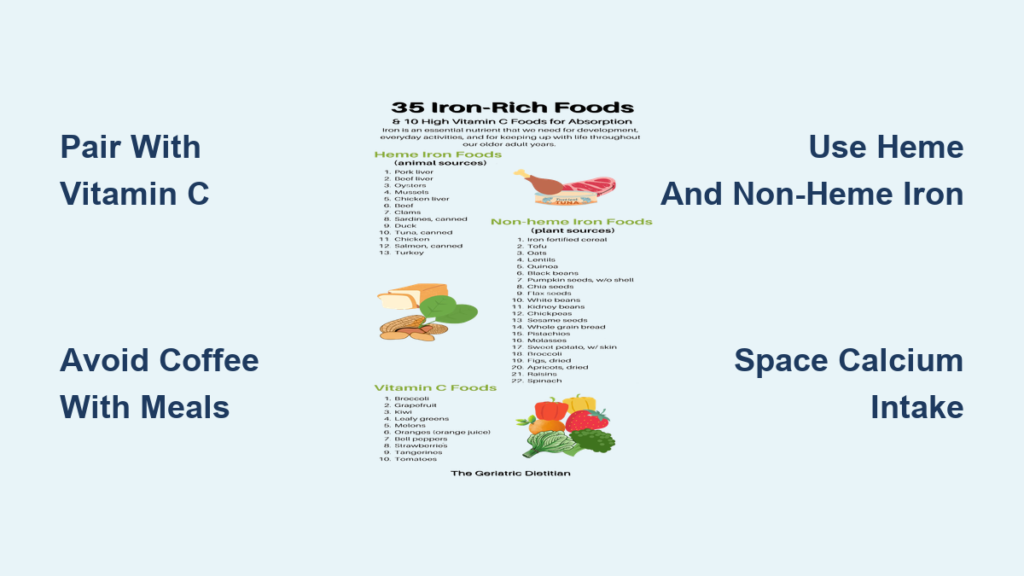
Many people eat seemingly iron-packed meals yet still battle anemia because they overlook critical absorption factors. Iron deficiency anemia develops when your body lacks sufficient iron to produce hemoglobin, the oxygen-carrying protein in red blood cells. Without adequate hemoglobin, your tissues become oxygen-starved, causing fatigue, weakness, and shortness of breath. What most people don’t realize is that dietary iron comes in two distinct forms with vastly different absorption rates—heme iron from animal sources absorbs at 15-35%, while non-heme iron from plants absorbs at just 2-20%. This fundamental difference explains why simply eating iron-rich foods often fails to resolve anemia.
How Iron Absorption Really Works
Your body absorbs heme iron directly through intestinal cells, making it highly efficient regardless of other foods consumed. Non-heme iron requires conversion to a ferrous state before absorption, which depends heavily on your meal composition. Vitamin C transforms non-heme iron into its absorbable form, potentially tripling uptake—meaning a squeeze of lemon over your lentils makes a dramatic difference. Conversely, compounds in coffee, tea, and calcium-rich foods bind to iron, blocking absorption entirely. Understanding these mechanisms transforms your meal planning from random guessing to targeted anemia-fighting strategy.
Common Iron Absorption Mistakes
Most iron-deficiency sufferers unknowingly sabotage their efforts with three critical errors: drinking coffee or tea with meals, consuming calcium-rich foods simultaneously with iron sources, and neglecting vitamin C pairings. That morning spinach omelet loses half its effectiveness when washed down with coffee, while your iron-fortified cereal becomes nearly useless when paired with milk. These subtle interactions explain why many people eat “healthy” iron-rich diets yet see no improvement in their anemia symptoms. The solution isn’t eating more iron—it’s eating iron smarter through strategic food combinations.
Build Immediate-Impact Breakfasts for Iron Boost
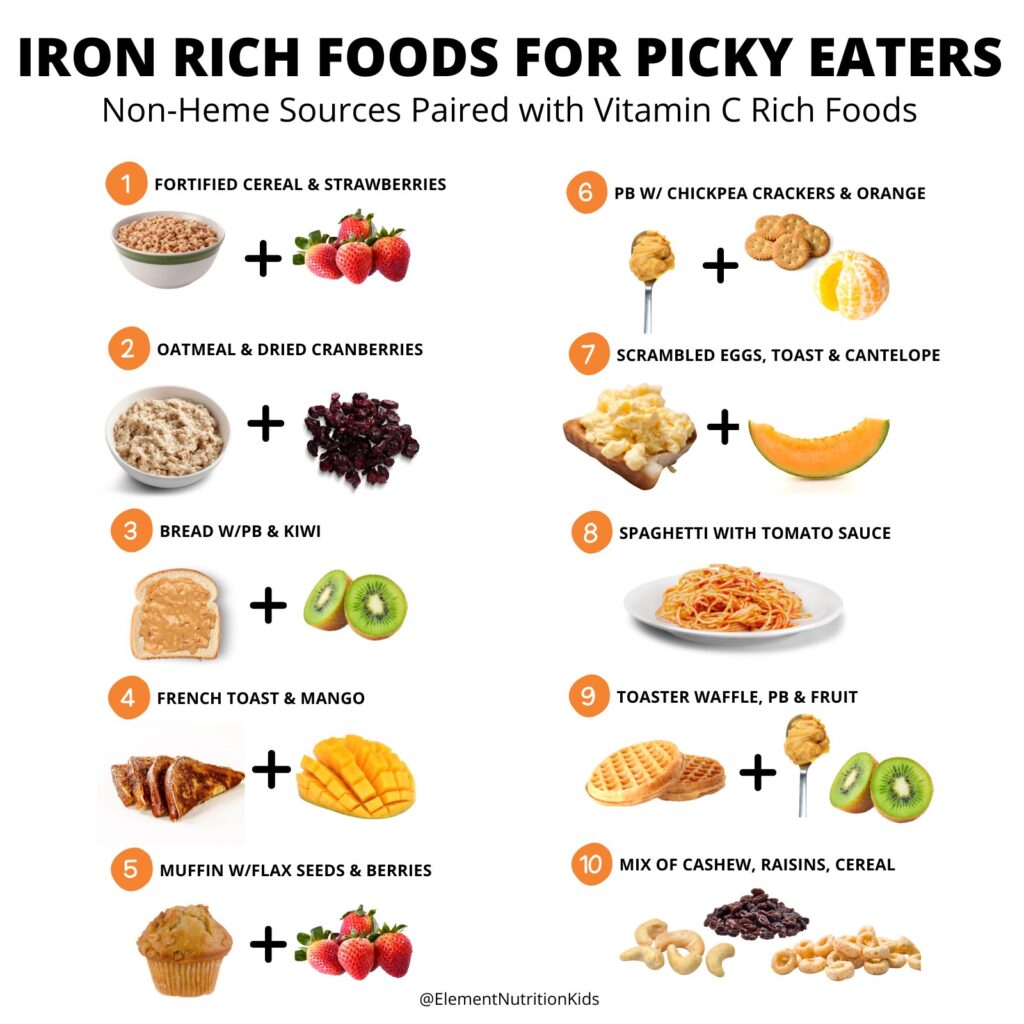
Breakfast sets your iron intake trajectory for the day, yet most traditional morning meals deliver minimal iron. Transform your morning routine with these absorption-optimized options that deliver measurable results.
5-Minute Iron Power Breakfast
Combine fortified cereal (providing at least 50% of daily iron) with vitamin C-rich orange juice and fresh strawberries for a breakfast delivering 10+ milligrams of iron in under five minutes. The vitamin C from juice and berries triples non-heme iron absorption from the cereal, while adding a boiled egg introduces heme iron for immediate utilization. For plant-based eaters, swap the egg for pumpkin seeds sprinkled on top—they add 2.5 milligrams of iron per ounce along with zinc that supports red blood cell formation.
Iron-Rich Smoothie Strategy
Create a drinkable iron powerhouse by blending fortified plant milk with spinach, frozen berries, banana, and a tablespoon of tahini. The berries provide vitamin C to enhance spinach’s non-heme iron, while tahini contributes additional iron and healthy fats that improve nutrient absorption. This smoothie delivers 5-7 milligrams of iron in a single glass—ideal for days when cooking feels overwhelming. Pro tip: Add a squeeze of lemon juice to boost absorption without altering flavor.
Lunch and Dinner Solutions That Actually Work
Lunch and dinner provide your best opportunities to build substantial iron-rich meals that fight anemia while satisfying your appetite.
Heme Iron Power Plate
Grilled beef or lamb paired with roasted bell peppers and a lemon-dressed spinach salad creates a triple-threat iron strategy. The meat delivers highly absorbable heme iron, while the spinach contributes non-heme iron that the lemon juice and bell peppers (both high in vitamin C) transform into an absorbable form. This combination yields 8+ milligrams of bioavailable iron per meal—more than many people get in an entire day. For poultry lovers, choose dark meat chicken or turkey thighs instead of breast meat, as they contain twice the iron content.
Plant-Based Iron Mastery
Lentil soup made with tomatoes, carrots, and generous lemon juice delivers 6+ milligrams of iron per bowl while warming you from the inside out. Tomatoes provide the vitamin C needed to unlock lentils’ non-heme iron, making this simple soup dramatically more effective than lentils served plain. For a complete protein boost, add quinoa to your lentil dishes—this ancient grain contains 2.8 milligrams of iron per cooked cup along with all nine essential amino acids. The key isn’t just eating plant iron—it’s preparing it correctly to maximize absorption.
Strategic Snacking to Close Iron Gaps
Between meals, targeted snacking accumulates additional iron without requiring major dietary overhauls.
Iron-Packed Portable Snacks
Carry a small container of dried apricots (1.5 milligrams iron per quarter cup) paired with fresh orange segments for instant absorption boosting. The natural sugars satisfy cravings while the vitamin C ensures maximum iron uptake. Dark chocolate lovers rejoice—just one ounce delivers 3.4 milligrams of iron, making it one of the most concentrated snack sources available. Pair it with apple slices for additional vitamin C and fiber.
Savory Iron Boosters
Roasted pumpkin seeds provide 2.5 milligrams of iron per ounce along with magnesium that supports blood oxygenation. Keep them at your desk for afternoon energy slumps. For protein lovers, edamame delivers 1 milligram of iron per half cup along with complete plant protein. The most effective snack strategy combines iron sources with vitamin C—try hummus (made from iron-rich chickpeas) with raw bell pepper strips instead of carrots.
Meal Prep Secrets for Consistent Iron Success
Consistency beats intensity when rebuilding iron stores, making strategic meal prep essential for long-term results.
Batch-Cook Iron Powerhouses
Dedicate one hour weekly to cook a large batch of lentils or chickpeas—this single task provides iron-rich bases for multiple meals. Store portions in the fridge for quick assembly: toss lentils with roasted vegetables and lemon dressing for dinner, or blend chickpeas into hummus for iron-packed snacks. Similarly, roast a tray of bell peppers and tomatoes to add vitamin C boosters to every meal throughout the week.
Strategic Iron Pairing System
Organize your refrigerator with absorption in mind: store iron-rich foods next to their vitamin C partners. Keep lemon wedges with your cooked spinach, bell peppers beside your bean containers, and orange slices ready to top iron-fortified cereals. This visual system removes decision fatigue, ensuring you automatically combine foods for maximum iron uptake. For meat eaters, portion cooked beef or lamb into single servings that pair perfectly with prepped vegetables.
Critical Iron Absorption Killers to Avoid
Knowing what sabotages your efforts proves as important as knowing what helps—these common mistakes can negate otherwise excellent meal choices.
Beverage Timing That Makes or Breaks Results
Coffee and tea consumed with meals can block up to 60% of iron absorption due to polyphenols binding to dietary iron. If you can’t start your day without coffee, drink it at least one hour before or two hours after iron-rich meals. The same rule applies to wine with dinner—enjoy it as an after-dinner drink rather than with your meal. For tea lovers, switch to herbal varieties during iron-focused meals.
Calcium Conflict Management
Calcium competes with iron for absorption pathways, making simultaneous consumption counterproductive. Enjoy dairy products as snacks between meals rather than with iron-rich breakfasts or dinners. If you take calcium supplements, space them at least two hours apart from iron-rich meals. Plant-based milk drinkers should choose calcium-fortified varieties carefully—opt for unsweetened versions and consume them separately from iron sources.
Track Progress and Adjust Your Iron Strategy
Building effective high iron meals for anemia requires ongoing refinement based on actual results.
Simple Tracking Method That Works
Keep a three-day food diary noting iron-rich foods consumed alongside absorption enhancers and inhibitors. This reveals patterns like consistent coffee consumption with breakfast or vitamin C-deficient lunches. Most people discover they’re missing simple opportunities—like adding lemon to spinach or spacing dairy appropriately—that dramatically improve results without major dietary changes.
When to Consider Professional Support
If blood work shows no improvement after four weeks of consistent dietary changes, consult your healthcare provider. Sometimes underlying conditions like celiac disease or H. pylori infection interfere with iron absorption regardless of dietary quality. Your provider might recommend temporary supplementation while addressing root causes, or suggest testing for other types of anemia requiring different nutritional approaches. Remember that rebuilding iron stores takes time—most people see hemoglobin improvements within two to three weeks, but full recovery often requires months of consistent effort.
By implementing these targeted strategies, you transform your meals from iron sources into powerful anemia-fighting tools. The most successful approach combines heme and non-heme iron sources with absorption boosters while avoiding common pitfalls—creating sustainable eating patterns that restore your energy and vitality. Start with one meal transformation today, and within weeks, you’ll notice the difference in your stamina and overall well-being.