Ever wondered why your 9 iron seems to fall short compared to the professionals you watch on TV? You’re not alone. While you might be hitting your 9 iron 110-120 yards, PGA Tour players consistently send theirs 30-40 yards farther with surgical precision. Understanding these distance benchmarks isn’t just about envy—it’s crucial for setting realistic expectations and identifying where your game needs improvement. The truth is, professional golfers transform the 9 iron from a simple approach club into a scoring weapon through a combination of physics, technique, and years of refinement. By examining actual tour data, you’ll discover not just how far pros hit this critical club, but what specific factors drive these impressive distances and how you can apply these insights to lower your scores immediately.
PGA Tour Players Average 145 Yards With 9 Iron
PGA Tour professionals consistently hit their 9 irons between 135 and 155 yards, with the current tour average sitting right around 145 yards. This figure comes straight from ShotLink data—the PGA Tour’s proprietary tracking system that captures every shot during tournament play. Players like Dustin Johnson and Rory McIlroy often exceed 160 yards with their 9 irons when conditions allow, while technically brilliant but less powerful players like Jim Furyk historically averaged closer to 130-140 yards.
What separates tour pros from amateurs isn’t just raw power—it’s the combination of clubhead speed (typically 108-115 mph with irons) and perfect strike location. When a tour pro centers the ball on the clubface, they generate ball speeds of 135-145 mph with optimal launch conditions. This efficiency means they convert nearly all their swing energy into distance, while amateurs lose significant yardage through off-center hits.
Why Most Amateurs Underestimate Tour Iron Distances
Most recreational golfers believe pros hit their 9 irons similar to how they do—around 120-130 yards. This misconception comes from watching pros use longer clubs on TV, not realizing courses are set up much longer than what amateurs play. On standard PGA Tour setups, a 9 iron often covers the distance from 150-160 yards for amateurs because:
- Tour courses play 7,200-7,800 yards (vs. 6,200-6,800 for amateurs)
- Firm, fast conditions reduce rollout for pros
- Elevation changes significantly affect ball flight
- Wind conditions require different club selections
How Spin Rate Affects Tour 9 Iron Performance

PGA Tour players generate 6,000-8,000 RPM of spin with their 9 irons—enough to stop the ball quickly on firm greens but not so much that it sacrifices distance. This precise spin control comes from:
- Perfect strike location (hitting the ball on the sweet spot 90%+ of the time)
- Optimized loft and bounce for course conditions
- Precise clubface control through impact
- Equipment specifically fitted to their swing
Amateurs often create excessive spin through fat or thin contact, causing inconsistent distances despite similar swing speeds. Tour pros maintain tight dispersion patterns—typically within 3-4 yards of their target distance—making their 9 iron one of the most reliable clubs in the bag.
LPGA Tour 9 Iron Distances: 120 Yards Average

LPGA Tour professionals average approximately 115-125 yards with their 9 irons, with the tour mean sitting around 120 yards. While this represents a 25-30 yard gap compared to the PGA Tour, it’s important to understand this difference reflects physiological factors rather than skill level. Top LPGA players like Nelly Korda and Lexi Thompson regularly achieve distances approaching 135 yards when conditions allow.
The equipment evolution on the LPGA Tour has significantly closed the distance gap over the past decade. Modern women’s irons feature:
- Lighter clubheads (typically 2-5 grams lighter than men’s equivalents)
- More flexible shafts that increase swing speed
- Higher MOI designs for greater forgiveness
- Optimized center of gravity for higher launch
How LPGA Players Maximize Scoring With Shorter Distances
Despite hitting the ball shorter, LPGA players maintain exceptional scoring averages through superior distance control and green-reading skills. Where PGA Tour players might face 145-yard 9 iron shots, LPGA players typically encounter 120-yard approaches—but they’ve developed extraordinary precision with this club. Many top LPGA professionals can land their 9 iron within 10 feet of the pin from 120 yards with remarkable consistency.
This precision stems from years of practicing specific distances rather than just maximum range. While amateurs often practice full swings only, tour players spend significant time hitting partial shots with their 9 irons—from 60 yards all the way to their full distance—creating a complete distance ladder they can rely on during competition.
Korn Ferry Tour Players Hit 9 Irons 130-140 Yards
Players on golf’s primary developmental circuit average roughly 125-140 yards with their 9 iron, positioning them between the LPGA and PGA Tour benchmarks. These accomplished players possess strong fundamentals but typically lack the physical strength or swing efficiency to generate consistent PGA Tour-level distances. Many Korn Ferry professionals are working to add those crucial 5-10 yards that separate tour competitors from PGA Tour qualifiers.
The distance gap between Korn Ferry and PGA Tour players often comes down to three key factors:
- Swing speed: Average Korn Ferry iron swing speeds measure 105-108 mph vs. 111+ mph on the PGA Tour
- Strike efficiency: Korn Ferry players center the ball slightly less consistently
- Equipment optimization: Less access to custom fitting resources
How Young Professionals Bridge the Distance Gap
Aspiring tour players focus on specific training methods to close the distance gap:
- Strength and conditioning: Targeted exercises to increase rotational speed
- Swing sequencing improvements: Optimizing the kinetic chain for maximum energy transfer
- Equipment upgrades: Working with club fitters to maximize ball speed
- Launch condition tuning: Adjusting launch angle and spin rate for optimal carry
Many developmental players gain 5-8 yards on their irons through these focused improvements, moving them closer to PGA Tour distance expectations without sacrificing control.
How Environmental Factors Change Professional 9 Iron Distances
Course conditions dramatically affect how far pros hit their 9 irons during competition. At high-altitude venues like the AT&T Pebble Beach Pro-Am (played partially at 5,000+ feet elevation), players gain 10-15 yards of carry compared to sea-level courses due to reduced air density. Similarly, cold weather (below 50°F) can reduce distance by 3-5 yards compared to optimal 70-80°F conditions.
Wind conditions create the most significant day-to-day variations in 9 iron distances:
- Headwinds: Add 10-15 yards of effective distance
- Tailwinds: Subtract 8-12 yards of effective distance
- Crosswinds: Affect both distance and direction
Tour players adjust for these conditions by modifying their swing speed rather than changing clubs. Instead of grabbing an 8 iron into a headwind, they’ll maintain their 9 iron but swing harder, preserving the same trajectory and spin characteristics that they’ve practiced extensively.
What Amateurs Should Take Away From Professional Data
The most valuable lesson from professional 9 iron distances isn’t about matching their yardage—it’s understanding the relationship between swing speed and distance. A typical amateur with a driver swing speed of 90 mph should realistically expect 100-115 yards with a 9 iron, not the 130+ yards some marketing materials suggest.
Three Actionable Steps to Improve Your 9 Iron Distance
-
Measure your actual distances: Hit 10 shots with your 9 iron at the range and calculate your average carry distance (not total distance). Most amateurs overestimate by 5-10 yards.
-
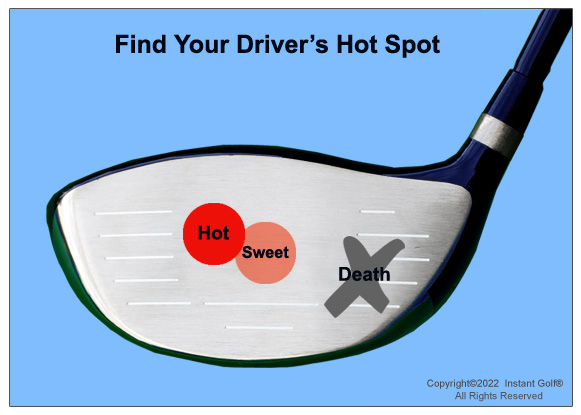
Focus on strike location: Record your practice sessions to identify where you’re hitting the ball on the clubface. Moving from the toe or heel to the sweet spot can gain 8-12 yards immediately.
-
Practice partial swings: Develop three reliable distances with your 9 iron (75%, 90%, and 100% effort) rather than just one full swing distance. This creates versatility similar to tour players.
Why Distance Control Beats Maximum Distance
Tour professionals prioritize distance control over raw yardage with their 9 irons. While they can hit the ball farther, their real advantage comes from hitting the same distance consistently. Amateur golfers would see more immediate scoring benefits by:
- Reducing their distance dispersion from 15+ yards to 8-10 yards
- Learning to hit three distinct distances with their 9 iron
- Understanding how course conditions affect their personal distances
Spending practice time on these fundamentals will lower scores faster than chasing additional yards through equipment changes or swing overhauls.
How to Measure Your True 9 Iron Distance
Accurate distance measurement requires proper methodology that accounts for carry distance, not total distance including rollout. The most reliable approach:
- Find a practice facility with clearly marked distances
- Hit 10 shots with your 9 iron using your normal swing
- Record where each ball first lands (carry distance)
- Calculate the average after removing extreme outliers
Without access to a range with distance markers, use a GPS device or smartphone app that tracks shot distances. Avoid relying on “how far it looked” or yardage books that show total distance—the critical metric is where the ball first lands, which determines how the ball will react on the green.
Understanding your true 9 iron distance transforms your club selection on the course. Instead of guessing between 9 and 8 iron, you’ll make confident decisions based on actual data, leading to more greens in regulation and fewer penalty strokes around the green. This knowledge alone can save you 2-3 strokes per round immediately.