If you’ve recently received an iron infusion and are still struggling with exhaustion, you’re not alone—and your experience is more common than you might think. Fatigue is one of the most pervasive and debilitating symptoms of iron deficiency, prompting many patients to seek treatment through intravenous iron when oral supplements prove insufficient. However, a surprising finding from clinical research suggests that the relationship between iron repletion and fatigue resolution is far more complex than simply “receive iron, feel better.” Understanding the expected timeline for fatigue recovery after iron infusion can help you set realistic expectations and make informed decisions about your ongoing care.
The answer to how long fatigue lasts after iron infusion isn’t straightforward. Clinical evidence reveals that many patients continue experiencing significant fatigue even weeks after their iron levels have been restored to normal. While some individuals notice improvement within a few weeks, others may find that their fatigue persists for two months or longer—or in some cases, shows minimal improvement despite successful iron repletion. This article examines the clinical research behind these findings, explores the factors that influence recovery timelines, and provides practical guidance for managing fatigue during the healing process.
Immediate Fatigue Patterns Within First 72 Hours
During the first forty-eight to seventy-two hours after your iron infusion, your body is actively processing and distributing the intravenous iron throughout your system. Some patients experience mild infusion-related symptoms including headache, dizziness, nausea, or a general sense of malaise. These symptoms are typically transient and resolve within three to seven days post-infusion. Importantly, these immediate post-infusion symptoms can temporarily exacerbate your existing fatigue, creating an illusion that your condition has worsened rather than improved. Resting adequately during this period and avoiding strenuous activities can help your body redirect energy toward iron processing and distribution.
You might notice that certain activities feel more challenging during this initial recovery window. This temporary increase in fatigue occurs because your body is working hard to incorporate the newly introduced iron into your physiological systems. The good news is that these immediate symptoms usually fade quickly, with most patients reporting a return to their pre-infusion fatigue levels within a week. During this time, staying well-hydrated and maintaining balanced nutrition supports your body’s natural recovery processes without requiring significant lifestyle modifications.
Why Your Fatigue Won’t Improve at 6-8 Week Checkup
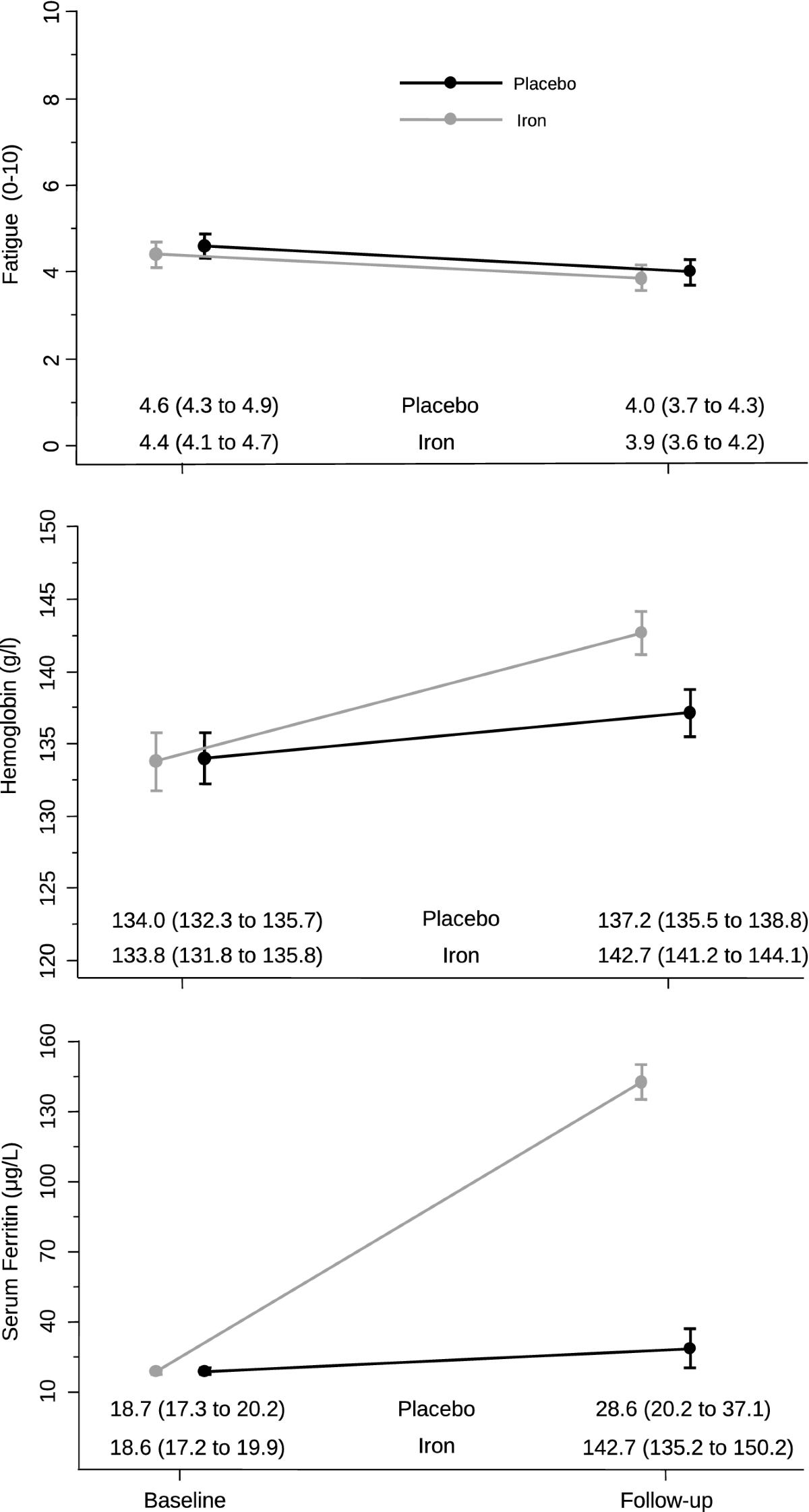
One of the most significant findings from clinical research comes from a major randomized controlled trial that specifically examined fatigue outcomes at six to eight weeks post-infusion. This study, known as the ISUB trial, enrolled over four hundred participants with depleted iron stores and compared fatigue scores between those who received intravenous iron carboxymaltose and those who received a placebo. The results challenge common assumptions about recovery timelines and offer important insights for patients wondering when they should expect improvement.
At the six to eight week assessment point, the study found no clinically or statistically significant difference in fatigue scores between participants who received iron infusion and those who received placebo. The iron supplementation group showed a mean fatigue score of 3.9 out of 10, while the placebo group averaged 4.0 out of 10—a difference so small it could easily be attributed to random variation rather than treatment effect. Despite the iron group showing substantial improvements in both ferritin levels (increasing by approximately 114 µg/L) and hemoglobin concentrations (rising by about 5.7 g/L), these biochemical gains did not translate into meaningful reduction in self-reported fatigue at this timeframe.
What Your Bloodwork Means When Fatigue Persists
Your ferritin levels likely increased dramatically—by as much as 140 µg/L in some cases—while your hemoglobin improved by 5-6 g/L within six to eight weeks. These improvements confirm that your iron infusion successfully addressed the underlying deficiency and that your body has absorbed and utilized the administered iron effectively. Your bone marrow has responded to the increased iron availability by producing new red blood cells, and your iron stores have begun the process of restoration.
However, these biochemical improvements occur independently of and often precede symptomatic improvement by a significant margin. The restoration of normal laboratory values represents necessary but not sufficient conditions for fatigue resolution. While your bloodwork confirms that iron is now available in adequate quantities, your body’s transition from iron-deficient to iron-replete function involves complex physiological adaptations that extend beyond simple marker normalization. Think of the biochemical improvement as the foundation being laid for a house—the foundation is essential, but the house itself (in this case, your energy levels) takes additional time to construct on that foundation.
Factors That Determine Your Personal Fatigue Timeline
Individual experiences with fatigue recovery after iron infusion vary enormously, and understanding the factors that influence this timeline can help you assess where you fall on the spectrum and what variables may be affecting your personal recovery. While every individual’s journey is unique, certain factors consistently emerge as important determinants of how long fatigue persists after iron infusion.
Severity and Duration of Pre-Treatment Iron Deficiency
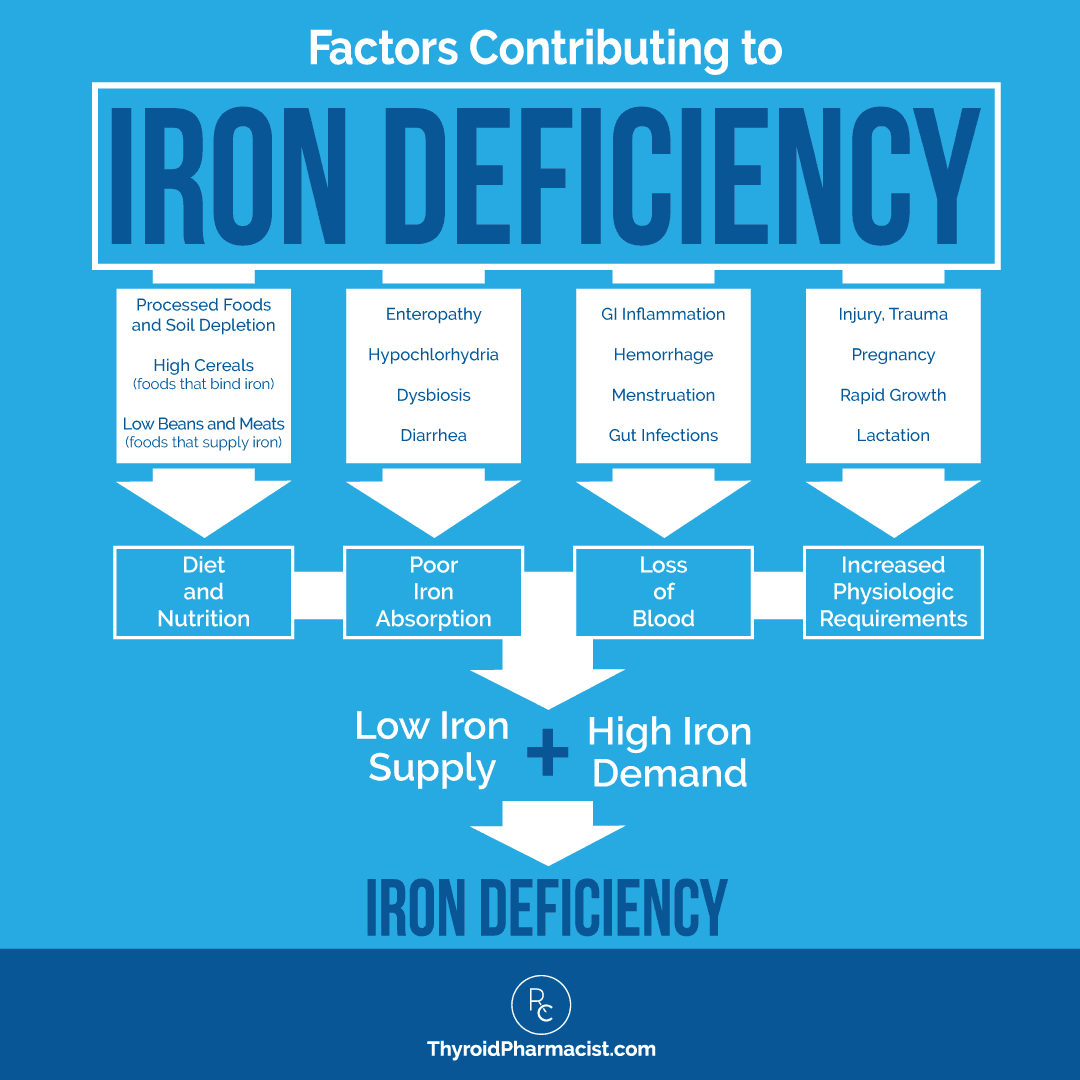
Your body has adapted to functioning in a low-iron environment over time, and reversing these adaptations requires sustained iron repletion over weeks to months. If your ferritin levels were extremely low (below 15 µg/L) before treatment, your recovery may take longer than someone with milder deficiency. Similarly, if you experienced iron deficiency anemia rather than simple deficiency without anemia, your recovery may involve additional time for your body to restore normal red blood cell mass and function. The more prolonged and severe your deficiency was before treatment, the more time your body likely needs to fully recover.
Underlying Health Conditions Impacting Fatigue
Chronic inflammatory conditions, autoimmune disorders, thyroid dysfunction, and other medical problems can independently contribute to fatigue and may slow recovery even after iron deficiency has been corrected. Additionally, the reason for your iron deficiency—whether related to blood loss, malabsorption, dietary insufficiency, or other causes—can affect both the treatment approach and the expected timeline for recovery. Addressing any underlying conditions that contributed to your iron deficiency remains important for preventing recurrence and supporting full recovery.
When to Expect Possible Fatigue Improvement After Iron Infusion
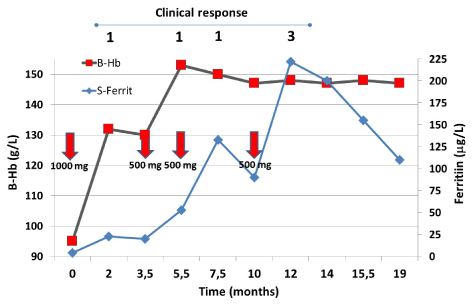
Clinical researchers have noted that the six to eight week assessment window commonly used in studies may not capture the full timeline for fatigue improvement in all patients. The authors of the major trial discussed earlier explicitly acknowledged that “it may take several weeks longer” for the fatigue-decreasing effects of iron supplementation to become fully apparent. This suggests the full therapeutic impact on fatigue might not be realized until ten to twelve weeks post-infusion or beyond in some individuals.
Consider these realistic expectations for fatigue recovery:
- Weeks 1-2: Possible temporary worsening due to infusion side effects
- Weeks 3-6: Biochemical improvements begin but fatigue may remain unchanged
- Weeks 7-10: Some patients start noticing gradual improvement
- Weeks 11-12+: Maximum potential benefit may continue developing
If you’re still experiencing fatigue at the eight-week mark, remember that continued improvement may still occur over the subsequent weeks. However, it’s also important to recognize that some patients with iron deficiency but without anemia may simply not experience substantial fatigue improvement from iron supplementation alone, and additional evaluation for other contributing factors may be warranted.
Recognizing Symptoms That Require Medical Follow-Up
While patience is often appropriate when waiting for fatigue to improve after iron infusion, certain symptoms warrant prompt medical evaluation. Knowing when to contact your healthcare provider ensures that any complications or alternative diagnoses are identified and addressed promptly.
You should contact your healthcare provider if:
– Your fatigue worsens significantly after initially improving
– You experience no improvement whatsoever after twelve weeks despite documented biochemical improvement
– You develop new symptoms alongside your fatigue, such as unexplained weight changes or gastrointestinal issues
– You experience signs of infusion complications like difficulty breathing, chest pain, or severe headache
Red flag symptoms that require immediate medical attention include:
– Difficulty breathing
– Chest pain
– Severe headache
– Dizziness that worsens over time
– Significant swelling at the infusion site
Effective Strategies to Support Fatigue Recovery
While your body recovers from iron deficiency, several supportive measures can help optimize your energy levels and overall wellbeing during the transition period. These approaches complement your iron infusion treatment and address the practical challenges of living with persistent fatigue while waiting for full recovery.
Sleep and Rest Optimization
Prioritizing sleep hygiene becomes particularly important during fatigue recovery. Implement these specific strategies:
– Maintain consistent sleep and wake times, even on weekends
– Create a restful sleep environment with complete darkness and cool temperature
– Limit caffeine after noon and avoid screens for at least one hour before bed
– Consider short, scheduled rest periods during the day rather than prolonged naps
Gradual Activity Reintroduction
Start with gentle exercise like walking for 10-15 minutes daily and gradually increase as tolerated. Pay attention to how your body responds and adjust accordingly. Many patients find that consistent, low-intensity activity actually improves energy levels over time, despite initial fatigue. Listen to your body’s signals—pushing too hard too soon can set back your recovery.
Managing Expectations for Lasting Fatigue Resolution
Navigating fatigue recovery after iron infusion requires patience, realistic expectations, and ongoing communication with your healthcare provider. The clinical evidence paints a nuanced picture that challenges simple assumptions about the timeline for energy restoration, but understanding this complexity ultimately empowers you to make informed decisions about your care.
The most important takeaway is that biochemical improvement in iron parameters does not guarantee immediate or even eventual resolution of fatigue symptoms. If you’re still experiencing fatigue after iron infusion, remember that you’re not alone and that your experience aligns with what clinical research has documented in many patients. Whether your fatigue eventually improves with additional time, requires treatment of additional contributing factors, or necessitates investigation of alternative diagnoses, informed patience combined with proactive healthcare engagement gives you the best chance at eventual recovery.
Continue monitoring your symptoms and maintaining open communication with your healthcare provider about your progress. They can help determine whether additional interventions might be beneficial or if further investigation is needed to address persistent fatigue. Remember that successful iron repletion is a critical step in your recovery journey, even if the full benefits take longer to manifest than you initially hoped.