Iron deficiency affects millions worldwide, yet many people start supplementation without understanding how long it takes to see results. If you’ve recently begun taking iron supplements due to fatigue, weakness, or a diagnosed deficiency, you’re probably wondering when you’ll start feeling better. The truth is, iron supplementation isn’t an overnight fix—it follows specific biological timelines that depend on multiple factors. Without proper expectations, many people abandon treatment too soon or become frustrated with the process. This guide explains exactly what to expect, when to see improvements, and what factors influence how quickly iron works in your body.
Iron Absorption Timeline: From Pill to Bloodstream

Iron begins its journey the moment you swallow your supplement, but the absorption process is complex and happens in stages. Understanding this timeline helps set realistic expectations for when you might start noticing changes.
How Iron Gets Absorbed in Your Digestive System
Your body absorbs iron primarily in the duodenum (the first part of your small intestine), but this process takes time and faces multiple hurdles. When you take an iron supplement on an empty stomach, absorption begins within 15-30 minutes, but complete absorption of a single dose typically takes 2-4 hours. The iron must convert to its absorbable form (ferrous iron), pass through intestinal cells, and enter your bloodstream as transferrin-bound iron. During this process, only about 10-30% of the iron in your supplement actually gets absorbed—the rest passes through your system. This limited absorption rate is why consistent daily dosing matters more than taking massive single doses.
Factors That Speed Up or Slow Down Iron Absorption
Several factors directly impact how quickly your body can absorb supplemental iron. Taking iron with vitamin C-rich foods or beverages can boost absorption by up to 300%, while calcium, coffee, tea, and certain medications can reduce absorption by 50% or more. Your current iron status also plays a role—when you’re severely deficient, your body becomes more efficient at absorbing iron (sometimes up to 35% absorption versus the typical 10-15% in people with normal levels). Gut health conditions like Crohn’s disease or celiac disease can significantly slow absorption, potentially doubling the time needed to see results from supplementation.
When You’ll Notice Symptom Improvement

Understanding the difference between absorption time and symptom relief is crucial—just because iron enters your bloodstream doesn’t mean you’ll immediately feel better. Your body needs time to incorporate that iron into new red blood cells and restore depleted stores.
Early Energy Changes (2-4 Weeks)
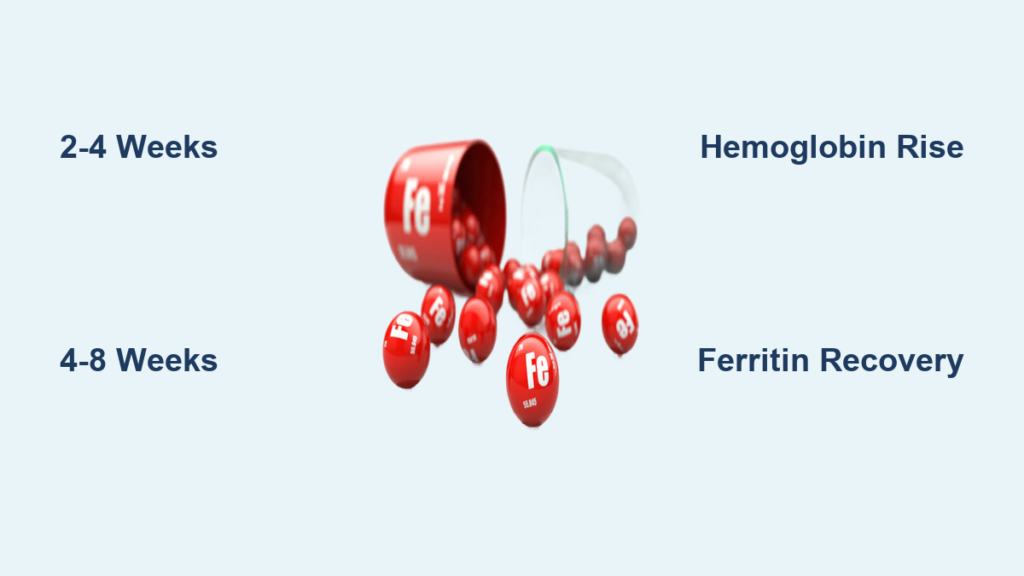
Most people notice subtle improvements in fatigue and mental clarity within 2-4 weeks of consistent supplementation. This early improvement happens because your bone marrow starts incorporating the newly absorbed iron into hemoglobin production. However, these initial changes are often modest—you might feel slightly less tired in the afternoons or notice improved concentration during work tasks. Don’t expect dramatic energy boosts this early; significant symptom relief typically takes longer. If you don’t notice any improvement after 4 weeks, consult your healthcare provider—your dosage may need adjustment or there could be absorption issues.
Significant Symptom Relief (4-8 Weeks)
The most noticeable improvements typically occur between 4-8 weeks of consistent supplementation. During this period, your hemoglobin levels begin rising substantially as your body produces new, iron-rich red blood cells to replace older ones. People commonly report:
– Reduced shortness of breath during mild exercise
– Improved exercise tolerance and stamina
– Better temperature regulation (less cold sensitivity)
– Noticeable reduction in heart palpitations
– Clearer thinking and improved memory
This timeframe aligns with the average lifespan of red blood cells—you need to replace a significant portion of your blood volume with iron-rich cells before major symptoms improve. Consistency is critical during this phase; skipping doses extends the timeline considerably.
Blood Test Markers and Their Timelines
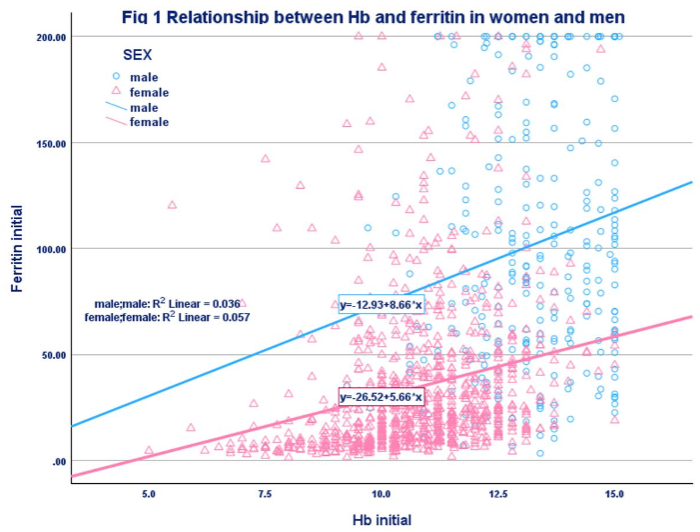
Understanding how different blood markers respond to iron supplementation helps interpret your progress accurately. Each marker follows its own timeline for improvement.
Hemoglobin Levels: The 2-3 Month Milestone
Hemoglobin—the protein in red blood cells that carries oxygen—typically shows measurable improvement within 2-3 months of consistent supplementation. Most people see their hemoglobin rise by about 1 g/dL every 2-4 weeks with proper treatment. However, reaching completely normal levels often takes 3-6 months, depending on the severity of your initial deficiency. Doctors typically order follow-up blood tests at the 2-month mark to assess treatment effectiveness. If your hemoglobin hasn’t increased by at least 1-2 g/dL by this point, your healthcare provider may investigate potential absorption issues or alternative causes for your anemia.
Ferritin Recovery: The 3-6 Month Process
While hemoglobin measures circulating iron, ferritin reflects your body’s iron stores—the backup supply your body draws from when needed. Restoring ferritin levels takes significantly longer than improving hemoglobin. Most people need 3-6 months of continued supplementation after their hemoglobin normalizes to fully replenish iron stores. This is why doctors often recommend continuing iron supplementation for several months after symptoms improve and blood work normalizes. Stopping too soon leads to rapid recurrence of deficiency. Target ferritin levels typically range from 30-100 ng/mL for optimal health, though exact targets vary based on individual health factors.
Why Some People See Results Faster Than Others
Not everyone experiences the same timeline for iron supplementation effectiveness. Several key factors create significant variation in how quickly iron works for different individuals.
Formulation Differences Matter
Different iron supplements absorb at different rates. Ferrous sulfate (the most common form) contains 20% elemental iron and typically shows results within standard timelines. Ferrous gluconate (12% elemental iron) may require higher doses for the same effect, potentially extending the timeline. Newer formulations like ferrous bisglycinate often cause fewer gastrointestinal side effects, allowing for better absorption and potentially faster results for people who couldn’t tolerate traditional iron supplements. Liquid iron supplements may be absorbed slightly faster than pills for some people, though evidence is mixed.
Underlying Health Conditions That Delay Results
Certain medical conditions significantly extend how long iron takes to work. Autoimmune conditions like rheumatoid arthritis can cause “anemia of chronic disease” that doesn’t respond to standard iron supplementation. Untreated celiac disease damages the intestinal lining where iron absorbs, potentially doubling or tripling the time needed to see results. Heavy menstrual bleeding, undiagnosed gastrointestinal bleeding, or chronic kidney disease can continually deplete iron stores, making it difficult to build up levels even with consistent supplementation. Always discuss persistent symptoms with your doctor—they may need to investigate these underlying issues.
Maximizing Your Iron Supplement Effectiveness
You can significantly influence how quickly iron works by optimizing your supplementation approach. These evidence-based strategies help accelerate results.
Optimal Timing and Food Pairings
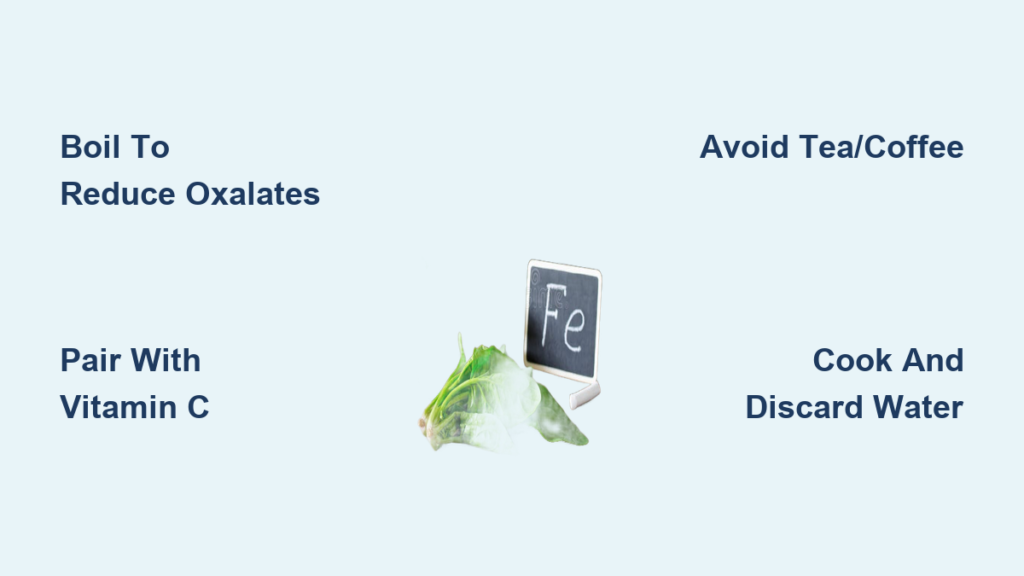
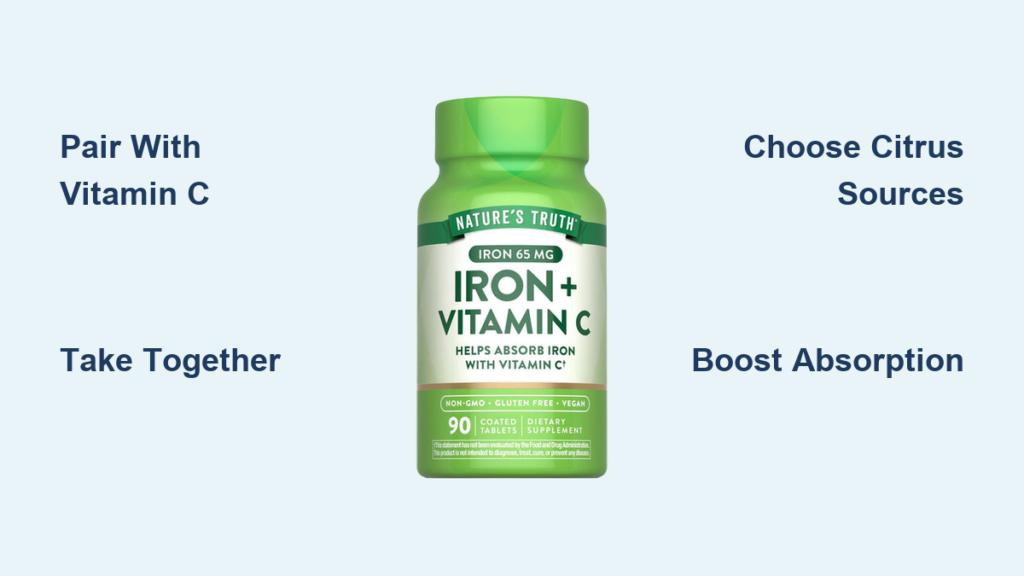
Take your iron supplement on an empty stomach (1 hour before or 2 hours after meals) for maximum absorption, unless gastrointestinal side effects make this impossible. When taking iron with food is necessary, pair it with vitamin C-rich foods like orange juice, strawberries, or bell peppers to boost absorption. Avoid calcium-rich foods, coffee, tea, and antacids within 2 hours of your iron dose, as these can reduce absorption by up to 50%. If you take multiple medications, consult your pharmacist about optimal timing to prevent interactions that might affect iron absorption.
Consistency Is More Important Than Dosage
Taking your iron supplement at the same time every day matters more than occasional high doses. Missing just 2-3 doses per week can extend your treatment timeline by weeks or even months. If you experience gastrointestinal side effects that make consistent dosing difficult, talk to your doctor about switching formulations rather than skipping doses. Some people benefit from splitting their daily dose into two smaller amounts taken 12 hours apart, which can improve tolerance while maintaining consistent iron levels in the bloodstream.
Final Note: Iron supplementation follows biological timelines you can’t rush—typically 2-3 months for significant symptom improvement and 3-6 months to fully restore iron stores. Be patient with the process while optimizing your approach through proper timing, food pairings, and consistent dosing. If you don’t notice any improvement after 4 weeks or complete normalization after 3 months, consult your healthcare provider to reassess your treatment plan. Remember that restoring iron levels is just the first step; maintaining those levels through diet and potential continued supplementation prevents recurrence of deficiency symptoms.