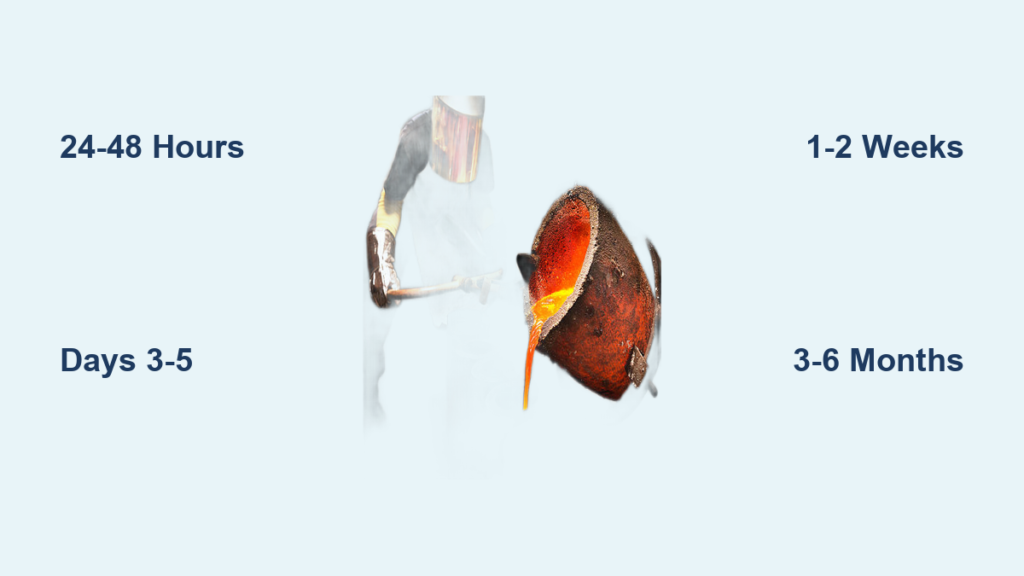
You’ve started taking liquid iron supplements, but the fatigue and brain fog haven’t lifted yet. How long does it take for liquid iron to work before you finally feel like yourself again? Understanding the precise timeline for liquid iron effectiveness can prevent unnecessary frustration and help you track your progress accurately. Most people experience subtle improvements within days, but complete restoration of iron stores requires months—knowing this difference is crucial for managing expectations and avoiding premature discontinuation of your supplement regimen.
Iron deficiency develops gradually over time, and reversing it follows a similar pattern. Your body must rebuild depleted iron reserves while simultaneously producing new red blood cells to carry oxygen throughout your system. While some individuals notice changes within 48 hours, others wait weeks for significant improvement. This variation stems from multiple factors including your initial deficiency severity, supplement formulation, and how effectively your body absorbs the iron. By understanding exactly what to expect at each stage, you can determine whether your liquid iron supplement is working properly or if you need to adjust your approach.
Why Liquid Iron Absorption Happens Faster Than Pills
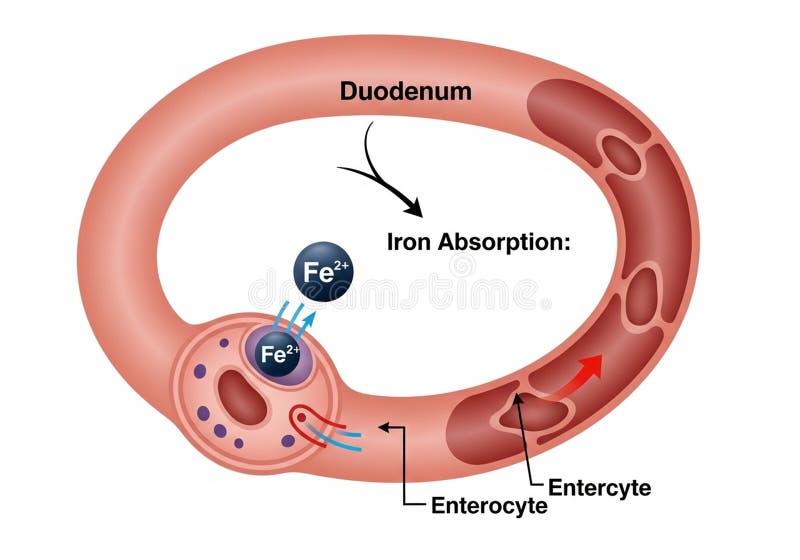
Liquid iron supplements bypass the dissolution phase required for tablets, making iron molecules immediately available for absorption through your small intestine lining. When you swallow liquid iron, the dissolved iron molecules don’t need to break down first—they’re already in a form your body can absorb directly through the duodenum and upper jejunum. This immediate availability creates a significant advantage over traditional pills that must dissolve completely before absorption can begin.
Your body regulates iron absorption through hepcidin, a hormone acting as your personal iron thermostat. When iron levels run low, hepcidin decreases to allow maximum absorption; when stores are sufficient, it increases to prevent excess accumulation. In iron-deficient individuals, this system essentially opens the floodgates, accelerating absorption rates. Liquid iron capitalizes on this open window by delivering iron in its most readily absorbable form right when your body needs it most.
The bioavailability difference between liquid and pill forms can be substantial—liquid iron often achieves 25-30% absorption rates compared to 10-15% for standard ferrous sulfate tablets. However, this efficiency depends heavily on your consumption habits. Taking liquid iron with vitamin C-rich foods can double absorption by converting iron to its more absorbable ferrous form, while calcium, coffee tannins, and whole grain phytates can bind to iron and prevent uptake. Optimizing these variables significantly impacts how quickly you’ll see results.
First Signs of Improvement Within Days
Most people notice subtle but meaningful changes within three to five days of consistent liquid iron supplementation. These initial effects typically manifest as increased energy levels and improved mental clarity, though physical improvements may take slightly longer. Your body begins replenishing iron stores immediately, supporting cellular energy production throughout your system even before blood counts change significantly.
Some individuals experience noticeable improvements within 24-48 hours, particularly if their deficiency was mild rather than severe. This rapid response usually presents as a subtle lifting of fatigue—you might find yourself needing fewer naps or relying less on caffeine to get through the day. Many describe it as finally having the energy to complete household tasks without collapsing afterward, though these early improvements often feel incremental rather than dramatic.
The first week typically brings the most noticeable day-to-day changes as your intestinal cells begin storing ferritin, the protein that holds iron reserves. If you’re not noticing any difference after seven days of consistent dosing, don’t panic—this doesn’t necessarily indicate a problem. Severe deficiencies simply require more time before visible improvement occurs, and laboratory confirmation through blood work remains the most reliable indicator of progress.
How Cognitive Improvements Appear Before Physical Changes
Brain fog and difficulty concentrating typically improve first, often within the initial week of supplementation. Iron supports neurotransmitter production and myelin formation, so restoring adequate levels quickly enhances brain function. You might notice you can focus better at work, remember appointments more easily, or stop misplacing your keys constantly.
Physical fatigue and exercise intolerance usually follow cognitive improvements, starting within one to two weeks. Everyday activities like climbing stairs or carrying groceries become noticeably easier as your body begins producing new red blood cells. By the end of the second week, many people report being able to exercise longer without extreme exhaustion.
Pale skin and brittle nails take longer to resolve, typically showing visible improvement between two to four weeks. These cosmetic changes reflect deeper tissue-level iron restoration rather than just blood cell production. Your body prioritizes essential functions first, so skin color and nail strength improve after critical iron-dependent processes have been restored.
Critical Factors That Speed Up or Slow Down Results

The severity of your initial deficiency significantly impacts how long it takes for liquid iron to work. Mild deficiencies with borderline-low ferritin levels might show substantial improvement within one to two weeks, while severe anemia with ferritin below 15 ng/mL could require four to six weeks before noticeable changes occur. Your body must rebuild substantial iron reserves before experiencing full benefits, following the natural pace of red blood cell production.
Your personal absorption efficiency depends heavily on gut health and dietary habits. Conditions like celiac disease or inflammatory bowel disease can significantly impair iron uptake regardless of supplement form. Even in healthy individuals, taking liquid iron with coffee, tea, or dairy products can reduce absorption by up to 60%, dramatically extending your timeline for results. Conversely, pairing it with vitamin C-rich foods can triple absorption rates, potentially cutting your waiting time in half.
The timing of your dose relative to meals makes a substantial difference in effectiveness. Taking liquid iron 30 minutes before eating or two hours after a meal typically yields optimal absorption. If stomach discomfort occurs when taking it on an empty stomach, try waiting one hour after a light meal that doesn’t contain absorption inhibitors like calcium or high-fiber foods.
Avoid These Common Mistakes That Delay Results
Inconsistent dosing represents the single biggest reason people don’t see expected results from liquid iron supplements. Skipping doses or taking supplements sporadically prevents the consistent blood levels needed for optimal absorption. Iron absorption actually increases when your body senses regular intake, so establishing a daily routine matters more than occasional high doses. Set a phone reminder or pair your supplement with an existing habit like brushing your teeth to ensure consistency.
Taking iron with absorption inhibitors unknowingly sabotages your efforts. Many people take their supplement with morning coffee or tea without realizing tannins can reduce iron uptake by up to 60%. Similarly, calcium-containing antacids, dairy products, or multivitamins create competition for absorption pathways. Space these items at least two to three hours away from your iron dose to maximize effectiveness.
Prematurely stopping supplementation once you start feeling better causes many people to relapse into deficiency. Initial improvements typically appear before iron stores are fully restored, so discontinuing too soon halts the repletion process midway. Follow your healthcare provider’s recommended duration, which usually spans several months, to ensure complete restoration of iron reserves and prevent symptom recurrence.
When to Expect Complete Recovery
Substantial symptom relief typically occurs within two to four weeks of consistent daily supplementation. By this point, energy levels improve significantly, cognitive function normalizes, and physical activity tolerance increases. However, this represents only partial restoration—your body has begun rebuilding stores but hasn’t yet achieved the full replenishment needed for long-term stability.
Complete repletion of iron stores generally requires three to six months of continued supplementation, even after symptoms resolve. This extended timeline allows your body to build adequate ferritin reserves and ensure all iron-dependent processes have fully recovered. Stopping prematurely often results in relapse because your body hasn’t built sufficient reserves to maintain normal function.
Laboratory confirmation through blood work provides definitive proof that your iron levels are improving. Most healthcare providers recommend rechecking iron studies after four to eight weeks. Rising ferritin indicates increasing stored iron, while improvements in hemoglobin and hematocrit show new red blood cell production. These objective measures confirm whether subjective improvements reflect genuine physiological changes.
Signs Your Liquid Iron Supplement Is Working Properly

Positive signs that your body is absorbing and utilizing iron effectively include gradual energy improvements by the second week. You might sleep less yet feel more rested, or complete daily tasks without frequent exhaustion. Many describe a general sense of feeling “more like themselves” as the most reliable early indicator that the supplement is working.
Physical signs emerge gradually as visible confirmation of internal improvements. Your skin may lose its pale, yellowish cast and return to a healthier color, particularly noticeable in lips, nail beds, and inner eyelids. Cold hands and feet often warm up as improved oxygen delivery enhances circulation. Exercise tolerance typically increases—you’ll notice less windedness climbing stairs or walking longer distances.
If you’ve been taking liquid iron consistently for more than eight weeks without any noticeable improvement, consult your healthcare provider. This could indicate absorption issues, incorrect dosage, or underlying conditions requiring different treatment approaches. Don’t assume the supplement isn’t working—sometimes professional guidance makes all the difference in achieving optimal results.
Understanding how long it takes for liquid iron to work prevents unnecessary frustration and helps you track progress accurately. While initial improvements often appear within days, complete restoration requires months of consistent supplementation. By optimizing your absorption strategy, avoiding common pitfalls, and maintaining realistic expectations, you’ll maximize the effectiveness of your liquid iron supplement and finally regain the energy you’ve been missing. Remember that patience and consistency are key—your body didn’t become deficient overnight, and full recovery follows a similar timeline.