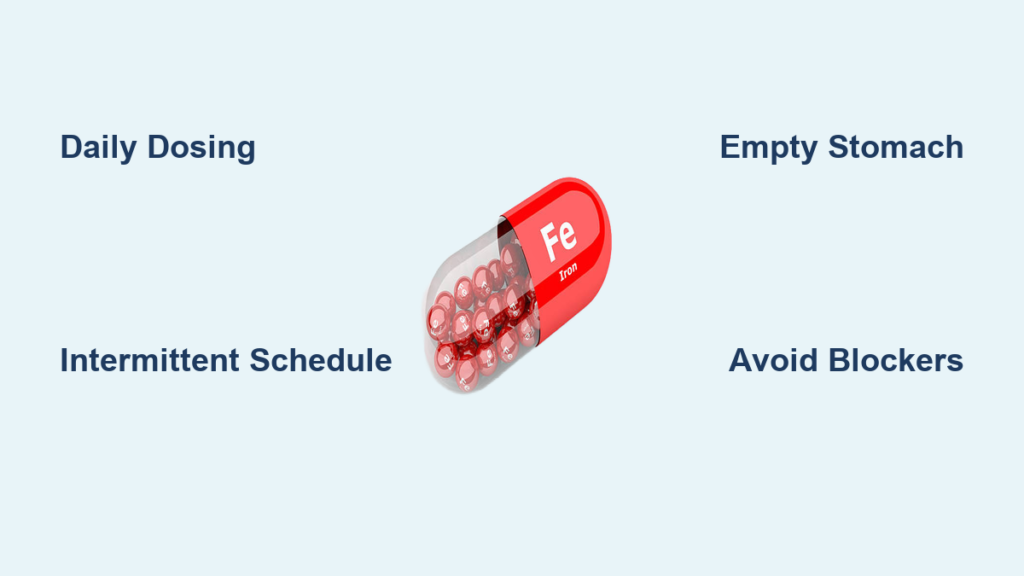
That morning fatigue that won’t quit, the unexplained weakness, the pale complexion—these could all signal iron deficiency anemia affecting millions worldwide. Determining exactly how often to take iron supplements transforms treatment from frustrating to effective, balancing optimal absorption with manageable side effects. The right dosing schedule can mean the difference between successfully rebuilding your iron stores and abandoning supplementation due to uncomfortable gastrointestinal issues. This guide cuts through the confusion with evidence-based recommendations backed by clinical research, helping you work with your healthcare provider to establish a personalized regimen that fits your lifestyle while maximizing results.
Daily Iron Dosing: When to Take It Every Day
Standard Two-Month Treatment Phase for Anemia
If your blood tests confirm iron deficiency anemia, your doctor will likely prescribe daily iron supplements for an initial two-month period. During this phase, your body focuses on normalizing blood counts and beginning the process of rebuilding depleted iron reserves. Most people notice improved energy levels and reduced symptoms within this timeframe as hemoglobin levels gradually increase. However, stopping supplementation after just two months would be premature—your blood parameters may look normal, but your bone marrow iron stores remain significantly depleted.
Extended Six-to-Twelve Month Maintenance Period
The critical second phase of daily supplementation extends six to twelve months beyond the initial two-month treatment period. This extended duration addresses the fundamental reality that replenishing your body’s iron stores takes considerably longer than normalizing blood counts. Your healthcare provider will determine the exact length based on your specific deficiency severity and how well you tolerate the supplements. The standard tablet contains 325 mg of ferrous sulfate, though alternatives like ferrous gluconate or ferrous fumarate may be recommended if gastrointestinal side effects become problematic. Never self-prescribe higher doses—excessive iron intake can cause serious medical complications requiring immediate attention.
Intermittent Dosing: Why Taking Iron 1-3 Times Weekly Works
How Non-Consecutive Day Scheduling Maximizes Tolerance
Taking iron supplements just one, two, or three times per week on non-consecutive days represents a research-backed alternative to daily dosing with comparable effectiveness for most people. A comprehensive Cochrane review analyzing 25 randomized controlled trials involving nearly 11,000 participants found that women receiving intermittent supplementation showed significantly reduced anemia risk compared to those receiving no treatment, with hemoglobin concentrations improving by an average of 5.19 g/L. The key advantage? Women on intermittent schedules were 59% less likely to experience adverse side effects compared to daily users, dramatically improving long-term adherence to treatment protocols.
Why Weekly Frequency Doesn’t Matter as Much as You Think
Surprisingly, research indicates that whether you take iron once or twice weekly produces similar results. The total weekly elemental iron content (whether less than or more than 60 mg) shows no significant impact on effectiveness. Similarly, supplementation duration—whether less than or greater than three months—doesn’t meaningfully alter outcomes. This flexibility allows you to personalize your schedule based on individual tolerance. For menstruating women and others at risk for deficiency, intermittent supplementation provides effective iron maintenance without the burden of daily dosing. The improved tolerability often means the difference between completing treatment and abandoning it due to uncomfortable side effects.
When to Take Iron for Maximum Absorption
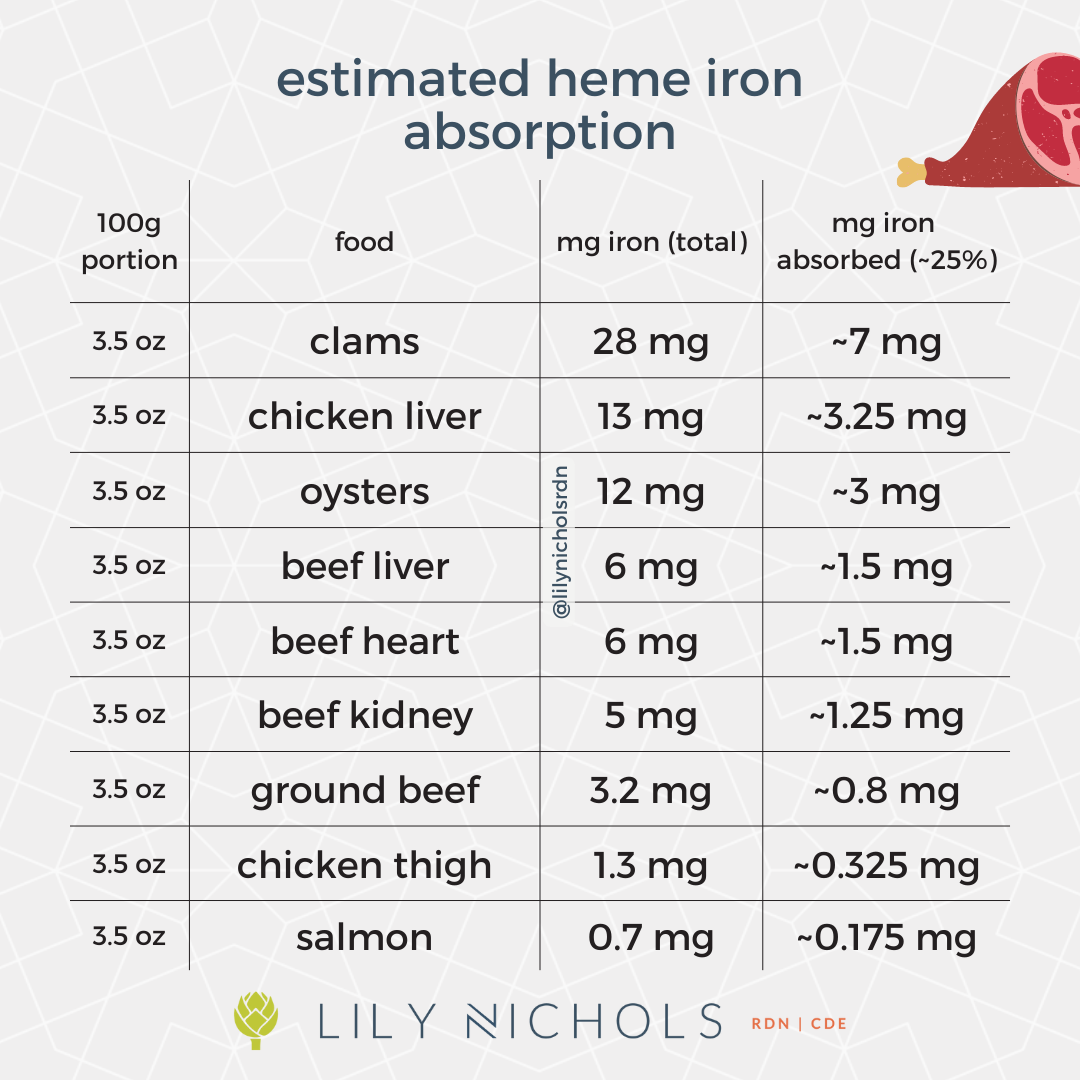
Empty Stomach vs. Food: The Absorption Trade-Off
Iron supplements absorb best when taken on an empty stomach, as food components significantly interfere with uptake. However, this ideal scenario often clashes with reality—many people experience stomach cramps, nausea, or diarrhea when taking iron without food. If these side effects become problematic, take your supplement with a small amount of food, understanding this will reduce absorption efficiency by approximately 50-60%. For intermittent dosing schedules, this trade-off becomes particularly important to consider when planning your supplementation days.
Critical Timing Rules to Avoid Absorption Blockers
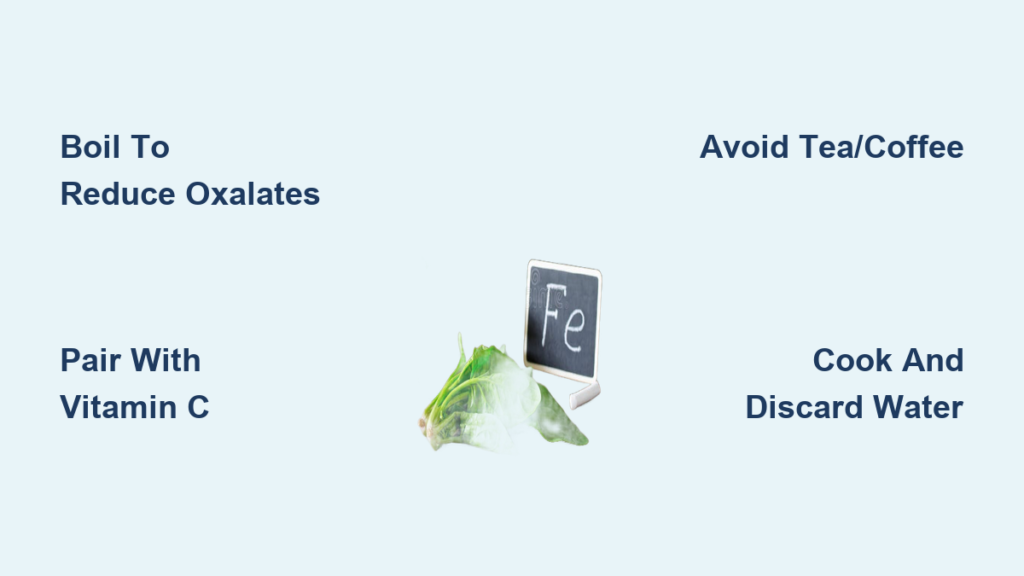
Wait at least two hours after consuming calcium-rich foods, dairy products, or antacids before taking your iron supplement. Similarly, avoid high-fiber foods like whole grains, raw vegetables, and bran around supplementation time. Caffeine-containing beverages (coffee, tea, soda) also inhibit iron absorption, so schedule your iron dose at least one hour before or two hours after your morning coffee. For maximum absorption:
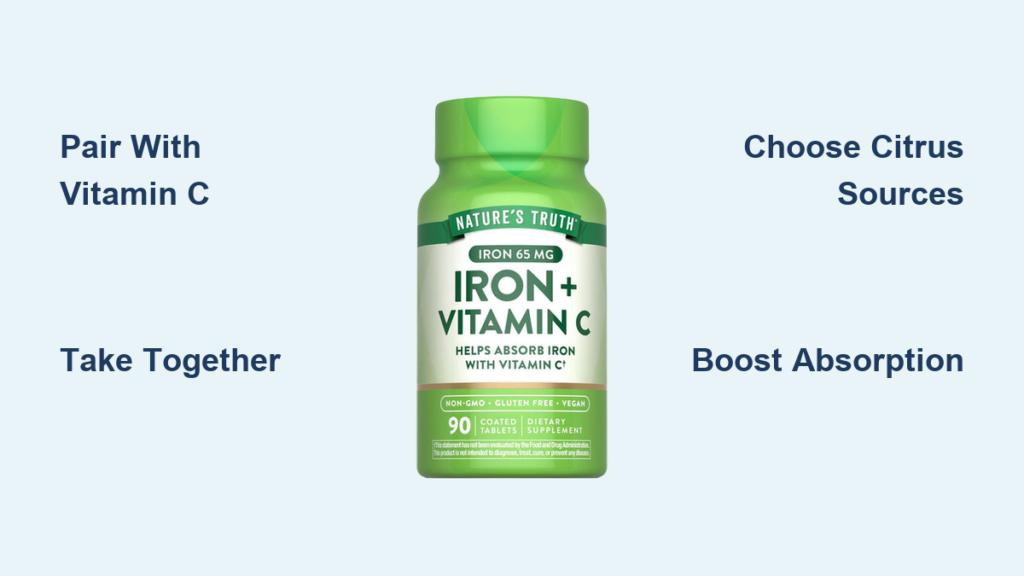
- Take iron with 8 ounces of orange juice or a 250mg vitamin C supplement
- Space doses at least 2 hours from calcium supplements or dairy
- Avoid tea and coffee around supplementation times
- Drink adequate water with your pill to aid swallowing
Fix Common Iron Supplement Side Effects Fast
:max_bytes(150000):strip_icc()/do-iron-supplements-for-anemia-cause-upset-stomach-3522504-01-a8806fc982ab45998d75000e183bc406.png)
Stop Constipation Without Compromising Treatment
Constipation affects up to 30% of iron supplement users and often leads to discontinued treatment. Instead of quitting your regimen, try these evidence-based solutions:
– Increase water intake to at least 8 glasses daily
– Add magnesium citrate (200-400mg) to your routine
– Use docusate sodium as a stool softener
– Take iron every other day rather than daily
Nausea and vomiting, which affect approximately 20% of users, often respond well to smaller, more frequent doses or switching to a gentler formulation like ferrous bisglycinate. Black stools represent a normal, harmless side effect indicating iron passage through your digestive tract—only become concerned if accompanied by abdominal pain or other unusual symptoms.
Prevent Tooth Staining from Liquid Iron Preparations
If using liquid iron supplements, mix the dose with water, fruit juice, or tomato juice and drink through a straw to minimize tooth contact. For existing stains, brush teeth with a paste of baking soda and water or use a diluted hydrogen peroxide solution. Store all iron supplements in a cool, dry place away from bathroom humidity, and keep them completely out of children’s reach—iron overdose represents a medical emergency requiring immediate poison control contact.
Menstruating Women: Special Dosing Considerations
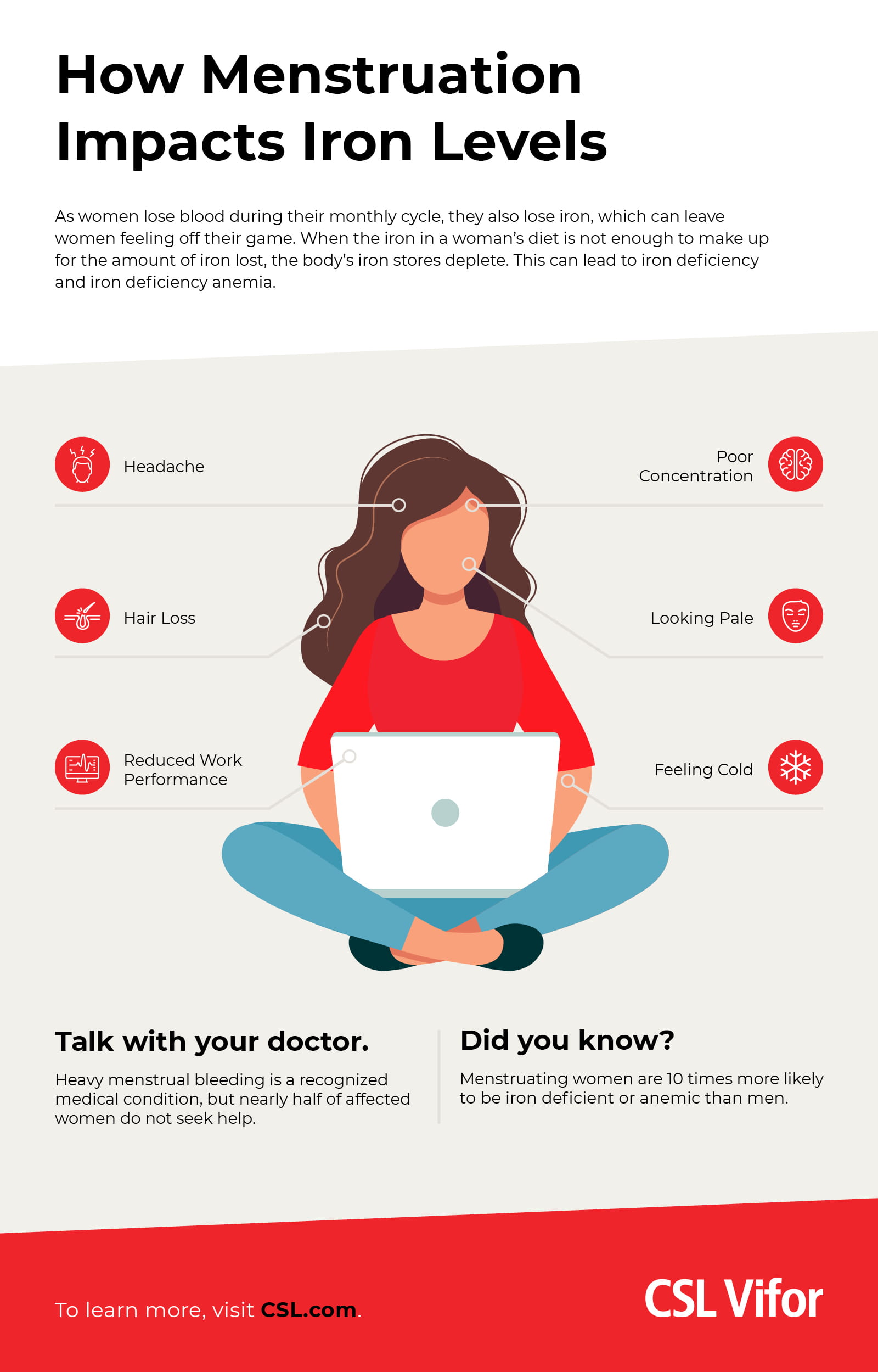
Why 1 in 3 Women Need Strategic Supplementation
Approximately one-third of non-pregnant women of reproductive age globally suffer from anemia, making iron supplementation a critical health consideration. Anemia in women leads to reduced energy for physical work and increased infection susceptibility, while most women enter pregnancy already anemic—placing them at greater risk for low birth weight babies and delivery complications. For this population, intermittent supplementation proves particularly effective for reducing anemia and improving hemoglobin concentrations with fewer side effects than daily dosing.
Customizing Your Monthly Schedule Around Menstruation
Time your iron supplementation to counteract monthly blood loss by:
– Starting intermittent doses 3-4 days before your period begins
– Taking iron daily during your heaviest flow days
– Continuing your chosen regimen (daily or intermittent) through the follicular phase
– Tracking symptoms to identify your optimal schedule
Pregnant women require completely different supplementation protocols outside the scope of general guidelines—always work with your obstetric provider to determine appropriate iron intake during pregnancy. Your individual circumstances—including deficiency severity, formulation tolerance, lifestyle, and health conditions—should guide your decision about how often to take iron supplements. Both daily and intermittent approaches require full treatment duration to successfully replenish iron stores and prevent deficiency recurrence.
Final Note: Consistent iron supplementation following evidence-based timing protocols transforms treatment success. Whether choosing daily or intermittent dosing, prioritize absorption optimization, side effect management, and full treatment duration to rebuild your iron stores effectively. Always consult your healthcare provider before starting or adjusting iron supplementation, as proper medical guidance ensures both safety and effectiveness in addressing your specific needs.