A dirty iron base plate can turn your simple ironing task into a frustrating ordeal. Streaks, sticky residue, and burnt-on fabric fibers cling to your clothes instead of smoothing them out. If you’ve noticed your iron leaving marks on fabrics or struggling to glide smoothly, you’re dealing with a contaminated soleplate that needs immediate attention. This guide reveals proven cleaning techniques that restore your iron’s performance without damaging its delicate surface. You’ll learn how to safely remove stubborn buildup using household items you already have, avoid common cleaning mistakes that could ruin your appliance, and establish a maintenance routine that keeps your iron working like new for years to come.
Immediate Solutions for Sticky Iron Base Plates
When your iron starts leaving sticky residue on clothes, quick action prevents permanent damage to both your appliance and garments. The most effective immediate solution depends on the severity of buildup and your iron’s specific soleplate material.
How to Remove Light Starch and Fabric Fiber Buildup
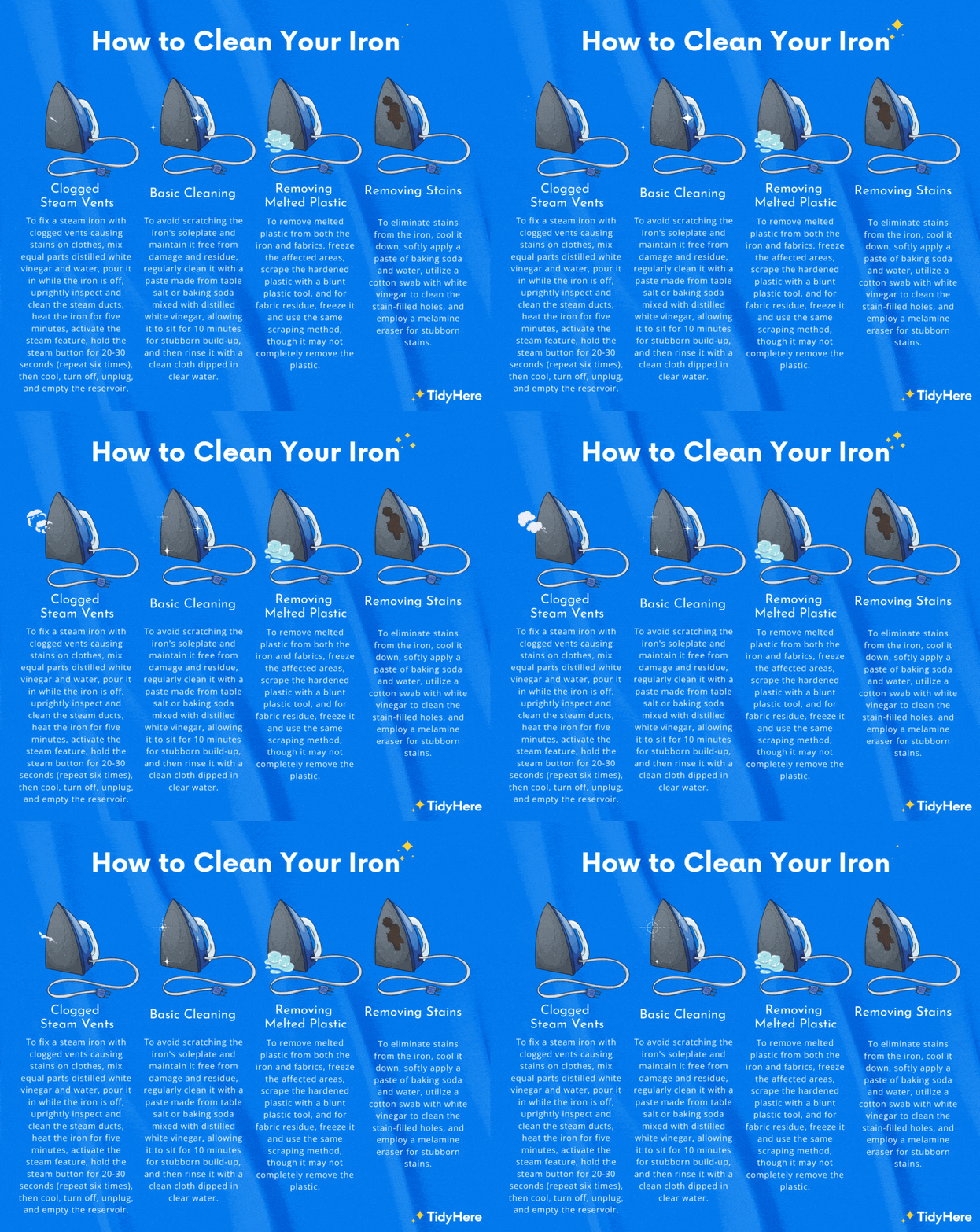
Light buildup from frequent ironing appears as cloudy film that slightly reduces glide. This common issue develops gradually as starch accumulates from treated fabrics. Create a cleaning paste using two parts baking soda to one part water until it reaches toothpaste consistency. Unplug your completely cooled iron and apply the paste to a soft cloth rather than directly to the soleplate. Gently rub in small circular motions, focusing on problem areas while avoiding steam vents. Wipe clean with a separate damp cloth and finish by ironing several layers of plain paper to remove any residue. This method works for most standard soleplates and takes less than five minutes to complete.
Removing Burnt Fabric Residue Without Scratching
Burnt fabric particles create dark spots that transfer to your clothes during ironing. Never use metal scrapers or abrasive pads that permanently scratch the non-stick surface. Instead, heat your iron to its lowest setting for just 30 seconds to soften the residue. Dip a soft toothbrush in white vinegar and gently scrub the affected areas. For stubborn spots, mix equal parts salt and vinegar to create a mildly abrasive paste that won’t damage the coating. Apply with the toothbrush using light pressure, then wipe clean with a microfiber cloth. Always unplug and cool the iron completely before attempting this method to prevent accidental burns.
Deep Cleaning Methods for Severely Contaminated Soleplates
When regular maintenance fails to address years of buildup, your iron needs professional-level cleaning without professional costs. These intensive methods restore heavily damaged soleplates to near-factory condition.
Using Iron Cleaner Sticks for Professional Results at Home

Specialized iron cleaner sticks contain compounds formulated specifically for soleplate materials. These white crayon-like sticks melt at low temperatures to penetrate deep into scratches and pores. Heat your iron to the cotton setting without steam, then rub the cleaner stick across the cool soleplate. Turn on the iron to melt the compound, which will turn yellow as it absorbs contaminants. Immediately wipe with a clean cloth while the compound is still liquid. Repeat until the wiped compound remains white. This method works particularly well on Teflon and ceramic soleplates that traditional cleaners might damage.
Why Magic Erasers Work (and When to Avoid Them)
Magic Erasers contain melamine foam that acts as a super-fine abrasive when wet. For stainless steel soleplates, dampen the eraser and gently rub problem areas with minimal pressure. The foam’s microscopic structure lifts away buildup without visible scratching. However, never use Magic Erasers on non-stick coated soleplates as they will degrade the protective layer. Test on an inconspicuous area first, and always follow with a vinegar wipe to remove any melamine residue that could transfer to fabrics.
Specialized Cleaning for Different Iron Types
Not all irons respond to the same cleaning methods. Using inappropriate techniques can void warranties or cause permanent damage to specialized soleplates.
Cleaning Steam Iron Base Plates Without Clogging Vents
Steam irons require extra caution around vent holes that can become clogged during cleaning. Never submerge any part of a steam iron in liquid. Instead, fill the water reservoir with equal parts white vinegar and distilled water. Run the iron on high heat over newspaper until the reservoir empties, allowing the vinegar solution to clean internal steam passages. After cooling, use a cotton swab dipped in vinegar to clean around vent holes without pushing debris inside. Finish by running two reservoirs of plain distilled water to flush the system.
Ceramic Soleplate Cleaning Do’s and Don’ts
Ceramic soleplates require gentler treatment than stainless steel models. Avoid vinegar-based cleaners that can etch the surface over time. Instead, create a paste using denture cleaning tablets crushed with water. Apply to a soft cloth and rub gently in straight lines following the grain of the ceramic surface. Rinse thoroughly with a water-dampened cloth—never spray liquid directly onto the iron. Ceramic plates show scratches more easily, so never use anything abrasive, even when buildup seems severe.
Preventing Future Buildup and Extending Iron Life
The most effective cleaning strategy requires minimal effort through proper maintenance habits that prevent problems before they start.
Daily Maintenance Habits That Prevent Buildup
Wipe your soleplate with a damp microfiber cloth immediately after each use while it’s still warm (but not hot). This simple habit removes starch and fibers before they bake onto the surface. Always empty the water reservoir after use and store your iron upright to prevent mineral deposits. Set your iron to the correct temperature for each fabric type—excessive heat causes instant carbonization of fibers that creates permanent buildup. These three habits reduce deep cleaning frequency by up to 75%.
What to Do When Cleaning Fails to Restore Performance
If your soleplate remains sticky after multiple cleaning attempts, internal issues may be affecting performance. Check for clogged steam vents by holding the iron over paper while steaming—if water drips instead of vaporizing, mineral deposits have formed inside. For persistent problems, consult your manufacturer’s warranty before attempting disassembly. Sometimes what appears to be soleplate buildup is actually a thermostat malfunction causing improper heat distribution.
Safe Cleaning Products to Keep in Your Ironing Kit
Having the right tools readily available makes maintenance effortless. Keep these three essentials in your ironing supplies:
- Specialized iron cleaner stick for quick touch-ups
- Microfiber cleaning cloths that won’t leave lint
- Distilled water to prevent mineral deposits
Avoid commercial cleaners containing bleach, ammonia, or petroleum distillates that degrade non-stick coatings over time. Store cleaning supplies away from children and pets since some iron-specific products contain harsh chemicals.
Regular soleplate maintenance ensures crisp, clean results every time you iron while extending your appliance’s lifespan. By implementing these targeted cleaning methods based on your specific iron type and buildup severity, you’ll avoid the frustration of ruined garments and ineffective ironing sessions. Remember that prevention through proper usage and daily wiping reduces the need for intensive cleaning by addressing problems before they become severe. For best results, schedule a deep cleaning every three months or after every 15 uses, whichever comes first. Your clothes—and your iron—will thank you for the extra care.