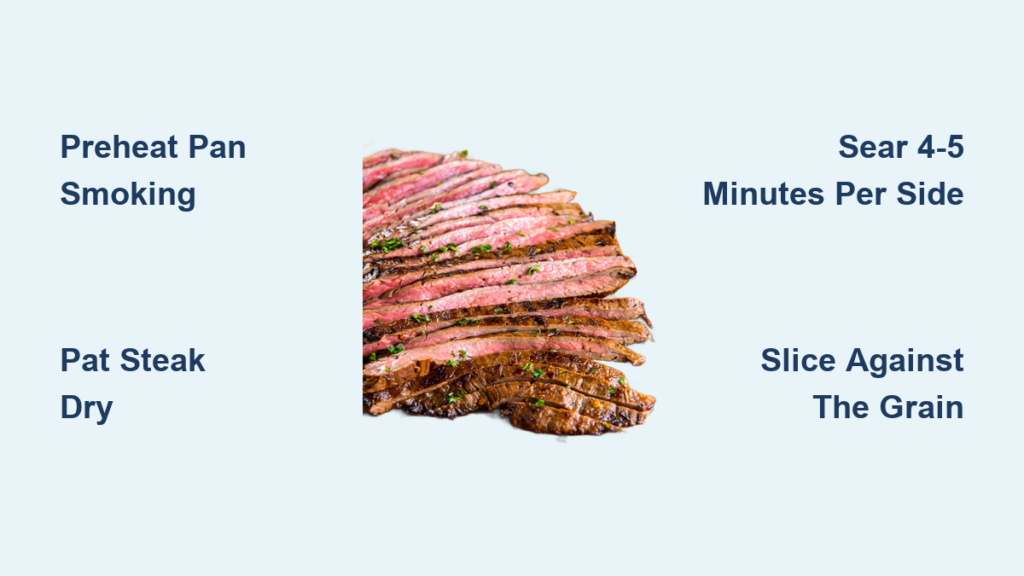
When you fire up your cast iron skillet to cook flank steak, you’re unlocking one of cooking’s most satisfying transformations. That sizzle when the meat hits the searing hot surface signals the beginning of something special—crisp, caramelized edges surrounding tender, juicy beef that practically melts in your mouth. The magic happens because cast iron delivers intense, consistent heat that creates an unbeatable crust while preserving the steak’s natural moisture. How to cook flank steak in cast iron pan properly turns this affordable cut into a restaurant-worthy meal in under 30 minutes, making it perfect for weeknight dinners or weekend entertaining.
Flank steak’s lean, flavorful profile responds exceptionally well to high-heat searing, but only when you follow the right technique. Many home cooks struggle with tough, dry results because they skip critical steps like proper preheating or resting. This guide eliminates those frustrations by walking you through every detail of achieving cast iron flank steak perfection—from selecting the right cut to slicing against the grain for maximum tenderness. You’ll discover why cast iron outperforms other pans, how to avoid common mistakes that ruin your sear, and the exact timing needed for that perfect medium-rare finish.
Why Your Cast Iron Pan Creates Superior Flank Steak Results

Your cast iron skillet’s exceptional heat retention creates the restaurant-quality crust you crave on flank steak. Unlike stainless steel or nonstick pans that cool dramatically when cold meat makes contact, a properly preheated cast iron pan maintains its temperature, ensuring immediate sizzling that triggers the Maillard reaction—the chemical process responsible for developing complex, savory flavors. This reaction occurs between 300-500°F, precisely the range your screaming-hot cast iron reaches when preheated properly.
Flank steak’s unique muscle structure demands this high-heat approach. Coming from the cow’s abdominal muscles, this cut contains long, tough fibers that become chewy when overcooked. The intense heat of a cast iron pan sears the exterior in minutes while keeping the interior rare to medium-rare, preserving tenderness. The pan’s even heat distribution prevents hot spots that could create uneven cooking—critical for a cut as lean as flank steak, which has minimal fat to protect it from drying out.
How Seasoning Affects Your Steak’s Flavor Profile
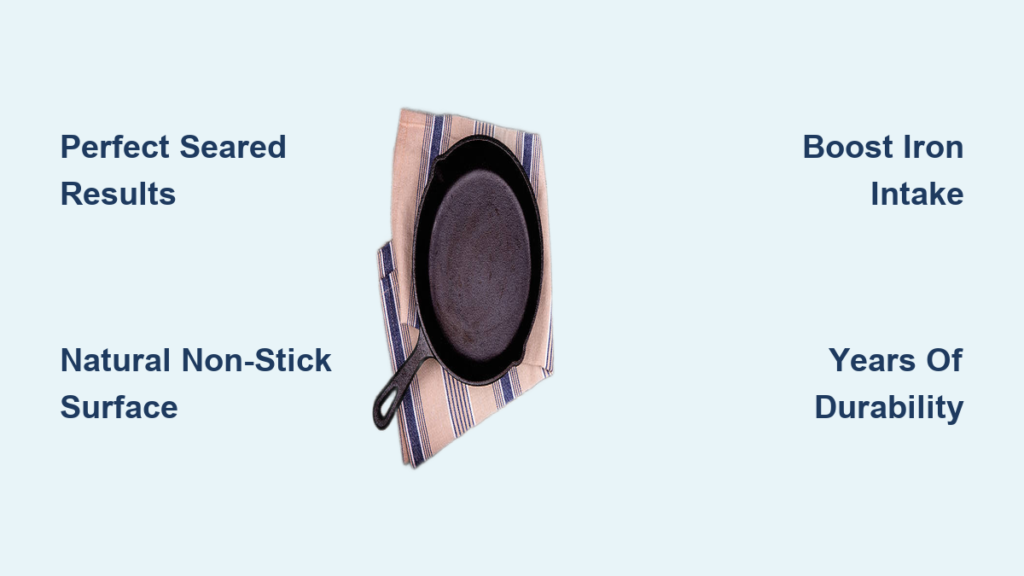
A well-seasoned cast iron pan develops a natural non-stick surface that actually enhances your flank steak’s flavor. As you cook repeatedly in cast iron, polymerized oil layers build up, creating a slick surface that allows for effortless flipping without tearing the delicate crust. More importantly, this seasoning transfers subtle, complex flavors to your steak that stainless steel or nonstick pans cannot replicate. The slight smokiness from properly maintained cast iron complements beef’s natural richness without overpowering it.
Selecting and Preparing Flank Steak for Cast Iron Success
Choosing the right flank steak makes or breaks your cooking results. Look for bright red meat with fine marbling—thin streaks of fat running through the muscle that add moisture and flavor. Avoid pieces with excessive fat deposits or grayish coloring, which indicates age. The ideal flank steak measures 1-1.5 inches thick throughout; uneven thickness leads to inconsistent cooking. If your cut varies significantly in thickness, ask your butcher to butterfly it or slice it into more uniform portions.
Critical Preparation Steps You Can’t Skip
Remove your flank steak from the refrigerator 60-90 minutes before cooking to bring it to room temperature—this ensures even cooking from edge to center. Generously season both sides with kosher salt (about 1 teaspoon per pound) and freshly cracked black pepper, pressing the seasonings gently into the meat. For deeper flavor penetration, salt the steak 45 minutes to 24 hours in advance—a technique called dry brining that allows salt to dissolve into the meat’s surface moisture and reabsorb for better seasoning throughout.
If using a marinade, limit acidic ingredients (like citrus or vinegar) to 30-120 minutes to avoid “cooking” the exterior and creating an unpleasant texture. Before cooking, pat the steak completely dry with paper towels—any surface moisture prevents proper browning. A damp steak will steam rather than sear, resulting in gray, unappetizing meat instead of that coveted caramelized crust.
Perfect Cast Iron Preheating Technique for Maximum Sear
Achieving the right pan temperature separates good steak from great steak. Place your empty cast iron skillet over high heat for 5-10 minutes until it begins to smoke slightly—this indicates it’s reached the 400-450°F sweet spot for searing. Test readiness by flicking water droplets onto the surface; they should dance and evaporate instantly. If using an infrared thermometer, confirm the surface reads at least 400°F.
Oil Selection and Application Method
Immediately before adding your steak, pour 1-2 tablespoons of high-smoke point oil (avocado, grapeseed, or refined vegetable oil) into the pan and tilt to coat evenly. The oil should shimmer but not smoke excessively—if it smokes immediately, reduce heat for 15 seconds. Never add oil to a cold pan then heat it, as this prevents proper seasoning development and can create sticky spots. The oil’s purpose isn’t primarily for flavor but to create a thin barrier that prevents sticking while allowing maximum heat transfer to the meat.
Exact Cooking Times and Temperature Targets
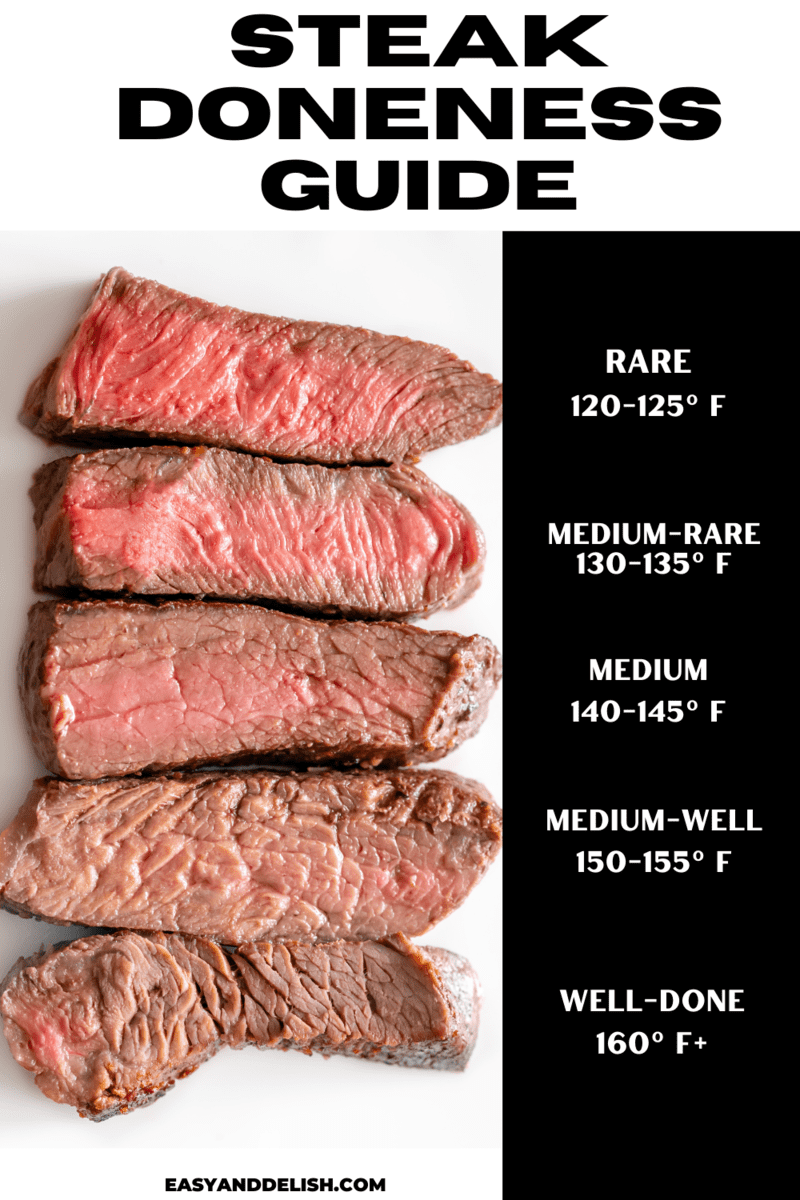
For a 1.5-inch thick flank steak, cook the first side undisturbed for 4-5 minutes to develop a deep brown crust. Flip with tongs (not a fork, which pierces the meat and releases juices) and cook the second side for 3-4 minutes for medium-rare. For medium doneness, add 1-2 minutes per side, but avoid cooking beyond medium as flank steak becomes tough when overcooked.
Doneness Temperature Guide
- Rare: 120-125°F (remove at 115°F)
- Medium-rare: 130-135°F (remove at 125°F)
- Medium: 140-145°F (remove at 135°F)
- Medium-well: 150-155°F (not recommended for flank steak)
- Well-done: 160°F+ (avoid—results in tough, dry meat)
Use an instant-read thermometer inserted horizontally into the thickest part for accuracy. Remember that carryover cooking will raise the internal temperature 5-10°F during resting.
Flank Steak Slicing Technique That Makes All the Difference
Rest your cooked flank steak for 5-10 minutes tented loosely with foil—this allows juices to redistribute throughout the meat. Cutting too soon releases precious moisture onto your cutting board. During resting, the internal temperature will continue rising 5-10°F, which is why you remove the steak from heat slightly below your target temperature.
How to Identify and Cut Against the Grain
Flank steak’s long muscle fibers create visible lines running parallel to the steak’s length—this is the grain. To maximize tenderness, slice perpendicular to these lines (across the grain) into 1/4 to 1/2 inch thick strips. Cutting against the grain shortens the tough fibers, making each bite significantly more tender. For presentation, cut on a slight bias to increase surface area and create elegant, restaurant-style slices.
Avoid These 4 Common Cast Iron Flank Steak Mistakes
Overcrowding your pan creates steam instead of sear—use a pan large enough to give the steak breathing room or cook in batches. Moving the steak too soon prevents proper crust formation; wait until it releases naturally from the pan surface before flipping. Skipping the resting period causes up to 40% of the juices to escape when slicing, resulting in dry meat. Finally, slicing with the grain rather than against it guarantees tough, stringy bites regardless of perfect cooking.
Best Serving Combinations for Cast Iron Flank Steak
Simple preparations showcase your perfectly cooked flank steak best. A drizzle of high-quality olive oil, squeeze of fresh lemon juice, and sprinkle of flaky sea salt enhances without overwhelming. For heartier meals, serve sliced steak over chimichurri sauce (parsley, garlic, vinegar, oil) or alongside roasted vegetables and garlic mashed potatoes. Leftover steak makes exceptional fajitas, tacos, or salad toppings when sliced thinly against the grain.
Essential Cast Iron Maintenance After Cooking Steak
After cooking, let your pan cool slightly before cleaning—never plunge a hot pan into cold water, which can cause cracking. While still warm, add a tablespoon of coarse salt and scrub with a stiff brush to remove stuck-on bits. Rinse with hot water (no soap needed for routine cleaning), dry thoroughly over low heat, then apply a thin layer of neutral oil while warm to maintain seasoning. Store in a dry place with good air circulation—never stack other pans inside it, which traps moisture and causes rust.
Quick Reference: Cast Iron Flank Steak Success Checklist
- Select 1-1.5 inch thick, evenly marbled flank steak
- Dry brine with salt 45+ minutes before cooking
- Pat steak completely dry before searing
- Preheat cast iron until smoking (400-450°F)
- Use high-smoke point oil sparingly
- Cook first side 4-5 minutes without moving
- Flip once and cook second side 3-4 minutes for medium-rare
- Rest 5-10 minutes before slicing
- Cut perpendicular to visible grain lines
- Store leftovers in airtight container for up to 4 days
Mastering how to cook flank steak in cast iron pan transforms this affordable cut into a show-stopping meal with minimal effort. The combination of proper technique and cast iron’s superior heat retention creates restaurant-quality results that will impress family and guests alike. With practice, you’ll develop an intuitive sense for timing and doneness, making perfect flank steak a reliable addition to your cooking repertoire.