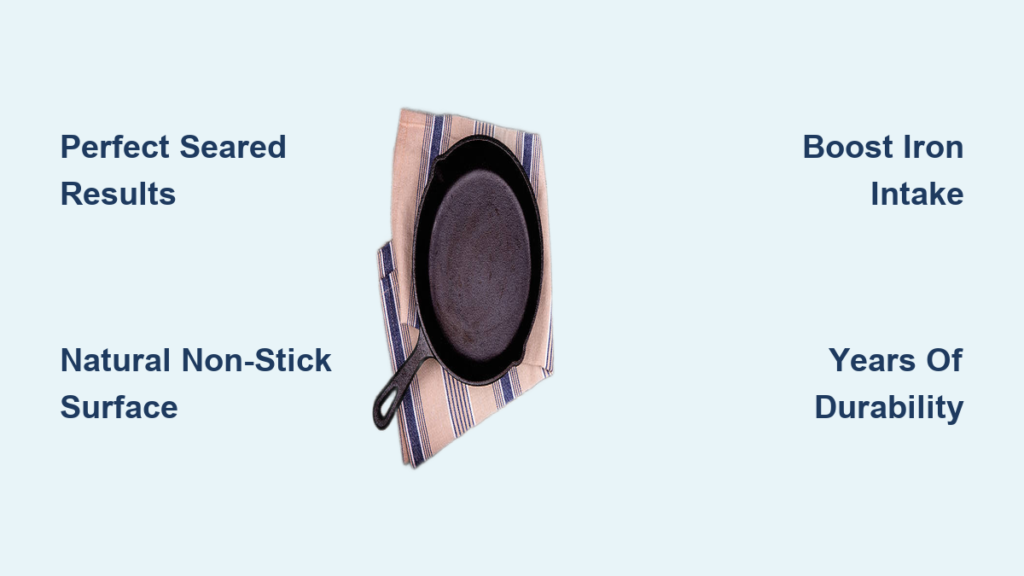
There’s nothing quite like the sizzle of a thick-cut steak hitting a blazing hot cast iron skillet, followed by the rich aroma of melting butter as it transforms an ordinary piece of meat into something extraordinary. This classic cooking method delivers an unbeatable crust that locks in juices while infusing the meat with buttery richness—no fancy equipment or culinary degree required. When you master how to cook steak in cast iron skillet with butter, you’ll consistently produce steakhouse-quality results that impress family and guests alike.
The magic happens through the perfect marriage of cast iron’s superior heat retention and butter’s flavor-enhancing properties. Unlike non-stick pans that can’t handle extreme temperatures, cast iron maintains consistent, searing heat across its entire surface, while the butter adds depth and complexity to the Maillard reaction that creates that coveted golden-brown crust. In just 20 minutes from start to finish, you can transform a simple cut of beef into a meal worthy of the finest steakhouse.
Select Prime Cuts for Cast Iron Success
Why Ribeye Reigns Supreme for Butter-Basted Steaks
Ribeye consistently delivers the most impressive results when learning how to cook steak in cast iron skillet with butter. The abundant marbling—those delicate white streaks of fat throughout the meat—melts during cooking, continuously basting the steak from within while promoting exceptional crust formation. Look for ribeyes with at least 1-inch thickness to ensure proper searing without overcooking the center, ideally selecting USDA Prime grade when budget allows for maximum flavor and tenderness.
Alternative Cuts That Shine with Butter Basting
New York strip offers a leaner but still flavorful option that develops an excellent crust when cooked properly. Filet mignon works best for those preferring tender, mild-flavored steak, though its low fat content requires careful attention to avoid drying out. For budget-conscious cooks, top sirloin provides impressive value when cooked to medium-rare and finished with a generous butter baste. Regardless of your selection, always choose steaks with vibrant red color and avoid any with excessive liquid in the packaging—a sign of poor handling.
Perfect Your Steak Preparation Technique
Dry Brining: The Secret to Superior Crust
Never skip this critical step: Apply kosher salt liberally to both sides of your steak at least 40 minutes before cooking. The salt draws out surface moisture, which then dissolves the salt and is reabsorbed into the meat, seasoning from within while drying the surface for optimal browning. For best results, place the salted steak uncovered on a wire rack in your refrigerator for 1-24 hours before cooking—this extended dry brining dramatically improves both flavor and texture.
Bring Steak to Room Temperature Before Searing
Cold steak = uneven cooking: Remove your steak from the refrigerator 45-60 minutes before cooking to allow it to reach room temperature. This crucial step ensures even cooking throughout, preventing a gray, overcooked exterior while the center remains raw. Pat the surface thoroughly dry with paper towels immediately before cooking—any surface moisture will instantly lower the pan temperature and prevent proper searing.
Achieve Cast Iron Perfection
Preheat Your Skillet Like a Pro
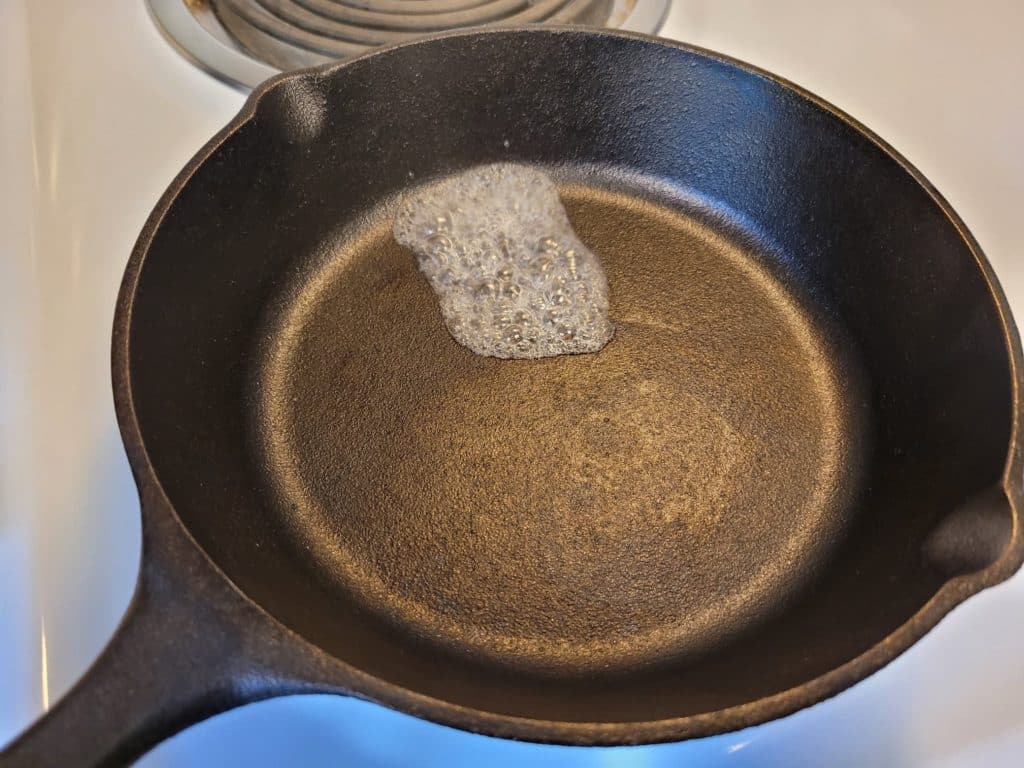
The #1 mistake home cooks make: insufficient pan preheating. Place your cast iron skillet over medium-high heat for 10-15 minutes until it begins to smoke slightly. Test readiness by flicking water droplets onto the surface—they should evaporate instantly with a sharp hiss. Add 1 tablespoon of high-smoke-point oil (avocado or grapeseed) that shimmers immediately but doesn’t smoke excessively before adding your steak.
Master the Initial Sear Without Sticking
Place your steak in the hot skillet using tongs rather than a fork to avoid piercing and losing precious juices. Critical tip: Don’t touch the steak for the first 2-3 minutes—this uninterrupted contact allows the proteins to release naturally from the pan surface. If the steak sticks when you try to lift it, give it another 30 seconds. Properly seared steak will release effortlessly when ready to flip.
Butter Basting: The Flavor Game-Changer
Timing Butter Addition for Maximum Impact
Add butter at the right moment: During the final 2 minutes of cooking, add 2-3 tablespoons of unsalted butter to the skillet along with 2 crushed garlic cloves and fresh thyme sprigs. As the butter melts, continuously spoon it over the top of the steak using a basting spoon or tilt the pan and use tongs to lift the steak while pouring butter over it. This technique infuses incredible flavor while helping regulate cooking temperature.
Choose the Right Butter for Cast Iron Cooking
European-style butter with higher fat content (like Kerrygold) performs better than standard American butter due to less water content. For the initial sear, consider starting with clarified butter or ghee which has a higher smoke point (450°F), then finishing with regular butter for maximum flavor. Pro tip: Keep a stick of compound butter (softened butter mixed with herbs) ready to place on top of your rested steak just before serving.
Monitor Doneness Like a Steakmaster

Use a Thermometer, Not Guesswork
Relying on cooking time alone leads to inconsistent results. Insert an instant-read thermometer horizontally into the thickest part of the steak, avoiding fat or bone. Remove your steak from the pan 5°F below your target temperature: 125°F for rare, 130°F for medium-rare, and 135°F for medium. Critical note: Carryover cooking will raise the internal temperature 5-10°F during resting.
Visual and Texture Cues for Perfect Steak
For those without a thermometer, use the finger test: press the steak gently with your finger. Rare feels like the fleshy part of your palm below the thumb when your hand is relaxed; medium-rare resembles the same area when making a loose “OK” sign; medium feels like making a firm “OK” sign. The steak should release easily from the pan when properly seared, and the sides should show a distinct band of cooked meat progressing toward the center.
Rest and Serve for Maximum Juiciness
Why Resting Isn’t Optional
The science behind resting: During cooking, heat forces juices toward the center of the steak. Resting allows proteins to relax and redistribute those juices throughout the meat. Place your cooked steak on a warm plate or cutting board, loosely tented with foil, for 5-10 minutes (depending on thickness). Cutting too soon releases all those precious juices onto your cutting board rather than staying in the meat.
Create a Simple Pan Sauce in Minutes
While your steak rests, transform the flavorful fond (browned bits) left in your skillet into an instant restaurant-quality sauce. Remove the pan from heat and add ¼ cup red wine or beef broth, scraping the bottom to release all the caramelized bits. Simmer until reduced by half, then whisk in 1-2 tablespoons of cold butter off-heat for a glossy finish. Pour this rich sauce over your sliced steak just before serving.
Troubleshoot Common Cast Iron Steak Problems

Fixing a Pale, Under-Developed Crust
If your steak lacks that deep brown crust, your pan wasn’t hot enough or you moved the steak too soon. Solution: Next time, preheat your skillet longer and resist touching the steak for the full 2-3 minutes needed for proper searing. Ensure your steak is completely dry before adding to the pan—any surface moisture instantly lowers the pan temperature.
Preventing Overcooked Edges on Thick Steaks
For steaks thicker than 1.5 inches, try the reverse sear method: cook in a 275°F oven until the internal temperature reaches 115°F, then finish with a quick 60-90 second sear in your blazing hot cast iron. Alternative: After the initial sear on both sides, reduce heat to medium and continue cooking, flipping every minute until reaching target temperature.
Mastering how to cook steak in cast iron skillet with butter elevates your home cooking to professional levels with minimal equipment. The combination of properly preheated cast iron, well-prepared steak, and strategic butter basting creates restaurant-quality results that will impress even the most discerning palates. With practice, you’ll develop an intuitive sense for timing and temperature that produces perfect steak every time—no special tools required beyond your trusty cast iron skillet and a willingness to let the meat rest. Whether you’re cooking for a special occasion or a weeknight dinner, this technique delivers consistently exceptional results that transform simple ingredients into unforgettable meals.