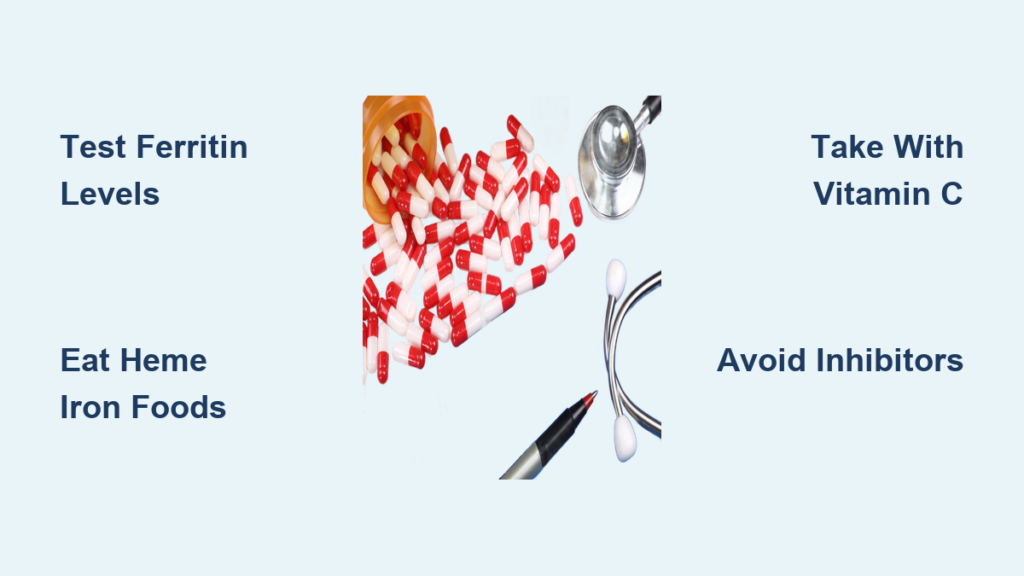
Iron deficiency affects millions worldwide, yet many struggle to find effective solutions. When your body lacks sufficient iron, you might experience fatigue, weakness, and difficulty concentrating—symptoms that can significantly impact daily life. Understanding how to cure iron deficiency requires more than just taking supplements; it involves identifying the root cause, implementing targeted dietary changes, and monitoring your progress carefully. This guide provides actionable steps backed by medical research to help you restore healthy iron levels safely and effectively.
Identifying Your Iron Deficiency Symptoms Accurately
Before starting treatment, confirming you actually have iron deficiency is crucial. Many people mistakenly self-diagnose based on fatigue alone, which has numerous potential causes. True iron deficiency typically presents with specific symptoms that worsen as the condition progresses.
Early Warning Signs to Watch For
The initial stages of iron deficiency often include subtle symptoms that many dismiss as normal tiredness. Pay attention if you notice:
– Unexplained fatigue that doesn’t improve with rest
– Pale skin, especially noticeable in the eyelids and nail beds
– Shortness of breath during mild physical activity
– Cold hands and feet even in warm environments
– Brittle nails that break or split easily
Advanced Symptoms Requiring Immediate Attention
As iron deficiency progresses to iron deficiency anemia, more serious symptoms emerge. Don’t ignore these warning signs:
– Pica cravings – Unusual urges to eat non-food items like ice, dirt, or starch
– Restless leg syndrome – Uncomfortable sensations in legs with an urge to move them
– Heart palpitations – Feeling your heart race or pound irregularly
– Spoon-shaped nails (koilonychia) – Nails that become concave or brittle
– Glossitis – Swollen, inflamed, or abnormally smooth tongue
Confirming Diagnosis Through Proper Testing
Self-treating without confirmed diagnosis can be dangerous. Many conditions mimic iron deficiency symptoms but require different treatments. Only specific blood tests can accurately determine your iron status.
Essential Blood Tests for Accurate Diagnosis
Your healthcare provider should order these specific tests rather than just checking hemoglobin:
– Serum ferritin – Measures stored iron (most sensitive indicator of early deficiency)
– Transferrin saturation – Shows how much iron is bound to transport proteins
– Total iron-binding capacity – Indicates your body’s ability to transport iron
– Complete blood count – Checks for anemia and red blood cell characteristics
Interpreting Your Test Results Correctly
Understanding normal ranges prevents misinterpretation:
– Serum ferritin below 30 ng/mL typically indicates iron deficiency
– Transferrin saturation under 20% suggests inadequate iron transport
– Hemoglobin levels may remain normal in early iron deficiency
– Reticulocyte hemoglobin content (CHr) helps detect developing deficiency
Implementing Effective Dietary Changes for Iron Absorption
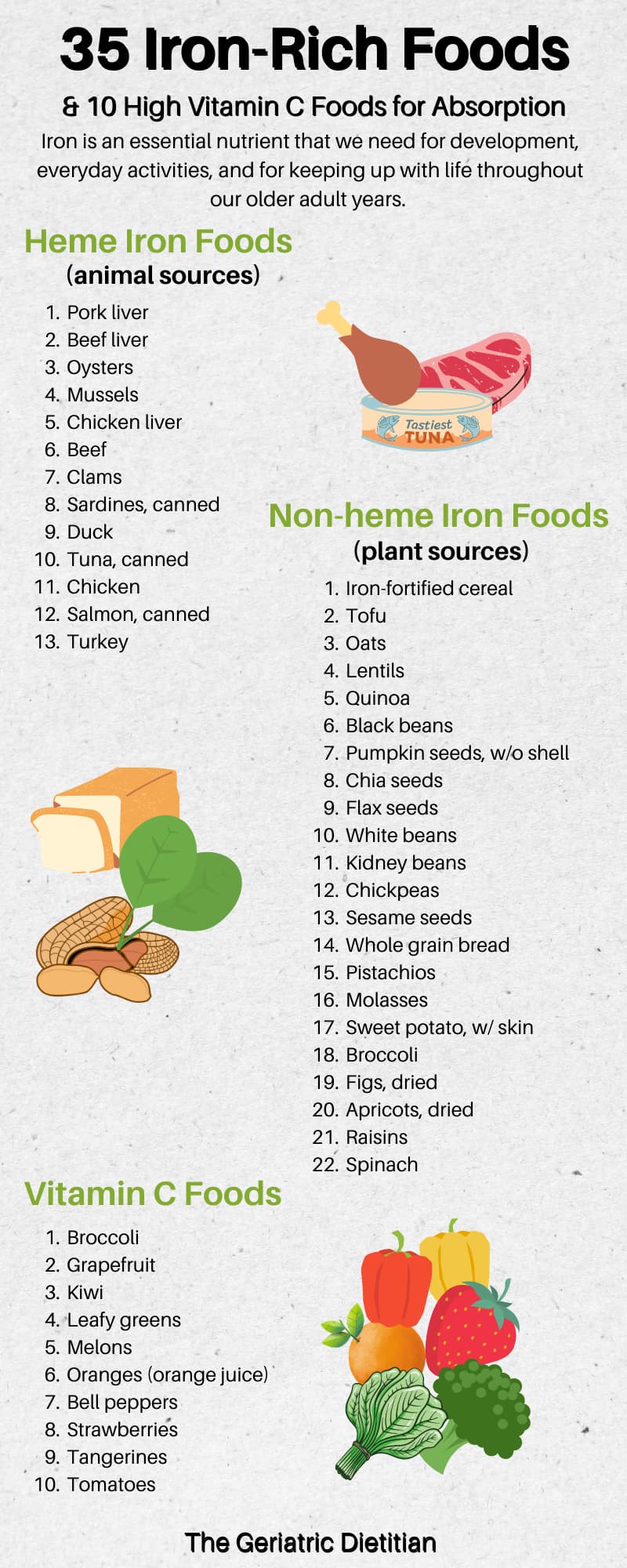
Dietary adjustments form the foundation of iron deficiency treatment but require specific knowledge to be effective. Simply eating more iron-rich foods isn’t enough—how you combine foods significantly impacts absorption.
Best Food Sources for Maximum Iron Intake
Focus on these iron-rich foods organized by absorption rate:
Heme Iron (Better Absorbed – 15-35% absorption rate)
– Red meat (beef, lamb, venison)
– Organ meats (liver, kidney)
– Poultry (dark meat)
– Fish (tuna, salmon, sardines)
Non-Heme Iron (5-15% absorption rate)
– Legumes (lentils, chickpeas, soybeans)
– Dark leafy greens (spinach, kale)
– Fortified cereals and grains
– Nuts and seeds (pumpkin, sesame)
Strategic Food Pairing for Enhanced Absorption
Boost iron absorption by combining these elements in your meals:
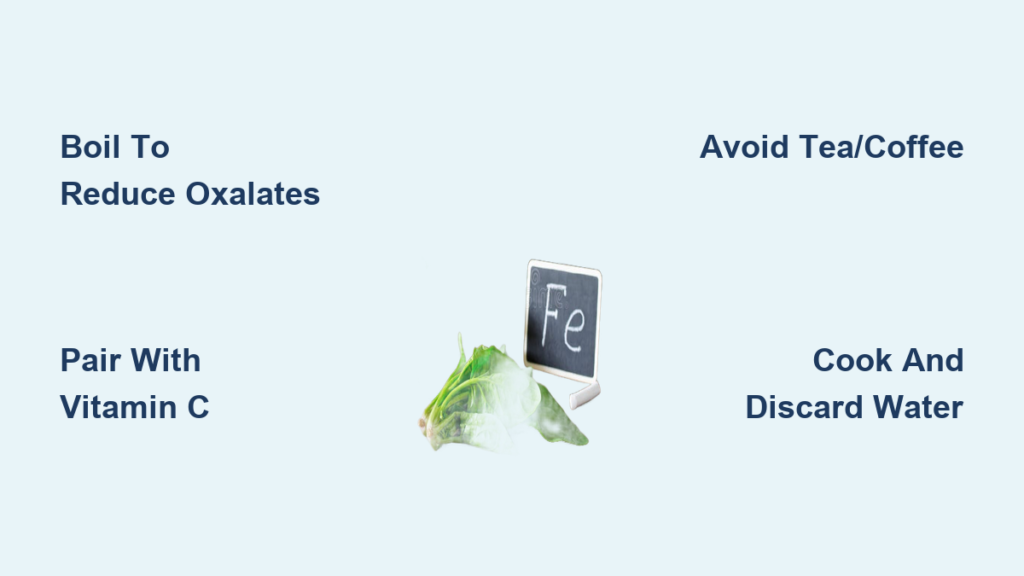
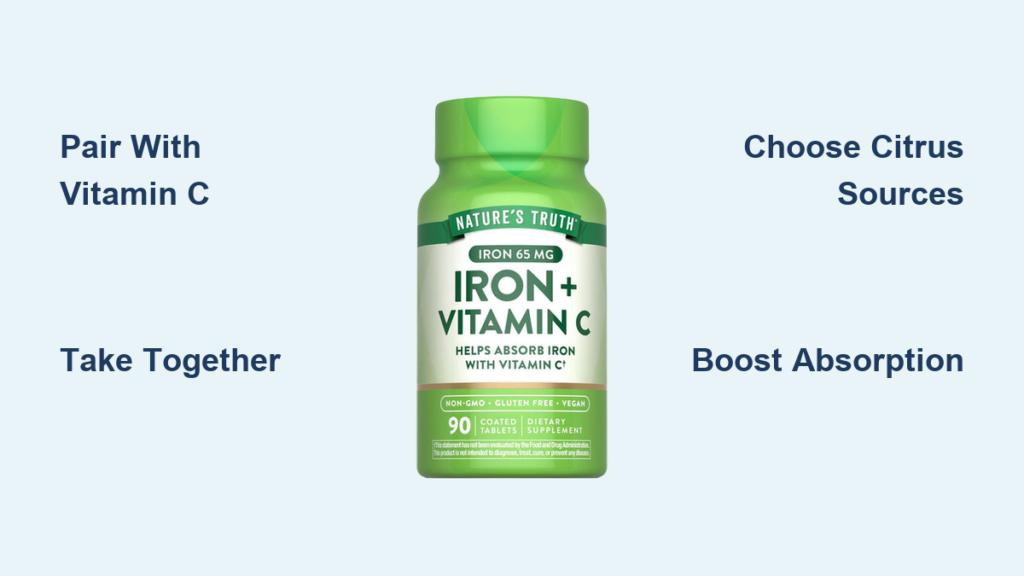
– Vitamin C powerhouses: Add bell peppers, citrus fruits, or strawberries to iron-rich meals
– Avoid inhibitors: Don’t consume tea, coffee, or calcium supplements within 2 hours of iron-rich meals
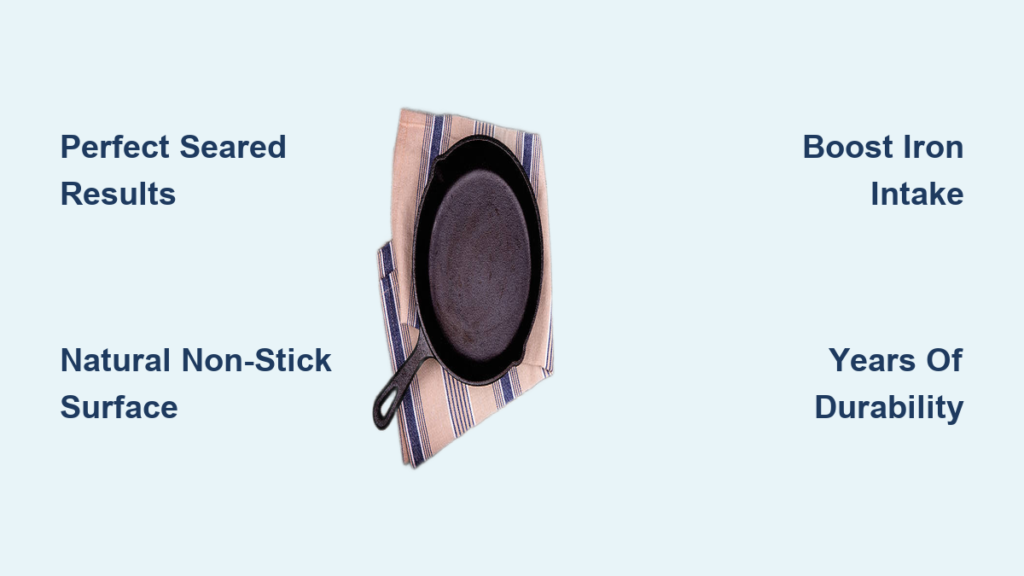
– Cook in cast iron: Cooking acidic foods like tomato sauce in cast iron cookware increases iron content
– Fermented foods: Include sauerkraut or kimchi which enhance mineral absorption
Selecting and Using Iron Supplements Appropriately

When dietary changes alone aren’t sufficient, supplements become necessary—but choosing the right type and taking them properly makes all the difference.
Comparing Supplement Types for Your Specific Needs
Different iron supplements offer varying benefits and side effects:
| Supplement Type | Best For | Absorption Rate | Common Side Effects |
|---|---|---|---|
| Ferrous sulfate | Most common deficiency | High | Constipation, nausea |
| Ferrous fumarate | Severe deficiency | Very high | Stomach upset |
| Iron polysaccharide | Sensitive stomachs | Moderate | Fewer GI issues |
| Heme iron polypeptide | Chronic deficiency | Excellent | Minimal side effects |
Optimizing Supplement Timing and Absorption
Take iron supplements correctly to maximize effectiveness:
– Best time: On an empty stomach 1 hour before meals
– If stomach upset occurs: Take with small amounts of vitamin C-rich food (not dairy or eggs)
– Avoid: Calcium supplements, antacids, or high-fiber foods within 2 hours
– Consistency: Take at the same time daily for steady absorption
– Duration: Continue 3-6 months after levels normalize to rebuild stores
Monitoring Progress and Adjusting Treatment
Effective iron deficiency treatment requires ongoing assessment to ensure you’re on the right track. Many people stop treatment too early, leading to recurrence.
Expected Timeline for Improvement
Understand what to expect during recovery:
– Energy levels typically improve within 1-2 weeks
– Blood test improvements visible in 4-6 weeks
– Full iron store replenishment takes 3-6 months
– Complete resolution of symptoms may take several months
Warning Signs Your Treatment Isn’t Working
Contact your healthcare provider if you experience:
– No symptom improvement after 4 weeks of proper treatment
– Worsening fatigue despite treatment
– Persistent digestive issues from supplements
– Continued abnormal cravings or restless legs
Addressing Underlying Causes Preventing Recovery
Iron deficiency often stems from underlying conditions that must be treated for complete resolution. Ignoring these causes leads to recurring deficiency.
Common Hidden Causes to Investigate
- Gastrointestinal blood loss: From ulcers, polyps, or inflammatory bowel disease
- Heavy menstrual bleeding: Exceeding normal blood loss thresholds
- Malabsorption issues: Celiac disease, gastric bypass surgery, or chronic inflammation
- Chronic diseases: Kidney disease or inflammatory conditions affecting iron metabolism
Preventing Future Iron Deficiency Through Sustainable Habits
Once you’ve successfully treated iron deficiency, maintaining healthy levels requires ongoing attention to diet and lifestyle factors.
Long-Term Dietary Maintenance Strategies
- Schedule iron-rich meals weekly (aim for 3-4 servings of heme iron sources)
- Keep vitamin C-rich snacks available for pairing with plant-based iron
- Monitor portion sizes of inhibitors like coffee and tea around iron-rich meals
- Consider seasonal adjustments—winter months often require more iron-rich foods
When to Schedule Follow-Up Testing
- Annual testing if you have risk factors (heavy periods, vegetarian diet)
- Every 6 months if you’ve had previous severe deficiency
- Immediately if symptoms reappear
- Before pregnancy if you’re planning to conceive
Final Note: Successfully curing iron deficiency requires personalized treatment based on accurate diagnosis and consistent implementation of dietary and supplemental strategies. Remember that iron overload can be as dangerous as deficiency, so always work with a healthcare provider to monitor your progress. By addressing both the symptoms and underlying causes, you can restore healthy iron levels and enjoy renewed energy and vitality. If symptoms persist despite proper treatment, further investigation into potential absorption issues or hidden blood loss becomes essential for complete recovery.