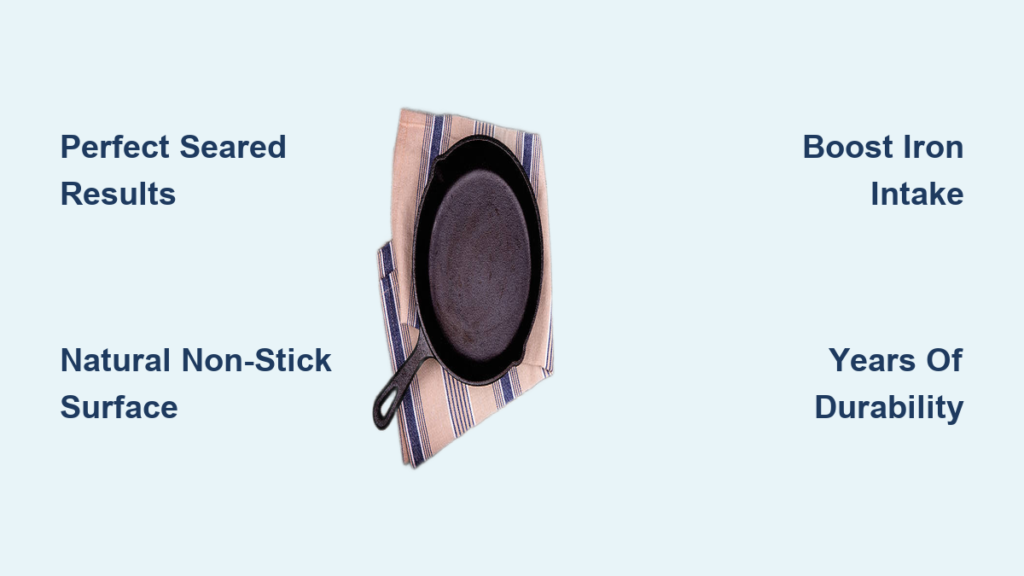
That magical moment when you’ve just seared a perfect steak or browned chicken in your cast iron skillet—those caramelized bits clinging to the pan aren’t kitchen mess to ignore, they’re flavor gold waiting to be transformed. Learning how to deglaze a cast iron skillet unlocks this concentrated taste potential while simultaneously maintaining your pan’s seasoning. The browned fond created through the Maillard reaction contains complex proteins and sugars that dissolve beautifully into liquid, creating restaurant-quality sauces with minimal effort. Cast iron’s exceptional heat retention makes it uniquely suited for this technique, providing sustained warmth that helps fond release fully into your sauce. Whether you’re cooking weeknight dinners or special occasion meals, mastering this simple process elevates every dish that comes from your cast iron cookware.
Deglazing works because of cast iron’s thermal properties—the material holds heat longer than thinner pans, giving you more time to scrape and stir before fond hardens. This technique serves dual purposes: it extracts maximum flavor from your cooking session while also helping maintain your pan’s seasoning layer by removing food particles before they can become rancid. Many home cooks overlook this simple step that separates ordinary meals from exceptional ones, but with just a few minutes of additional effort, you can transform basic pan drippings into complex, layered sauces that elevate any protein or vegetable.
Why Deglazing Matters for Your Cast Iron Skillet
The fond on properly seasoned cast iron develops differently than on other cookware due to the material’s porous surface, creating more surface area for browning to occur. This means more flavor-rich fond develops during cooking, and more taste awaits extraction during deglazing. That single tablespoon of concentrated flavor can transform a plain piece of chicken into something worthy of a restaurant menu, all because you took an extra minute to scrape and stir.
Beyond flavor extraction, deglazing actively helps maintain your cast iron skillet’s seasoning. The process removes food particles that might otherwise remain stuck to the surface, potentially becoming rancid or interfering with future cooking. Regular deglazing and cleaning keeps your pan’s protective layer intact while preventing the buildup of old fond that can impart off-flavors to new dishes. Many experienced cast iron users find that consistent deglazing reduces the frequency of deep cleaning sessions, as fond is removed before it has chance to harden and become difficult to address.
Essential Tools for Successful Deglazing

Before you start cooking, gather heat-resistant utensils within arm’s reach—silicone, wooden, or plastic scrapers and spatulas loosen fond without scratching your seasoning layer. While metal can work in a pinch, excessive force risks damaging your pan’s surface over time. Have measuring cups and small pitchers for your deglazing liquid ready, as timing matters during the critical moments after food leaves the pan. A whisk proves invaluable for incorporating fond into liquid and creating smooth, emulsified sauces, while a wooden spoon handles vigorous scraping when needed.
Don’t forget heat protection—heat-resistant gloves or sturdy pot holders prevent burns when handling a pan that retains significant heat even after leaving the burner. A trivet or hot pad provides a safe landing zone for your skillet during deglazing and subsequent sauce preparation. These simple precautions let you focus on scraping and stirring rather than worrying about unexpected heat exposure.
Choose the Right Deglazing Liquid for Maximum Flavor
The liquid you select shapes your sauce’s final flavor profile in profound ways. Wine remains the classic choice among professional chefs, with red wine providing robust, fruity undertones perfect for beef and lamb dishes, while white wine offers lighter, more delicate flavors that complement poultry, seafood, and vegetables. The natural acidity in wine helps cut through rich fond while contributing its own complexity to the developing sauce.
Stock and broth provide a more neutral foundation that lets the fond’s flavor take center stage while adding body and depth. Chicken stock pairs naturally with poultry preparations, beef stock complements red meat dishes, and vegetable stock serves vegetarian applications beautifully. Stock-based deglazing produces saucier results than wine reduction, making it ideal for gravies requiring generous sauce coverage.
For lighter options, acidulated water—simply water with a splash of vinegar or citrus—extracts fond flavor without adding significant richness. Cream and dairy create rich, indulgent sauces perfect for special occasions, working exceptionally well with fond from mushrooms, onions, or pancetta where richness complements earthy flavors.
Step-by-Step Deglazing Process for Perfect Results
As soon as you transfer cooked food from the skillet to a resting plate, capitalize on the retained heat that keeps fond fluid and responsive. If the fond appears dangerously dark, reduce heat slightly before adding liquid to prevent bitter flavors. The pan should maintain medium to medium-high heat—hot enough to cause immediate sizzling when liquid contacts the surface.
Pour your chosen deglazing liquid into the hot pan, starting with a modest amount (¼ to ½ cup for a standard skillet). The liquid should immediately boil and bubble vigorously. Within seconds of adding liquid, begin scraping systematically with your spatula, working from center outward while covering the entire cooking surface. Firm but controlled pressure loosens fond without damaging the seasoning layer.
As the liquid reduces and fond dissolves, continue scraping to prevent sticking and ensure thorough incorporation. For saucy results, reduce the liquid by about half to two-thirds, tasting periodically. If the sauce thickens too quickly before all fond releases, add more liquid in small increments. Once fond is fully incorporated and your sauce reaches desired consistency, remove from heat and finish according to recipe requirements.
Protect Your Cast Iron Seasoning During Deglazing
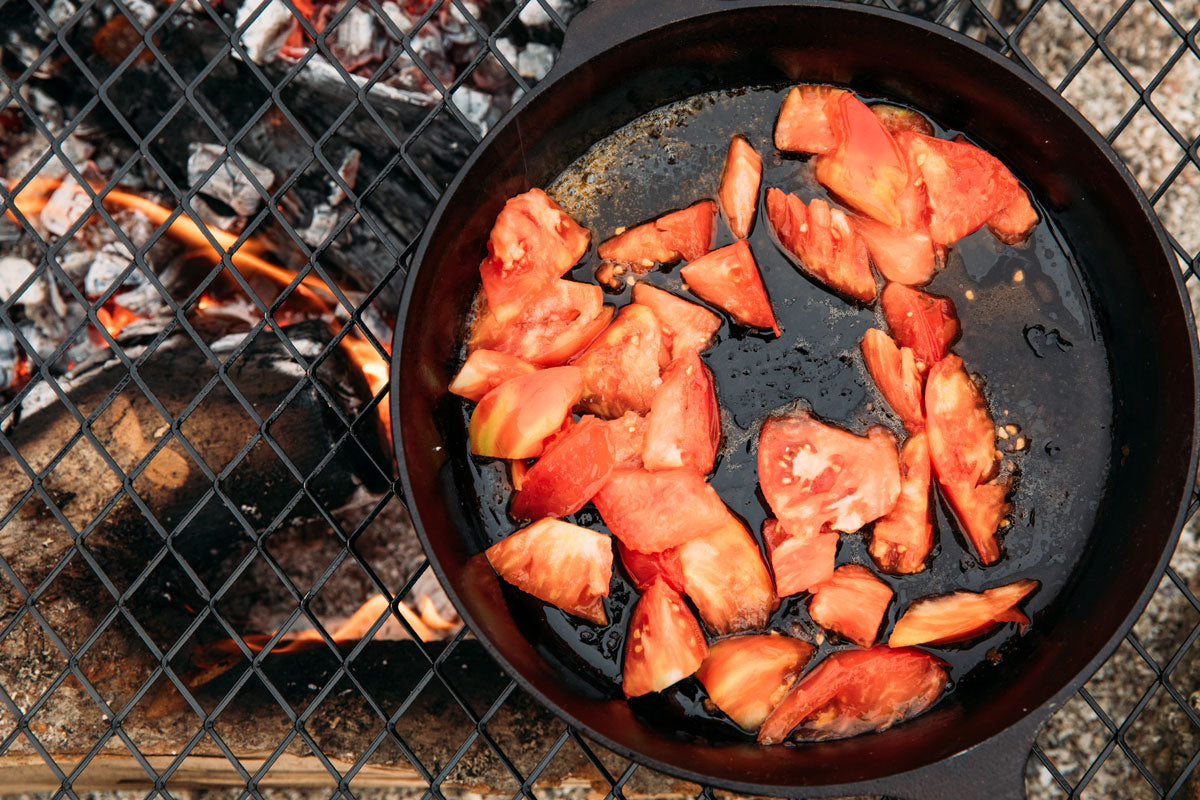
Acidic liquids like wine, vinegar, and citrus pose minimal risk during brief deglazing sessions, but allowing them to sit in prolonged contact with the pan’s surface may strip seasoning over time. Limit deglazing duration and clean the pan promptly after use. Allow the pan to cool until warm but comfortable to touch, then use hot water with a stiff brush to remove residual fond. Never soak cast iron—prolonged water exposure promotes rust and degrades seasoning.
Dry the pan immediately with towels, then place it over medium heat for one to two minutes to ensure all moisture evaporates before storage. Utensil choice affects seasoning longevity—silicone, wooden, and plastic implements gently release fond without scratching. If metal utensils are necessary, select those with smooth, rounded edges and apply only light pressure during scraping.
Common Deglazing Mistakes That Ruin Your Sauce
Adding cold liquid to an extremely hot pan creates dangerous splattering and thermal shock that can damage cast iron over time. Room-temperature or warm liquid reduces this risk. Insufficient liquid leads to sauce that thickens too quickly, potentially burning before all fond incorporates. Start conservatively and add more as needed—cover the pan bottom with about a quarter-inch of liquid initially.
Waiting too long to deglaze allows the pan to cool and fond to harden, making incorporation significantly more difficult. Deglazing should ideally occur within one to two minutes of removing food. Neglecting to scrape immediately after adding liquid lets fond stick more firmly as the liquid heats—effective scraping happens in the first thirty to sixty seconds after liquid addition.
Three Restaurant-Quality Sauces from Your Cast Iron Skillet
Classic Steak Au Jus: After searing ribeye steaks, transfer to a plate and reduce heat to medium. Add ¼ cup diced shallots, cooking for one minute. Pour in 1 cup dry red wine while scraping vigorously, then add 1 cup beef stock and reduce by half. Finish with 2 tablespoons cold butter, swirling until emulsified.
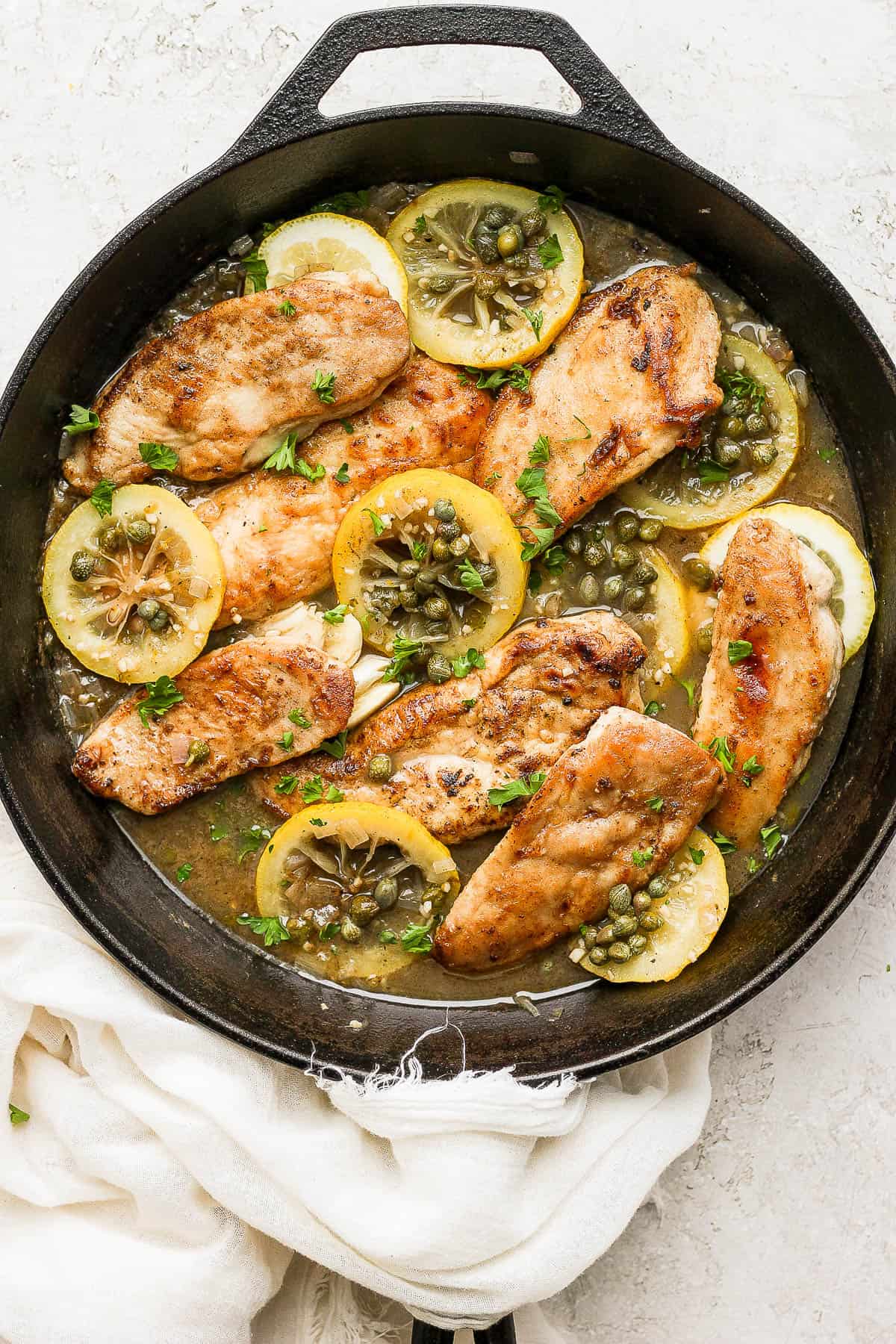
Chicken Piccata: After browning chicken cutlets, remove and add sliced mushrooms if desired. Deglaze with white wine, scraping fond, then add lemon juice and chicken stock. Reduce by half and finish with capers and cold butter.
Shrimp Scampi: After sautéing shrimp in garlic butter, remove them and add more butter with minced garlic. Deglaze with white wine and lemon juice, reduce slightly, then return shrimp to the pan with parsley and red pepper flakes.
Clean and Maintain Your Skillet After Deglazing
Begin cleaning while the pan remains warm but cool enough to handle—typically within minutes of completing deglazing. Hot water combined with physical agitation from a stiff brush removes residual fond without damaging seasoning. For stubborn particles, coarse kosher salt serves as a gentle abrasive.
Immediate drying prevents rust—hand-dry with clean towels, then place over medium heat for one to two minutes until all moisture evaporates. Apply a thin layer of food-grade oil (grapeseed, canola) while the pan remains warm, wiping away any excess with a paper towel. This regular oil application replaces seasoning depleted during cooking and protects the surface until next use.
Troubleshooting Common Deglazing Issues
Bitter-tasting sauce usually indicates burned fond—prevention requires monitoring heat carefully. Sauce that remains thin despite reduction suggests insufficient fond or incomplete release—ensure thorough scraping and adequate reduction time. Sauce separation in dairy-based preparations results from excessive heat—reduce heat immediately after adding cream and stir constantly.
Fond that refuses to release indicates either insufficient pan heat or fond that has bonded too strongly—return the pan to medium heat and add more liquid. For stubborn fond, brief soaking in warm water helps loosen particles without risking rust.
Elevate Every Meal with Proper Deglazing
Mastering how to deglaze a cast iron skillet transforms potential waste into liquid gold that elevates every dish. The technique captures concentrated flavors from the Maillard reaction that develop during searing, converting them into sauces demonstrating culinary skill. Cast iron’s heat retention and fond-friendly surface reward practitioners with deeply flavored sauces impossible to replicate through other means.
This process requires understanding fond formation, selecting appropriate liquids, and executing with proper timing. Protecting your pan’s seasoning ensures deglazing can be employed repeatedly without degrading your cookware. Even simple deglazing with water and stock produces results far superior to sauce made from scratch, as fond contributes flavors impossible to replicate otherwise. Your next cast iron meal awaits—let that fond become the foundation of something delicious.