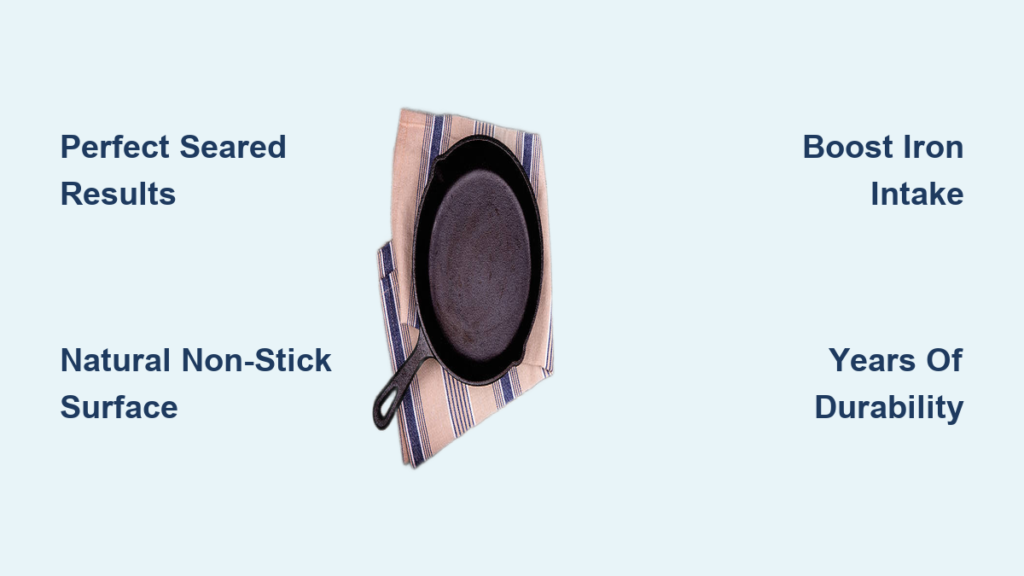
Your cast iron skillet has seen countless meals, from perfectly seared steaks to golden cornbread. But after cooking raw chicken or during flu season, you might wonder: how do I properly disinfect cast iron without ruining its precious seasoning? Unlike regular cookware, cast iron requires special care when eliminating bacteria. The good news is that properly maintained cast iron is naturally resistant to harmful microorganisms thanks to its polymerized oil layer. This guide reveals practical methods to sanitize your cast iron cookware safely while preserving that hard-earned non-stick surface you’ve built over time. You’ll learn why traditional disinfectants can damage your pan and discover heat-based techniques that effectively kill bacteria without compromising your cast iron’s performance.
Why Standard Disinfectants Damage Cast Iron Seasoning
How Chemical Disinfectants Break Down Polymerized Oil Layers
Chemical disinfectants like bleach, hydrogen peroxide, and commercial kitchen sanitizers react aggressively with the polymerized oil layer that forms your cast iron’s seasoning. When you apply these substances to your skillet, they begin breaking down the carbonized oil molecules that create the non-stick surface. The alkaline nature of many disinfectants accelerates this deterioration process, causing your seasoning to become patchy and sticky. Even diluted solutions can remove significant portions of your seasoning in just minutes of contact time. This damage requires complete re-seasoning to restore functionality, turning a simple cleaning task into hours of additional work. Always avoid soaking your cast iron in any chemical disinfectant solution, as prolonged exposure guarantees seasoning loss.
Why Vinegar and Acidic Cleaners Harm Seasoned Surfaces
While some sources recommend vinegar solutions for cast iron cleaning, this approach severely compromises your pan’s disinfection capabilities long-term. Acidic solutions like vinegar or lemon juice dissolve the very seasoning layer that naturally prevents bacterial growth on properly maintained cast iron. After using vinegar, your pan becomes temporarily more porous, creating microscopic crevices where bacteria can hide and multiply. The temporary “clean” feeling comes at the cost of your pan’s natural antibacterial properties. If you’ve ever noticed increased food sticking or rust spots after an acidic cleaning, that’s your seasoning breaking down. Reserve acidic treatments only for severe rust removal, never for routine disinfection.
Heat-Based Disinfection: The Only Safe Method for Cast Iron
Oven Sanitizing Process for Complete Bacteria Elimination
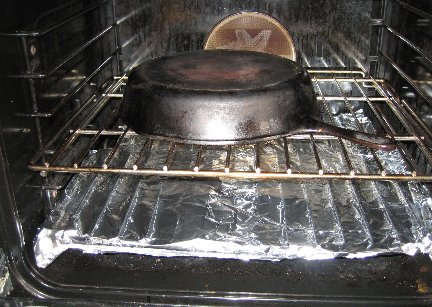
High heat is the only truly safe disinfection method for cast iron that preserves your seasoning. Preheat your oven to 350°F (175°C) – hot enough to kill pathogens but below the smoke point of most seasoning oils. Place your cast iron upside down on the middle rack with a baking sheet on the lower rack to catch any residue. Bake for 30 minutes to ensure thorough heating throughout the metal. The cast iron’s thermal mass guarantees even heat distribution, eliminating bacteria in every microscopic pore of the seasoning. Check that all surfaces reach at least 165°F (74°C) using an infrared thermometer – the temperature where most foodborne pathogens die within seconds. This method works because cast iron retains heat longer than other materials, providing sustained disinfection even after removal from the oven.
Stovetop Disinfection for Quick Post-Meal Sanitizing
For immediate disinfection after cooking, your stovetop provides the fastest solution. Heat your cast iron over medium heat for 5-7 minutes until water droplets sizzle and evaporate instantly on contact. This “Leidenfrost effect” indicates your pan has reached approximately 375°F (190°C) – well above the 165°F threshold needed for pathogen elimination. Continue heating for an additional 3 minutes to ensure thorough disinfection of the entire cooking surface, including the sides and bottom. Never add cold water to a hot pan during this process, as the thermal shock could cause warping. Instead, let the pan cool slightly before wiping with a dry cloth. This method works exceptionally well after cooking raw meats, as the initial cooking heat already begins the disinfection process.
Post-Disinfection Care to Maintain Your Cast Iron
Proper Drying Techniques to Prevent Bacterial Regrowth
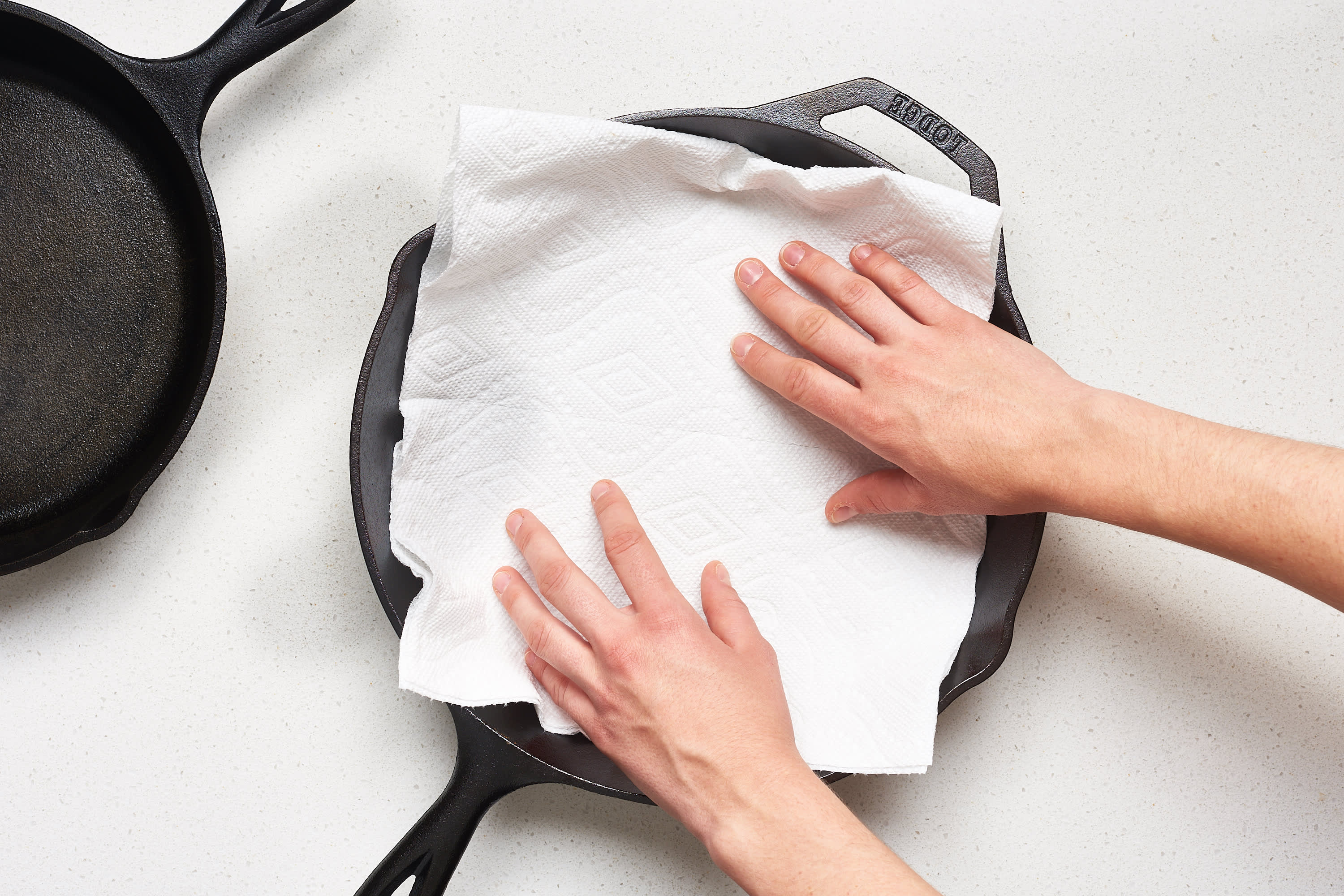
After heat disinfection, immediate and thorough drying becomes critical to prevent bacterial regrowth. While your pan is still warm (but cool enough to handle safely), use a clean, dry cotton towel to wipe all surfaces vigorously. Pay special attention to the handle, rim, and any engraved logos where moisture tends to collect. For complete moisture elimination, return the pan to low heat for 2-3 minutes to evaporate any residual humidity in the seasoning pores. Never air-dry cast iron, as ambient moisture in the air begins recontaminating the surface within minutes. The goal is to create an environment too dry for bacterial survival – properly dried cast iron maintains its disinfection for days until next use.
Minimal Oil Application to Preserve Sanitized Surfaces
Applying too much oil after disinfection creates a sticky surface that attracts dust and bacteria. Use only a micro-thin layer of high-smoke point oil (grapeseed or canola work best) applied with a paper towel. Wipe in one direction, then reverse direction to remove excess. The oil should be barely visible – if you see pooling or feel greasiness, you’ve used too much. This minimal coating fills microscopic pores in the seasoning, creating a barrier against moisture and bacteria without providing nutrients for microbial growth. Store your cast iron in a dry place with the lid off or propped slightly open to prevent humidity buildup. Properly oiled and stored, your disinfection remains effective for weeks between uses.
When to Avoid Disinfecting Cast Iron Altogether
Recognizing When Seasoning Provides Natural Protection
Well-maintained cast iron with intact seasoning rarely requires special disinfection. The polymerized oil layer creates an inhospitable environment for bacteria through three protective mechanisms: extreme surface smoothness that prevents bacterial attachment, mild acidity from the carbonized oils that inhibits growth, and natural hydrophobicity that limits moisture retention. If your pan shows no signs of food residue, rust, or unusual odors after cooking, simple hot water cleaning followed by thorough drying provides sufficient sanitation. Over-disinfecting actually damages your pan’s natural antibacterial properties by breaking down the seasoning layer. Reserve heat disinfection for specific situations like cooking raw poultry, illness in the household, or after storage in humid conditions.
Emergency Disinfection Protocol for Compromised Cast Iron
If your cast iron develops visible mold or has been stored in damp conditions, follow this emergency protocol: First, scrub with hot water and stiff brush to remove visible contamination. Then heat the pan on stove until completely dry and warm to the touch. Apply undiluted white vinegar with a paper towel, wait 30 seconds, then immediately wipe clean. Return to heat for 5 minutes to evaporate all moisture. Finish with a very light oil coating and bake at 350°F for 20 minutes. This process removes biological contaminants while minimizing seasoning damage. After emergency disinfection, monitor your pan closely for the next few uses – you may need to rebuild seasoning in affected areas. Always inspect for lingering odors or discoloration before returning to regular use.
Long-Term Maintenance to Reduce Disinfection Needs
Building a Bacteria-Resistant Seasoning Layer

The best disinfection strategy is prevention through proper seasoning. Build multiple thin layers of polymerized oil by heating your pan with just enough oil to create a sheen, then baking upside down at 450°F for one hour. Repeat this process 3-5 times to create a dense, glass-like surface that naturally repels bacteria. Well-developed seasoning creates a pH environment (around 5.5) that inhibits most foodborne pathogens. Test your seasoning’s effectiveness by frying an egg – if it releases cleanly without sticking, your pan has developed sufficient natural antibacterial properties. Regular light oiling after each use maintains this protective layer, reducing the need for intensive disinfection methods.
Storage Practices That Maintain Continuous Sanitation
How you store cast iron determines whether it stays sanitized between uses. Always store completely dry with a paper towel or cloth between nested pans to allow air circulation. Avoid plastic bags or airtight containers that trap moisture and promote bacterial growth. In humid climates, place a moisture-absorbing packet (like those found in shoe boxes) in your storage area. Never store cast iron while it still feels cool to the touch – residual warmth indicates trapped moisture. For long-term storage, apply a slightly heavier oil coating that you’ll remove with hot water before next use. Properly stored cast iron maintains its sanitized state for months, eliminating the need for frequent disinfection.
Final Note: Properly maintained cast iron rarely requires special disinfection because its seasoning creates natural antibacterial properties. When needed, high-heat methods provide effective sanitation without damaging your pan’s surface. Focus on building strong seasoning and proper storage to minimize disinfection needs, preserving your cast iron’s performance for generations. Remember that cast iron’s thermal properties make it naturally self-sanitizing during normal cooking – trust the process and enjoy the confidence that comes with cooking on one of history’s most hygienic surfaces.