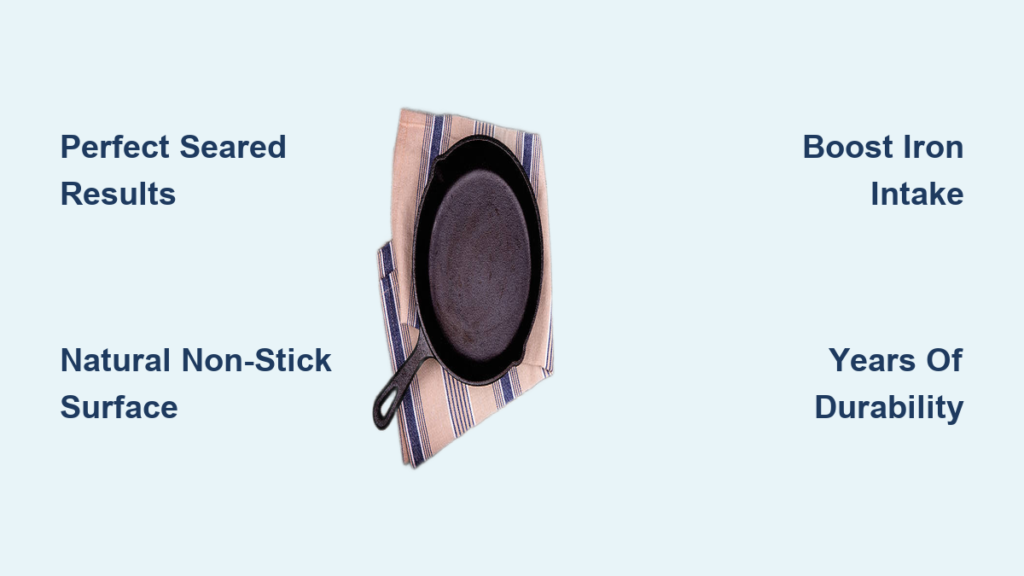

Water droplets clinging to your cast iron skillet might seem harmless, but they’re silently launching a rust attack that can undo years of careful seasoning. Properly drying a cast iron skillet isn’t just about removing moisture—it’s the critical step that preserves your cookware’s non-stick surface and prevents corrosion. When you master how to dry a cast iron skillet correctly, you transform what seems like a simple chore into powerful protection for your kitchen’s hardest-working tool. This guide reveals the precise techniques that keep cast iron in pristine condition for decades.
The moment you finish cooking, your cast iron enters a vulnerable state where water becomes its worst enemy. Unlike stainless steel or non-stick pans, cast iron’s porous surface readily absorbs moisture, creating perfect conditions for rust to form within hours. Many home cooks mistakenly believe “air drying” is sufficient, not realizing this passive approach invites disaster. Understanding how to dry a cast iron skillet properly means recognizing that speed and thoroughness are non-negotiable—your skillet’s longevity depends on getting this step right every single time.
Remove Surface Moisture Immediately After Washing
The clock starts ticking the moment your cast iron leaves the water, making immediate action essential for preservation. Grab several clean paper towels or a lint-free cotton cloth and wipe the entire skillet surface with firm pressure—both cooking surface and exterior—until no moisture remains visible. This initial drying should happen while the skillet is still warm from washing, as heat accelerates evaporation and makes water removal more effective.
Pay special attention to problem areas where moisture hides: the curved transition between cooking surface and side walls, the underside of the rim, and around rivets where the handle attaches. Water loves to pool in these spots, creating invisible rust incubators. Use folded paper towels to reach into corners and seams, replacing them frequently as they become saturated. Never skip this step by assuming residual heat will dry the skillet on its own—without active moisture removal, evaporation happens too slowly to prevent rust formation.
For skillets with deep grooves or textured surfaces, try the crumpled paper towel technique: wad several sheets into a tight ball and press firmly against problem areas. The increased surface area and pressure extract moisture from crevices that flat towels miss. Keep working until your wiping reveals a uniform, dry surface without dark water spots or streaks. This thorough initial drying reduces the burden on subsequent heat-drying steps and prevents moisture from penetrating deep into the metal’s pores.
Apply Controlled Heat to Eliminate Hidden Moisture
Towel drying removes visible water, but microscopic moisture remains trapped in cast iron’s porous surface—this hidden moisture requires heat to fully evaporate. Place your towel-dried skillet on a stovetop burner set to medium-low heat for 3-5 minutes, rotating it occasionally for even exposure. The gentle heat draws out residual moisture without damaging your seasoning layer, which high heat would compromise.
Watch for the visual transformation that signals complete dryness: the skillet’s surface shifts from a darker, damp appearance to a consistent lighter gray as the last moisture evaporates. You’ll also notice steam stopping and the metal feeling uniformly warm to the touch. This heat-drying step is non-negotiable for humid climates or when washing with cooler water, as ambient conditions dramatically slow natural evaporation. Never skip heat drying by assuming your towel work was sufficient—microscopic moisture causes rust that appears days later with no visible warning.
Avoid common mistakes like using high heat to speed the process (which can warp thin cast iron or damage seasoning) or placing the skillet in a hot oven (which creates uneven heating). The burner method provides direct, controllable heat that ensures thorough drying without thermal stress. For extra protection, leave the skillet on the warm burner for an additional minute after visible dryness to guarantee complete moisture elimination from deep within the metal.
Apply Protective Oil Layer Before Storage
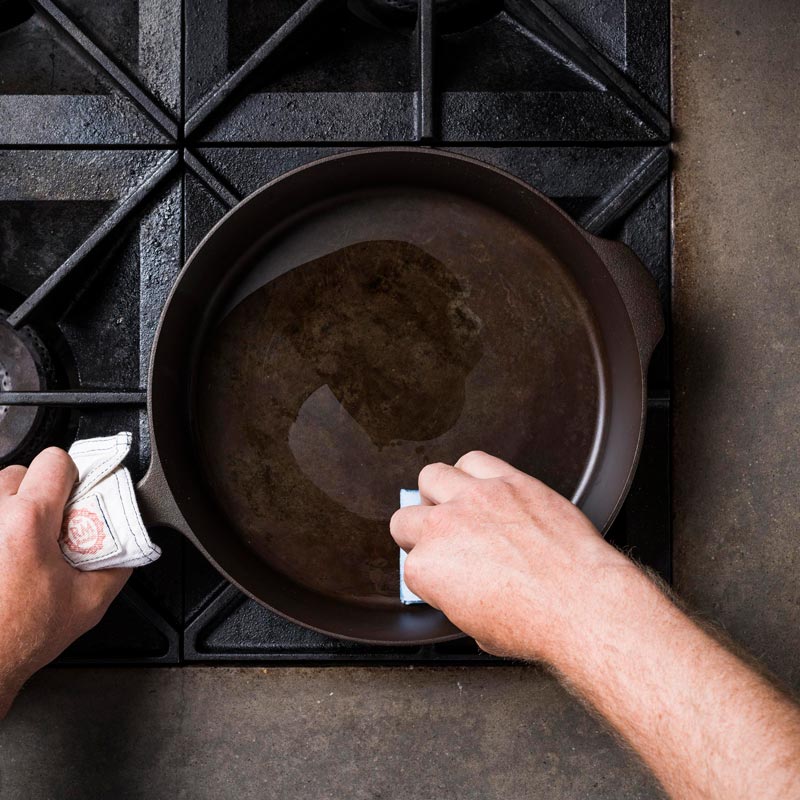
Drying alone isn’t enough—your final defense against rust is applying a microscopic oil barrier that seals the metal surface. While the skillet is still warm from heat drying (but cool enough to touch safely), add a single drop of high-smoke-point oil like vegetable, canola, or grapeseed to the center of the cooking surface. Using a clean paper towel, spread this into the thinnest possible film covering every surface, including sides, bottom, and handle.
The oil application technique makes all the difference: use circular motions with light pressure to work the oil into the metal’s pores without leaving visible residue. Too much oil creates a sticky buildup; too little leaves unprotected spots. When done correctly, the skillet should look almost dry with only a slight sheen—not glossy or wet. For maximum protection, return the oiled skillet to low heat for 1-2 minutes until the oil stops smoking, then remove from heat and cool completely before storage.
This oil layer performs triple duty: it fills microscopic pores that would otherwise trap moisture, replenishes seasoning damaged during cleaning, and creates a barrier against ambient humidity. Many cast iron owners skip this critical step, wondering why rust appears despite proper drying. The oil application transforms your drying process from temporary moisture removal to lasting protection that works while your skillet sits unused in the cabinet.
Avoid These Five Rust-Inducing Mistakes
Even experienced cooks sabotage their cast iron care with preventable errors that invite rust formation. Air drying—leaving your washed skillet on a rack to dry naturally—is perhaps the most common mistake, giving moisture hours to penetrate the metal. In humid environments, this passive approach guarantees rust development within 24 hours. Always actively dry cast iron immediately after washing—never walk away and assume it will dry on its own.
Using the dishwasher seems convenient but exposes cast iron to prolonged water contact and harsh detergents that strip seasoning and accelerate rust. Even “gentle” dishwasher cycles subject cast iron to more moisture than it can safely handle. Similarly, storing skillets while still warm from cooking traps steam inside cabinets, creating perfect rust conditions. Always cool slightly, wash, dry thoroughly, and oil before storage.
Stacking multiple cast iron pieces without protection creates moisture traps between surfaces, while using olive oil or butter for post-drying oiling leads to sticky residues that attract moisture. The biggest oversight? Assuming a shiny surface means “dry”—many skillets appear dry to the eye but still harbor microscopic moisture that requires heat drying to eliminate completely.
Long-Term Storage Solutions for Infrequent Use
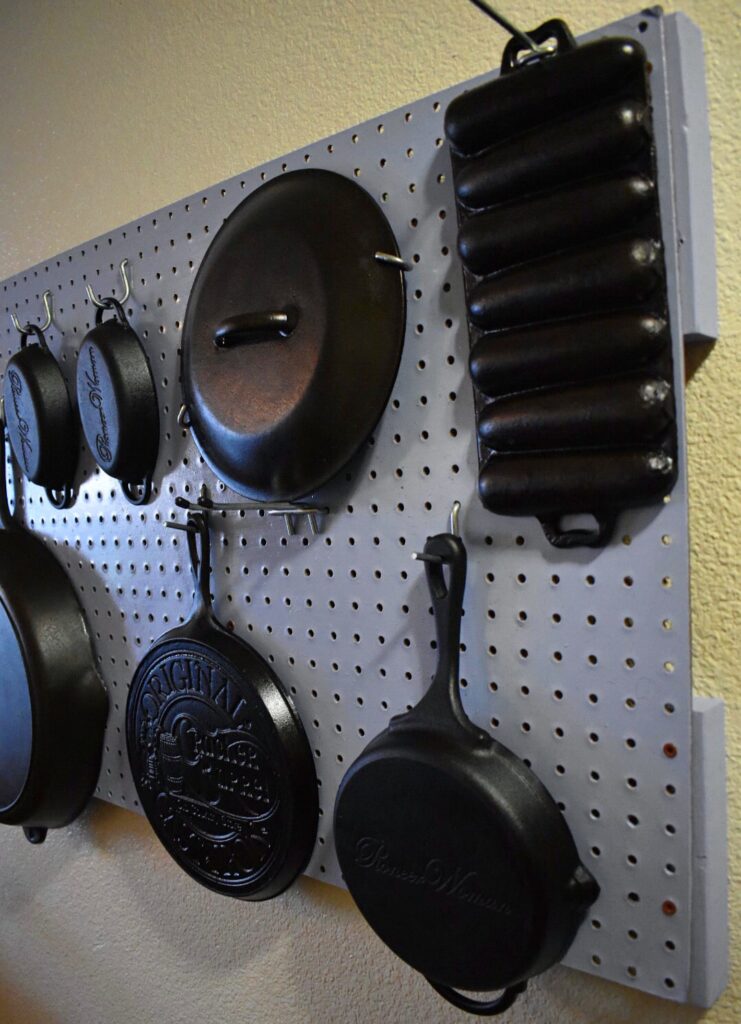
When storing cast iron for weeks between uses, standard drying techniques need reinforcement against ambient humidity. Always store skillets with the protective oil layer applied, and place a folded paper towel inside each piece to absorb any unexpected moisture. For stacked storage, insert parchment paper or clean cotton cloths between pieces to allow air circulation while preventing surface contact.
Never store cast iron with lids sealed tightly—it traps kitchen humidity and creates a rust incubator. Instead, leave lids slightly ajar or store them separately. In humid climates, add silica gel packets to your storage area or place skillets near a dehumidifier. For heirloom pieces stored long-term, check them quarterly for moisture signs and reapply oil as needed.
The best storage location maintains stable temperature and low humidity—avoid under-sink cabinets (prone to moisture leaks) or near dishwashers (generates steam). Wall-mounted racks with good air circulation outperform enclosed cabinets, but if cabinet storage is unavoidable, leave the door slightly open to promote airflow. Proper storage transforms your drying efforts from temporary protection to lasting preservation.
Restore Rust-Damaged Cast Iron in Three Steps
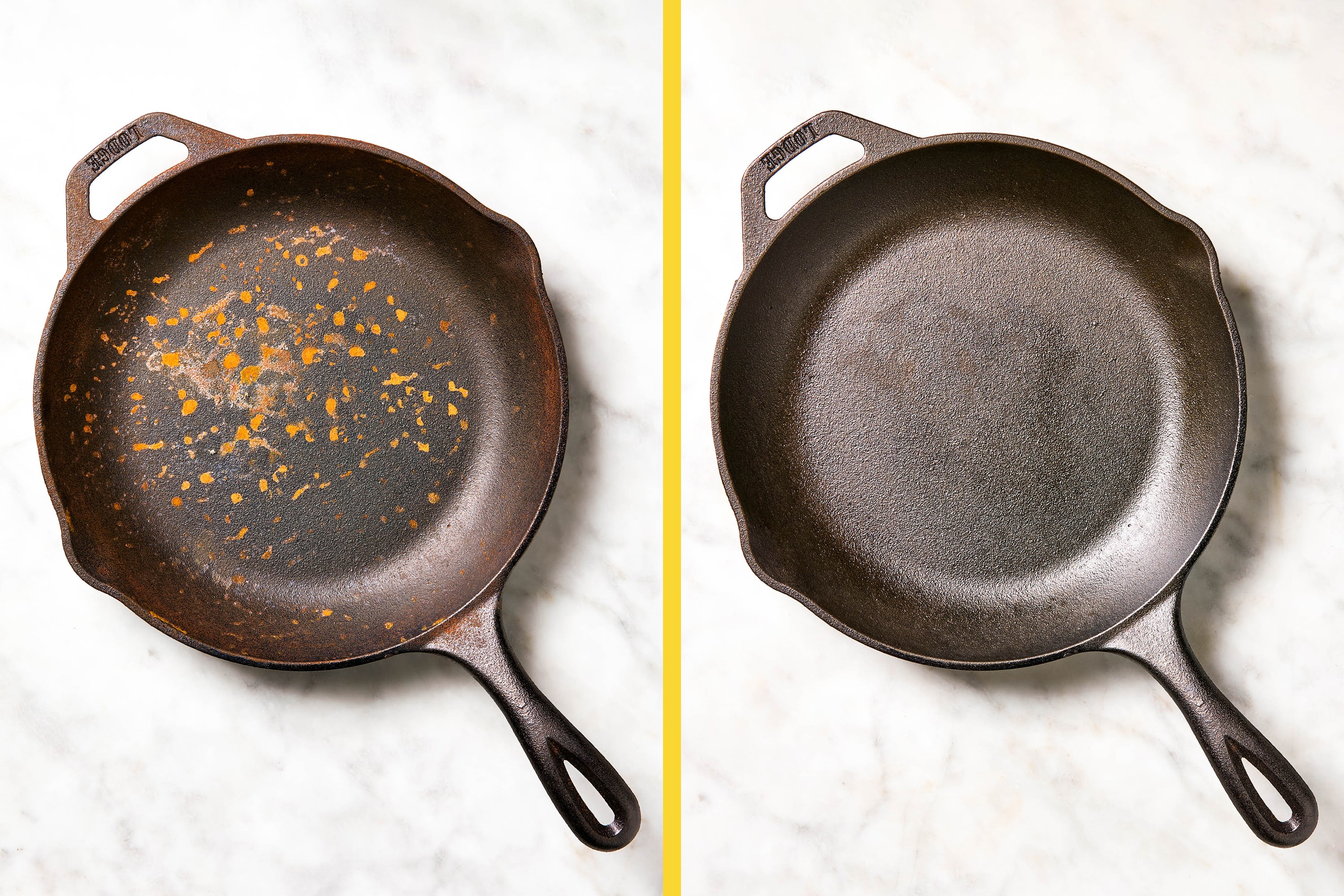
If you discover rust despite proper drying techniques, don’t discard your skillet—rust is completely reversible with immediate action. First, remove all rust using fine steel wool or a stiff nylon brush with circular motions until bare metal appears beneath the orange spots. For stubborn rust, make a paste of coarse salt and water to gently abrade problem areas without damaging the underlying metal.
After rust removal, wash thoroughly with warm water, then dry immediately using the stovetop heat method. Apply a generous oil layer and heat on medium until smoking, then cool completely. Repeat this oil-and-heat cycle 2-3 times to rebuild protective seasoning. For severe cases, consider baking the oiled skillet upside down in a 350°F oven for one hour to create even seasoning across all surfaces.
This restoration process proves that occasional rust doesn’t mean ruined cookware—it’s a learning opportunity to refine your drying technique. With proper restoration, your skillet will return to excellent condition, often developing an even better non-stick surface than before the rust incident.
Make Perfect Drying a Habit for Generational Cast Iron
The secret to cast iron that lasts decades isn’t complicated—it’s consistent execution of simple steps after every single use. Develop a drying ritual that takes less than five minutes: towel dry immediately after washing, heat dry on the burner, apply oil, and store properly. This routine becomes automatic with practice, preserving your skillet’s seasoning while preventing rust before it starts.
Regular maintenance prevents major restoration work later. If food starts sticking more than usual or the surface looks patchy, it’s time for a seasoning refresh—but consistent proper drying minimizes how often this is needed. With each proper drying cycle, your cast iron develops a richer, darker seasoning that improves cooking performance while increasing rust resistance.
Your grandmother’s cast iron skillet didn’t survive generations by accident—it endured because someone dried it properly after every meal. By mastering how to dry a cast iron skillet correctly, you join a tradition of cooks who understand that this simple daily act transforms ordinary cookware into a family heirloom that delivers perfect sears, even browning, and decades of reliable service. The skillet you dry properly today will cook for generations to come.